






![St. Anthony Clare—When it is time for me to leave [the Eucharist], …](https://www.catholicdigest.com/wp-content/uploads/2025/12/15-1024x538.png?#)



‘A crisis of the heart’ - Religious vocations directors look to the future

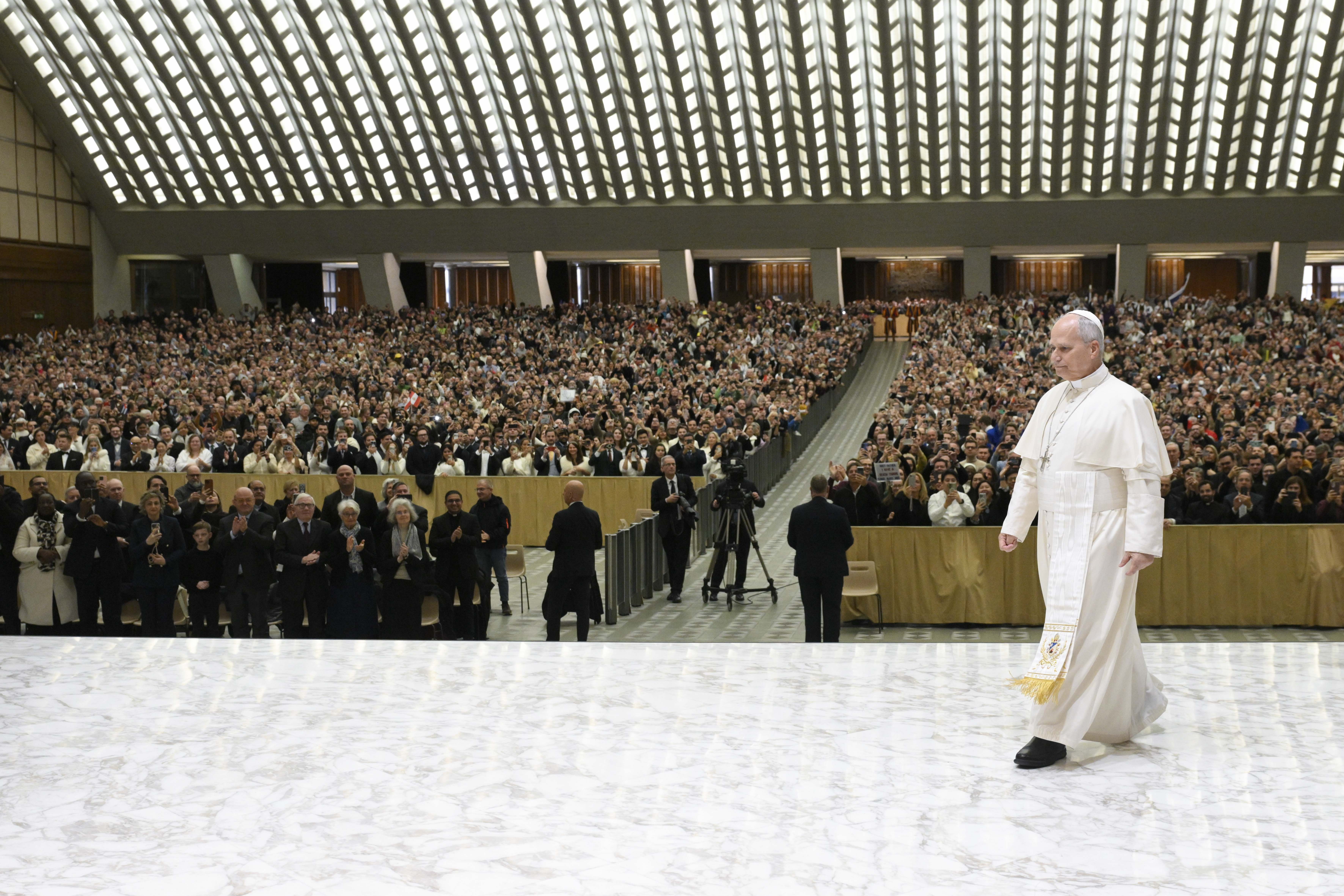
There was a time — back in the decade when Pope Leo XIV entered the Augustinian order — when American men in religious life outnumbered diocesan priests, and by a wide margin.
But those days in the U.S. are gone. Long gone.
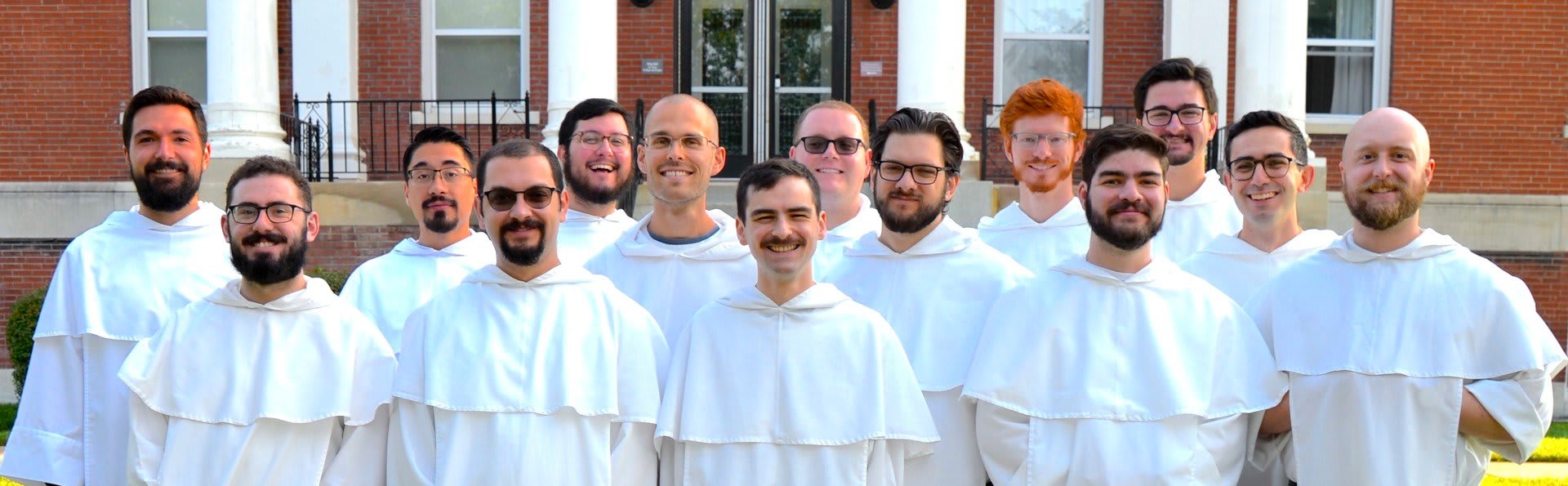
Across the country, many men’s religious orders have struggled to promote vocations in recent years, with some now reaching a critical demographic point — either they’ll find a new surge in applicants — soon — or some, at least, will be forced to turn off the lights in the years to come.
In the 1970s, there were 2,500 more men in U.S. religious orders or provinces than in U.S. diocesan presbyterates. By 2015, diocesan priests in the U.S. outnumbered their religious counterparts by 8,000.
And with more than 200 men’s religious communities in the U.S., only 153 men in 2023 entered religious formation — leaving numerous communities with few men in formation, or none at all.
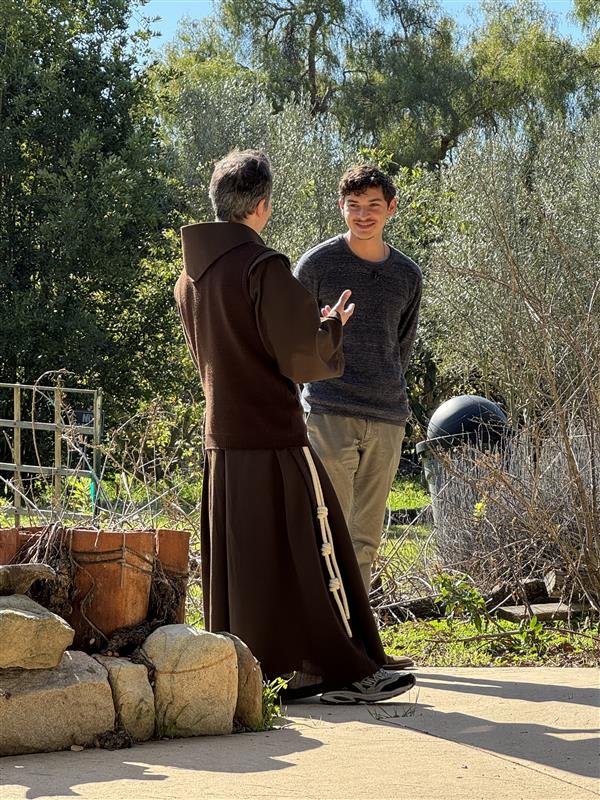
Not all religious institutes are facing a vocations crisis. But whether their communities are growing or shrinking, religious vocations directors face real challenges in the promotion of religious life — even with an American religious pope now leading the Church.
‘We needed to think differently’
In the early 2000s, the Augustinian Midwest province had gone 15 years without celebrating an ordination, and few men were joining the community.
That was a major problem, and Fr. Tom McCarthy, OSA, knew something had to change.
So, along with two other Augustinian priests, he developed a new gameplan for promoting vocations — intentionally inviting young men to attend events with the community.
“We decided that we needed to think differently. We needed to think outside the box,” McCarthy told The Pillar. “We needed to start inviting people. We needed to be proud of who we were. So we decided as a province that we would go a different route, and do things differently.”
“We went to all the friars and said: ‘What are we doing? How are we inviting young men? How are we inviting them to pray with us, to have dinner with us?’ And we did [those things] — we began inviting men.”
But while the Augustinians saw fruit from those efforts, other religious orders have struggled to find men interested in joining their communities.
That fact saw the Franciscans Order of Friars Minor decide in 2023 to consolidate their five US provinces into one, according to Fr. Greg Plata, OFM, vocations director for the nationwide Our Lady of Guadalupe Franciscan province.
“Every province was going through diminishment,” Plata told The Pillar. “We had three high schools at one time, lots of parishes in Illinois, Wisconsin, even out in Pennsylvania, and New York — but we were losing them.”
“One of our friars who is an actuary did a study and told us that with the diminishment in vocations that we are going to go through, it did not make sense to have five separate provinces, five vocation directors, etc. So in combining those resources it strengthened our province as a whole.”
When Father Joseph Hill SJ, entered the Society of Jesus in 2004, 56 other men entered the Society of Jesus in the United States that year.
This year, 31 men entered. But in 2024 there were only 26, less than half the number two decades prior.
Hill, now the vocations promoter for the Jesuit Central and Southern province, told The Pillar.
“It is basically half of what it was 20 years ago. That is a pretty big decline,” Hill said. “Now, there is a question of whether this trend is going to continue? In 20 years, are we gonna be at 15 [new men]? Or are we gonna be back up to 50?”
“I do not know,” Hill said “Nobody does.”
‘The anxious generation’
As they assess a decline in religious aspirants among men, vocations directors point to several factors which they say contribute: secular society, the clergy sex abuse scandal, and destabilized families.
“It is our culture,” Plata said. “We are a very hyper secular — very hyper-sexualized society today, [which] makes pursuing Christ difficult.”
For his part, Hill believes an even bigger challenge is young people’s fear of commitment.
“Religious life is a totally radical commitment to serve Christ, to live like Christ, to imitate Christ. That is religious life and it is very difficult to join, especially for a generation like Gen Z, [which] is very afraid of commitment,” Hill said. “This is the anxious generation that is worried about the future.”
“You do not know what the future is going to hold for you in religious life. There are just very few people right now who can hold that, can commit to it and then can live it,” he added.
Beneath those spiritual and cultural concerns lies a practical issue — men considering priesthood often know very few religious themselves.
While dioceses are also struggling to promote vocations, diocesan vocation directors have the benefit of familiarity: young men know something about diocesan priesthood, because they usually grow up around diocesan priests.
Religious communities do not have the same reach. And unless they’re seeking out information about religious life online, many men might have little exposure to religious life.
“For a lot of young people, all they know are their parish priests or diocesan seminarians because they have never been exposed to male religious life,” McCarthy said. “One of the challenges is to tell people who we are, that we exist and that this is a beautiful life.”
That problem might be compounding, as religious communities withdraw from once-thriving apostolates amid declining numbers.
“We have lost a lot of the Franciscan, Catholic ethos that we had at one time,” Plata said.
“I was a Philadelphia Catholic marinated in Catholicism because I was taught by the sisters, then I was taught by the friars. They formed me into who I am today. When I was thinking of religious life, it was just natural that I would gravitate towards the friars because I saw them witness the Gospel in their ministries and the way they lived in community through my encounters with them.”
“Unfortunately, we do not have that today.”
‘I don’t feel the crunch’
Some religious orders, especially those with a presence in schools and on college campuses, seem to be defying the larger trends.
The Dominicans, across all four US provinces, have seen increased vocations in the last few years, said Father Carl Paustian, OP, vocations director for the Dominican’s St. Martin De Porres province, in the southern U.S.
In the past five years, the Martin De Porres province has seen 23 men enter formation, with only 6 friars of the province dying during the same time.
“On my end, I don't feel the crunch of the vocations crisis,” Paustian told The Pillar. “Certainly the numbers that we have are not anywhere what they were in the 1940s, but the vocation numbers right now have put us into a growth phase rather than into decline.”
Paustian believes that the order’s presence on college campuses has helped the community’s growth.
“St. Dominic sent the original friars to the universities. Now, part of our charism is to do campus ministry,” Paustian told The Pillar.
“We are encountering, on a regular basis, young men who are active in their faith in our regular ministry. They are seeing the fruits of our ministry. They are seeing our life. They are seeing our prayer and our preaching charism while in college and many are drawn to that.”
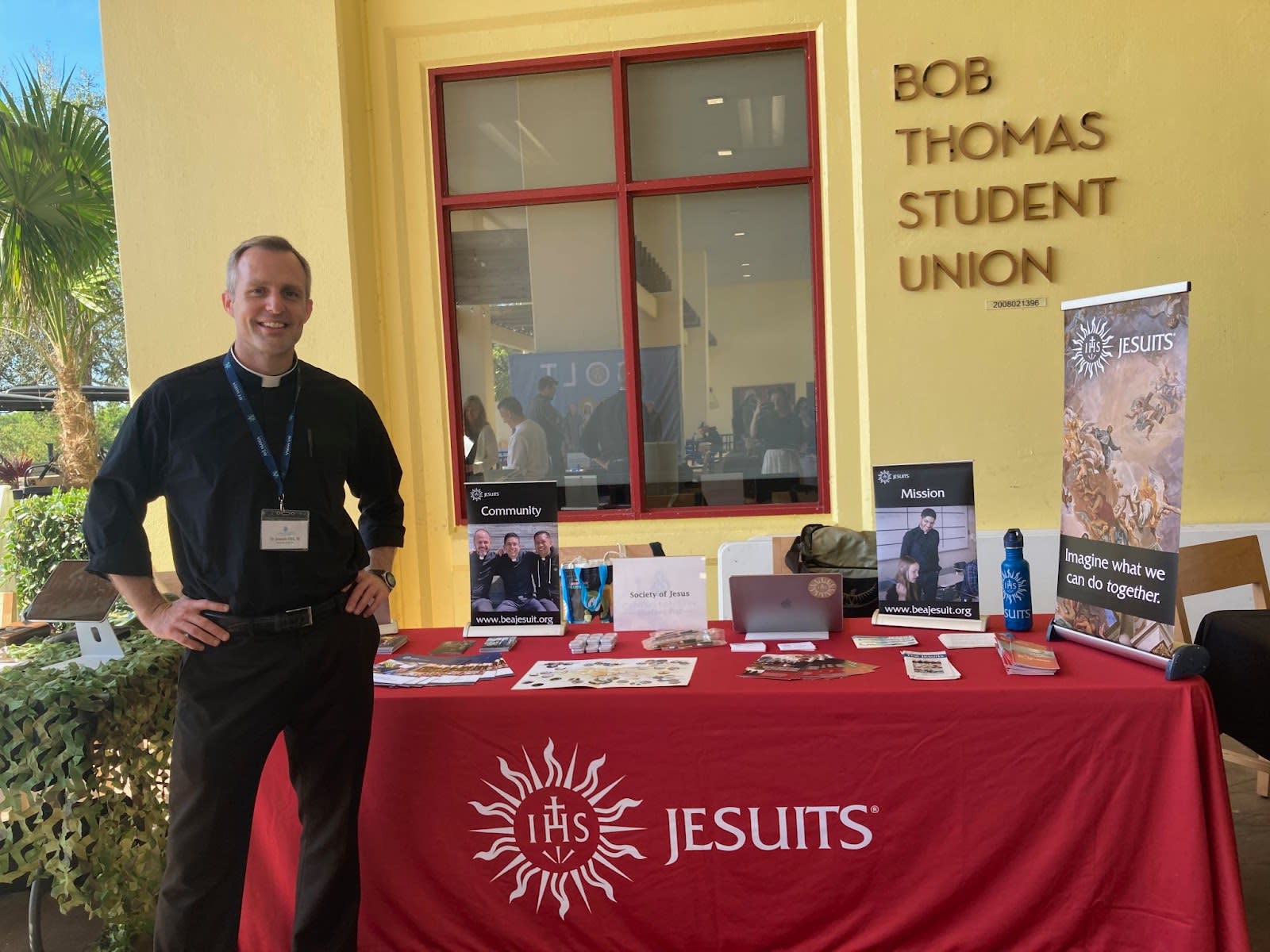
Members of the Society of Jesus, the Jesuits, have a similar campus presence across the U.S.
“We have a lot of educational institutions, high schools and universities and so we have Jesuits interacting with young people quite a lot, probably more than most other religious orders,” Hill said.
Though there are fewer Jesuits teaching in high schools and colleges than there were decades ago, educational apostolates are a “huge way in which young people come to know us,” Hill added.
The Franciscan Friars of the Renewal, a religious community founded in 1987 as a reform outgrowth of the Capuchins, has also been experiencing steady growth.
With five years as vocations director, Father Angelus Montgomery, CFR, told The Pillar that the community regularly welcomes between 8 and 12 men every year.
Montgomery attributes growth to the community's focus on renewing the Church.
“Throughout our history, we've seen men interested in the Franciscan way of life,” Montgomery told The Pillar. “They want to go all in for prayer and all in for our brotherhood and fraternity, and also embracing our charism and mission of serving the poor and evangelizing.”
But he believes that men are especially drawn to zeal and the prospect of a community born, like his, out of a reform movement in religious life.
“In reformed communities, I think there is a bit of a new fire. [Ours] is a new charism, but within a broader charism, obviously, of the Franciscan-Capuchin tradition. But I think guys today have a desire to give their lives away, have a desire to live on fire for Jesus, have a desire to give everything to him and I think guys are drawn to the intensity of these reformed communities and the way we live.”
Other vocations directors say they’ve learned a lot about what attracts men to religious life in the first place.
“A good majority of the guys that I get are from Texas, [and] they tend to be a little bit more conservative, and traditional. What they are attracted to is a Church that gives them reason,” said Plata, the OFM friar.
“I think a lot of young men in particular have realized that what they think the world has offered them has left them nothing, and they revert back to their Catholic faith and they discovered this richness.”
Hill, the Jesuit, said that in his experience, “community is a big draw.”
“There are guys who reach out to us and say: ‘I can't live by myself, I can not just be a bachelor in a parish. I feel called to something, to some form of communal life.’”
Paustian, the Dominican, said vitality itself is attractive in a religious community.
“When I was discerning, it was easier to join the Dominican order because I knew that I would have a vibrant cohort of peers carrying on the charism and traditions of the province together,” the friar said.
“It makes it a little bit easier to join something when you can be confident it has a future rather than joining a religious order where maybe you have the question in the back of your mind: ‘Am I going to be the one who has to turn off the lights?’”
But community isn’t the only thing, Paustian said.
“What I am encountering right now is a really deep interest both in our community life as well as in the intellectual tradition of the Dominican order,” Paustian explained. “A lot of men have heard about the Dominican order through reading and studying Thomas Aquinas and come to us because of an intellectual interest.”
“Where the Church is ecclesiologically and maybe even politically speaking, the Dominicans tend to be more … on the conservative side. Men who are joining religious life are looking for that right now,” Paustian added. “Men who are active in their faith tend to have those sort of same demographics and men who are discerning, I think, are drawn to our more conservative nature.”
‘A crisis of the heart’
As they promote vocations, some religious communities find themselves taking a tack familiar to anyone trying to reach young people in the U.S. — turning toward social media.
“We hired a couple of lay people to study our analytics and boost our social media presence,” McCarthy, the Augustinian, said. “Young people know how to get information and the internet is open 24-7. You have to have a great social media presence.”
Plata said that the Franciscans have worked to develop a robust social media presence, but also benefited from the visibility of friars with their own social media channels — among them Fr. Casey Cole, a popular young friar with 163k Instagram followers.
“A lot of the guys, when I'm in the process of getting to know them, I will ask, ‘How did you find out about it?’ And many will say, ‘Oh, I saw Father Casey’s YouTube videos or his Instagram page,’” Plata said.
“Social media is great because young people will gravitate towards that,” Plata said. “We can show life inside the community, for example, the upcoming solemn vows that will happen soon, we can share videos to give people a taste of the community and these videos are always available to them.”
Paustian, the Dominican, did not emphasize social media. But he did say the online presence of his confreres makes a difference in vocations work.
“We are blessed that our brothers in the Eastern province have two very popular podcasts that men listen to and so they know the Dominicans through that online presence,” Paustian said. “Then they think: ‘Are there Dominicans in my area?’ They might Google us and look into reaching out.”
For Fr. Hill, the Jesuit, “social media has not been an avenue of engagement for us.”
“Maybe there is the very, very [infrequent] person who saw something on social media and they reached out to us. But most have encountered a Jesuit, or have attended one of our educational institutions and wanted to discern with us after meeting our priests.”
Regardless of their particular tactics, religious vocations directors seem to agree that one thing matters a great deal — intentionality.
That often requires frequent flier miles, time away from community life, and gold status with car rental companies.
“We do a lot of what we call outreach, which requires lots of travel,” Hill said. “For example, we go to Benedictine College for the vocation fair, I go to Mizzou, Alabama and other big state schools at least once a semester to visit the Catholic student center there. These are the places I visit every semester, to get to know students there, help in the spiritual life and it gives people exposure to Jesuits.”
“We visit a good amount of college campuses which are ponds of disciples,” Montgomery said. “Men and women are following Jesus. And we get to build relationships with these students who are learning to pray and build community and want a mission.”
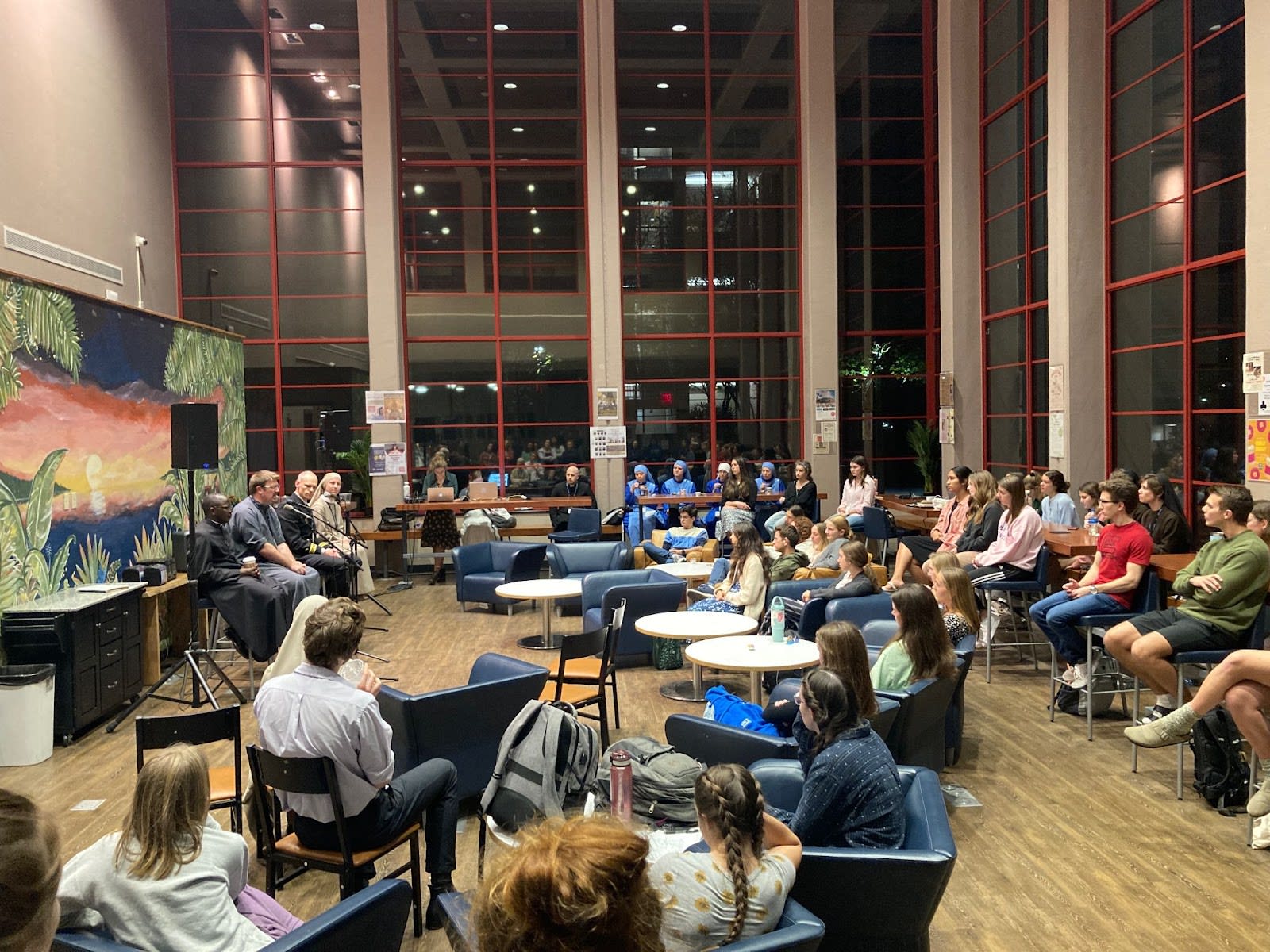
Spending time on campuses is great, vocations directors said. But it’s also just the beginning, they told The Pillar.
“At one of our parishes, the pastor was 76, the associate was 81, and the resident was 93. They began inviting groups of young men to have dinner with them and to pray with them,” McCarthy said.
“And they sent me three young men interested in discerning, one of whom is now a priest.”
For Plata, invitations are key.
“I just sent out 35 letters to men that expressed interest in the Franciscans. Every so often, I'll call the numbers,” Plata said. “I have 46 guys for the central region and I try to be intentional with each person. I think more and more young people are beginning to discover us because of social media and some of the things that we put out.”
Montgomery said that for him, being vocations director means a broad set of pastoral opportunities.
“We talk about a vocation crisis, but we really have a human crisis, a crisis of the heart,” Montgomery told The Pillar. “Most guys calling have experience of brokenness, hurt, sin, shame, struggle being in the world so most of my experience of being a vocation director is actually helping young men become disciples, experience healing in their lives and pointing into the right places so they can experience healing and then giving Jesus space and time to reveal his plan to them.”
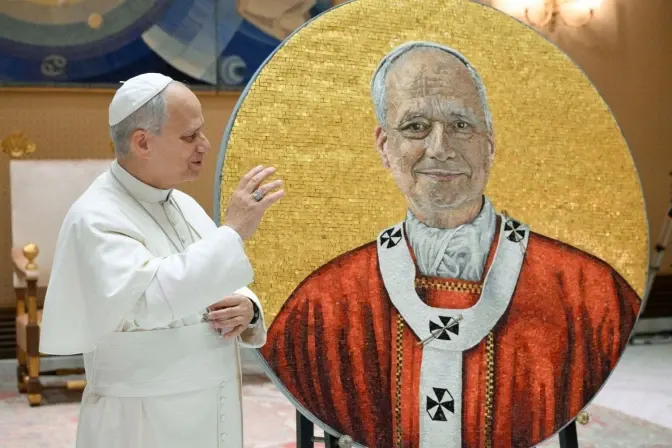
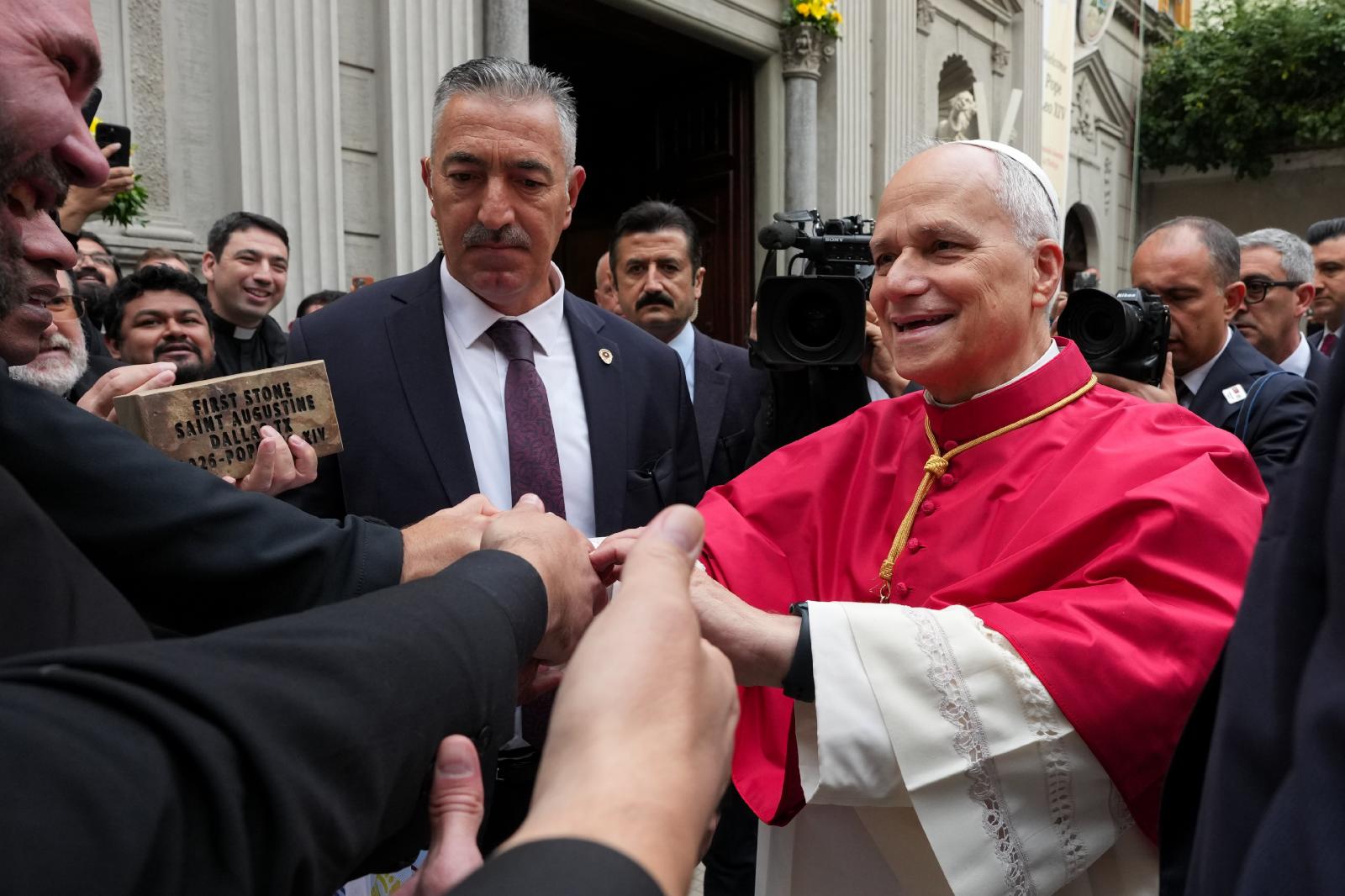
For his part, McCarthy, said that after the election of Pope Leo XIV — an Augustinian confrere and one-time superior of his province — vocations work lately has meant keeping up with a sudden surge of interest.
“I've never been busier than that in the last two months,” McCarthy told The Pillar.
“The interest has been unbelievable … We have had over 300 people ask to talk to one of us.”
“Pope Leo XIV is telling the world who the Augustinians are. We are a small order with only 2,500 members, so now people are learning who we are.”
What's Your Reaction?
 Like
0
Like
0
 Dislike
0
Dislike
0
 Love
0
Love
0
 Funny
0
Funny
0
 Angry
0
Angry
0
 Sad
0
Sad
0
 Wow
0
Wow
0