








Religious freedom watchdog annual report spotlights ‘terrifying crisis of religious violence’ in Nigeria
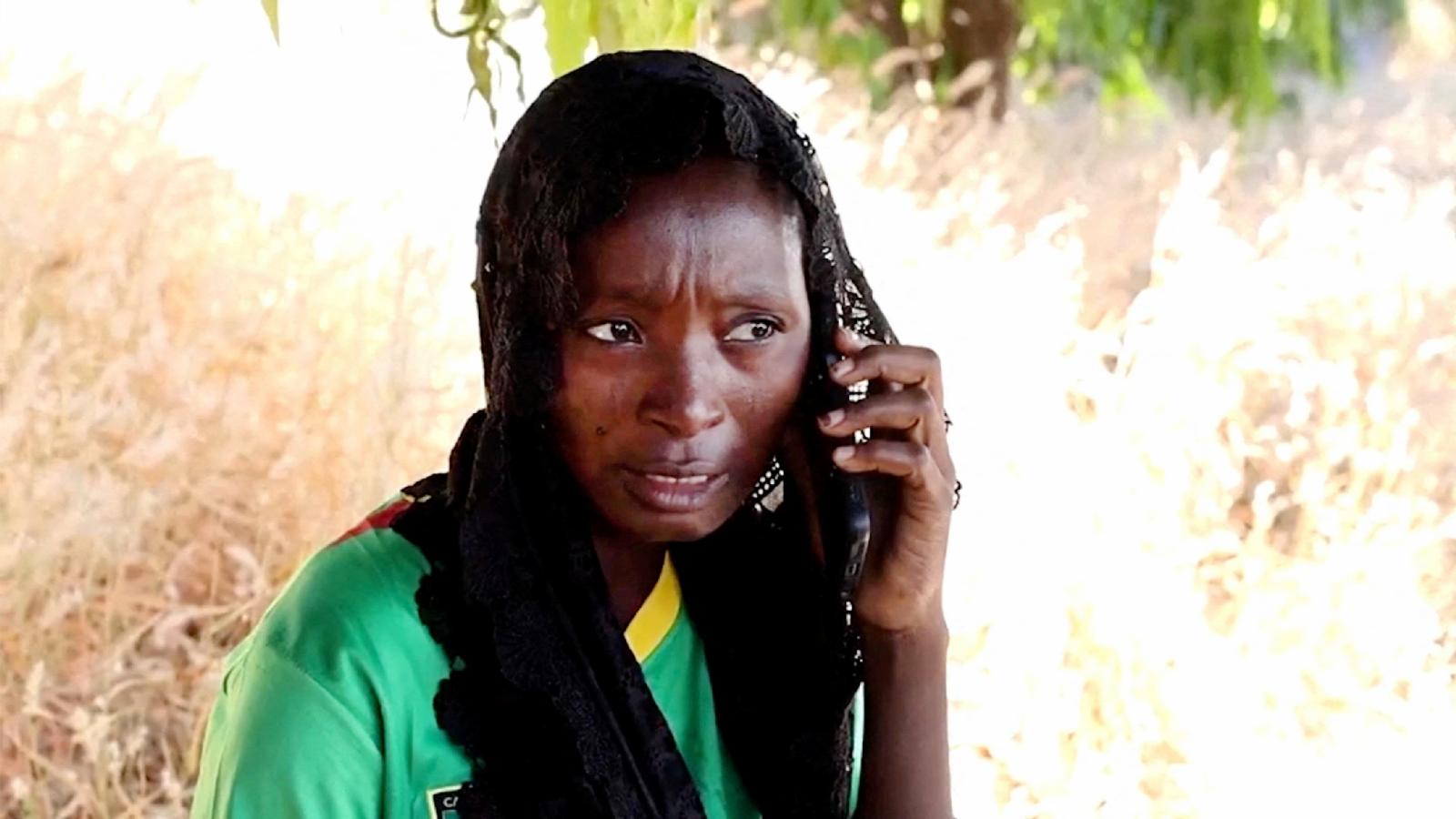
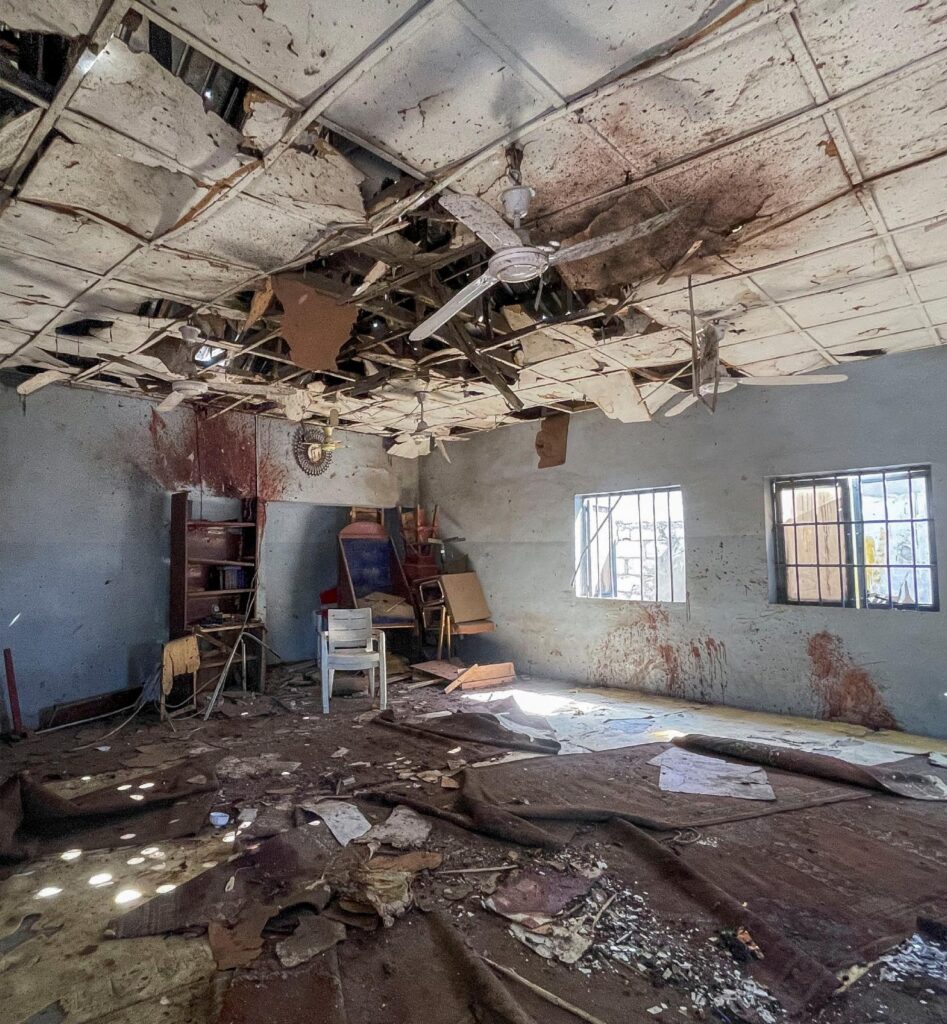
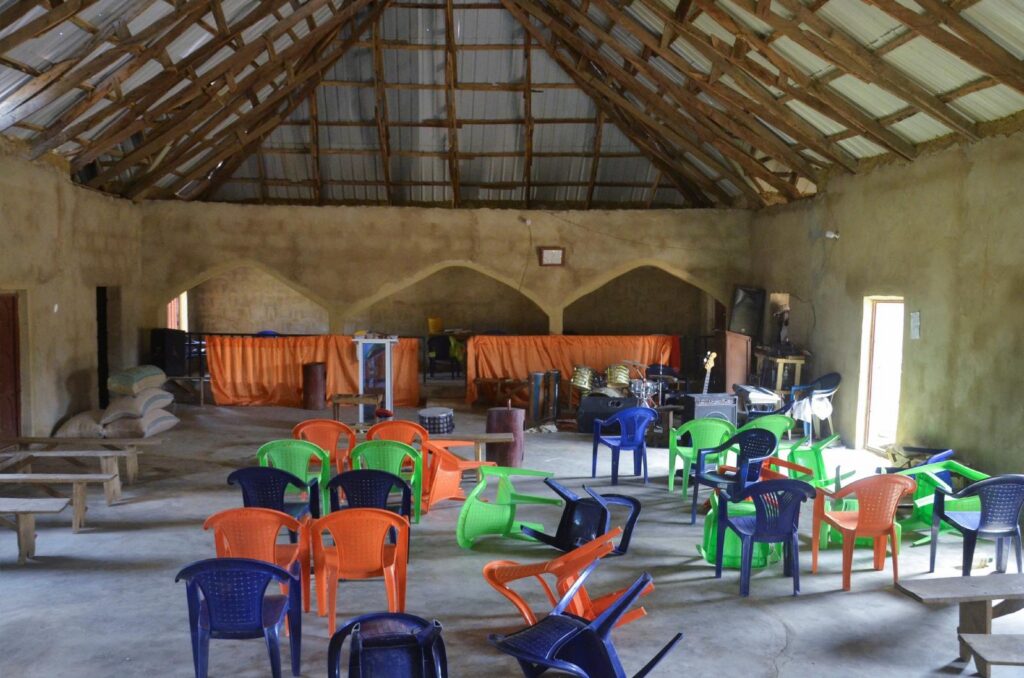
WASHINGTON (OSV News) — Nigeria is facing “a terrifying crisis of religious violence,” the U.S. Commission on International Religious Freedom said in its 2026 annual report, released March 4.
USCIRF, an independent, bipartisan U.S. federal government commission that monitors religious freedom around the globe, released the report at an event in the Capitol complex.
Vicky Hartzler, USCIRF chair and a former Republican member of the House from Missouri, said in remarks at the event the people of Nigeria “continue to face religious freedom violations and suffer a deeply tragic and ongoing crisis of violence” at the hands of “non-state militants espousing a violent interpretation of Islam.”
“The Nigerian government has for far too long been negligent in seriously and directly tackling the violence and its complex underlying factors,” she said.
‘Country of particular concern’
The Trump administration recently redesignated Nigeria as a “country of particular concern,” a State Department designation for nations or entities that carry out systemic religious freedom violations. The U.S. also carried out a deadly strike in Nigeria Dec. 25 that President Donald Trump called an effort to target Islamic State group terrorists who persecuted Christians in that nation.
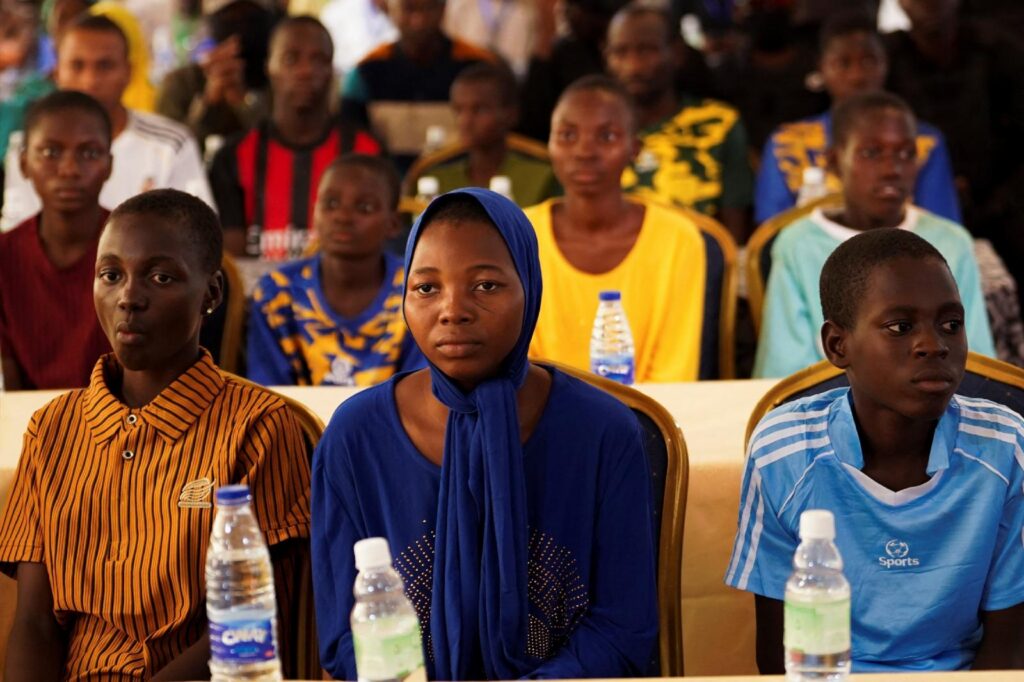
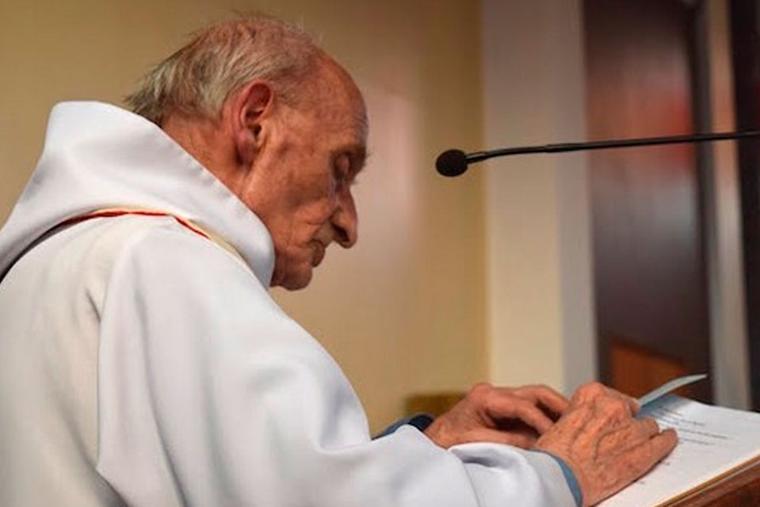
Among such instances of violence in Nigeria cited in the report, it said that “In September, Father Matthew Eya of St. Charles Catholic Church in southern Nigeria’s Enugu State was returning home from his pastoral duties when unidentified gunmen pulled up on a motorcycle, shot out his tires, and then executed him there in his vehicle.”
Violence against Christians in Nigeria has escalated in recent years from Islamic extremist groups such as Boko Haram; however, Muslim communities have also been gravely impacted by the violence. Disputes between farmers and herders have also led to violence and displacement.
The report also said Christians across central Africa “have become increasingly vulnerable to targeted attacks by nonstate actors.”
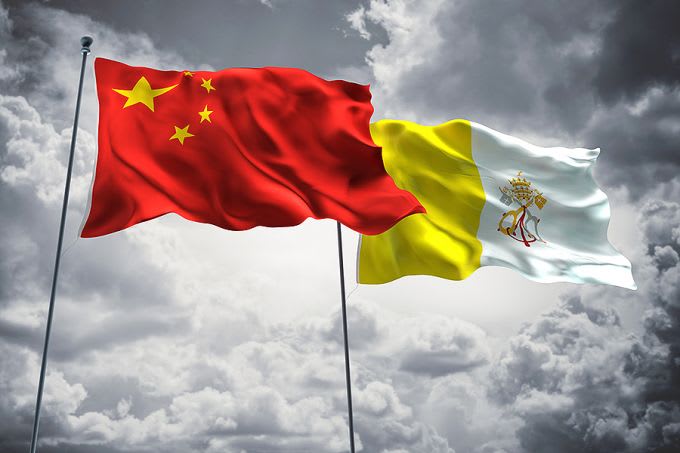
Nigeria was among the countries USCIRF recommended for designation as Countries of Particular Concern (CPCs), which also included Afghanistan, Burma, China, Cuba, Eritrea, India, Iran, Libya, Nicaragua, North Korea, Pakistan, Russia, Saudi Arabia, Syria, Tajikistan, Turkmenistan and Vietnam.
The State Department designates CPCs for particularly severe freedom of religion or belief violations under the International Religious Freedom Act. The IRFA requires the U.S. government to designate CPCs annually, which are defined in law and policy as countries where governments either engage in or tolerate “particularly severe violations” of religious freedom. Non-state actors who engage in similar conduct are designated as “entities of particular concern.” The State Department also has a “Special Watch List” for severe violations of religious freedom that do not meet its metrics for CPC designation.
Rep. Brad Sherman, D-Calif., said in remarks at the event that “there is nothing more important to American values than freedom of religion. It’s in the First Amendment for a reason, and we need a foreign policy that reflects our values as a nation.”
“This commission, shining a light on oppressed religious groups around the world, has done a lot to elevate our discourse on foreign policy,” he said. “I congratulate the commission on bringing this report to us. It will get a lot of serious discussion.”
Impact of USAID cuts
The report also pointed to cuts to programs that aimed to advance religious freedom through the U.S. Agency for International Development, the government’s now-shuttered humanitarian aid agency in countries around the globe, as among causes that affected programs that provided humanitarian assistance to persecuted religious communities.
“USCIRF received information that a significant portion of programs that utilized funds directed by Congress to promote IRF were terminated,” the report said. “This included projects to combat blasphemy laws and other legal restrictions on (freedom of religion or belief), provide for early warning systems to protect religious minorities, promote interfaith dialogue, and document IRF violations, including crimes against humanity and genocide. Emergency assistance for religious freedom activists in Burma and Afghanistan, as well as a flagship USAID program that had supported 4,000 members of religious minority groups facing discrimination and persecution, were also terminated.”
Citing the organization’s concerns about Nigeria, the report added, “As an example of how such cancellations could impact religious freedom conditions, one source argued that ending a USAID program that supported early warning systems in Nigeria’s Middle Belt could leave communities without support to prevent violence, creating vulnerability for future attacks against Christians.”
However, the report noted dissent to that section among some of the commissioners, who argued that “commentary” on “an administration’s choices regarding the redirecting of funds, especially pertaining to the funding of NGOs, is, as we understand it, beyond the purview of USCIRF and our calling.”
Among its other recommendations to Congress and the Trump administration, the report also called for a reduction of barriers for those fleeing religious persecution abroad to resettle as refugees in the U.S., which Stephen Schneck, USCIRF commissioner, noted in his remarks at the event.
“It must be acknowledged that 2025 saw some areas in which the administration’s approach to international religious freedom fell short, such as the protection of those beings from some of the world’s most dire environments for religious persecution,” Schneck said.
In comments at the event, Asif Mahmood, USCIRF vice chair, also pointed to a “widespread rise in antisemitism and anti-Muslim bias” in parts of the world, as well as religious freedom violations in areas facing conflict or political upheaval, as among other significant areas of concern for USCIRF.
Kate Scanlon is a national reporter for OSV News covering Washington. Follow her on X @kgscanlon.
The post Religious freedom watchdog annual report spotlights ‘terrifying crisis of religious violence’ in Nigeria first appeared on OSV News.