














Speak, Friend, and Enter: The Riddle at the Doorway of the Soul


There’s a moment in The Lord of the Rings that most people read quickly, unaware that—quietly, almost mischievously—the moment is reading them.
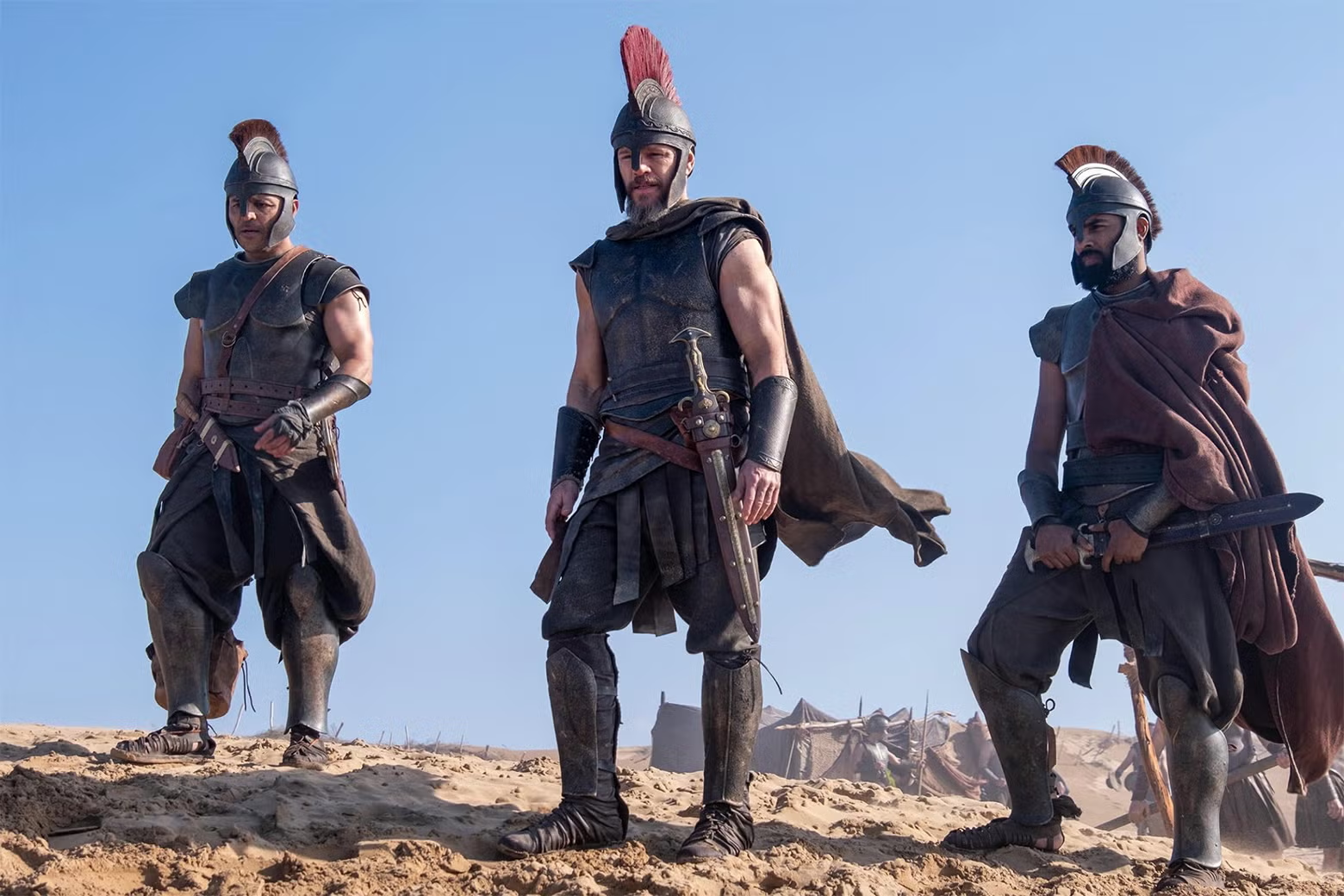
The Fellowship stands before the West-gate of Moria under a cold moon. What began years prior as Bilbo’s playful adventure has become a burden that can break nations. Yet here they are, stalled before a door that refuses to open. Ancient runes shimmer. A single riddle hangs in the air. Gandalf tries everything: languages, spells, authority, anger. Nothing works. The more he exerts his power, the more stubborn the silence becomes.
It is a scene so deceptively simple that we miss what Tolkien is doing.
The gate is the human soul.
The riddle is the question every age must answer.
And the stillness, the waiting, the frustration of the Fellowship—this is what our own hyperactive age looks like.
We look busy. Calendar entries glow. Notifications pop. Tasks get checked off. But inwardly we stand at that same closed door, unsure why it will not budge—unsure, even, of what we are waiting for.
Then, in the story, the answer comes not through force, cleverness, or mastery, but through noticing what was already shining in the stone: “Speak, friend, and enter.”
The password is the word friend.
Tolkien isn’t being cute. He is revealing the structure of reality. A door that cannot be forced is opened by friendship. By communion. Not power, but relationship. Not command, but the posture of a friend.
The moment reads us because we, too, try everything but the one thing the gate requires. The one thing that is ever before us.
The Ache Beneath Our Pacing
Watch the Fellowship standing there: shifting feet, muttering, pacing, anxiously employing techniques that aren’t working. That picture is painfully familiar.
We reach for our phones the way Gandalf reaches for another incantation—out of habit, hoping the next effort will break through the silence. We scroll, not for information, but for reassurance.
We are not solving a riddle; we are avoiding it. Because the real question glowing on our own souls is the one we fear most: Am I known? Am I loved?
Augustine saw it clearly: “Our hearts are restless until they rest in You.” Today, that restlessness hums in our pockets.
Hyperactivity is not productivity; it is a spiritual pacing. A refusal to stand still long enough to hear what the door itself is saying.
What the Gate Teaches About Reality
With the Word on the gate ignored, along with those to whom it refers, Gandalf’s brilliance fails. This is Tolkien’s quiet warning: you cannot improve upon the solution already provided. In so many words, look up in order to see and understand what’s around you.
The world trains us to trust in horizontal strength alone—competence, influence, efficiency, management, money, resources. But the door of Moria refuses to yield to any of it.
The password must be spoken in the right spirit—a recognition of dependence, humility, communion.
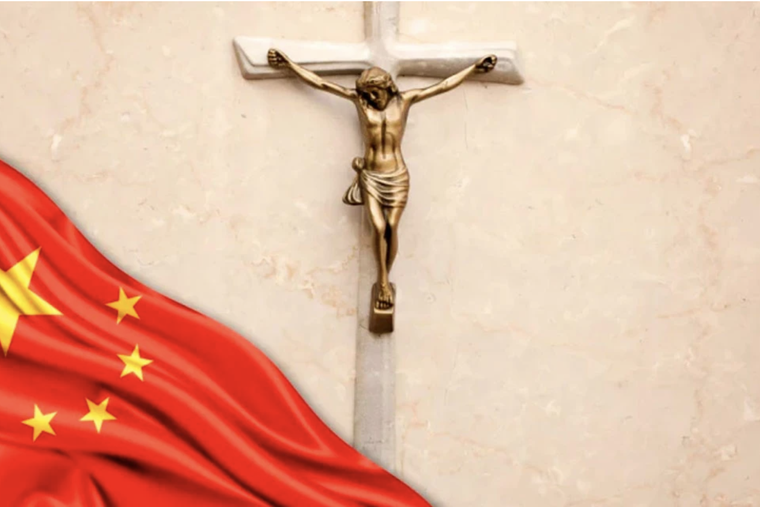
The answer to it all for us, freedom from our languishing, passage to flourishing, is not unlike the answer to Gandalf’s riddle—hiding in plain sight. The cross. Its horizontal beam is everything earthly: family, work, desire, wounds, politics, grocery lists. But it is not elevated; it has no meaning; it cannot accomplish the ultimate for which we are yearning; it cannot stand—unless the vertical holds it aloft.
Without the vertical, the horizontal remains stuck in the mud. Without friendship with God, human striving becomes frantic, brittle, or thin.
At Moria, Gandalf exhausts every horizontal tool—every human attempt to master the moment—before finally surrendering to the Word that was there all along.
The door teaches: reality is structured as divine-human communion. The soul opens by attending to Him who is love, which we then discover in others.
Recovering the Posture That Opens the Gate
Note that all this didn’t happen until the Fellowship finally paused—we might even say, surrendered. Gandalf stopped pacing. The Company became quiet. And in that quiet, the meaning of the inscription dawned.
For us, this is that most pristine silence in the morning, where we choose to recognize the futility of all else without “going vertical.” When all the horizontal world is clamoring for us to pay it homage, like a beast demanding us to be its food, we say, “No, I can’t give you anything without plugging into Him who is everything.”
Stillness is not passivity. It is recognition. It is the soul remembering that the gate will not respond to force but to friendship.
Our lives need that same posture. Not withdrawal from the world, but the courage to stop muttering incantations of busyness. Not mystical escape, but the willingness to let God speak the Word that reveals us to ourselves.
This is the moment the spiritual life actually begins: when we stop trying to pry open the gate and start listening to what is inscribed upon it.
From that posture, gratitude becomes natural, discernment grows sharper, relationships deepen, burdens lose their tyranny, and daily work becomes part of a larger liturgy.
The saints saw the world this way—not because they were naïve, but because they stood still long enough to read what God had written on every created thing.
Friendship: The Doorway into the Kingdom
When the gate finally grinds open, the Fellowship enters together. They step into darkness, danger, and the Watcher in the Water—not safety.
But they do not walk alone.
The password does not guarantee an easy path; it guarantees companionship on the path.
This is the shape of all true friendship, especially friendship with God. It is the narrow doorway through which Christ enters the locked room of the soul. It is the light that steadies the trembling, the presence that turns fear into courage.
It is what we were made for.
And now, as we approach the season of wonder, the Word takes flesh and calls us friends. The Child enters our horizontality—our mud and noise—not with spectacle, but with a whisper. Emmanuel means the gate has opened from the inside.
Return to the Threshold
Picture the scene again: the cold moon, the silent door, the faint glow of the inscription. Gandalf sighs, the Company waits, and the answer is right there.
It always was.
We stand at our own thresholds in these holy days. Dragons roar; shadows lengthen. But fairy tales—Chesterton insisted—do not teach us that dragons exist. They teach us that they can be defeated.
And the first victory is recognizing the Word already spoken to us: “I no longer call you servants…I have called you friends” (Jn. 15:15).
So speak, friend, and enter.
The door stands open.
And the Friend waits within.