


















The Philosopher Hitler Feared Illumines the Sacred Heart
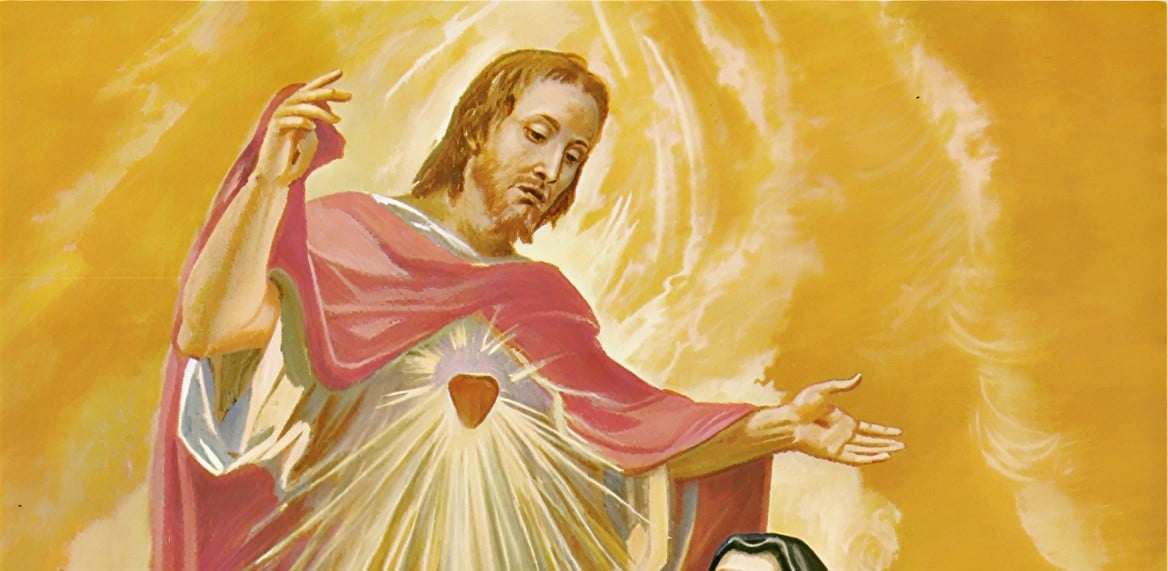
Two of my favorite Catholic days take place in early summer: the feast of the Visitation on May 31st and the Solemnity of the Sacred Heart on a Friday in June (the date varies based on Easter). At first glance, these two devotions are separate. One, a mystery of the rosary, is for Our Lady; the other centers on Christ. Looking closer, however, the two are not so distinct.
A few years ago, Fr. Andrew Hofer, O.P. gave an Advent mission at my parish on the topic of the Hail Mary. In one evening’s presentation, Father shared an insight on Christ’s development in Our Lady’s womb at the time of the Visitation. From the Annunciation on March 25th to the feast of the Visitation on May 31st, nine weeks and four days have passed since Jesus’ conception. Scientifically, we know that the valves of an unborn baby’s heart take shape at week 8 in utero; by 10 weeks, the fetal heart has developed completely. This means that Christ brought His heart, totally formed and overflowing with love for you and me, into the hill country of Judea with Our Lady (see Luke 1:39)!
In light of this, the realities of the Visitation and of the Sacred Heart of Jesus are beautifully interrelated. Although His life was still in an early pre-natal stage, Jesus’ Sacred Heart was fully present to partake in the deep love and joy of this reunion. A heart-to-heart encounter took place not only between Mary and Elizabeth but also between the unborn Christ and His cousin John—causing the prophet to leap for joy.
What was in Jesus’ heart ever since those earliest days of His existence? How do the movements of His heart in His holy humanity reveal His Divinity? A recent Catholic philosopher lets us in on these secrets.
Knowing the Heart of Jesus with Dietrich von Hildebrand
Two popes referred to him as influential enough to be a Doctor of the Church in the twentieth-century. He converted to the faith at age 25, fled Germany because his courageous criticism made him number one on Hitler’s target list, and taught at Fordham University in New York for two decades. His name was Dietrich von Hildebrand.
Dietrich von Hildebrand lived from 1889-1977. His expansive philosophy covered ethics, moral life, aesthetics, love, and much more—even shaping the Church’s stance on marriage, sexuality, and contraception. He was a prominent figure in the school of thought called realist phenomenology, which looks closely at human experience—in a way that is receptive and faithful to reality—in order to know the things of the world as they are in themselves. Additionally, he was a personalist, adhering to the philosophical/theological movement that sought to uphold and respond fully to the human person’s unique value.
Dietrich and his wife Alice truly formed a philosophical power couple: she too was an academic and defended marriage, womanhood, and the value of the human person in her own writings.
In my first college philosophy course, I discovered one of Hildebrand’s most significant works, The Heart: An Analysis of Human and Divine Affectivity. In The Heart, Hildebrand reclaims the importance of the emotions for an authentic understanding of the human person. The heart “is more the real self of the person than his intellect or will,” he writes; thus, our emotions can respond to reality and to values in a meaningful and rational way (Hildebrand, The Heart, 67). Hildebrand spends much of this book explaining his philosophy of human affectivity.
But that is not all that the book contains. Perhaps the best-kept secret of Hildebrand’s writings is hidden in its second part, which is a profound spiritual treatise.
Heart Speaks to Heart
Part II of The Heart is entitled “The Heart of Jesus.” In it, Dietrich von Hildebrand shows that the voice of the heart of Christ, which had begun unfolding from His earliest days in Our Lady’s womb, is written all over the Gospels. “Every word, every parable, his every deed reveals his Sacred Humanity, and through it his divinity” (Hildebrand, 75).
To disclose the many facets of Christ’s holy heart through His teachings, actions, and attitudes, Hildebrand unpacks the Litany of the Sacred Heart of Jesus line by line, making connections to the Gospel. To highlight a few:
- “Heart of Jesus, full of kindness and love” expresses the boundless love woven through the Parable of the Good Samaritan.
- “Heart of Jesus, glowing furnace of charity” points to the tender generosity that prompted Christ’s first miracle at Cana.
- “Heart of Jesus, desire of the eternal hills” ties to the Parable of the Prodigal Son, which is “pervaded by a new, transfigured affectivity,” immersed in the logic of infinite mercy (85).
- “Heart of Jesus, source of life and holiness”—we can meditate on Christ’s interactions with Mary Magdalene and the adulterous woman and how the mysterious power of His mercy and love restore the life and sanctity of a sinful soul.
- “Heart of Jesus, house of God and gate of Heaven” comes forth in Christ’s patient reply to James and John, as He shares with them the humility that reveals heaven.
Oh, How He Loves
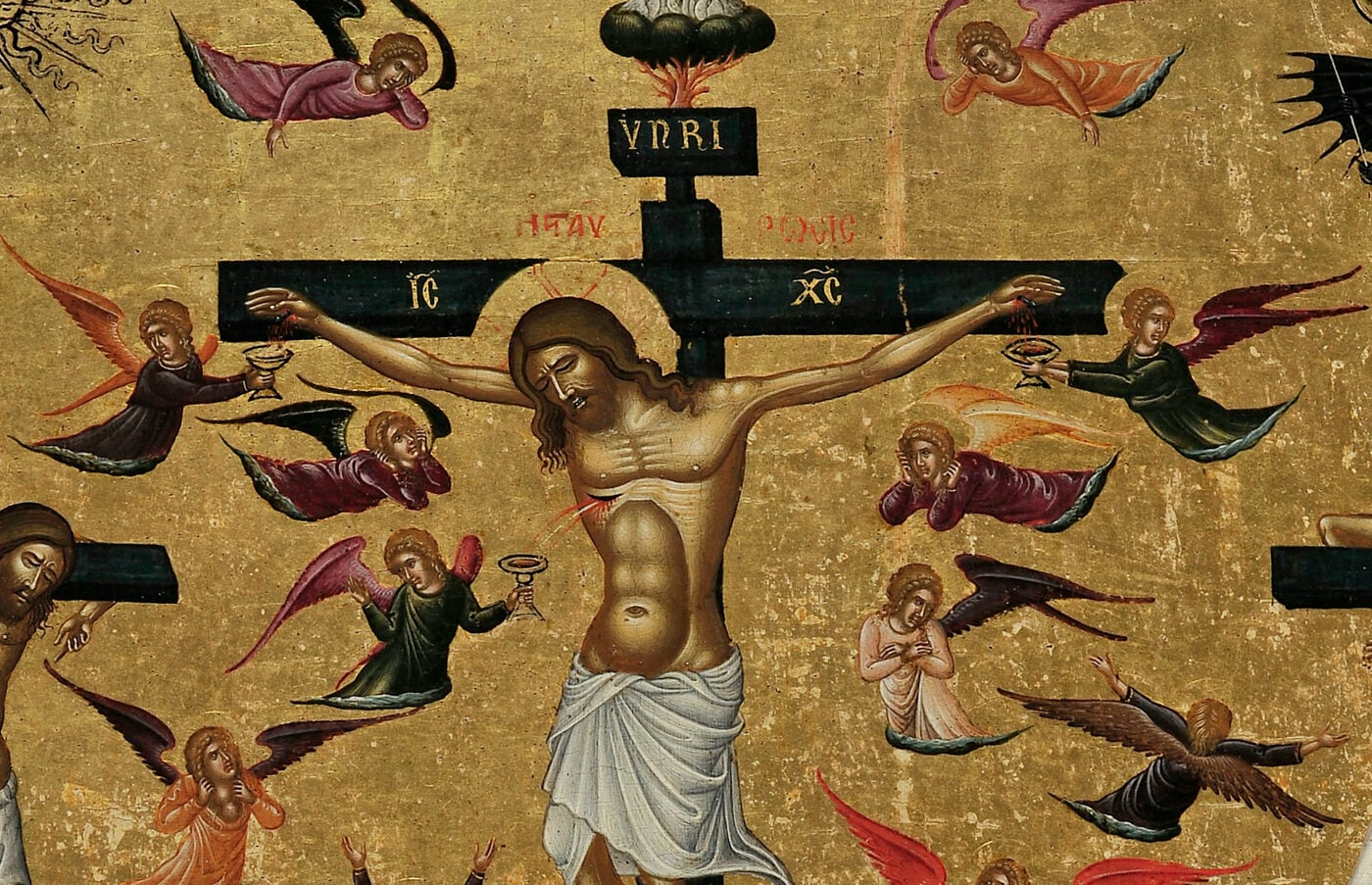
“There is, indeed, a deep and essential relation between the heart and the capacity to suffer, and the entire passion is an unveiling of the secrets of the Sacred Heart” (Hildebrand, 105).
In the second chapter of Part II, Hildebrand focuses on how the mystery of Jesus’ Sacred Heart deepens as His passion approaches. Christ’s divinity resonates more and more amid the infinite sufferings that His holy humanity undergoes, including:
- The great sorrow of predicting His passion.
- Jesus’ tears of grief at “the full experience of the human aspect of death and all its horror” before the tomb of His dear friend Lazarus (101).
- The vulnerability of being wounded by Judas’s treachery and Peter’s personal betrayal.
- Jesus’ words from the cross—of surrender, sorrow, forgiveness, and obedience to His father even unto death—which all “embody an utterance of his Heart” (106).
- The unlimited suffering He experienced while in agony at Gethsemane for man’s sins.
- “The holy joy dwelling in his heart” when He resurrected (110).
Dear reader, I encourage you to pick up this little work of philosophy and spirituality filled with insight into the richness of human experience and the things of heaven. Dietrich von Hildebrand leads us to more fully contemplate the reality of Christ’s great love for us. This same divine love is at the center of the Solemnity of the Sacred Heart, the feast of the Visitation, and much more about Christ than we can imagine. Most importantly, it is the greatest value that calls our hearts to make a reverent response and causes our souls to leap for joy.
Author’s Note: Discover Dietrich von Hildebrand through the Hildebrand Project by signing up for their free 7-lesson email course on his life, legacy, and philosophy. For other excellent spiritual classics by Hildebrand besides The Heart, check out The Art of Living and Transformation in Christ.
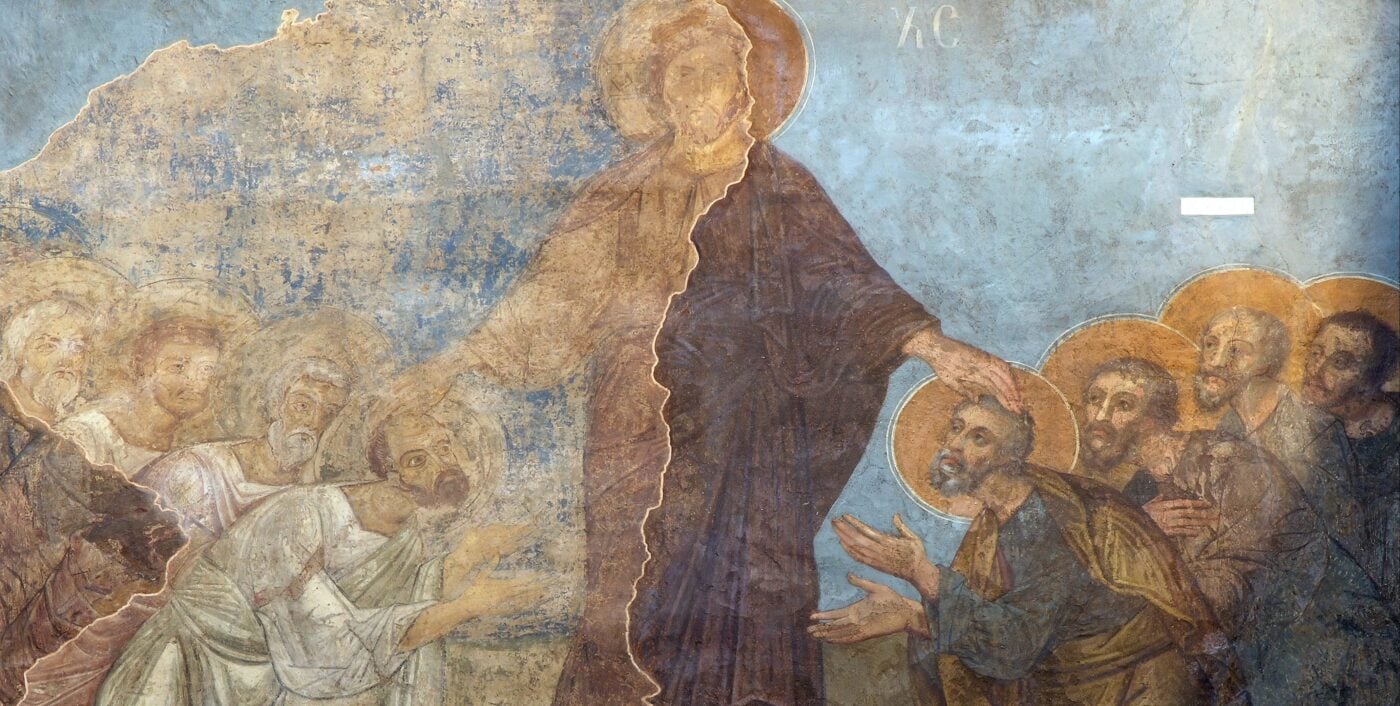
Image from Wikimedia Commons