










The Triumph of the Chaldean Catholic Church
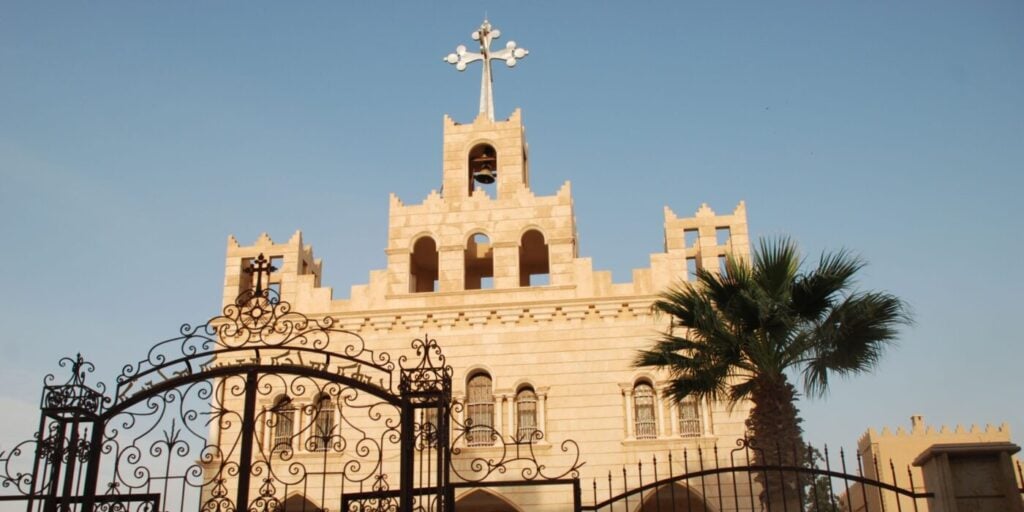
It has been said that the Catholic Church is a community of communities. It is a collection of various groups that share a common communion, but have different traditions, rites, and ecclesiastical focuses. This is one of the strengths of Catholicism: so many different groups can be held together without drifting into tension or schismatic fragmentation. With groups like mendicant orders, the Franciscans, the Carmelites, the Augustinians—they all maintain their own style of discipline and have historically different ministries. Most Roman Catholics are less familiar with the structure of the Eastern Catholic world, which comprises several self-governing Catholic communities that are in union with Rome. In the United States, familiarity with Eastern Catholicism has often been limited to Byzantine communities, particularly the Ukrainian, Melkite, Romanian, and Ruthenian Churches. Historically, these were the largest Eastern Catholic Churches in the United States, largely driven by immigration from Eastern Europe. However, in recent years, one Eastern Catholic Church has expanded by a factor of five: the Chaldean Catholic Church.
The History of the Chaldean Church
To the unfamiliar, the Chaldean Catholic Church has a unique history that spans the centuries, back to the time of the missionary activity of the Apostles. Traditionally, St. Thomas was given the task to traverse Persia and the lands of the east to evangelize in what was then the Parthian Empire. With the legalization and formalization of the Church in the Roman Empire, Persian Christians found themselves outside of the purview of its bishops. Because these communities developed beyond the Roman frontier, they gradually formed an autonomous church community centered in the Persian capital of Seleucia-Ctesiphon. Their institutional independence was reinforced because of the political rivalry between Rome and Persia, since Persian Christians were frequently suspected of sympathy with the Christian Roman Empire.
The Church of the East also conducted missionary activity for several centuries, being the first Christians to bring the Gospels as far away as Ceylon, China, and Mongolia. With the Mongol Conquests of the 13th century, it was badly damaged, and it fell into regular political persecution. In 1552, a faction of the Church of the East broke away and sought to restore communion with the Roman Catholic Church, which was subsequently granted by Pope Julius III. They have remained an sui juris rite within the Catholic communion for the last five centuries, largely operating from their historic homeland in northern Mesopotamia.
Chaldean Liturgy
For a Roman Catholic visitor encountering the Chaldean liturgy, it is both aesthetically familiar and strikingly different. The Chaldean Catholic Church celebrates what is known as the East Syriac Rite, one of the oldest continuously practiced liturgical traditions in the Church. While the Roman Rite developed in Latin-speaking Western Europe, the Chaldean liturgy matured in the Aramaic-speaking lands of Syria, Persia, and Mesopotamia. Even today, portions of the Divine Liturgy are still prayed partially in the ancient Syriac tongue, closely related to the language spoken by Christ Himself. Their chants possess a haunting, almost monastic quality, often sung acapella, without instrumental accompaniment.
Traditional East Syriac churches emphasize the sacred distinction of the sanctuary, that is to say, they are traditionally directed facing the east. Sometimes a curtain is opened and closed during portions of the liturgy to obscure the sanctuary, although contemporary Chaldean church architecture varies considerably. The Eucharistic liturgy, known in the Syriac world as the Holy Qurbana, retains elements that are derived from the first century. Remarkably, the Anaphora of Sts. Addai and Mari is one of the oldest Eucharistic prayers still in continuous use anywhere in the Christian world.
Persecution
For centuries, this ancient Christian civilization of the Chaldeans has survived under successive waves of Persians, Arabs, Mongols, Ottomans, and the modern Iraqi governments. Later centuries of the Iraqi Church witnessed periodic genocides, forced conversions, and discriminatory taxation under various regimes which sought to homogenize the region. During the First World War, many Assyrian and Chaldean Christians were caught up in the wider genocidal campaigns directed against the Christian peoples of the Ottoman Empire. In a period of less than a decade, whole villages disappeared, and survivors fled into the mountains of northern Iraq, Syria, and Persia.
The 20th and early 21st centuries brought no respite for the fate of Iraqi Christians of the Chaldean Catholic Church. For some time, Saddam Hussein and his Ba’athist regime maintained an officially secular state, in which Christians enjoyed greater protections under the law than many governments in the region. However, Iraqi Christians remained a vulnerable minority whose fortunes depended heavily upon the fragile political stability of the Middle East. Following the 2003 American invasion of Iraq, the collapse of the Iraqi state created a power vacuum, in which extremist groups increasingly targeted local Christian communities who were seen as would-be allies of the West. Again, Iraqi churches were bombed, priests were kidnapped, and the ancient Christian neighborhoods of Iraq’s cities were emptied.
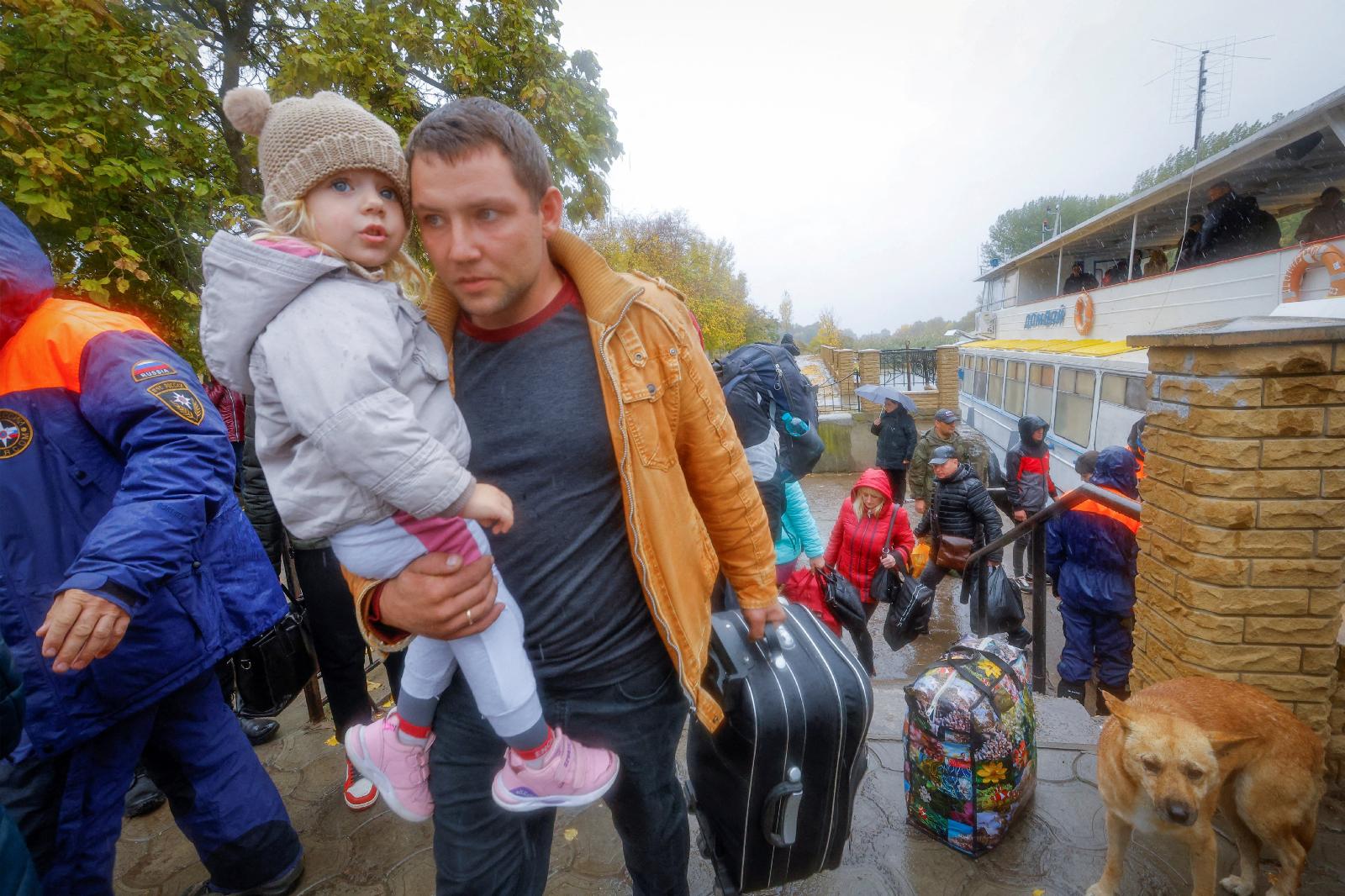
The rise of the Daesh, the Islamic State, in 2014 marked perhaps the gravest crisis in several centuries. Cities such as Mosul and the villages of the Nineveh Plain, which had preserved an unbroken Christian presence since the time of the Apostles, were suddenly, and permanently, depopulated. Families who recited their ancient prayers in Aramaic for generations fled the country with little more than the clothes they carried.
Resurgence in America
It was precisely this tragedy that transformed the demographic future of the Chaldean Catholic Church in the United States. Initial immigration had begun decades earlier, particularly after changes to American immigration laws in 1965 under President Johnson. Detroit emerged as the principal destination of many Middle Eastern because of various employment opportunities in the automotive industry and the affordable cost of housing. This would see the first trickle of the presence of the Chaldean Catholic Church. However, the successive waves of persecution beginning in the early 1990s dramatically accelerated the Iraqi exodus. Tens of thousands of Iraqi Christians sought refuge in the United States, bringing with them their traditions and their ancient faith.
The results have been unprecedented. Before 1990, the Chaldean Catholic Church remained a relatively small presence in American Catholic life. In that year, there were roughly 50,000 members of the Chaldean Catholic Church. As of the last reported census in 2023, there were 252,000. Just the same, the number of priests has expanded four times as well, and the appearance of the Chaldean Sisters, a Catholic religious order founded in Iraq in 1922, has flourished in America in recent years. Parish life is particularly vibrant, with twenty-five parishes in the United States buzzing with regular activity. The Eparchy of St. Thomas the Apostle of Detroit expanded so rapidly that it necessitated the creation of a second American diocese, the Eparchy of St. Peter in San Diego, in 2002. Metropolitan Detroit today is home to the largest concentration of Chaldean Catholics anywhere in the world outside of Iraq.
In many respects, the remarkable growth of the Chaldean Catholic Church in the United States is one of the unsung success stories of modern American Christianity. With so many parishes struggling, and with the sundry challenges that are being encountered in keeping the light of Christianity alive, the Chaldeans are a living testament to the fortitude of an ancient people. It is difficult not to recall the words of the prophet Zechariah, who spoke to a weary people: “Though I scattered them among the nations, yet…I will gather them” (Zech. 10:9–10). The course of history and political chance intended to make the Chaldeans a relic of the past; but that mysterious sustaining providence has instead made them a witness to the majestic Christ and the enduring vitality of His universal Church.
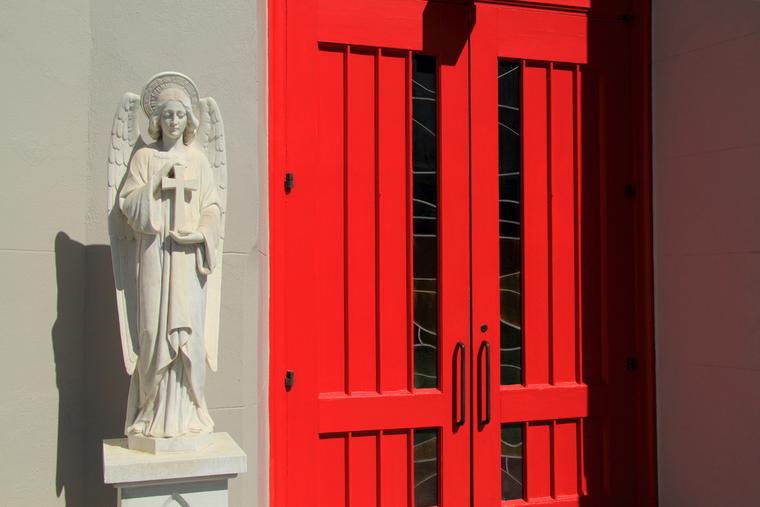
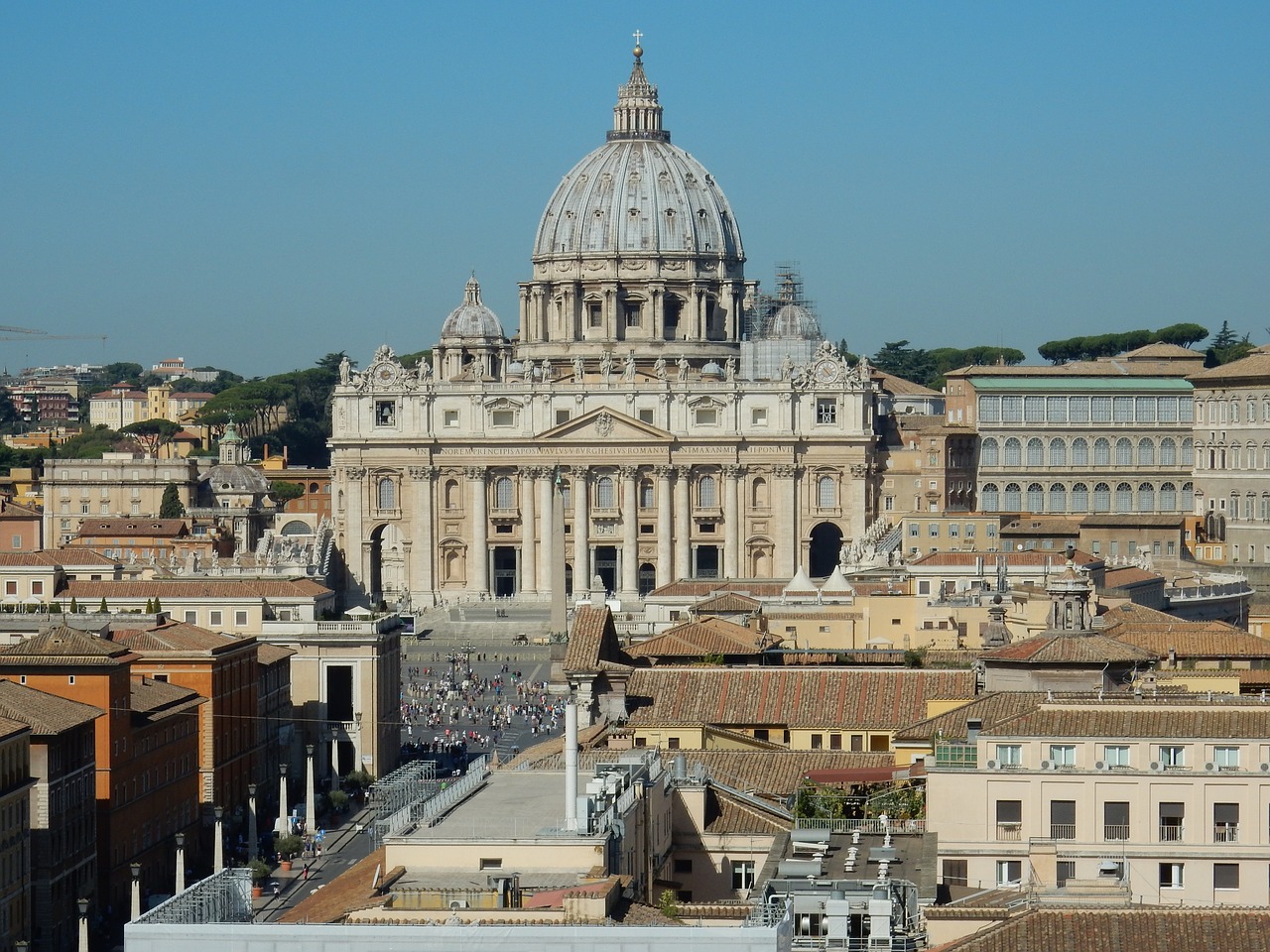
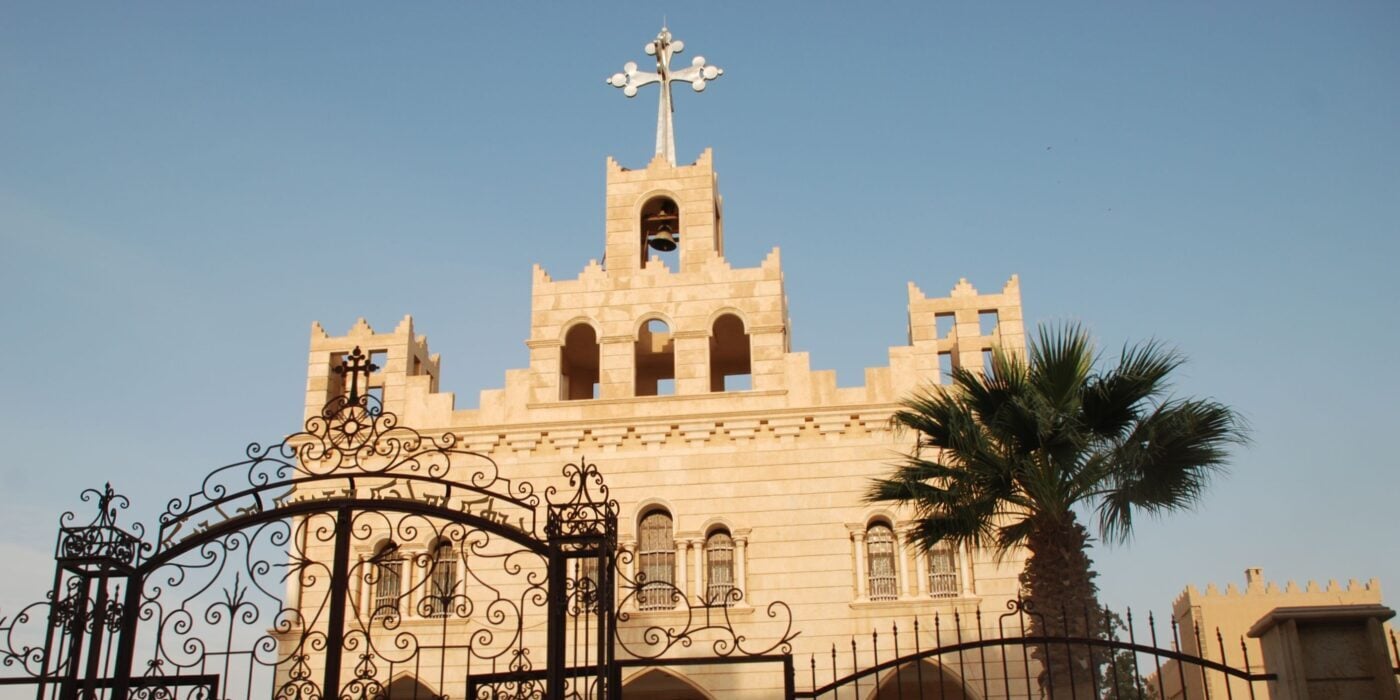
Image by Bertramz on Wikimedia Commons