















The Two Advents—and the Third


Advent is often described simply as the season leading to Christmas—a time of wreaths, candles, carols, and preparation for the celebration of the Nativity. Yet the Church teaches that Advent is far richer than a countdown to a historical event. It is a time to contemplate the multiple “comings” of Christ, to attune our hearts to His presence, and to grow in the patient expectation that has characterized God’s people for millennia.
Catholic tradition speaks of three comings of Christ, each uniquely profound:
- His first coming in Bethlehem.
- His final coming in glory at the end of time.
- His hidden coming into our souls through grace.
These three comings are not separate, unrelated events; they are intimately connected, and Advent calls us to enter into all three, not merely as historical or eschatological concepts, but as living realities in our spiritual lives.
The First Advent: Bethlehem and the God Who Became Small
The first Advent is the one we most easily visualize: God entering human history in the flesh, taking on our humanity through the Virgin Mary. The wonder of Bethlehem is profound because it is at once ordinary and extraordinary: a tiny village, a humble stable, a child swaddled in poverty, yet the Eternal Word—the Creator of the universe—was there.
This coming teaches us that God is a God of humility. He does not force His way into the world through power or spectacle, but through love and gentleness. The shepherds, simple people on the margins of society, were among the first to witness the Incarnation. The Magi traveled far, guided by a star, recognizing God’s presence in a way that transcended earthly power and wealth.
Advent invites us to step into this humility. Like Israel, we prepare our hearts to recognize God not in grandiose forms, but in the quiet, tender moments where He chooses to reveal Himself.
The Final Advent: Christ’s Glorious Return
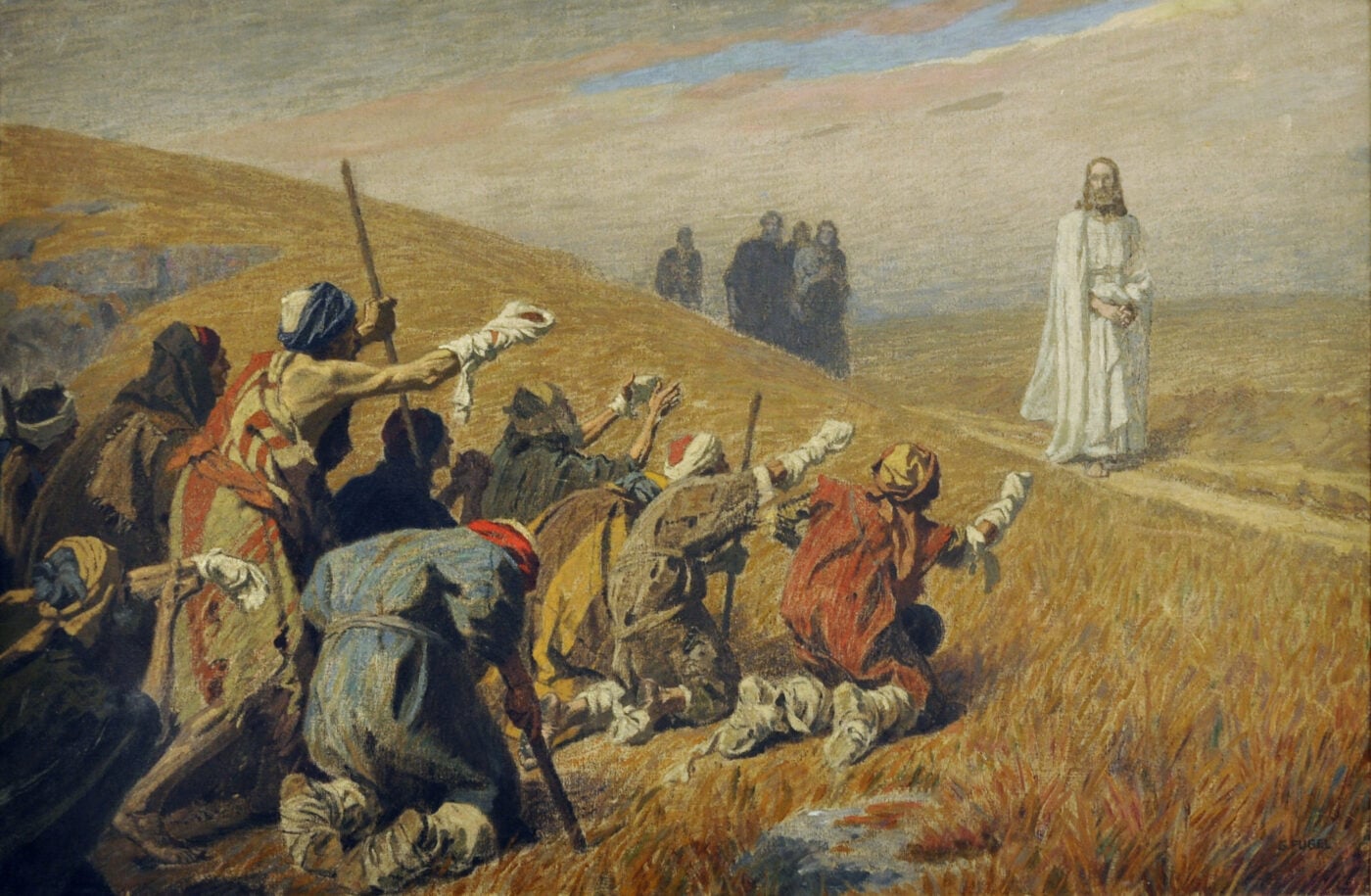
The second Advent, the one of which we often speak at the end of the Church year, is Christ’s return in glory. Unlike His first coming, this will not be hidden. Every eye will see Him; every knee will bow; all creation will be made new. The prophets spoke of this day with awe and fear, understanding that it will bring both fulfillment and judgment.
In Advent, we are called to live in hope and vigilance. The readings repeatedly remind us: “Therefore, stay awake—for you do not know on what day your Lord will come” (Mt. 24:42). This coming challenges us to examine our lives, to live in readiness, and to maintain a holy attentiveness, not out of fear, but out of love for the One who redeems.
The final Advent is not distant in the sense that we should ignore it, but distant in the sense that it cannot be rushed or forced. Waiting is a spiritual discipline; it trains our hearts in patience, in hope, and in trust.
The Third Advent: The Hidden Coming in Grace
Between the grandeur of Bethlehem and the awe of Christ’s final coming lies a more subtle, yet equally profound reality: Christ comes to us here and now, in hidden ways. This third Advent is His daily coming into our souls through grace. It is less visible than a star or angelic chorus, but no less real. It is Christ in prayer, Christ in the Eucharist, Christ in the poor, Christ in the quiet stirrings of our conscience.
This hidden coming is both ordinary and miraculous. He comes in the stillness of a quiet room when we sit before the Blessed Sacrament. He comes in the gentle prompting of the Spirit when we are faced with a moral choice. He comes in the suffering of the needy, asking us to see Him in faces often overlooked by the world. And like Bethlehem, He comes quietly, tenderly, without force, waiting for our hearts to make room.
Advent reminds us to cultivate awareness of these hidden comings. They require attentiveness and interior openness. Unlike the visible advents, these hidden moments can be easily missed. Yet they are opportunities to encounter Christ intimately, to receive His grace, and to allow Him to transform us from within.
Waiting in Darkness: The Call of Advent
All three Advents share a common thread: waiting. Israel waited for centuries for the promised Messiah, enduring oppression and hardship with hope. Similarly, Christians today are called to live in a state of watchfulness, expectation, and receptivity.
Waiting in Advent is not passive. It is active, contemplative, and transformative. It requires reflection, prayer, and the willingness to confront the obstacles in our hearts that prevent Christ from entering fully. These obstacles may be fear, sin, distraction, or preoccupation with the temporal world. Advent asks us to prepare a dwelling within our souls, so that Christ can come—not only as a historical figure or as a distant judge, but as a living, transformative presence.
Practical Ways to Embrace All Three Advents
To live Advent fully, we can cultivate awareness of each coming of Christ:
- Remember Bethlehem: Reflect on the humility of Christ’s birth. Seek simplicity, charity, and self-emptying in your daily life.
- Anticipate the Final Coming: Live with hope, examining your life in light of eternity. Perform acts of virtue and devotion that prepare your soul for Christ’s return.
- Welcome the Hidden Christ: Make space for God’s quiet, daily visitations. Regular prayer, reception of the sacraments, and attention to the suffering of others are ways to encounter Him now.
Even small practices—lighting the Advent wreath, silent reflection before the Eucharist, visiting the poor, daily scripture reading—become profound acts of anticipation when we do them with awareness of all three comings of Christ.
Advent as Transformation
Advent is not merely a season on the Church calendar; it is a spiritual journey, inviting us into the mystery of Christ’s multiple comings. By reflecting on the first, final, and hidden advents, we enter into a richer, deeper experience of waiting and preparation. We come to see that Advent is not just about a historical event or a distant promise—it is about encountering the God who draws near to us even now.
As we light our candles, read the prophetic texts, and pray with Mary’s heart, let us ask: Where is the Lord trying to come into my life today? How can I welcome Him more fully? In doing so, we allow Advent to become more than a prelude to Christmas. We allow it to become a season of interior transformation, of grace received, of hope renewed.
Christ has come, Christ will come, and Christ comes still. Our task is to watch, to wait, and to make ready our hearts for the God who never ceases to approach.
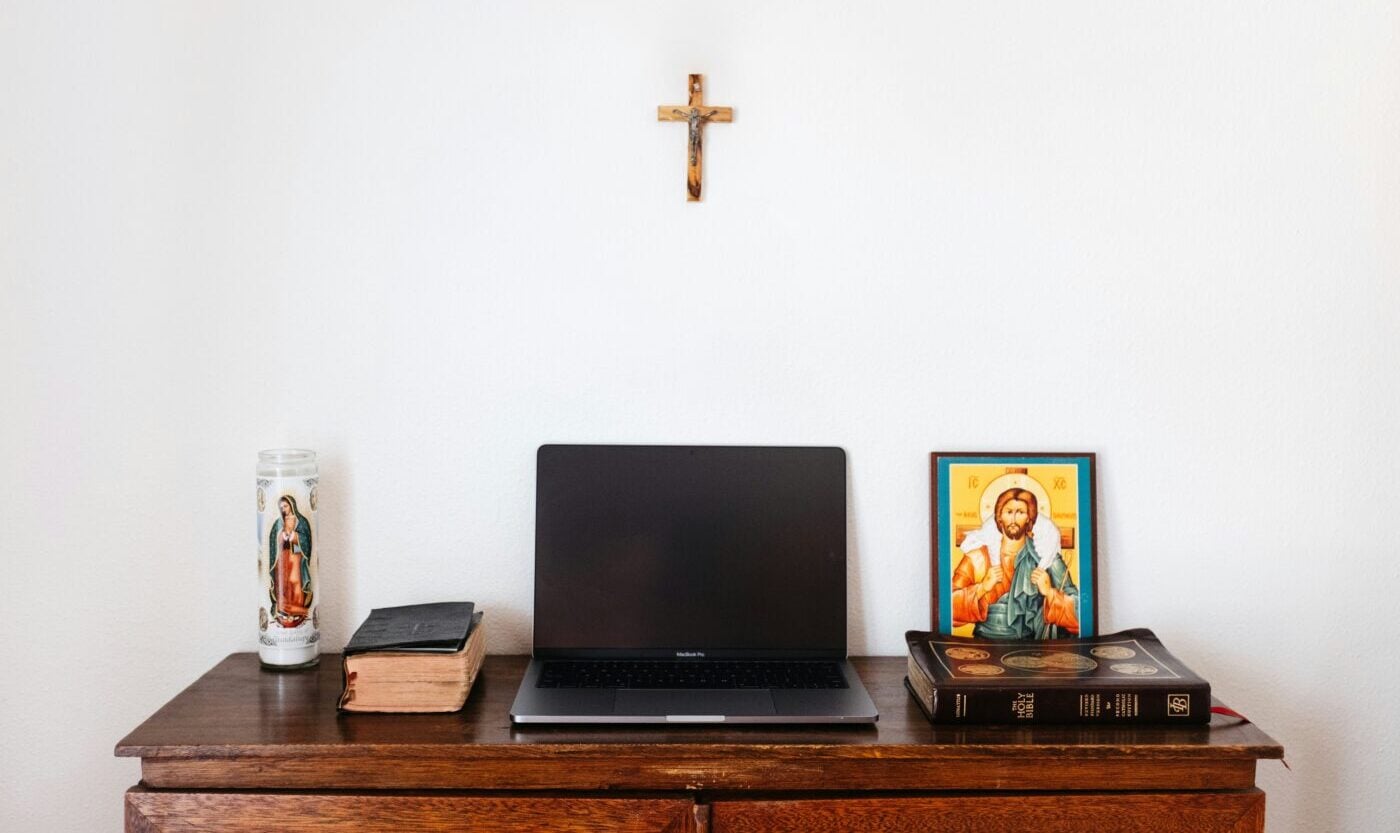
Photo by Grant Whitty on Unsplash