


















‘Underbelly of the AI industry’: Panel explores data centers’ ecological, economic impacts

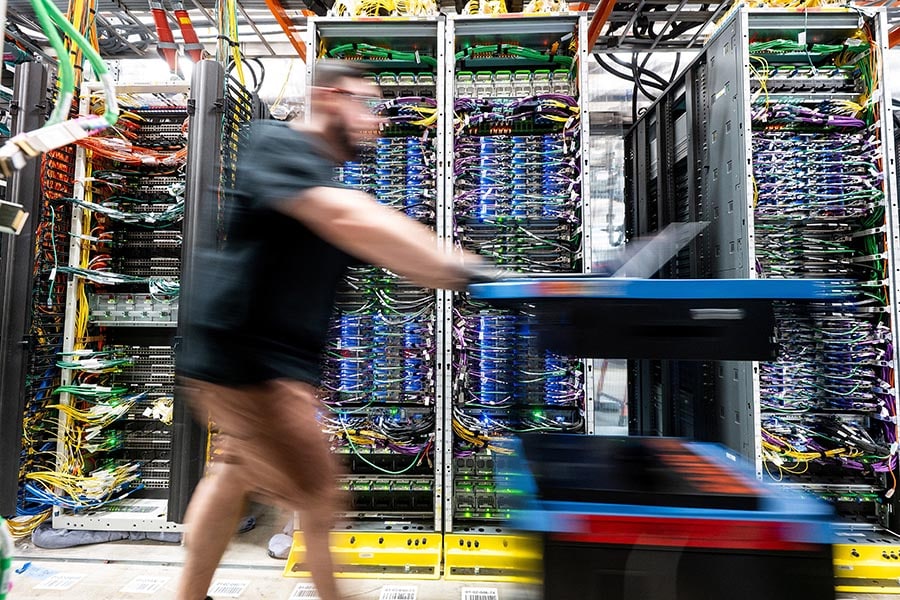
WASHINGTON (OSV News) — If you’re reading this article online, you’re making use of a data center.
Same if you send email, stream a movie, use an online “assistant” or store something in the “cloud.” Computer servers, data storage systems and networking equipment make the internet run.
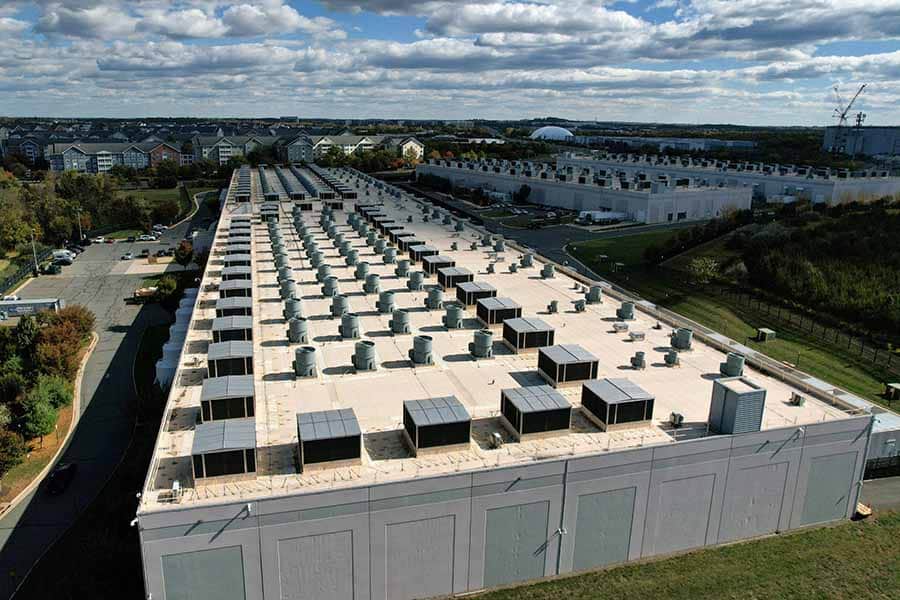
But the explosion of massive data centers to handle the increasing generative demands of artificial intelligence have placed high demands on both power and the water used in cooling systems — millions of gallons per day — and low-income communities have typically endured the brunt of the air pollution they create.
This was the topic of a March 5 webinar, “The Growing Impacts of Data Centers on Our Neighbors and God’s Creation,” hosted by the Washington-based Catholic Climate Covenant.
“Shared resources are being squandered,” said Amanda Garcia, a senior attorney with the Southern Environmental Law Center.
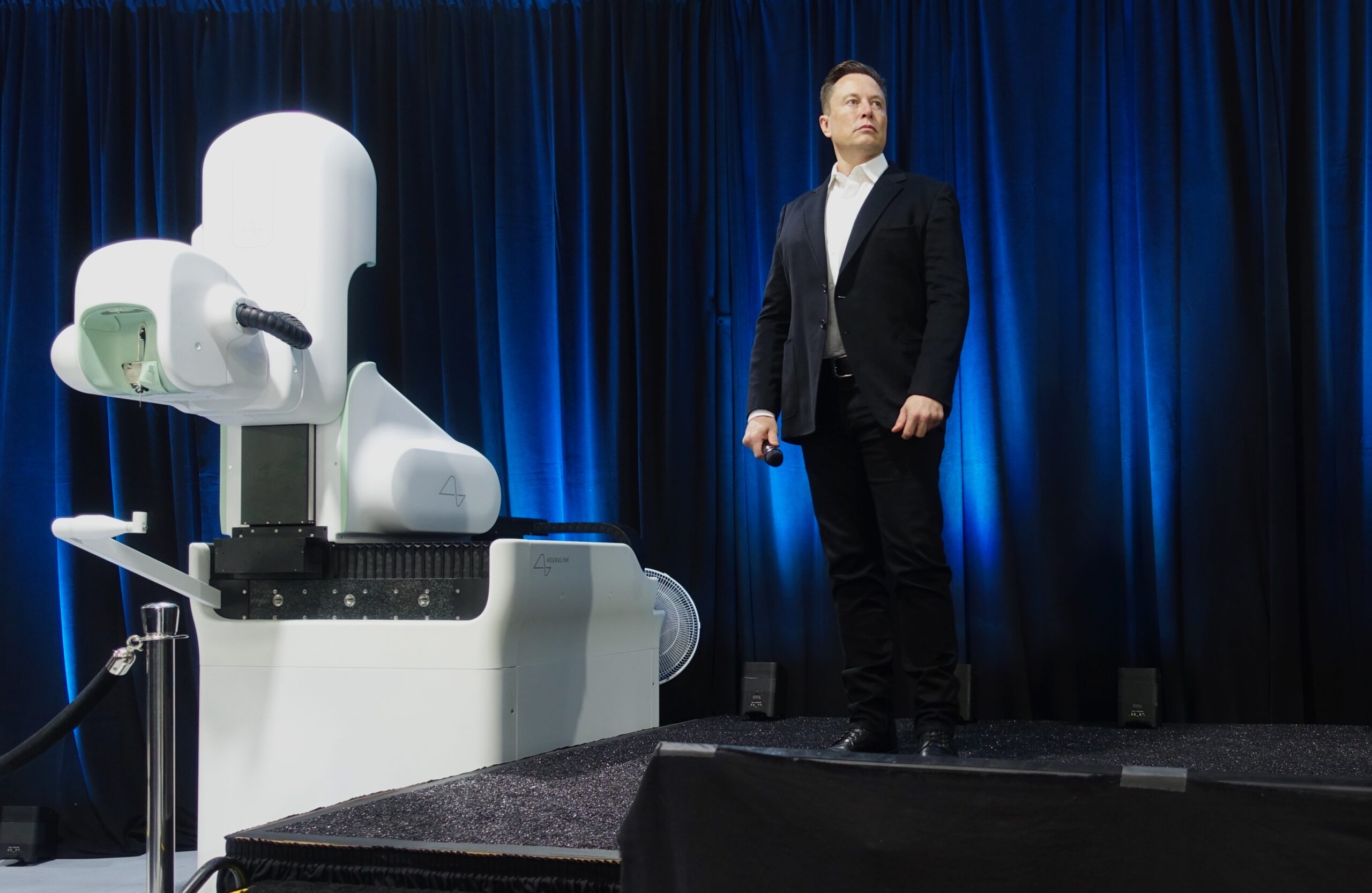
Her example was Colossus, the powerful training computer for the Grok program built by X.Ai, a subsidiary of SpaceX, the company founded by billionaire entrepreneur Elon Musk, the world’s richest man. To generate power at its Memphis, Tennessee, data center, the company was going to install 35 methane-powered turbines, which create particulate pollution. It finally got city permits for 15 turbines, but simply moved others to nearby Southaven, Mississippi, where residents have since woken up to the roar of turbines day and night.
“It turned out X.Ai just wheeled the turbines across the border to set things up,” Garcia said.
Garcia’s organization sued on behalf of the NAACP, claiming that the turbines would create illness, and in turn, missed days of work from air pollution. The NAACP has established a “Stop Dirty Data Centers” campaign.
She called X.Ai “a stark example of the unreasonable demands data centers are putting on communities.”
“We still don’t know where X.Ai will be getting water for its second data center,” Garcia added.
According to the Pew Research Center, more than 4,000 data centers are in the United States, including those both in operation and under development. A third of these data centers are in just three states: Virginia, 643; Texas, 395; and California, 319.
A recent report from Jones Lang LaSalle , a corporate analysis firm, concluded that Texas, when viewed as a single market, could overtake Virginia’s northern suburbs as the world’s largest data center market by 2030.
In the United States, the Pew report stated, data centers consumed 183 terawatt-hours of electricity in 2024, according to estimates by the International Energy Agency. That was more than 4% of the country’s total electricity consumption for the year. According to a 2024 analysis by the investment firm Goldman Sachs, data centers will use 8% of American power by 2030, compared with 3% in 2022.
Webinar speaker Ann Bennett, chair of the Sierra Club Virginia Chapter’s Data Center campaign, called the data centers “the underbelly of the AI industry, attracted in Virginia by cheap power and by not having to pay sales taxes on the equipment they purchase. Diesel generators in use produce both soot and excessive noise.”
Another speaker was Robin Lewis, director for climate equity at Washington-based Interfaith Power and Light, an affiliate of the national organization of the same name. The Washington group works with hundreds of congregations of all faiths across Maryland, the District of Columbia and Northern Virginia “to save energy, go green and respond to climate change.”
Lewis said faith leaders in all denominations should examine the toll taken on the environment and lives by the expansion of data centers, putting “people over profit.”
“Creation is not ours to ruin. It’s ours to steward,” she said. “We must bring community wisdom to the conversation.”
It was the second consecutive AI webinar by Catholic Climate Covenant. Last year’s “AI’s Sustainability and Climate Challenges” was spurred by “Antiqua et Nova” (“Ancient and New”) published Jan. 28, 2025, by the Dicastery for the Doctrine of the Faith and the Dicastery for Culture and Education, and approved by Pope Francis.
That webinar dealt with AI’s anthropological and ethical implications, observing that AI “is predictive, replicative and relies on pattern recognition” and “is not capable of moral judgment.”
“Antiqua et Nova” states, “The Church is particularly opposed to those applications that threaten the sanctity of life or the dignity of the human person. Like any human endeavor, technological development must be directed to serve the human person and contribute to the pursuit of greater justice, more extensive fraternity, and a more humane order of social relations, which are more valuable than advances in the technical field.”
The document warns, “Current AI models and the hardware required to support them consume vast amounts of energy and water, significantly contributing to CO2 emissions and straining resources.”
Pope Leo XIV has expressed interest in the topic of artificial intelligence and the dignity of work since the first week of his pontificate. Most recently, he reminded priests not to use AI to write their homilies.
Read More World News