





![St. Anthony Clare—When it is time for me to leave [the Eucharist], …](https://www.catholicdigest.com/wp-content/uploads/2025/12/15-1024x538.png?#)



Velcro bulls, and the news

Hey everybody,
It’s Wednesday, and you’re reading a brief Tuesday Pillar Post — because I was, until last night, at Cub Scout camp for a couple of days with my son. If you get the chance, go to Cub Scout camp with an 8-year-old. Through an eight-year-old’s eyes, every corny skit is hilarious, every night sky is magical, every BB gun range is a chance to live the Old West.
But however much my son loved it, he has a discerning enough palette. Halfway through camp, he pulled me aside, and alerted me to a critical fact: “Dad. Just so you know — the food here is terrible.”
He’s right, of course. It’s not too good. But camp is joy and suffering, all at once, I suppose.
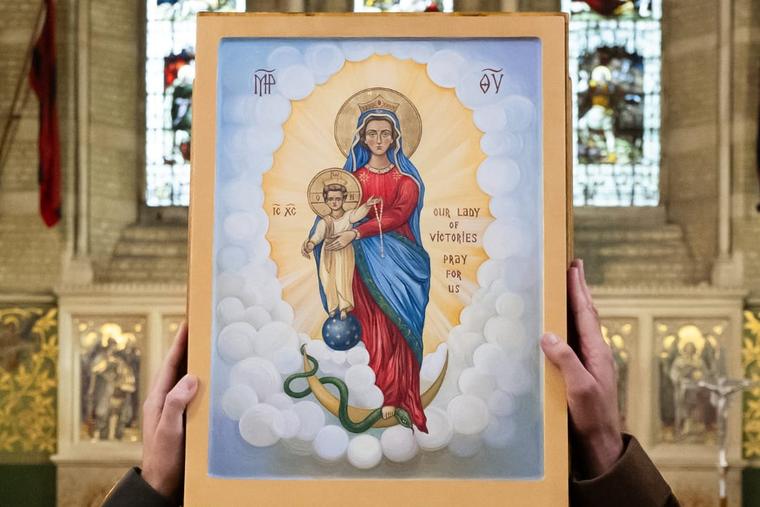
Anyway, the Church celebrates the Feast of Our Lady of Mount Carmel, the day on which St. Simon Stock, a 13th century Carmelite superior introduced devotion to the brown scapular.
It’s also the 797th anniversary of St. Francis of Assisi’s canonization, just two years after the saint’s death.
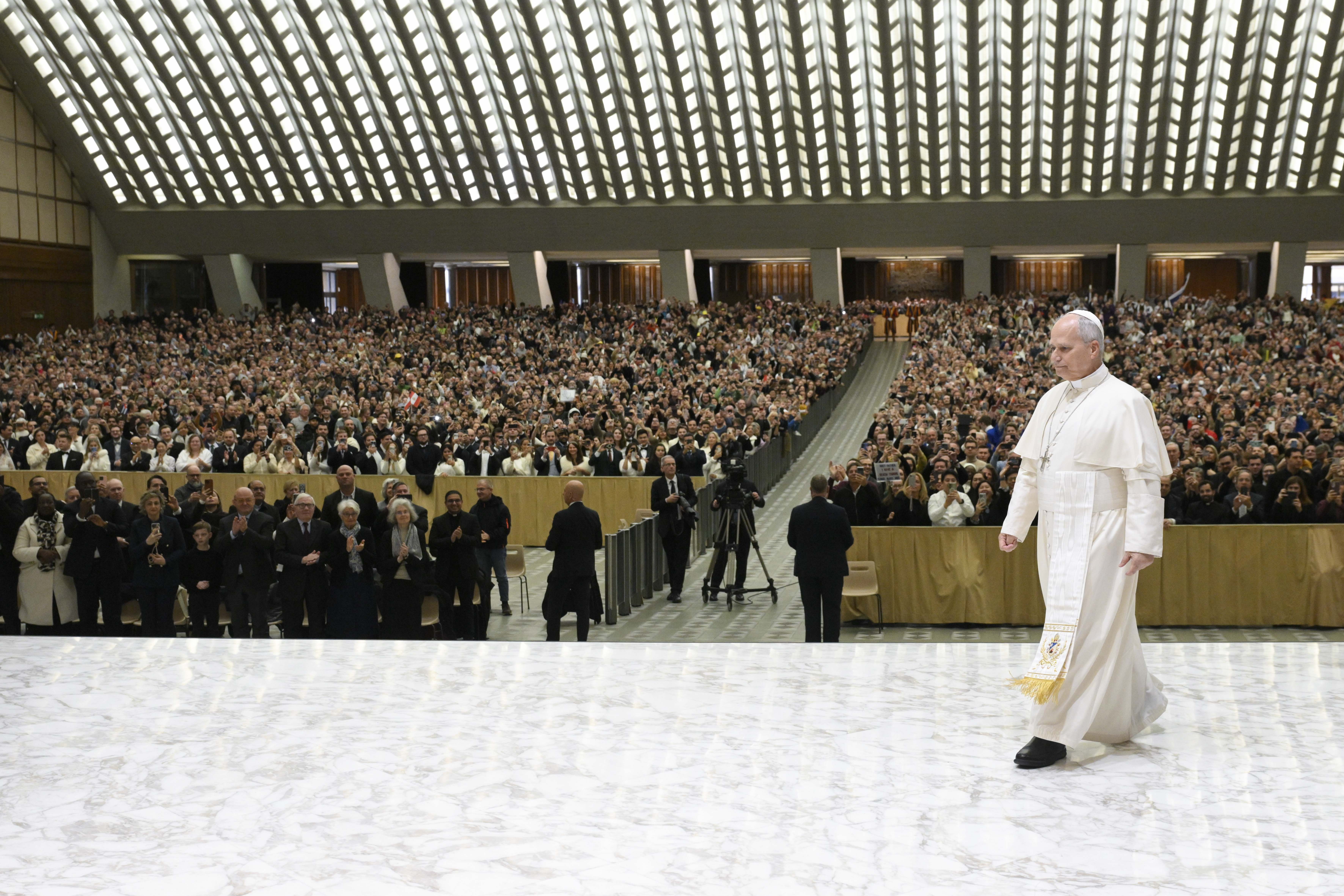
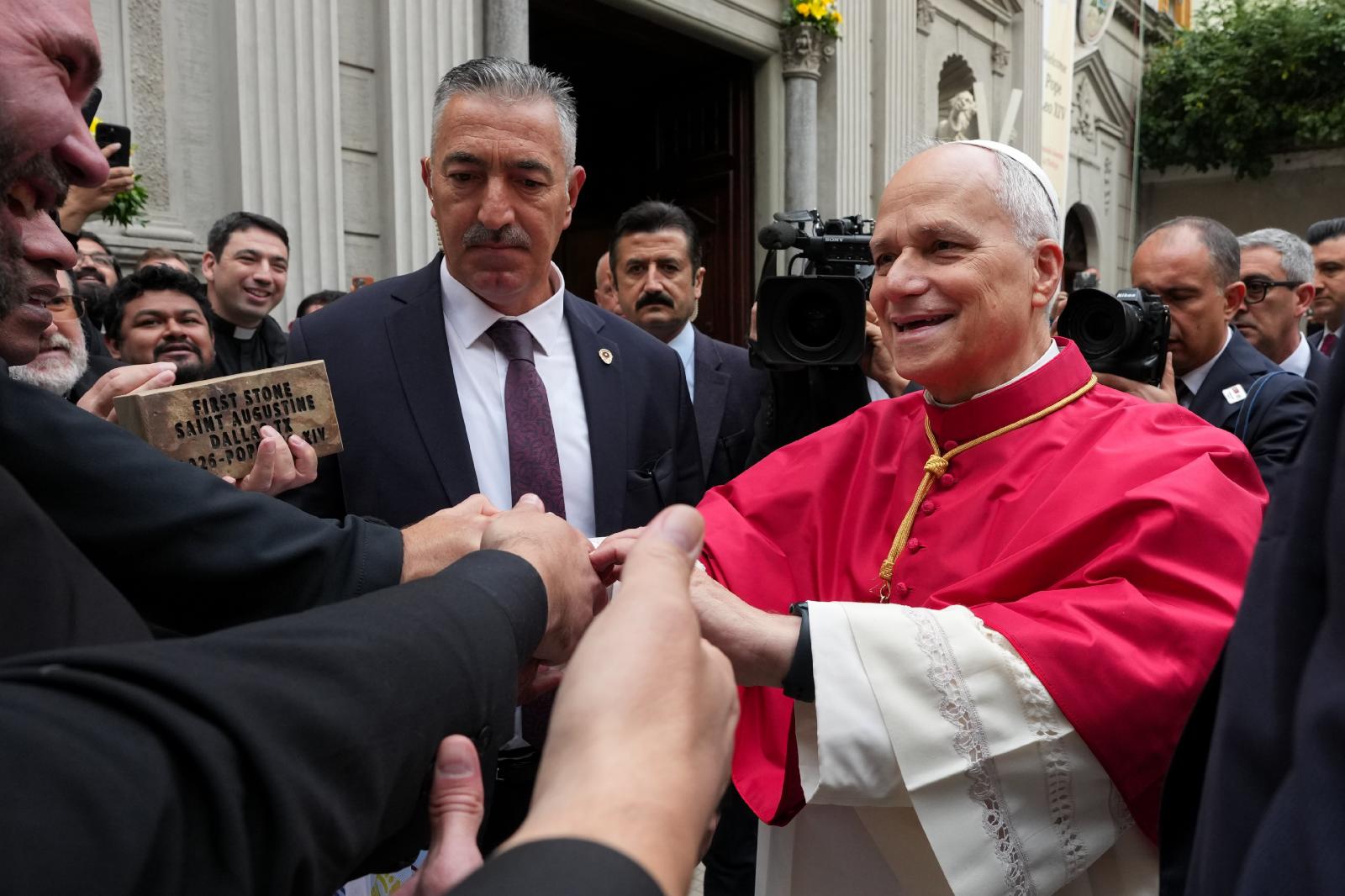
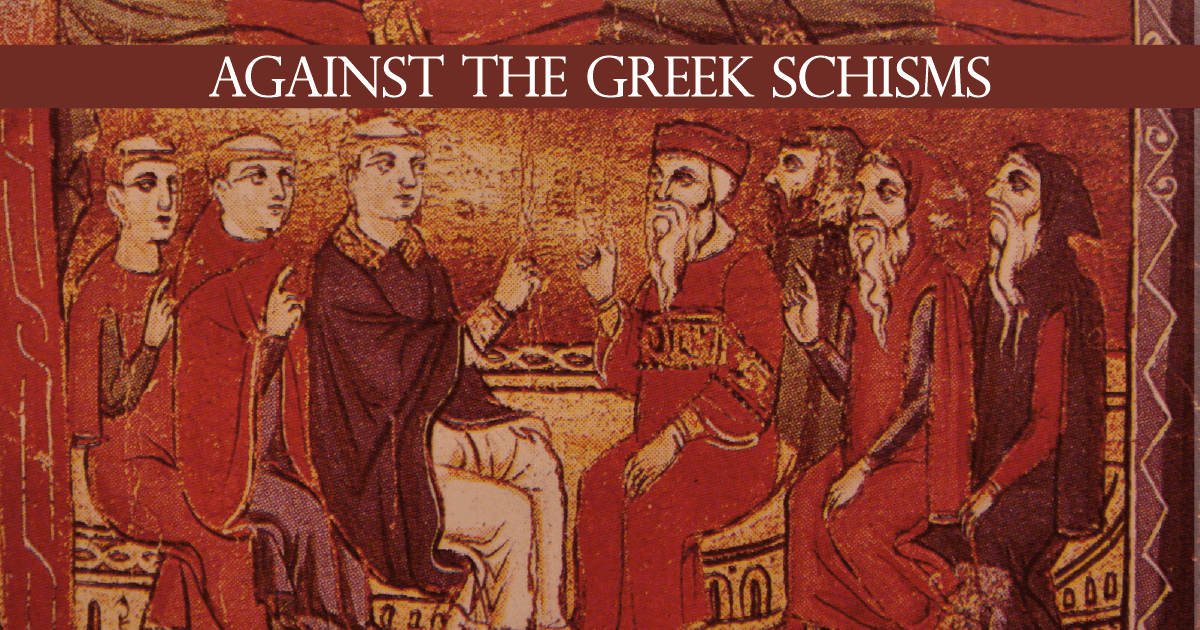
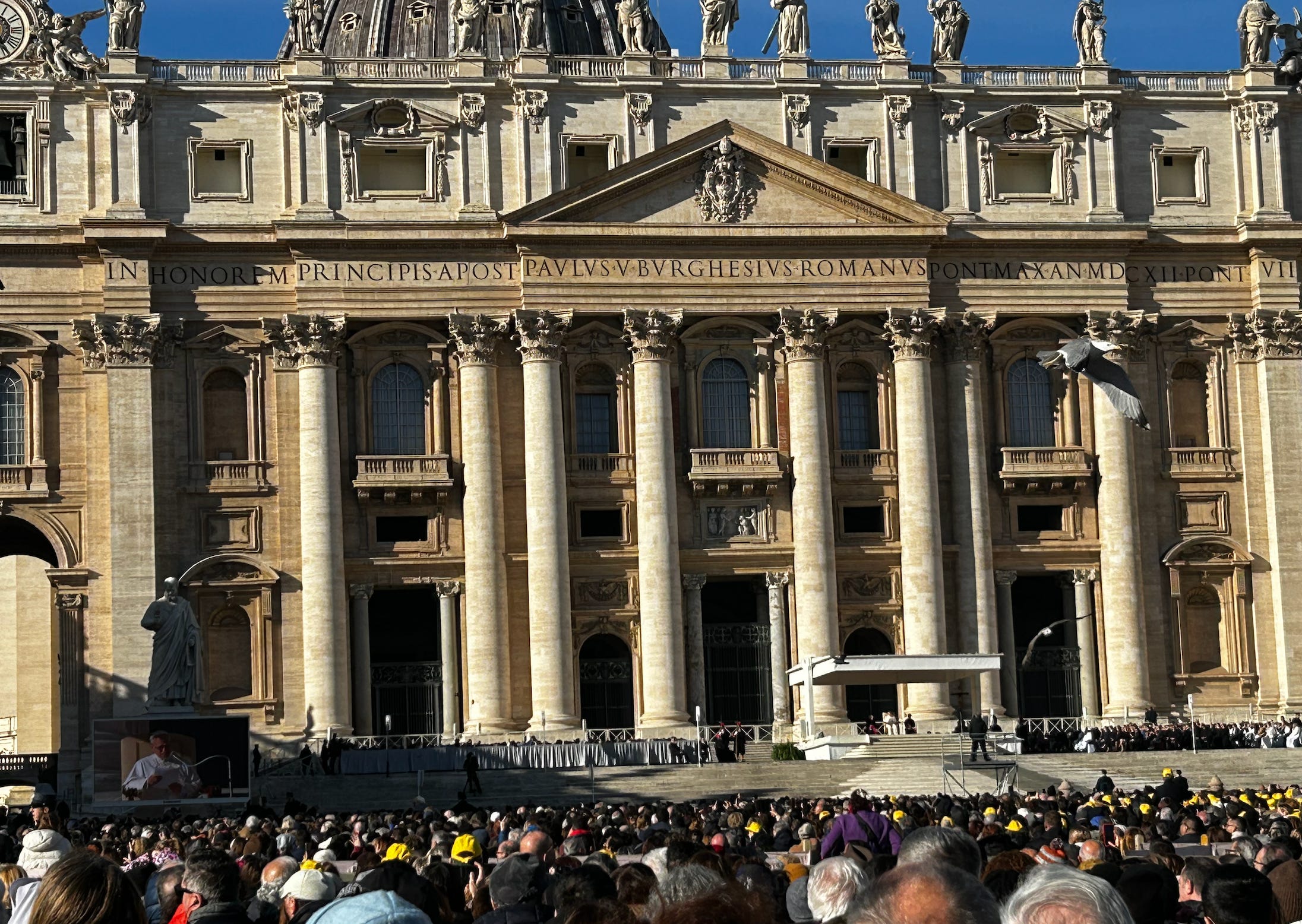
And it’s the anniversary of the day in 1054 when the excommunication was issued that formally kicked off the Church’s Great Schism, for reasons that were a mixture of faith, politics, and personalities, all at once. Pope Leo thinks we can move past that schism, into a new era of ecclesial unity, a decidedly new chapter for the Church.
If I’m honest, I really can’t see it — I can’t imagine how that kind of unification would actually work, and I can’t imagine the Orthodox affirming the doctrinal definitions of Vatican I, barring some very new interpretations of them. But it’s something we should all read more about, especially ahead of the pope’s planned pilgrimage with Orthodox Ecumenical Patriarch Bartholomew I to Nicea this November.
Anyway, here’s the news.
The news
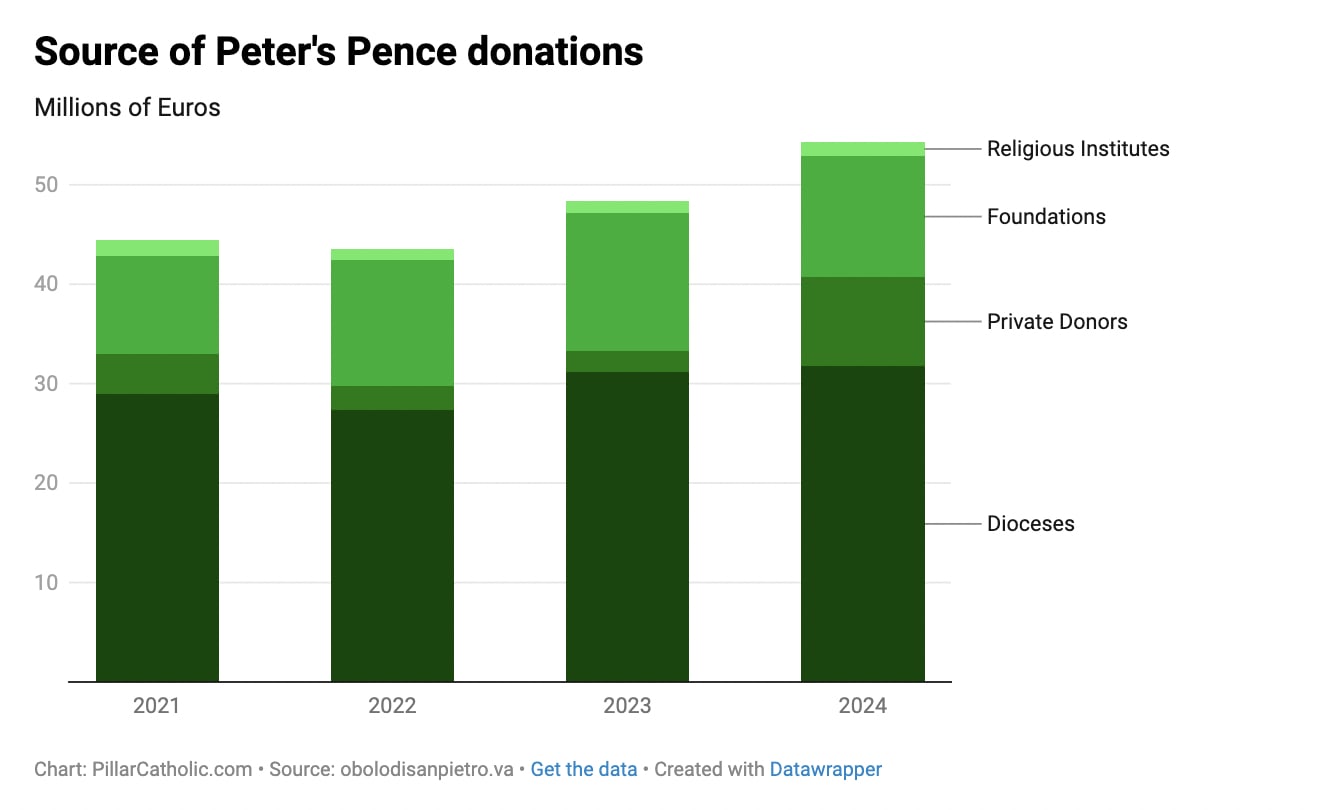
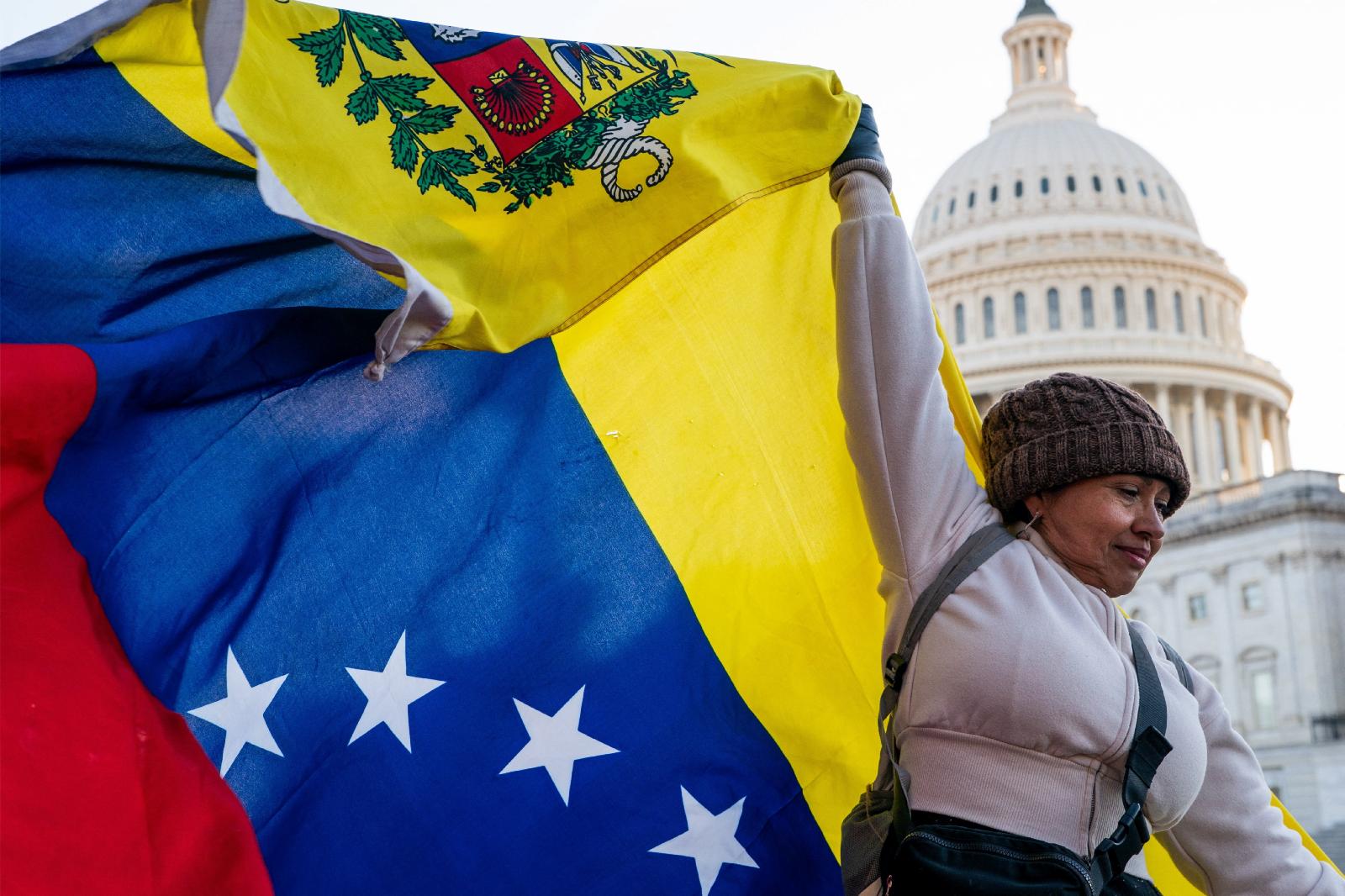
The United States, which has contributed, on average, 38% of donations over the last four years, with Italy supplying 10%, France contributing 8%, and South Korea contributing 6%.
—
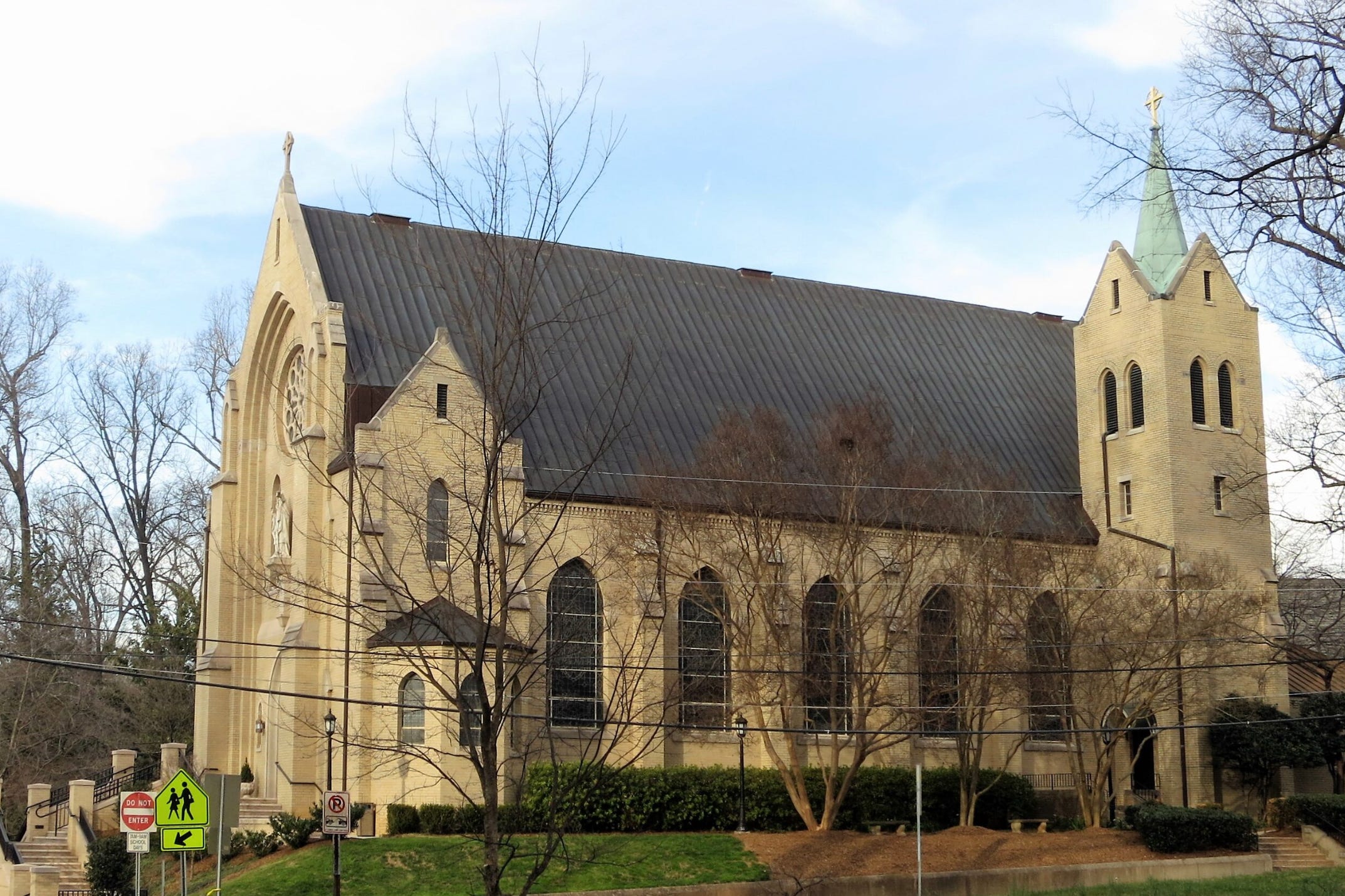
A Lima priest accused of sexual misconduct requested laicization this month, after The Pillar reported allegations that the Lima archdiocese had mishandled the allegations against him.
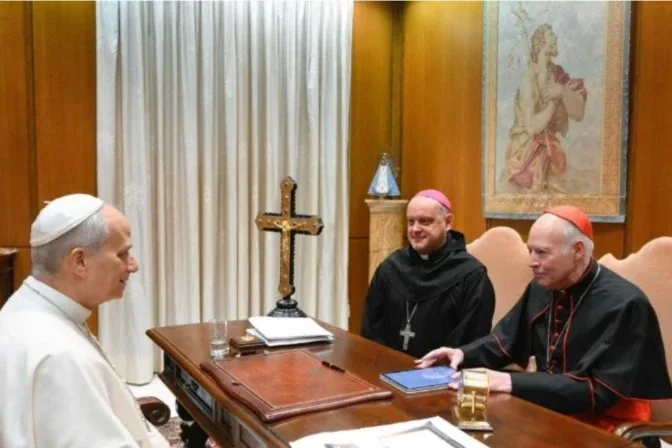
Meanwhile, as Cardinal Carlos Castillo faces criticism, the cardinal has told Catholics he enjoys the confidence of Pope Leo XIV, and expects to remain in office for five more years — lamenting that a group of “killjoys” and “Pharisees” have raised questions about his leadership in the Lima archdiocese.
Here’s the latest. And here it is in Spanish.
We’ve actually written about the relationship between bullfighting and the faith before — but this week, Filipe D’Avillez took a deep and fascinating dive on the subject.
Like, did you know that bullfighting is legal in California under a religious freedom exemption? And that in the state’s Central Valley, “bloodless bullfights” are held, where bullfighters tag the bulls with Velcro spears, which have to land on a Velcro pad taped to the bull’s back?
Read about that, and more, in this fascinating account. And then let me know in the comments whether The Pillar should attend the October bullfights in California.

For the past 28 years, Logos has brought together scholarly authors and eager readers to engage with the beauty, truth, and vitality of Christianity as it is rooted in and shaped by Catholicism. Published by the Center for Catholic Studies, University of St. Thomas (MN). Read/subscribe via Project Muse or PDC.
That means some communities are facing a dire future.
And on the whole, the numbers are fascinating: In the 1970s, there were 2,500 more men in U.S. religious orders or provinces than in U.S. diocesan presbyterates. By 2015, diocesan priests in the U.S. outnumbered their religious counterparts by 8,000.
So what are religious vocations directors doing?
It’s a good question. Here’s what they said.
“The assumption that human dignity applies everywhere where human life exists is a biologistic-naturalistic fallacy,” Frauke Brosius-Gersdorf wrote in 2024.
While a pro-abortion German jurist is not entirely unusual, something else in this story is. Catholic opposition to her nomination led Germany’s legislature to postpone a confirmation vote after it became clear that Brosius-Gersdorf would struggle to gain the two-thirds majority necessary for confirmation to an influential post on the Federal Constitutional Court.
So what’s it like being a young deacon? Jack Figge decided to find out. Here’s what he learned.
—
A controversial incident involving Archdiocese of Denver seminarians and a seminary administrator has become a source of division in the archdiocese, with some clerics saying it was mishandled by archdiocesan leaders, and others saying it was a harmless incident. The priest at the center has apologized, and said that while the incident was intended as a prank, he took responsibility for what happened.
Nota bene: Owing to pre-existing relationships and other circumstances which could constitute a potential conflict of interest, neither I nor Michelle La Rosa were involved in the reporting or editing of this story, which was reported by Ed Condon and edited by Luke Coppen.
Nearly 23 million Indians are Catholic, putting India among the top 20 countries with the largest Catholic populations. For comparison, that’s more than the Catholic populations of Belgium, Ireland, and Portugal combined.
But despite the Indian Catholic community’s relatively large size, Catholics are a tiny and vulnerable minority within a population that is 80% Hindu, 14% Muslim, and only 2% Christian.
—
This is a short newsletter, because I was away, and I don’t want to keep you waiting indefinitely for it. I’ll be back next week with the real McCoy.
Thanks for reading The Pillar. Please be assured of our prayers, and please pray for us. We need it.
Yours in Christ,
JD Flynn
Editor-in-chief
The Pillar
For the past 28 years, Logos has brought together scholarly authors and eager readers to engage with the beauty, truth, and vitality of Christianity as it is rooted in and shaped by Catholicism. Published by the Center for Catholic Studies, University of St. Thomas (MN). Read/subscribe via Project Muse or PDC.
What's Your Reaction?
 Like
0
Like
0
 Dislike
0
Dislike
0
 Love
0
Love
0
 Funny
0
Funny
0
 Angry
0
Angry
0
 Sad
0
Sad
0
 Wow
0
Wow
0