




















Why We Feel Unworthy and How to Overcome It


I often ask young people whether they have considered a call to religious life or the priesthood. One of the usual responses I get is, “I don’t feel worthy of such a vocation.” These usually come from people who claim they are God’s beloved children.
If we truly believe that we are children of God, then why do we give in to this feeling of being unwanted, rejected, and undesirable? Why do we condemn ourselves to being unworthy of love from God or others, of a good life, hope, holiness, forgiveness, grace, heaven, or even a beautiful vocation in the Church? Where is this loud, pervasive voice of condemnation coming from?
The Most Blessed Trinity shows us that such a condemning voice does not and cannot come from God.
God is a Trinitarian communion of persons in perfect, uninterrupted, and unending love between Father, Son, and Holy Spirit. There is no rejection or holding back of love among the Divine Persons. The Divine Persons lack nothing and therefore don’t need us creatures to supply them with love. Their communion is complete.
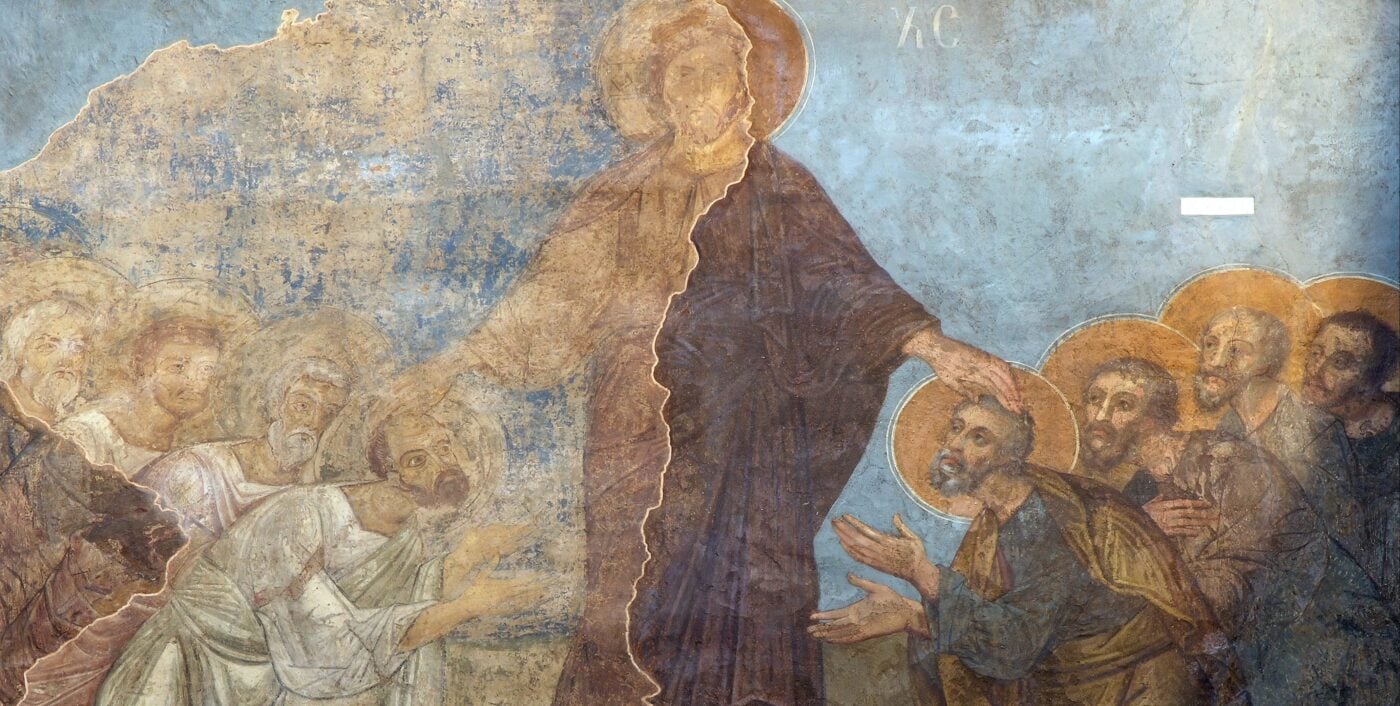
However, out of sheer love, the Eternal Word became man in Jesus Christ to share that divine love and life with us—not to condemn us.
God so loved the world that He gave His only Son, so that everyone who believes in Him might not perish but might have everlasting life. For God did not send His Son into the world to condemn the world, but that the world might be saved through Him.
Jesus loves us into eternal life! His love is undying, and it orients us towards the fullness of life with Him. By His love we are destined for eternal life in Heaven.
So then where does the idea or feeling of being condemned or unworthy come from? We need to discern the answer so that we can actually live as God’s beloved children in our world today.
These are five things that can make us feel condemned:
1. Lack of Faith
Jesus tells us that “whoever believes in Him will not be condemned, but whoever does not believe has already been condemned” (Jn. 3:16-18). St. Paul also assures us that “there is no condemnation now for those who are in Christ Jesus” (Rom. 8:1). “To be in Christ Jesus” means that our faith in Him touches every aspect of our lives. We live by faith in all His words to us—faith which ought to be evident in our thoughts, words, actions, and reactions.
We will feel condemned when we pick and choose which words of Jesus to obey and which to ignore. We will also be overcome by feelings of condemnation when our faith is compartmentalized, meaning that it affects only selected aspects of our daily lives. We may pray, attend Holy Mass, and perform our religious devotions, yet still make choices that betray our faith in Jesus. Such a disconnect between faith and practice will bring us a deep sense of condemnation.
2. Unrepented Sins
This is Jesus’ mission statement: “I came that they may have life and have it abundantly” (Jn. 10:10). The first thing that destroys that life within us is our unrepented sins. Remember, “The wages of sin is death” (Rom. 6:23). We will feel condemned when we try to justify our sins, ignore them, excuse them, or even celebrate them, instead of repenting from them.
We bring all our sins to Jesus in the sacrament of Reconciliation because He came to set us free from the bondage of sin and death. Jesus warned us of the eternal death that will be ours when we fail to realize that He is the true God and Messiah who became man to take away our sins, saying, “I told you that you will die in your sins, for you will die in your sins unless you believe that I am he” (Jn. 8:24). We break the power of condemnation over us through sincerely confessing our sins, trusting in God’s forgiveness, and embracing a life of ongoing conversion.
3. Lack of Genuine Love for God and Others
As Scripture states, “God’s love has been poured into our hearts through the Holy Spirit that has been given to us” (Rom. 5:5). We have this generous outpouring of Trinitarian love in us through the Holy Spirit. This love also demands a response from us, because we can now love like God with the gift of His love.
What are we doing to respond to this gift of divine love? Do we also show our love in loving deeds or in words alone? Are we generous in our love for God and for others? Do we tell the truth and practice honesty out of love for God? Do we serve, pray, help, and forgive others simply because God’s love has been poured into our hearts? We are overcome by feelings of condemnation when we hold back from offering love to God and others with generosity, as He taught us to do. Jesus shows us another way to avoid the voice of condemnation when He commanded us, “Love one another as I have loved you” (Jn. 13:34).
4. Demons and Their Lies
The lying spirits take advantage of our hurts and bad experiences in life to lie to us about many things. Demons tell us that we are hopeless, useless to build the kingdom of God, unworthy of serving God and others, and incapable of being the saints that we are called to be. They tell us that we can never overcome our trials and that God has rejected us because of our many sins. They deceive us into thinking that we are despised and unwanted by others. They magnify our struggles and try to diminish our sense of being loved by God as His children. They tempt us to identify ourselves with our sins and forget that we are indeed children of God.
We can only overcome the lies of the demons by knowing the truth of God’s love for us. We take the word of God into our hearts so that we can recognize the lies of the enemy and reject them. Unless we internalize the word of God and allow it to shape our actions and attitudes, we will slowly but surely give in to the many voices of condemnation in our world today. Because “the whole world is in the power of the evil one,” we will always hear the condemning voice of the demons in our world today (1 Jn. 5:19). The only remedy is to know and believe in the truth of God’s word and His love for us.
5. Lack of a Serious Prayer Life
God invited Moses to enter into prayer with Him: “Early in the morning, Moses went up Mount Sinai as the Lord had commanded him, taking along with him the two stone tablets” (Ex. 34:4). Moses went to converse with God with anticipation and readiness to receive all that He would offer. He was not disappointed. God revealed His tender love to him; “The Lord, the Lord, a merciful and gracious God, slow to anger and rich in kindness and fidelity” (Ex. 34:6).
We, too, need to respond to the Lord’s constant invitation into a deep and fervent prayer life with Him. Our prayer must not be about our needs only. We must also approach the Lord in prayer with attention and expectation to receive God’s revelation of His merciful love for us. The more that we allow God to speak His accepting love into our hearts, the more that we can overcome the feeling of rejection.
My dear brothers and sisters in Christ, we cannot follow and serve God faithfully while carrying our feelings of being unworthy and condemned. We can only be faithful to God when we believe in the Trinity and in the Trinitarian love that has been poured into our hearts, by which we are always loved and accepted by God.
From the moment of the Incarnation to this very moment, Jesus continues to come to us to fill our hearts with this love and not to condemn us. His Body and Blood, words and deeds, sufferings and resurrection, sacraments and teachings are all meant to save us—never to condemn us.
Let us receive this Trinitarian love in the Eucharist, abide in it, and respond to it in action so that we never give in to the feelings of unworthiness, condemnation, or despair.
Glory to Jesus!!! Honor to Mary!!!!
Photo by Art Institute of Chicago on Unsplash