















![St. Anthony Clare—When it is time for me to leave [the Eucharist], …](https://www.catholicdigest.com/wp-content/uploads/2025/12/15-1024x538.png?#)



Will Leo’s reforms get an assist from Cardinal Pell?

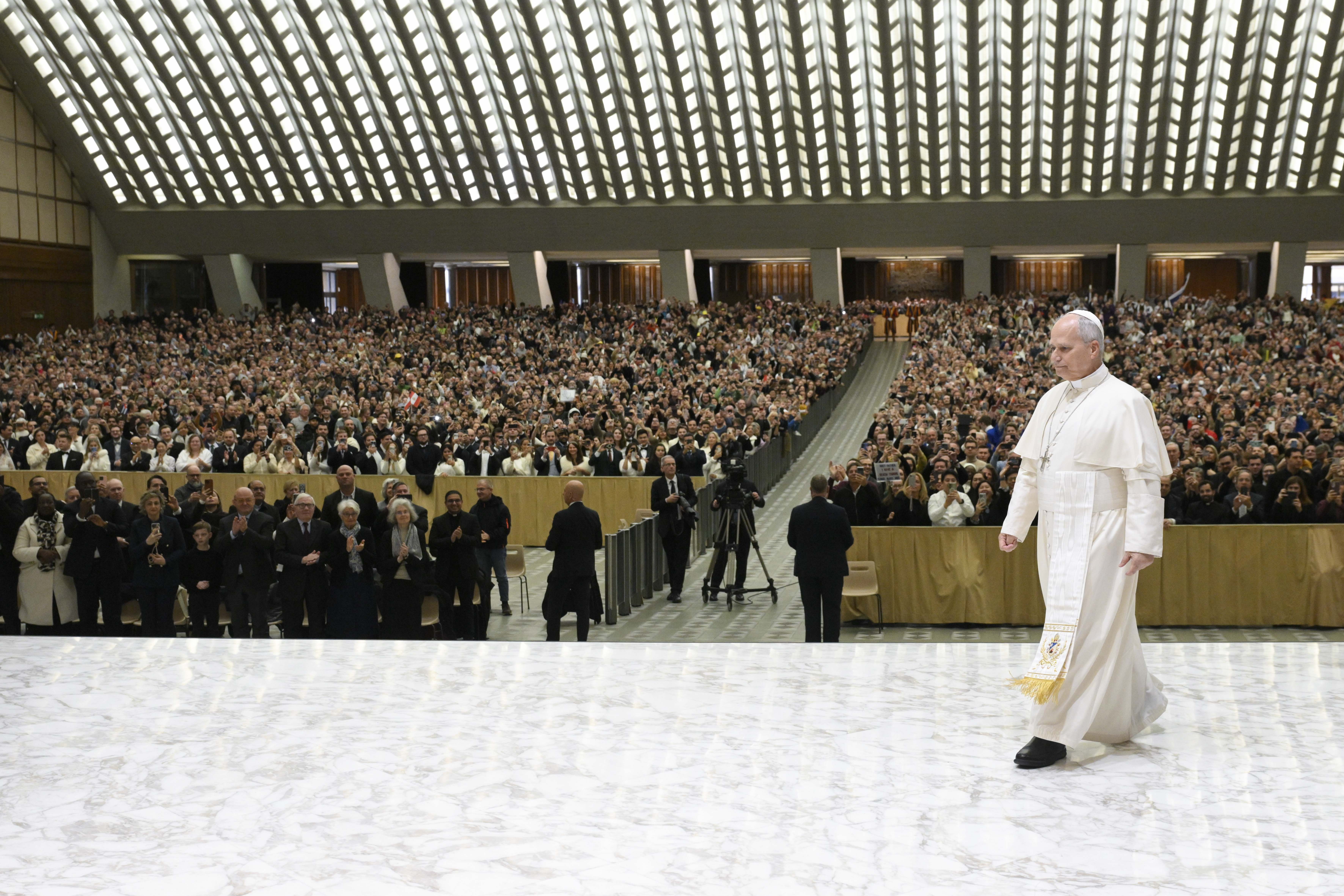
The Vatican on Saturday released new norms as a part of a multi-year efforts to standardize the process of awarding contracts to vendors and service providers working with the dicasteries of the Holy See.
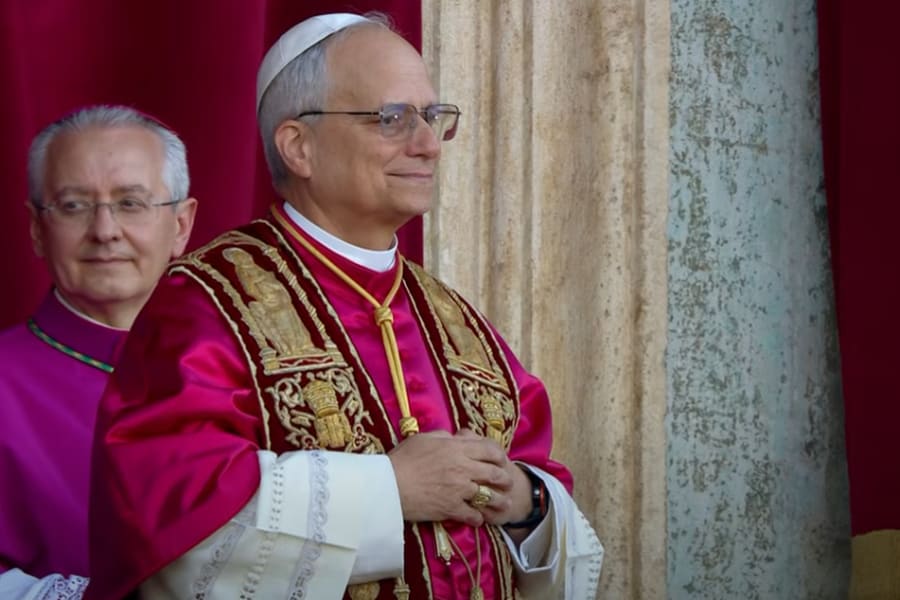
The new norms have widely been taken as a sign that Pope Leo intends to move forward rapidly with the financial reform measures for which advocates have called for years.
But the origin of the norms is worth noting too — and suggests that as he looks to move forward, Pope Leo might be drawing from the work of the past.
—
The August 9 norms issued by the Vatican Secretariat for the Economy are essentially a set of definitions and procedures meant to clarify a 2020 document issued by Pope Francis, governing contracts of the Roman Curia and the Vatican City State.
The 2020 text said it aimed to promote “ethicality in the orientation of economic choices and interlocutors on parameters of compliance with the Social Doctrine of the Church,” administrative “segregation of internal functions within the” offices of the curia, and “economy, effectiveness and efficiency” in the Vatican’s operations.
Contracts, that text said, should be awarded through a “transparent, objective, and impartial” procedure, with “measures … taken against conflicts of interest, unlawful agreements in competition matters and corruption.”
Part of that process, according to the 2020 norms, was the “integrity of documentation” in bidding processes for Vatican contracts.
The text promulgated last week picks up where that 2020 norms left off, giving definitions meant to ensure that a broad range of Vatican contracts would fall into the purview of the 2020 norms, and prescribing clearer definitions for the access to public contracts and documentation, along with sharper procedural norms for vetting would-be vendors, bids, and contracts, and for assessing conflicts of interest, and engaging in shared and centralized purchase agreements across Vatican departments, which had long suffered from siloed and inefficient approaches to purchasing, and financial entanglements rank with corruption.
The text is a highly complicated and technical instruction, and is designed that way to ensure that the Holy See uses the best practices of large organizations and governments for contract management and transparency.
The text is also nothing new.
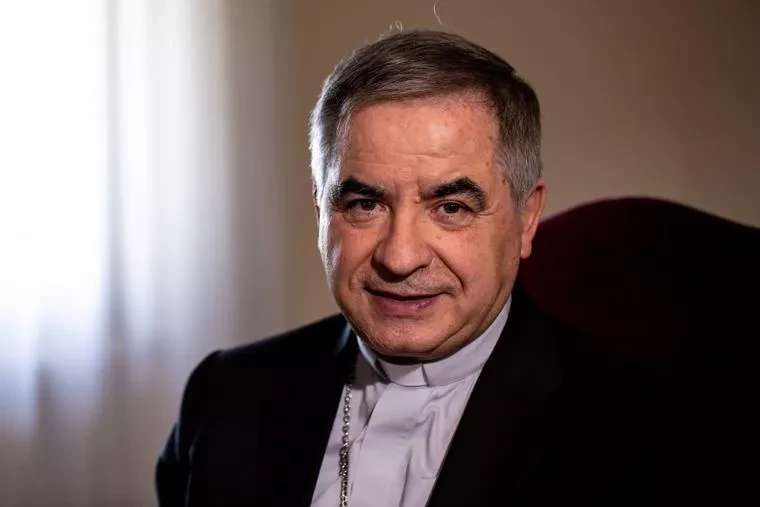
According to sources close to the Secretariat for the Economy, the text promulgated last week was first drafted in 2017 by the team managed by Cardinal George Pell, and reviewed by the Vatican’s auditor general’s office.
But after it was drafted —originally as a standalone set of norms, rather than an instruction — it was shelved, and did not garner internal support during the tumultuous final years of Pell’s tenure as Secretary for the Economy, during which he faced considerable opposition in his efforts to secure precisely the aims of the new text: transparency, standardization, and competitive bidding without corruption.
It is not yet clear what it means that a text drafted in the Pell era has been promulgated so soon into Leo’s reign.
After Pell left the Vatican's economy office in 2017, reform initiatives stalled, with financial leaders at the Vatican seemingly relegated to cataloguing growing deficits and dwindling resources, and halting previous steps towards transparency, including the practice of publishing the Vatican’s annual budget.
By 2023, auditing staff were instructed to exercise “merciful discretion” when dealing with instances of corruption, saying that financial scandals “serve more to fill the pages of the newspapers than to correct behavior in depth.”
Towards the very end of his pontificate, Francis showed renewed interest in financial reform, instituting a new fundraising body for the Vatican, and overhauling the Vatican’s pension fund.
But nevertheless, the Vatican’s structural deficit is now approaching 100 million euros, and the unfunded Vatican pension liability is believed to be close to 2 billion. Furthermore, Leo already faces international pressure over problems at APSA, the Holy See’s asset manager — and those problems could spiral into serious regulatory issues for the Vatican’s international banking operations.
While the Vatican’s declining revenues are a part of the problem, Leo can only hope to stanch the bleeding if he can ensure more efficient curial operations, and especially operations protected from graft and corruption. At the same time, Leo also needs to demonstrate a clear commitment for regulators to fixing the corruption problems which have reportedly plagued APSA — and the timing of last week’s norms would seem to suggest that the pontiff understands that he needs to demonstrate for European banking authorities a firm hand at the till.
All of those issues are especially important if Leo hopes to build a better curial culture, and to make use of the expertise he’ll need for ongoing reforms. On Monday, the Vatican issued another set of norms, this time extending paid family leave for Vatican employees, and standardizing bonuses for new parents working in the curia.
Those norms are likely to be well-received by Vatican employees, some of whom have expressed frustration at wage freezes in recent years. But someone will have to pay for more family leave and family bonuses.
And to make that work, Leo may find himself dusting off policies from the Pell era with increasing frequency.
What's Your Reaction?
 Like
0
Like
0
 Dislike
0
Dislike
0
 Love
0
Love
0
 Funny
0
Funny
0
 Angry
0
Angry
0
 Sad
0
Sad
0
 Wow
0
Wow
0