








After changing locks, parishioners ordered to stand down
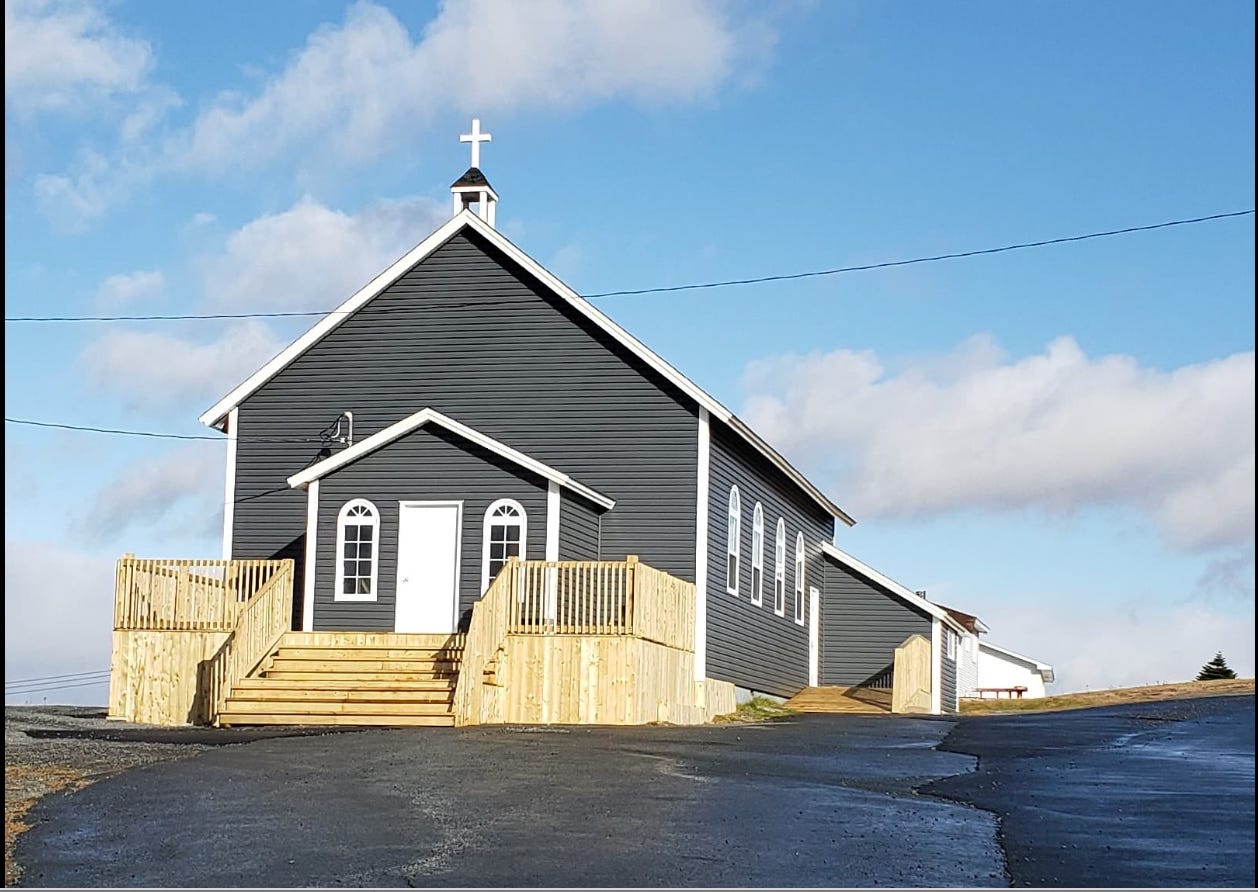
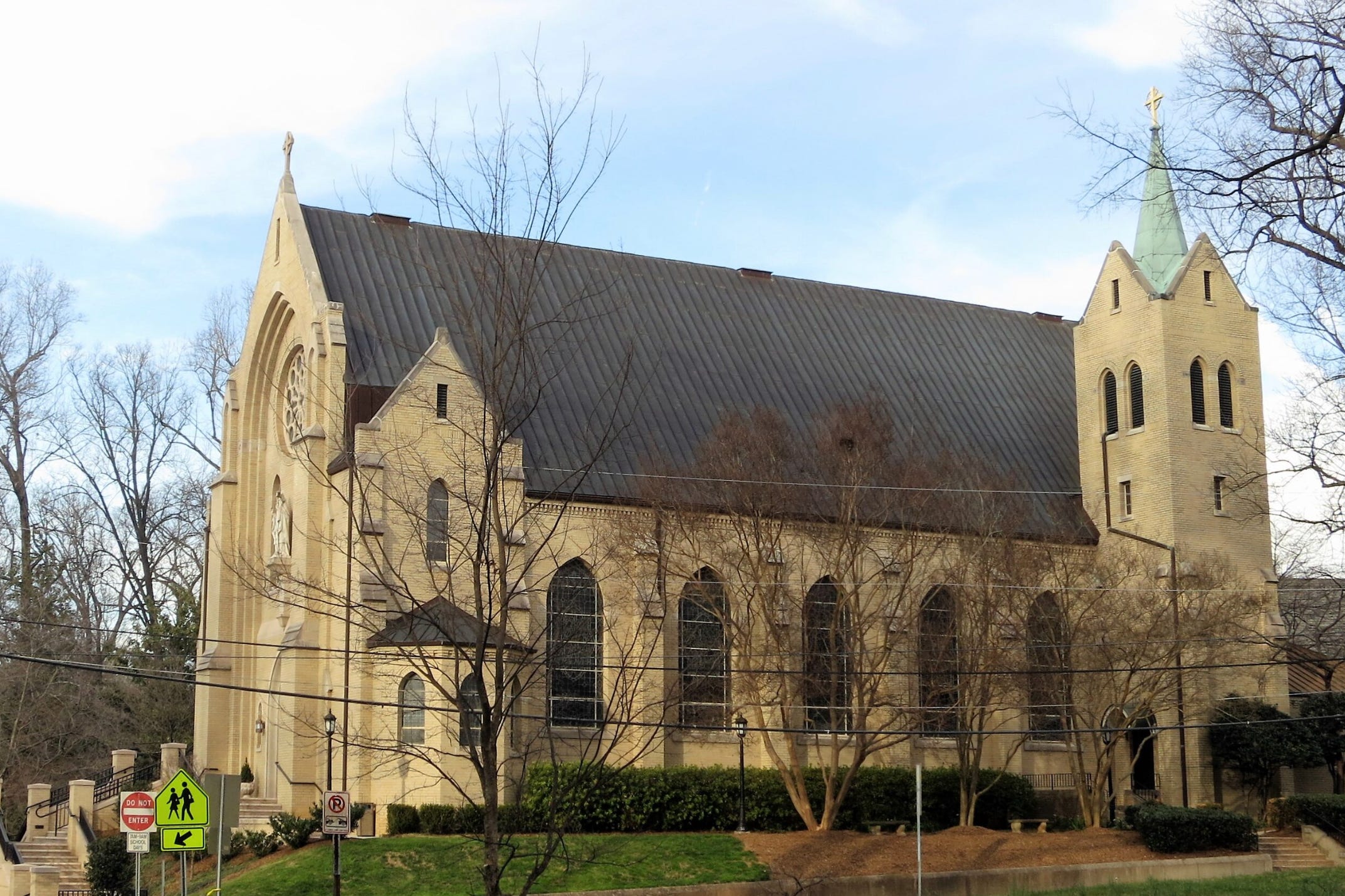
When Catholics at Holy Rosary Portugal Cove-South in Newfoundland heard their church was being sold as part of an archdiocesan bankruptcy filing and abuse settlement, they decided to take matters into their own hands.
Local Catholics and members of the local historical society in the small coastal Canadian fishing town teamed up to find a way to stop the sale of the church.
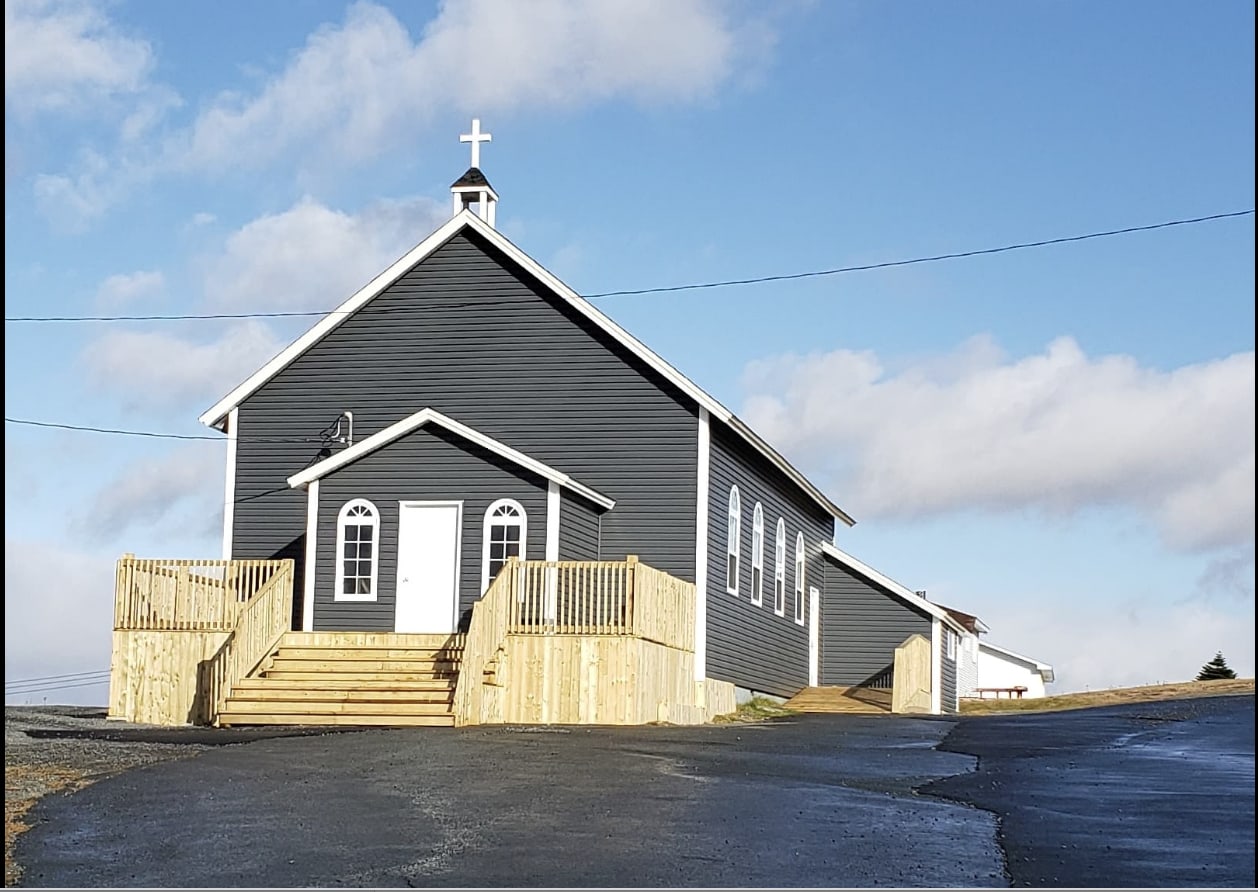
They changed the locks on the church building and hung signs that proclaimed “potential buyers are not welcome,” in an effort to deter a potential sale.
The move stopped at least one potential sale of the church property last year.
But the Archdiocese of St. John’s in Newfoundland has said that it holds title to the property, and had the legitimate right to complete a sale of its church.
In May of this year, a Canadian Supreme Court judge sided with the archdiocese, which had brought a lawsuit against the historical society. The judge ruled that the church property is legally owned by the archdiocese, and the local community cannot block the sale of it.
The unusual saga surrounding Holy Rosary is made even more strange, in that there is another community in the same archdiocese fighting to keep another church open, which is also named Holy Rosary.
The other community - Holy Rosary Portugal Cove — St. Phillips - has opted to challenge the archdiocese canonically, and thus far has succeeded, recently drawing a ruling from the Vatican indicating that the church can remain open.
In 2021, a court found the Archdiocese of St. John’s in Newfoundland, Canada was liable for a religious community that had operated a notoriously abusive orphanage in the archdiocese decades ago.
After it became responsible to compensate more than 100 men sexually abused over three decades at the orphanage, the archdiocese filed for bankruptcy protection in December 2021.
Compensation claims were expected to exceed $50 million CAD. To date, the archdiocese has received claims totaling $121 million.
As part of the bankruptcy filing and abuse settlements, the archdiocese announced in 2022 that it would be suppressing or merging parishes, and selling 18 of 34 parish church properties — including both Holy Rosary Portugal Cove-South and Holy Rosary Portugal Cove-St. Phillips. The two churches are located two hours apart, about 90 miles.
The Archdiocese of St. John’s had four other churches named Holy Rosary before the closures.
Holy Rosary Portugal Cove-South is part of a cluster of churches merged into Holy Redeemer Parish.
According to the Church’s canon law, parishes are juridic persons — subjects of rights and obligations, administered by a pastor — and not merely administrative units of a diocese. This means that canonically, parishes ordinarily have ownership of their church property, or the right to administer it, even if civil structures do not match that reality.
In Canada, many dioceses are legally structured in such a way that the diocese — rather than the parish — owns the property that churches sit on, and thus has legal possession.
But at Holy Rosary Portugal Cove-South, some community members argued that the archdiocese did not really own the church property under Canadian law.
The Portugal South historical society believed that the community — not the archdiocese — had rightful ownership of the land, arguing that the parish’s former pastor had informed the group years ago that the church building belonged to the community, not the archdiocese.
“Holy Rosary Church was built in 1917 by the families of Portugal Cove South, a small fishing community on the Southern Avalon of Newfoundland. Built by the people, maintained by the people and renovated in 2019 by the people,” Cynthia Powers, chairperson of the Portugal South Historical Corporation, told The Pillar.
“Residents have lost faith, we the parishioners did not commit these crimes but are being punished by our church being sold.”
Before the archdiocesan decision to sell the church, the Portugal South Historical Corporation had a longstanding investment in the building. In 2019, the organization fundraised $135,000 to finance renovations to the 108-year-old church through grants and donations.
The group later requested a reimbursement, although local media reported that the renovations were undertaken without consulting the archdiocese, and reimbursement was requested only after the announcement of the sale.
After hearing the archdiocesan intent to sell the church property, the Portugal South Historical Corporation and local parishioners sought to take charge of the property.
Days after the final Mass at Holy Rosary Portugal Cove South was celebrated on September 1, 2024, parishioners changed the locks to the church and issued sharp warnings to groups interested in purchasing the property.
The group hung a sign in front of the Church stating: “No Trespassing. Property of PCS Historical Corporation and Community of Portugal Cove South. Including BUT not limited to: Archbishop Hundt, staff of RCEC including real estate agents and lawyers affiliated with said persons.”
Additional windows displayed signs reading, “our church is not for sale” and “potential buyers are not welcome.”
“We seized our church by changing the locks after learning that it was in the process of being sold to help pay a $104 million settlement to survivors of historical abuse from 1940s to 1960s,” Powers said. “Our purpose was to deter any potential buyers from purchasing the property.”
It is not clear whether the parish and archdiocese observed the required canonical processes to relegate the church to profane use and to see the property listed for sale.
But in June 2024, the archdiocese attempted to sell the church to a potential buyer. After witnessing the local community's entanglement with the building, the buyer backed out of the deal.
In March 2025, the Archdiocese of St. John sought a court injunction against the Portugal South Historical Corporation, alleging that the group was trespassing and preventing the sale of the church property.
In May, Supreme Court of Newfoundland and Labrador Justice Garrett Handrigan ruled that the Roman Catholic Episcopal Corporation of St. John's — the Archdiocese of St. John’s legal entity — is the church’s rightful owner and thus the property can be sold at the archdiocese’s discretion.
Judge Handrigan ruled that the historical society did not provide sufficient evidence documenting its claim to ownership. He also issued an injunction barring interference with the future sale of the church.
“The residents and the historical corporation have essentially ‘taken the law into their own hands’,” Handrigan wrote a ruling on the matter. “They are neither the legal owners of the property, nor do they have any equitable interest in it. Changing the locks on the doors and warning people to stay away are not merely acts of defiance or elements of civil disobedience, they are breaches of the peace.”
Powers said the historical society was disappointed by the court’s ruling.
“We are upset, disappointed and angered by the decision of the judge, however we fully respect that decision,” Powers told The Pillar.
For his part, Archbishop Peter Hundt of St. John’s acknowledged lingering frustration within the community over the sale.
“We know that the sale of church properties is a source of hurt and pain for all the Catholic communities of the archdiocese, including Portugal Cove South,” Hundt told The Pillar. “However, it is the result of a court decision that we must accept and respect.”
“As noted in the court’s decision, the archdiocese ‘is simply following the directions of the court which requires it to generate as much money as possible from all its assets, including Holy Rosary Church, to satisfy judgements that have been registered against it’.”
After the judge’s ruling against the Portugal South Historical Corporation, the archdiocese listed the church property for $48,000, well below its initial asking price of $75,000.
Asked about whether it would consider attempting to purchase the property, the Portugal South Historical Corporation told The Pillar that the board has not made any decisions about the matter.
Hundt has not indicated whether parishioners might eventually face canonical sanctions for their efforts to stop the sale of the parish. In December 2005, six lay Catholics in the Archdiocese of St. Louis were declared excommunicated, along with a priest assisting with them, when their parish and the archdiocese found themselves in a dispute over parish property and finances, leading eventually hiring their own priest to serve the community.
In 2013, community members and the archdiocese resolved years of litigation, which had focused mostly on civil ownership of the church property.