







AI Is Here - The Church Must Decide What Kind of Humanity Survives It
March 22, 2026 - Kuala Lumpur, Malaysia
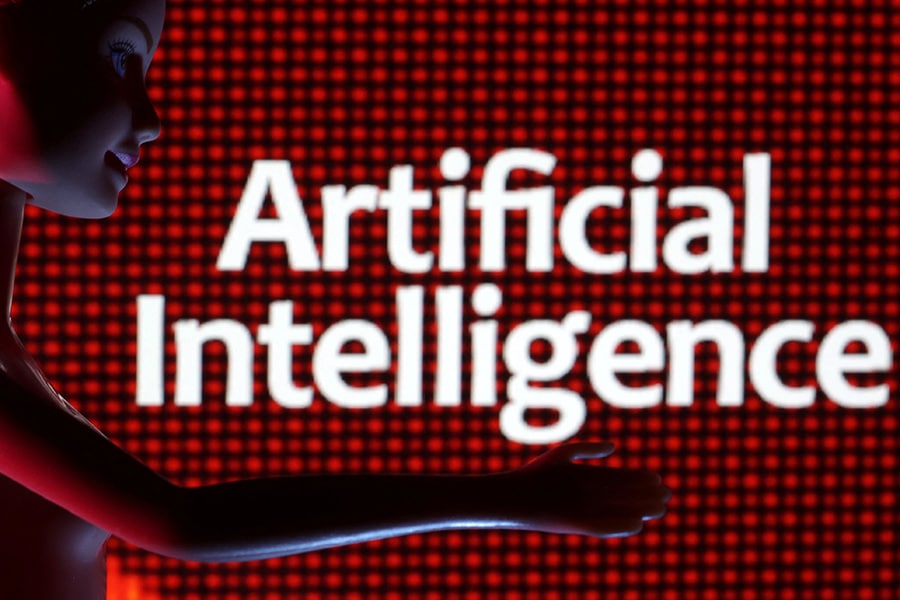
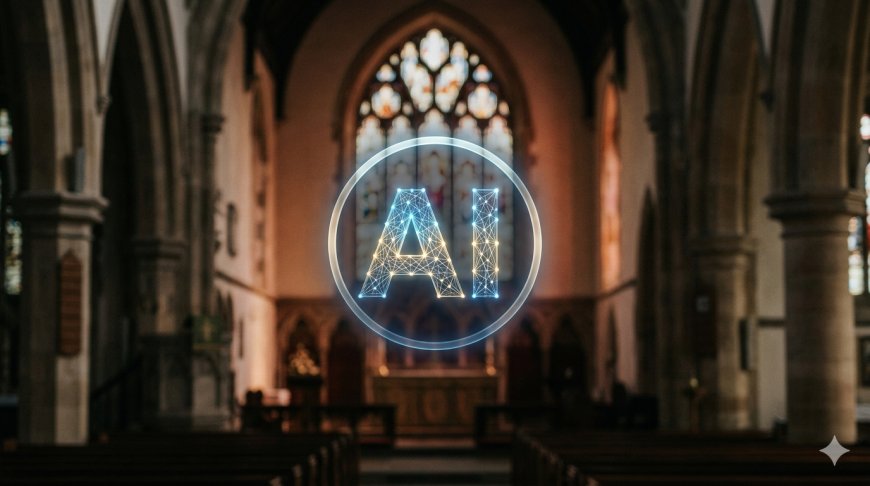
Not long ago, artificial intelligence felt like a choice. A topic for conferences. A question for the future. That illusion is gone. AI is here, woven into the ordinary rhythms of work, thought, and decision. It is not waiting for permission.
So the Church must stop asking the wrong question.
This is no longer about whether we should use artificial intelligence. That door has closed. The real question now is sharper, more demanding, and impossible to avoid: How will we use it?
To refuse that question is not caution. It is surrender disguised as piety.
Human beings have always created tools that extend their reach. This is not a betrayal of faith. It is part of it. To be made in the image of God is not only to reflect, but to act, to shape, to bring order. From the first script carved into clay to the vast networks of today, we have always pushed the boundaries of what we can do.
But power always tests the soul that holds it.
Artificial intelligence is not just another tool. It presses on something deeper. It forces us to confront what we think intelligence is, and what we think a human being is. If intelligence is only speed, calculation, and prediction, then machines will win without effort. But if intelligence is wisdom, then the contest is not even close.
Wisdom cannot be automated. It must be formed.
This is where the Church must find its voice again, not in retreat, not in fear, but in clarity. AI does not only act on the world. It acts on us. It reshapes how we pay attention, how we remember, how we judge. It tempts us to trade depth for convenience, truth for efficiency, reflection for instant answers.
Left unchecked, it does not make us stronger. It makes us thinner.
And yet, rejection is not the answer. History has already shown this. Tools that once seemed dangerous became instruments of truth when guided by moral vision. The same can happen now. AI can widen access to knowledge, deepen study, and carry the Gospel into places once out of reach.
But only if it is governed by something greater than itself.
The stakes are not technical. They are moral. Who decides how these systems are used? What vision of the human person guides them? What limits will we refuse to cross, even when we can?
If the Church remains silent, others will answer these questions. Not with malice, but with narrower horizons. Efficiency will replace meaning. Profit will replace dignity. And slowly, almost invisibly, we will begin to accept a world where the value of a person is measured by output.
That is the real danger. Not that machines become like us, but that we become like machines.
So the task is clear. Not to run from artificial intelligence, and not to embrace it blindly, but to confront it with a formed conscience. To insist that no system, no matter how advanced, can define the worth of a human life. To use these tools without handing over judgment. To remain responsible.
This is not a side issue. It is a test of who we are becoming.
The age of artificial intelligence is not coming. It is already here. And the Church will not be judged by whether it resisted it, but by whether it taught the world how to use it without losing its soul.
Bro. Jim C. Salonoy, S.Th.B.