





In Lebanon, a ‘tired’ Church expects papal visit to offer ‘glimmer of hope’
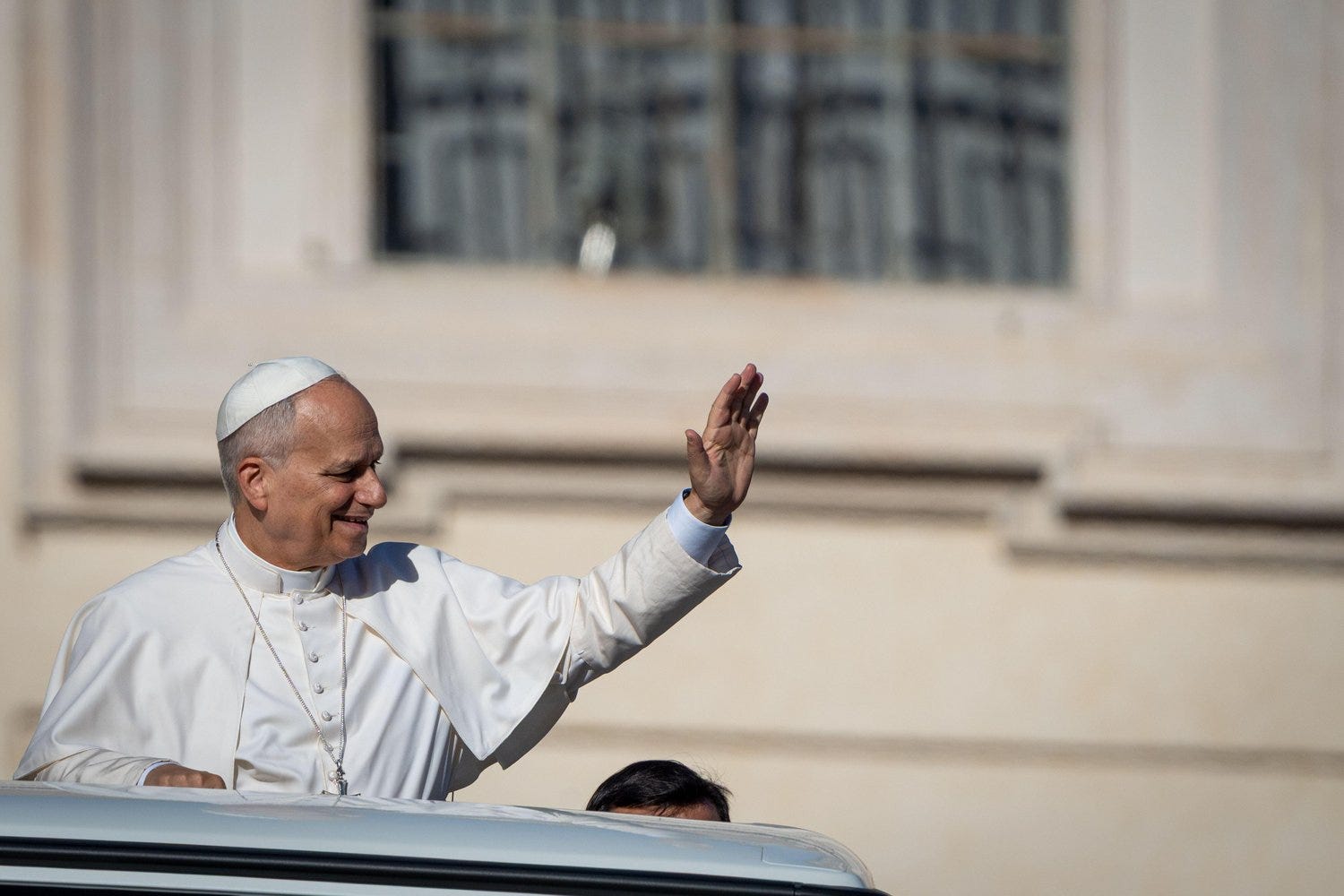
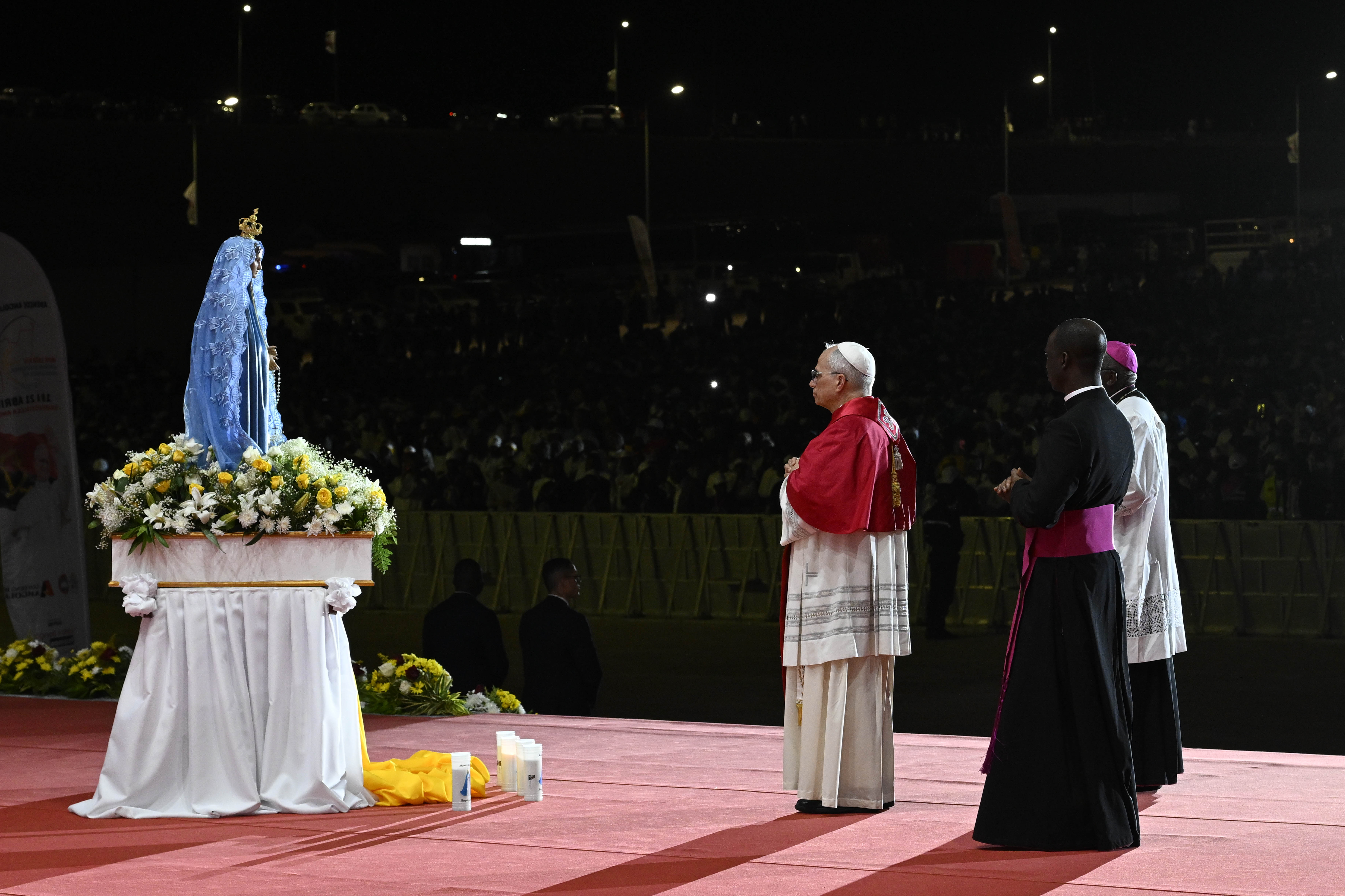
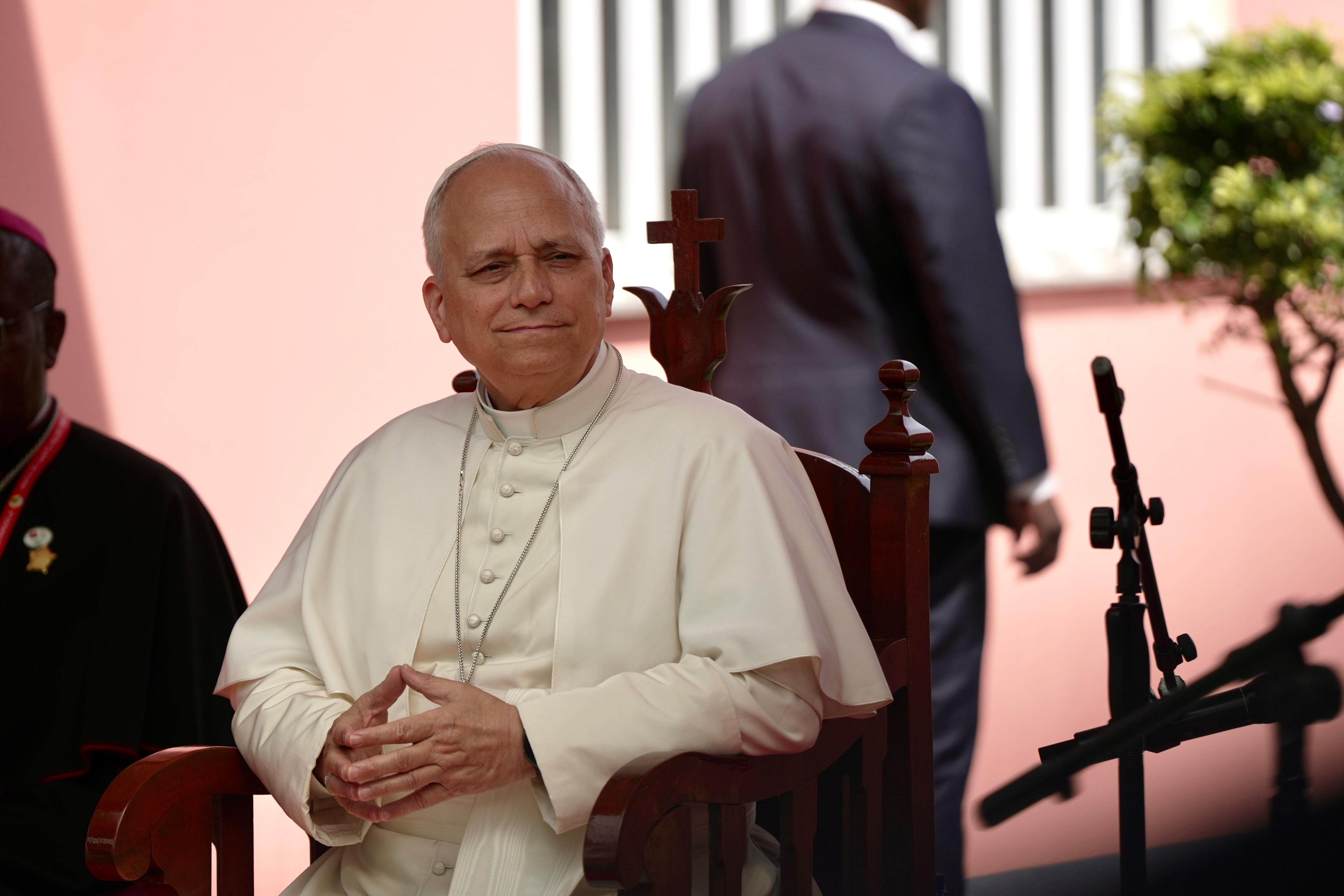
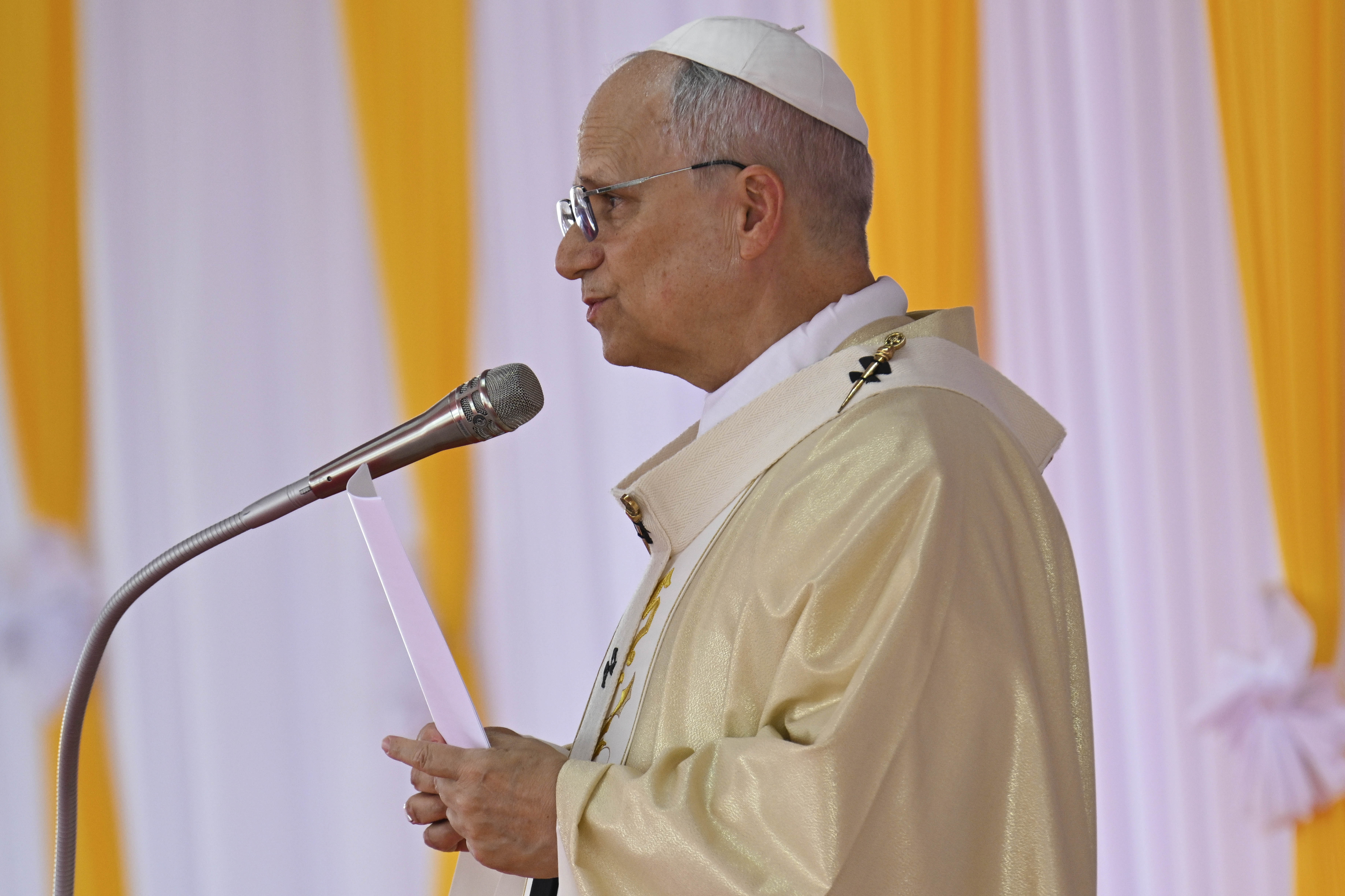
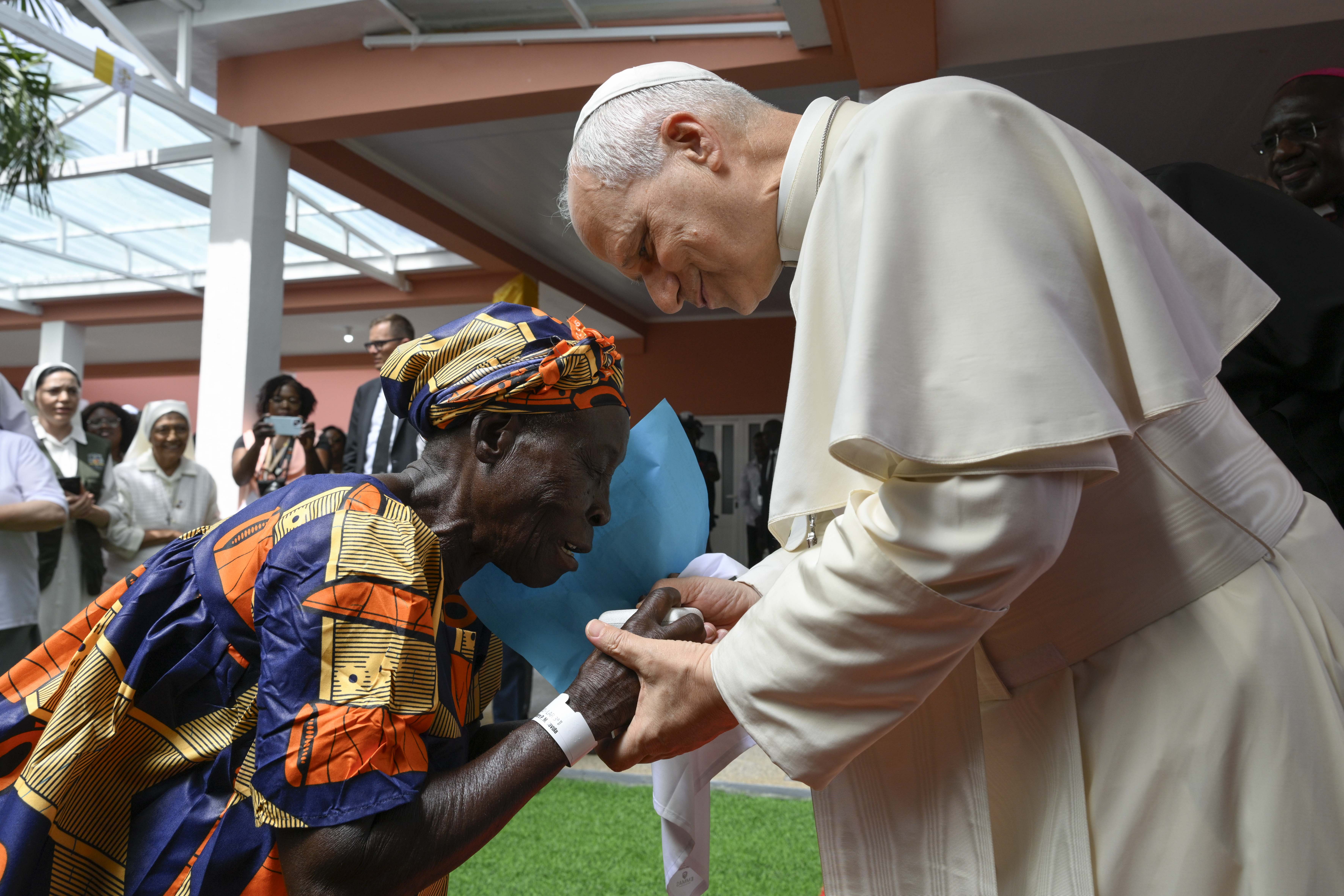
As the pope prepares for a trip to Lebanon, local Catholics see his plans as a sign that he intends to promote peace in the region – particularly in a country scarred by decades of war.

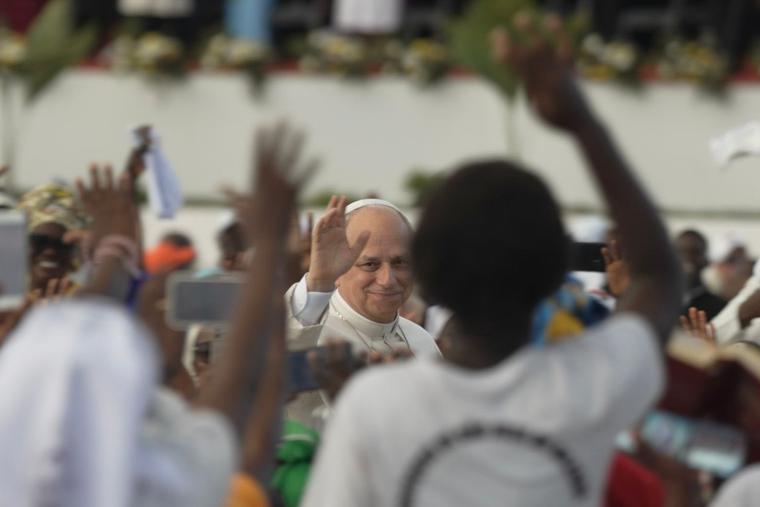
Pope Leo will make his first apostolic trip, to Turkey and Lebanon, between November 27 and December 2, the Vatican announced earlier this month.
The trip to Turkey had been planned under Pope Francis to commemorate the 1700th anniversary of the Council of Nicaea.
But the addition of Lebanon, announced unexpectedly, is widely thought to have been a personal decision by Pope Leo.
“The pope’s decision to visit Lebanon was certainly surprising to the Lebanese,” Fr. Dany Dargham of the Archdiocese of Beirut told The Pillar.
“There are no clear predictions yet regarding the pope’s message to the Lebanese people… But perhaps more important than the message he brings to us is the message Lebanon will convey to him: What will the Church and political leaders tell him? Will they present the reality transparently—or distort it with diplomatic polish?”
Situated just north of Israel, Lebanon has long been a symbol of both coexistence and conflict.
Lebanon is home to one of the largest Christian minorities in the Middle East. But many Christians have fled due to violence and instability in recent years. The country has been shaken by months of Israeli bombing in its southern region, parts of which are controlled by the political and militant group Hezbollah.
Once known as the “Switzerland of the Middle East,” Lebanon has endured political and sectarian turmoil since its civil war, from 1975 to 1990, as well as internal conflict with Hezbollah and repeated wars with Israel.
Hezbollah started launching rockets from Lebanon into Israeli territory on Oct. 8, 2023, a day after Hamas forces killed more than 1,000 Israelis, starting a war between the two terrorist groups and Israel. Hezbollah itself also engaged in a 33-day long war with Israel in 2006.
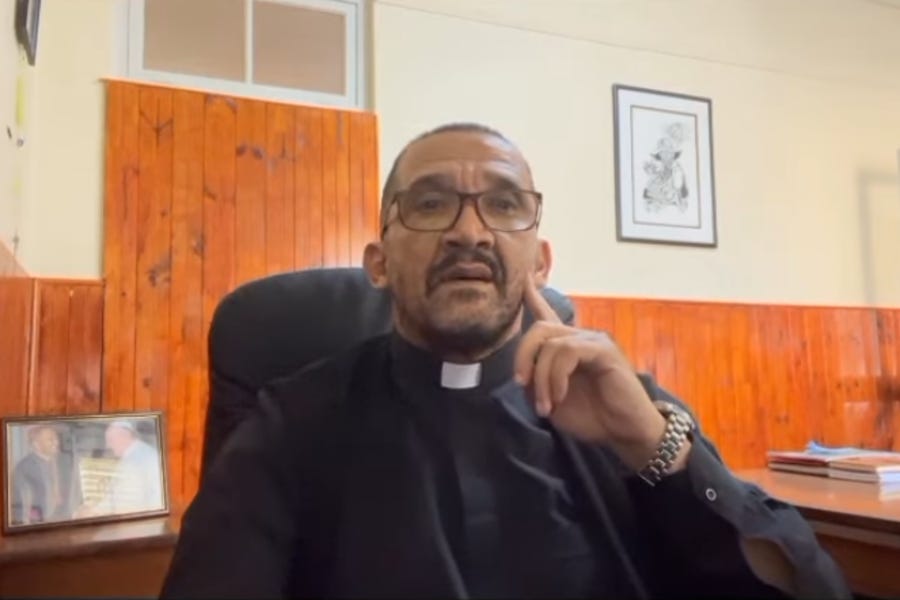
“The Church is tired of the situation in Lebanon, I’m certainly tired of the situation,” said Bishop Cesar Essayan, Vicar Apostolic of Beirut, the sole Latin Catholic jurisdiction in the country.
“We have many Catholic politicians who don’t behave as Catholics and don’t defend Catholics, we have corruption, shortages, everything is expensive, and the political situation worsens by the day while Israeli bombings continue in the south of the country, it’s all very difficult,” Essayan told The Pillar.
As of December 2024, Lebanese authorities reported that more than 4,000 people — including over 300 children — had been killed by Israeli airstrikes, most in the southern part of the country, where Hezbollah placements are located.
Attacks have continued more recently. On Oct. 11, an Israeli strike killed one person and injured seven, and on Oct. 30, Lebanese President Michel Aoun, a Catholic, ordered the army to confront Israeli incursions after forces crossed the border and killed a municipal employee.
“Lebanon, as a state and as a people, has not declared war on Israel. Rather, one Lebanese faction has unilaterally made the decision to engage in conflict, thus drawing Israeli attacks onto Lebanese territory,” Fr. Dargham told The Pillar.
“This reflects a fundamental problem in the internal dynamics of Lebanon: the majority of Lebanese citizens do not want war; they want to live in peace with all their neighbors,” he added.
The unstable situation in the country and the presence of Hezbollah have raised questions about whether it is safe for Pope Leo to travel to Lebanon.
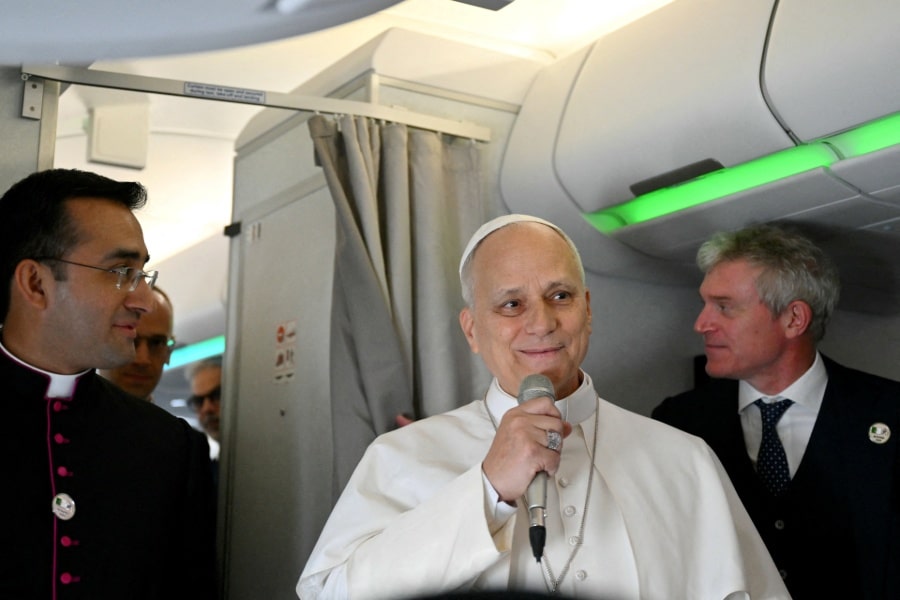
During an Oct. 16 audience, Queen Rania of Jordan asked the pope whether he though it was unsafe to travel to Lebanon. When the pope responded, “well, we’re going,” the moment quickly went viral online.
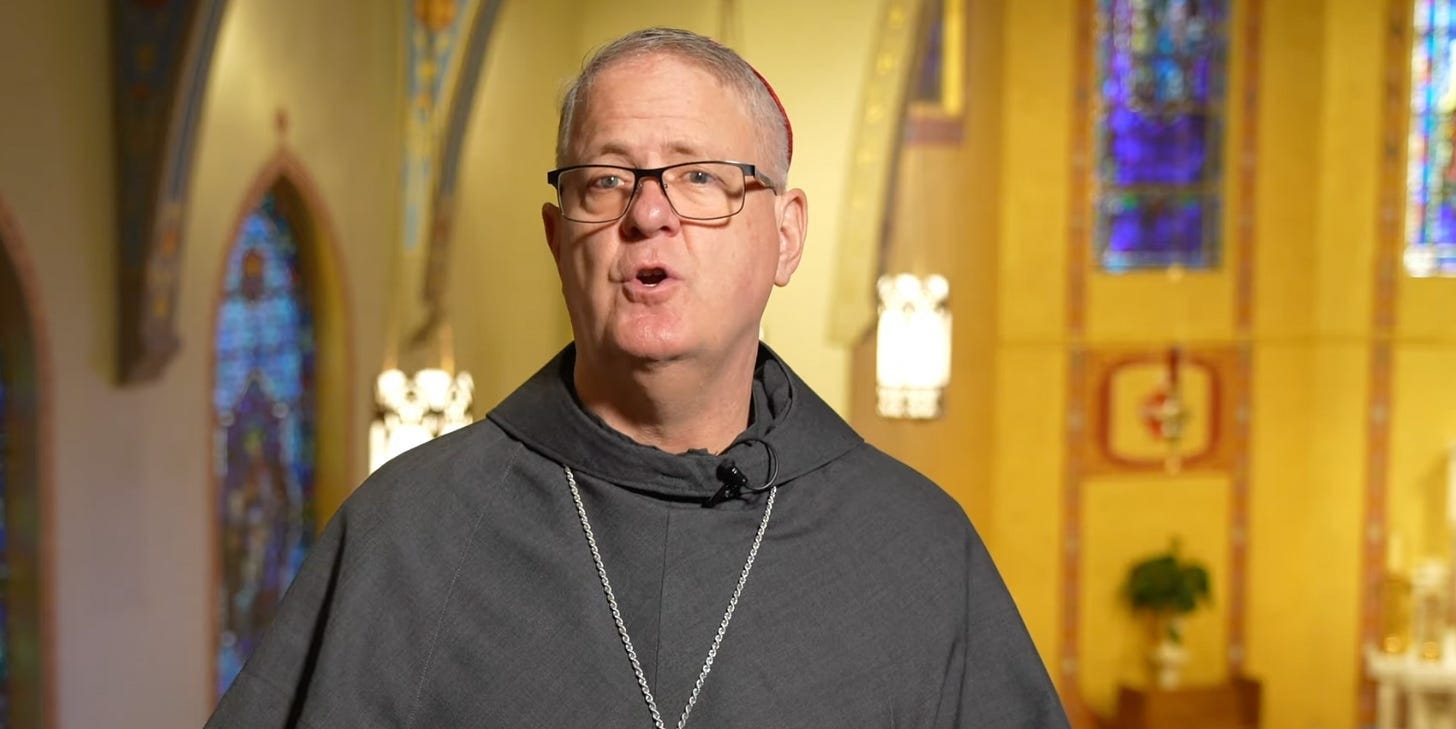
But in Lebanon, “we’re not worried about security,” said Bishop Michel Aoun, Eparch of Byblos and one of the organizers of the papal trip.
“The presidential guard, which is a special military unit that is at the service of the president and goes with him wherever he goes, will be in charge of security on the Lebanese side, and it’s working with the Vatican gendarmerie and the Swiss Guard. I’m personally not worried about the Holy Father’s safety,” Aoun told The Pillar.
Still, the violence in the country and the region are expected to be a major theme of the papal visit.
Relations between religions will be another theme. The pope’s visit includes an ecumenical and interreligious meeting in Beirut, the country’s capital, on December 1.
Lebanon’s religious landscape is one of the most complex in the Middle East, with 18 recognized religious denominations.
Somewhere between 55-70% of the country’s population is Muslim, split almost evenly between sunni and Shia Muslims. Exact figures are difficult to ascertain, as it has been nearly a century since the last official census.
The rest of the population is mostly Christian. More than half of them belong to the Maronite Church, one of the largest Eastern Catholic churches, and the only Eastern Church in continuous historical communion with Rome.
Significant minorities in the country are also Greek Orthodox and Greek Catholics, and smaller minorities of Armenian Apostolic, and Armenian, Melkite, and Latin Catholic communities.
Five percent of the country’s population are Druze, an esoteric Abrahamic religion.
“Coexistence is a fundamental characteristic of Lebanon, and we are committed to preserving it,” Dargham said. “However, it requires a new political system that can protect and manage it more effectively.”
“There’s a lot of tension at the political level, but social coexistence is good,” Essayan agreed. “Muslims and Christians live together in neighborhoods and we have Muslim students at our Catholic schools, so I would say interreligious and ecumenical coexistence is good despite the difficulties at higher levels.”
“My diocese is majority Catholic,” Aoun said. “But there are seven or eight Orthodox parishes, and we invite Orthodox priests to come for the big feast days, and it’s very common to see Catholic and Orthodox priests praying together in funerals, just to name an example.”
In a June interview with Aid to the Church in Need, Cardinal Bechara Boutros Rai, Maronite patriarch of Antioch, warned that the decline of the Christian population in the country and the region could lead to increasingly strained relations between religious groups.
“If this Middle East is emptied of Christians, then Muslims will lose their moderation,” he said. “It’s not about looking at the number of Christians but rather at the value that the presence of Christians brings.”
Politically, Lebanon’s situation is tenuous. The country experienced a two-year presidential vacancy beginning in October 2022 when the last presidential term ended. The Lebanese parliament failed repeatedly to elect a new president, with Hezbollah refusing to accept any candidate that was not allied with its beliefs.
A new president was finally elected earlier this year, but the country is still feeling the economic and political effects of the stalemate.
“We’re still waiting for a stable economic and political resolution. There’s uncertainty with regards to the future. We’re in a critical phase,” Aoun said.
“The sociopolitical situation in Lebanon remains frozen, unchanged since before the presidential elections and the formation of a new government,” Dargham added.
“The institutional reforms that are urgently needed have not been implemented. The investigation into the 2020 Beirut Port explosion is stalled, and there is no clear financial or economic policy—or even a serious attempt—to recover the stolen savings of depositors. Parliamentary blocs are unable to pass even the simplest of projects due to the rigid centralized political system,” he continued.
But despite the deep structural challenges facing the people of Lebanon, the Church is resilient, its leaders said.
“Our churches are alive, Catholics are engaged, a lot of people come to Church on Sundays, that’s always a good thing,” Aoun said.
“We have full churches every Sunday with a lot of young families, young people involved in the Church,” Essayan said. “The Catholic Church is alive, it’s active, and it is strong.”
“But we can’t do everything we’d like because of the instability, and we have a problem with migration. A lot of young people leave the country because they don’t see a future for themselves in Lebanon,” he added.
Essayan said the Catholics of Lebanon have hope, “not because we see a human solution to our problems, but because hope comes from our faith, it comes from Christ.”
Still, that hope is being tested by continued suffering in the region.
“The Church in Lebanon is used to facing hardships and challenges, but today it is exhausted and in urgent need of a critical re-reading of the past hundred years,” said Dargham. “Faith remains strong and steadfast, but it now needs to be accompanied by action and strategic planning.”
Bishop Aoun said he hopes Leo’s visit will bring much-needed renewal and refreshment to a tired Church, in a weary region.
“We’re reading the pope’s visit as a sign of hope, as an announcement from the Vatican that Lebanon should live its vocation of fraternity and tolerance,” Aoun told The Pillar.
“For us, it’s very important that the pope chose Lebanon as part of his first trip after Nicea. The pope is coming as a messenger for peace, inviting all of us to work together for the common good of Lebanon.”
“We expect that the pope’s main message will be about peace and hope, an appeal not to lose hope, to trust the Lord, because we have a great issue with the thousands of young Lebanese leaving the country and seeking a better life abroad,” he continued. “We expect that the pope’s visit will bring a glimmer of hope to our people.”