














‘Life Is a Gift’: How to embrace the March for Life’s 2026 theme
As I walked to my car to return home, I spotted it: A Ziploc bag with an assortment of M&M’s and marshmallows taped to the door. “MeRRY ChRistMas,” read the green sticky note attached to it.
I didn’t see who put it here, but I had my suspicions. I was visiting my goddaughter’s family and noticed her momentarily disappear when I announced I was leaving. Her fingerprints were all over the surprise — a surprise given freely, without expecting anything in return. A gift.
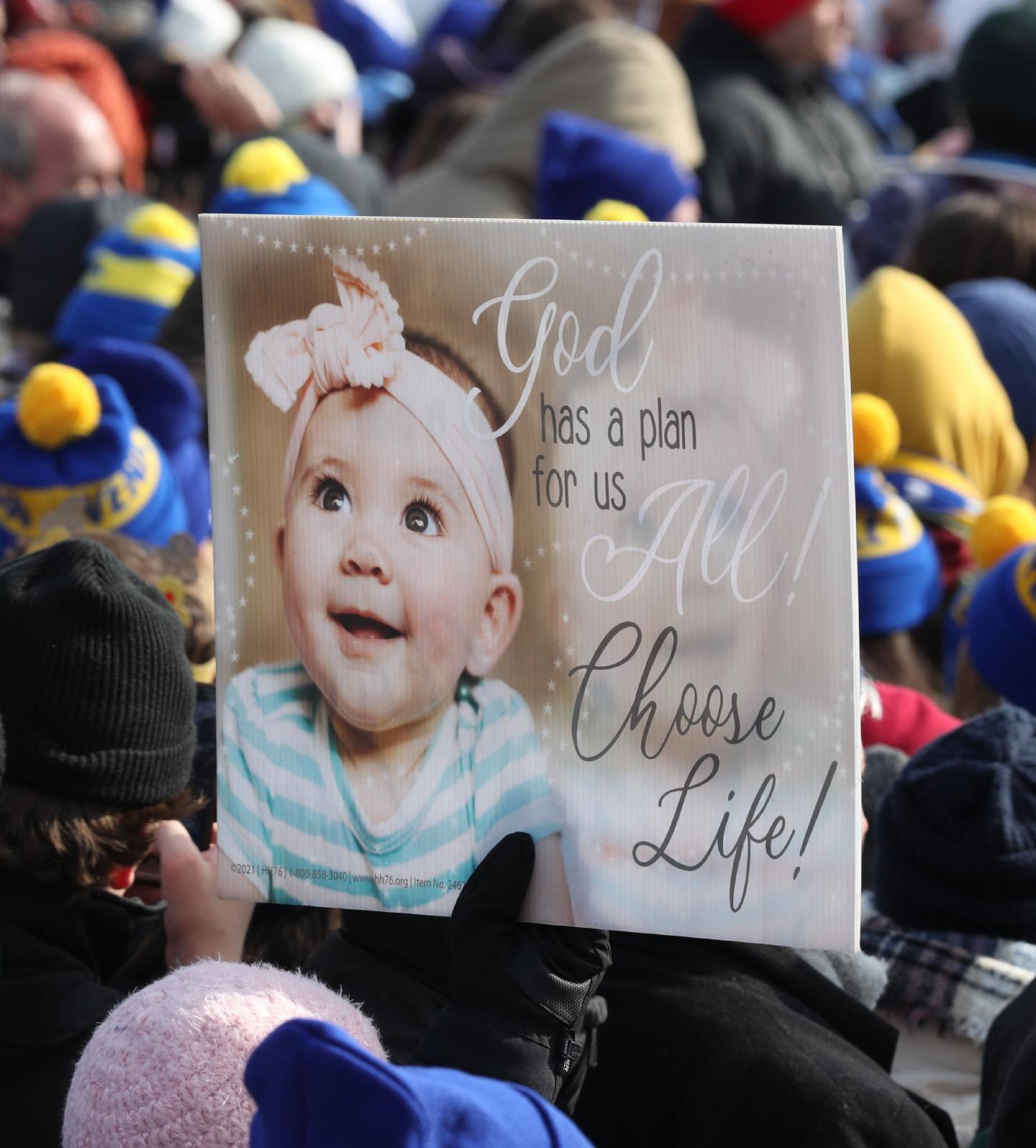
I’ve been thinking about gifts, and the meaning of them, with the upcoming March for Life and its 2026 theme: “Life is a gift.”
For over a decade, I’ve written about the March for Life, which calls itself the “largest annual human rights demonstration in the world.” The event held in Washington began in response to the U.S. Supreme Court’s 1973 decision in Roe v. Wade, which once legalized abortion nationwide. The 53rd march, scheduled for Jan. 23, marks the fourth one since the court overturned Roe with its 2022 decision in Dobbs v. Jackson Women’s Health Organization.
While the March for Life still seeks to impact law, it also focuses on changing the culture until abortion becomes unthinkable. The 2026 theme reflects that cultural approach by recognizing every human person as a gift from the moment of conception. It also prompts pro-life marchers, particularly Christians and Catholics, to reflect on the question, “A gift from whom?”
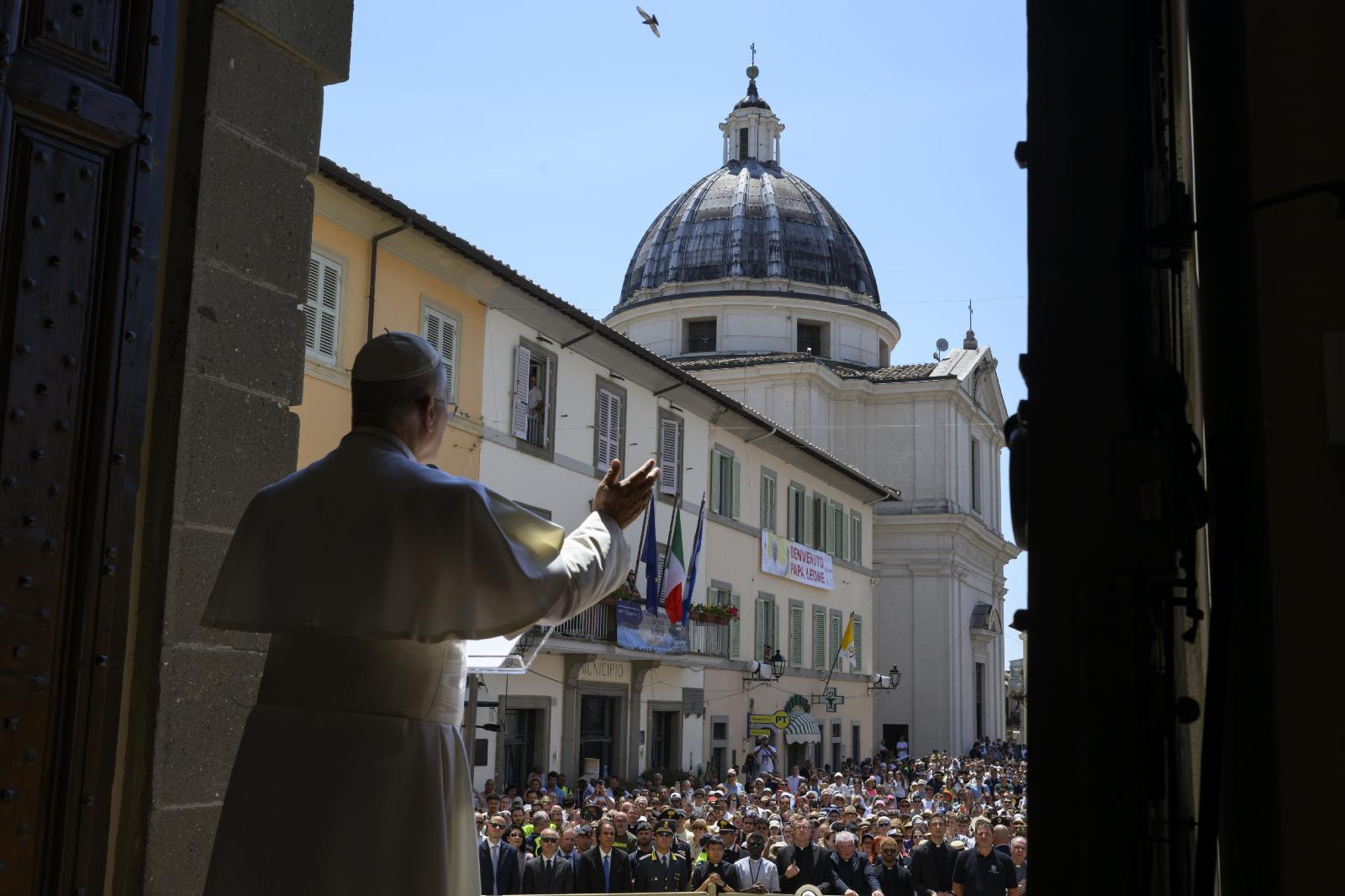
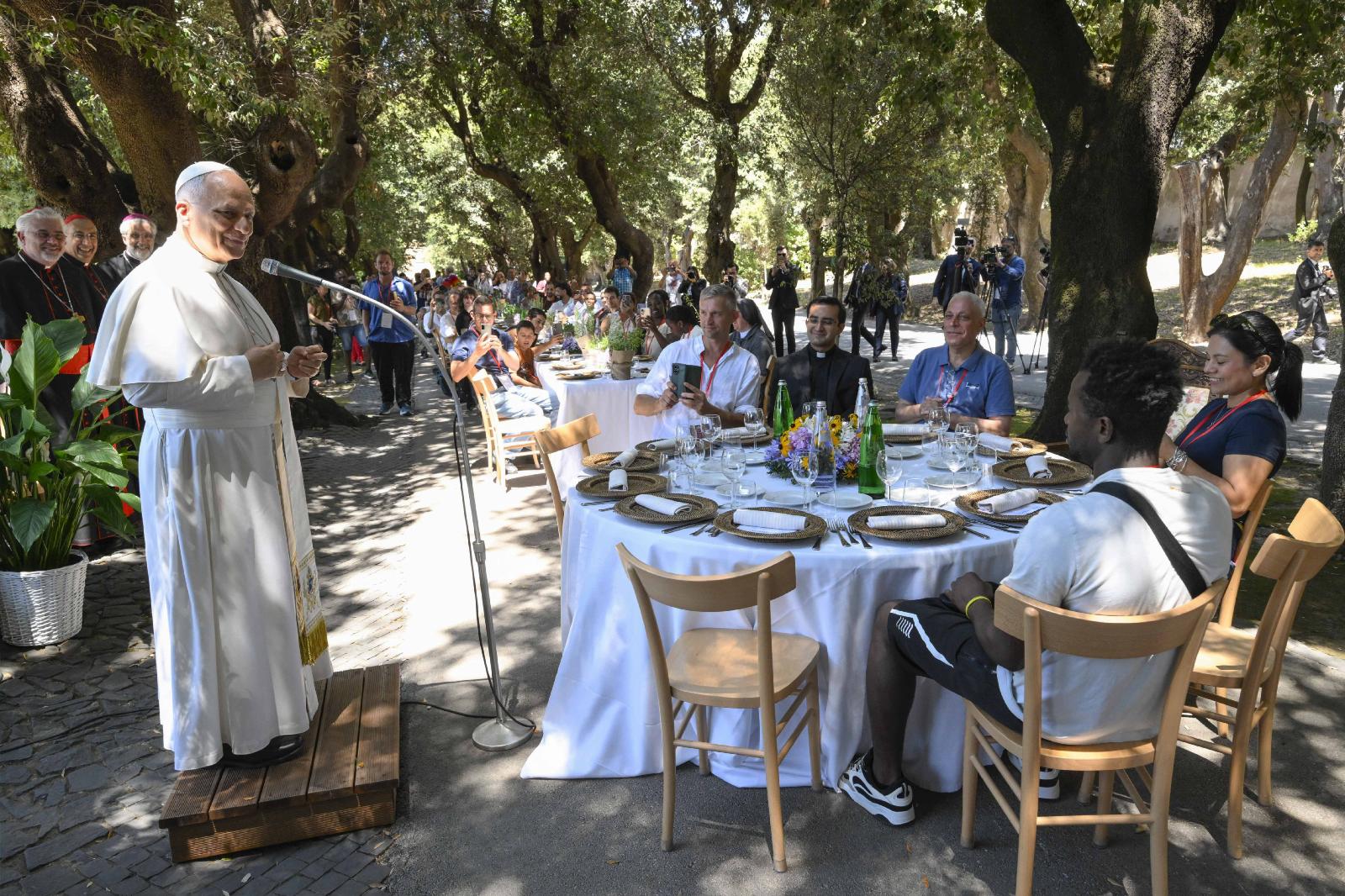
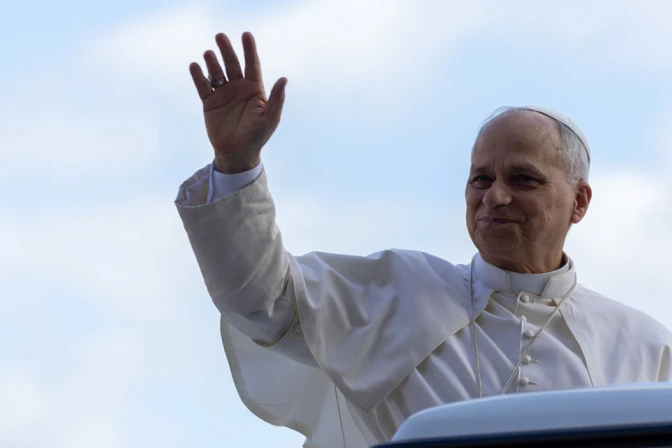
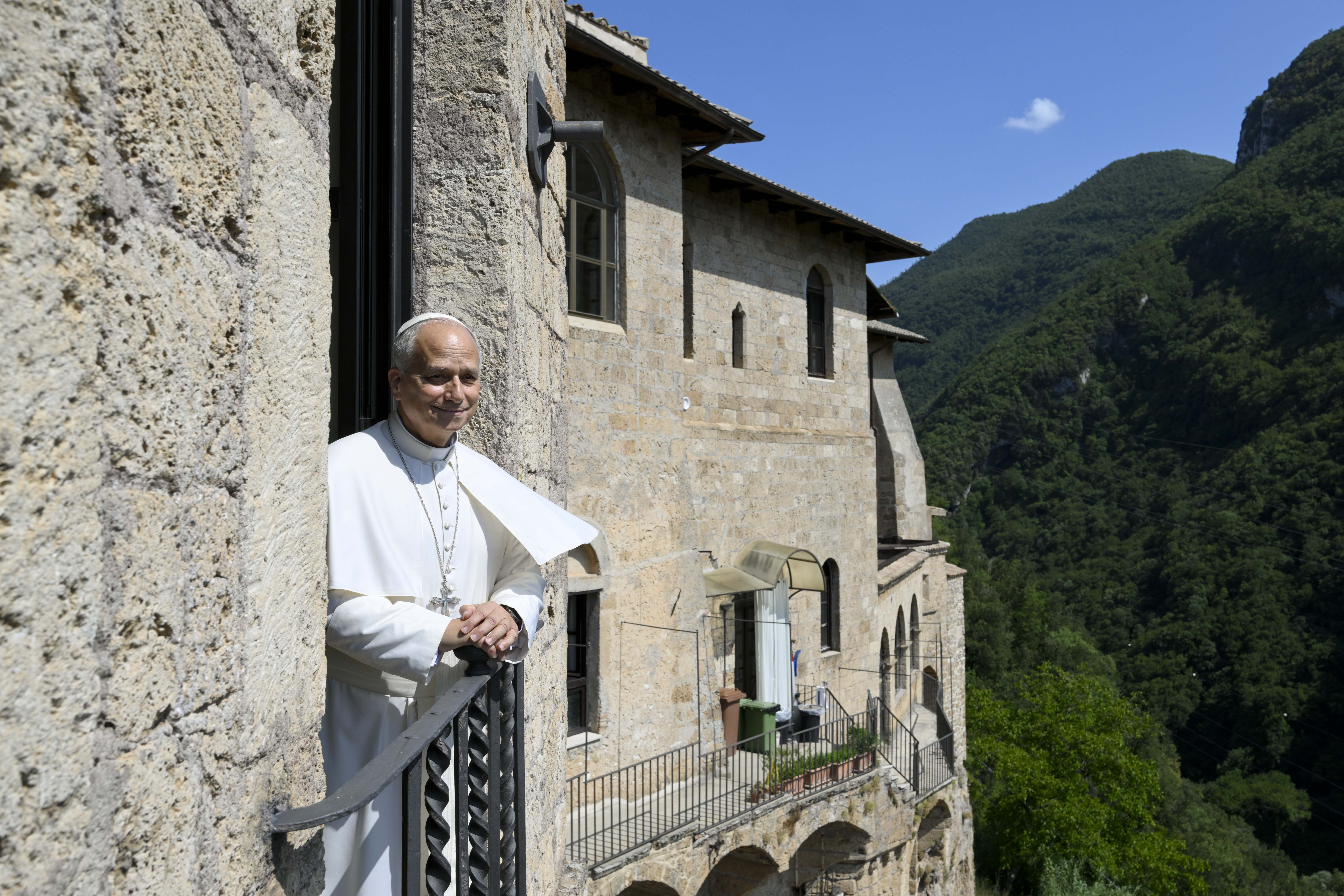
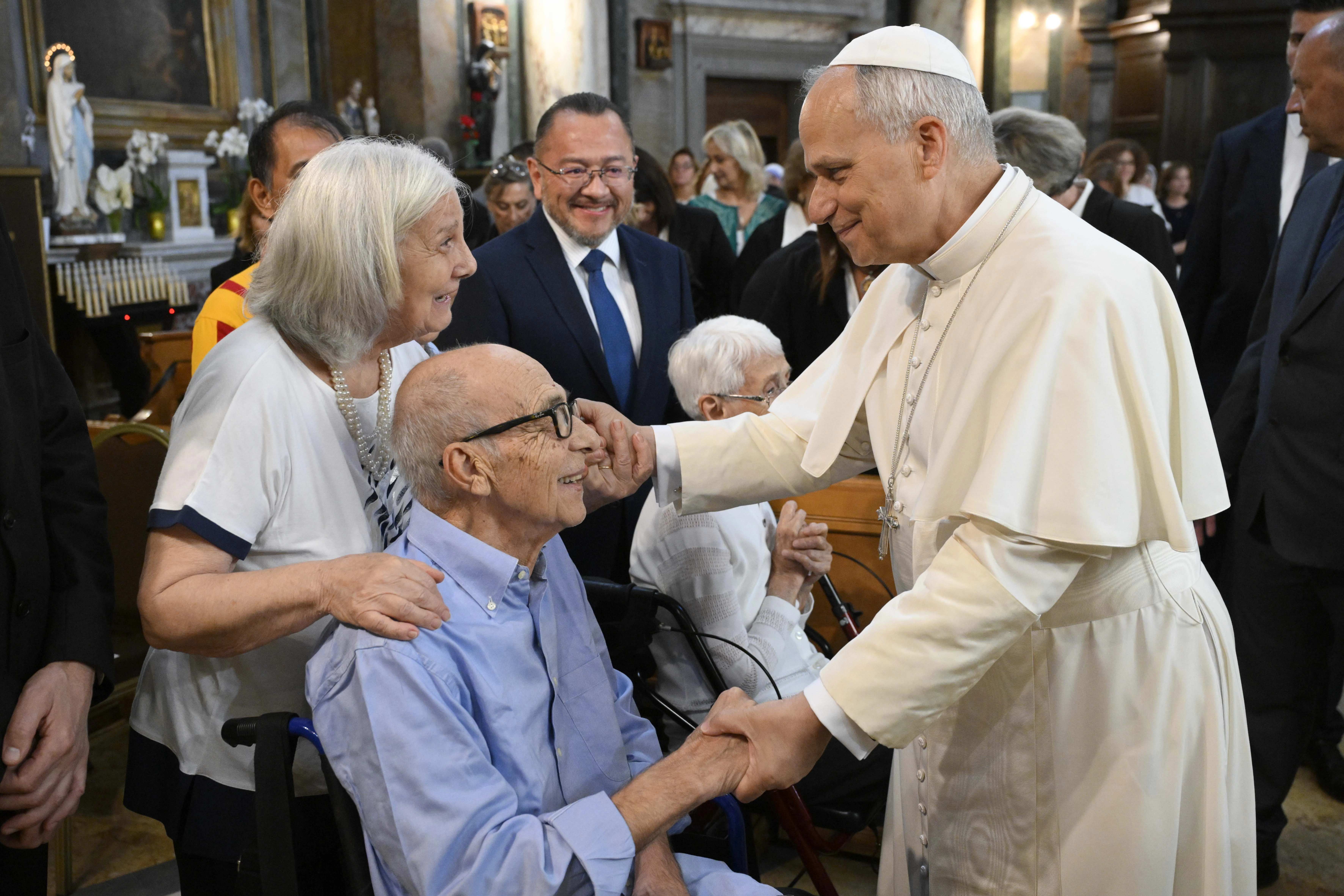
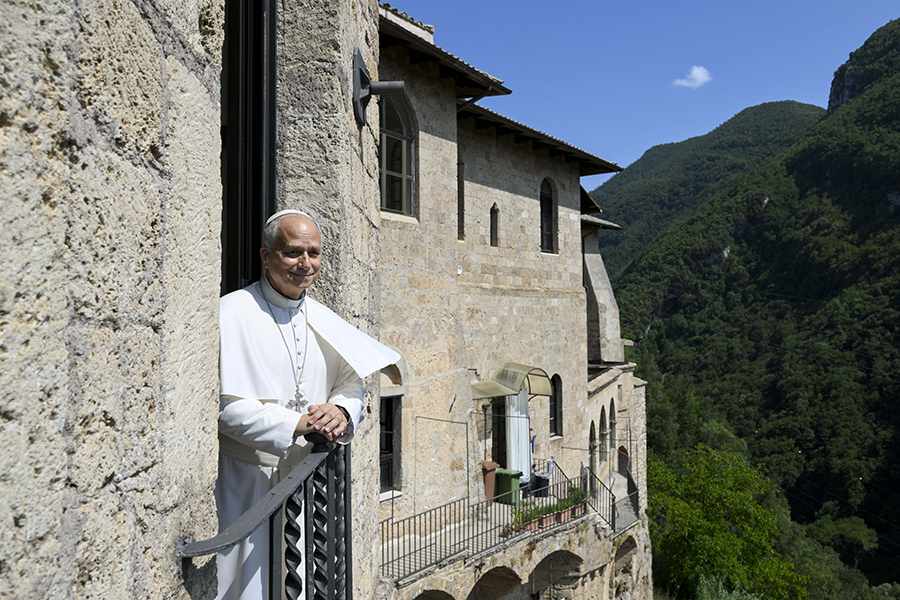
It’s a question the new pope — the first pope known to have attended the March for Life as a young man — recently addressed.
Consistent with Catholic Church teaching, Pope Leo XIV, who embraces a holistic approach to human dignity, condemned abortion as a practice that “cuts short a growing life and refuses to welcome the gift of life” in remarks Jan. 9. He called for “the protection of every unborn child and the effective and concrete support of every woman so that she is able to welcome life.”
He said more on this in a Nov. 15 message where he also called the dignity of the human person a gift.
“Dignity is a gift from God, who created the human being in his own image and semblance (cf. Gen 1:26),” he wrote. “It is not something that is obtained by merit or effort; nor does it depend on what we possess or achieve. It is a gift that goes before us: it is born of the look of love with which God wanted us, one by one, and continues to want us.”
He added that “On every human face, even when it is marked by fatigue or pain, there is the reflection of the Creator’s goodness, a light that no darkness can erase.”
While human dignity is a gift, it does not promise a life free of suffering or pain but it does guarantee a life where, in every moment, we are infinitely and eternally wanted and loved just as we are. It calls us to a life where we recognize that every person we encounter, born and unborn, is also wanted and loved.
Today, many threats to human life exist, but the pro-life movement identifies the most pressing one as abortion, which ends the lives of more than 1 million unborn babies nationwide each year. The pro-life movement sees, as Pope Leo said Jan. 9, that “the protection of the right to life constitutes the indispensable foundation of every other human right.”
At a time when the abortion rate is rising, access to abortion drugs is increasing, and the Hyde Amendment prohibiting public funding of abortion is up for debate, a cultural approach to life beckons us to see the human persons involved. It begs us to ask why women are seeking abortion — and respond to that.
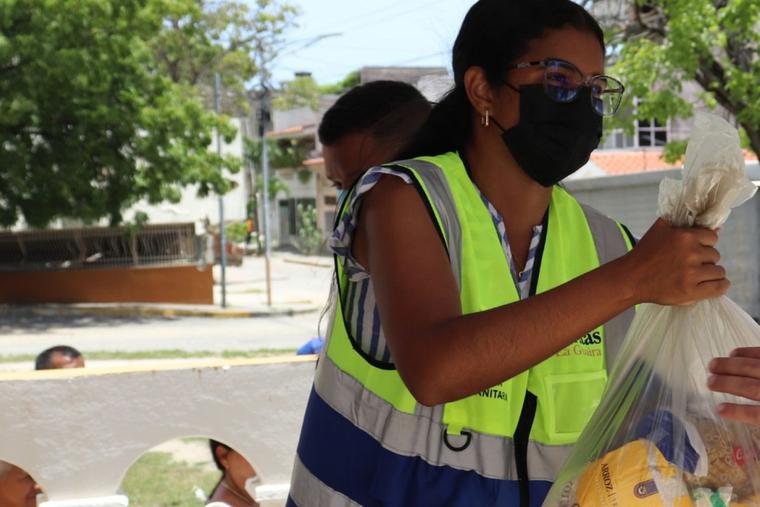
One person’s response might look different from another’s, but every person can contribute to building a culture of life. It might look like volunteering at or donating to one of the thousands of pregnancy centers that exist to help women in need. It might mean babysitting for a neighbor, cleaning an expectant mom’s home, or knowing about available resources in case someone asks. It might be as simple as speaking a word of encouragement to pregnant and parenting families or being present when someone needs to talk. It could look like a prayer; it could look like marching. It might even look like a baggie of M&M’s and marshmallows.
Life is a gift — a gift for us and, if lived well, a gift for others too.
Katie Yoder writes for OSV News from Maryland.
The post ‘Life Is a Gift’: How to embrace the March for Life’s 2026 theme first appeared on OSV News.