










In the footsteps of St. Oscar Romero
When I heard that an upcoming mission trip for the Maryknoll Fathers and Brothers was going to be to El Salvador, I didn’t hesitate to sign up immediately. I was eager to learn more about the work of St. Oscar Romero, especially because the testimony of his priesthood had moved me to tears, just as the testimonies of St. Damien on the island of Molokai and Blessed Stanley Rother in Guatemala had done.
That trip in 2023 coincided with the commemoration of the 43rd anniversary of St. Romero’s martyrdom. Like John the Baptist or an authentic “alter Christus,” knowing his death was imminent, he did not cease in the fulfilment of the mission entrusted to him: to advocate for justice, until his last breath, on behalf of the least fortunate among his people.
This was my first visit to El Salvador. Meeting its people and getting an overview of the situation left me with mixed feelings. On the one hand, in our encounters with Salvadorans, I perceived the scars of their historical, political and social wounds, but also recent political and social wounds that divide them. On the other hand, I witnessed their overwhelming kindness and generosity, which moved me deeply.
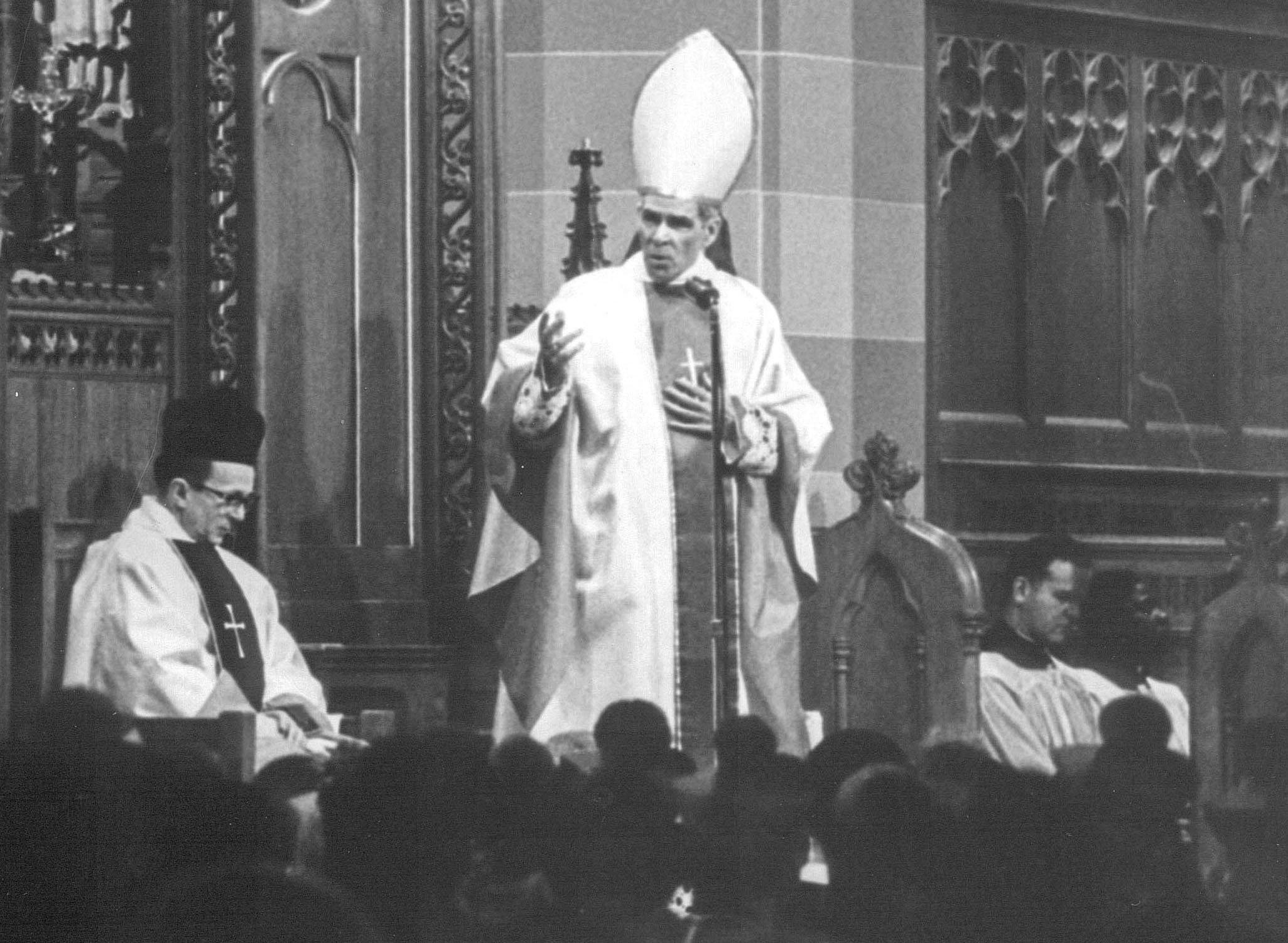
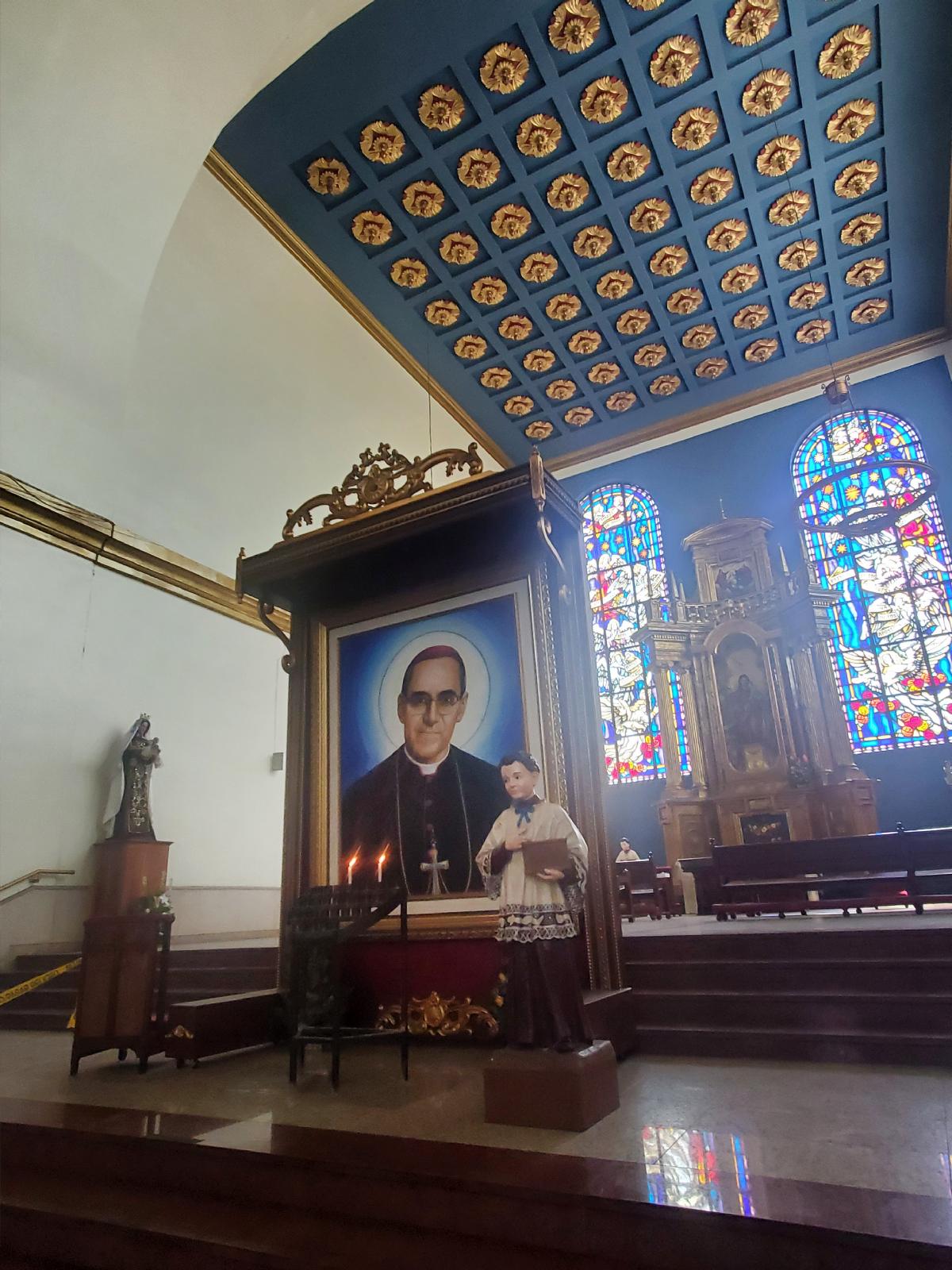
In the downtown of San Salvador, construction was underway on the National Library, and a few blocks from that site, in the cathedral, preparations were being made for the feast day — and martyrdom anniversary — of St. Oscar Arnulfo Romero y Galdamez, the archbishop of San Salvador from 1977-80 who was canonized Oct. 14, 2018, by Pope Francis.
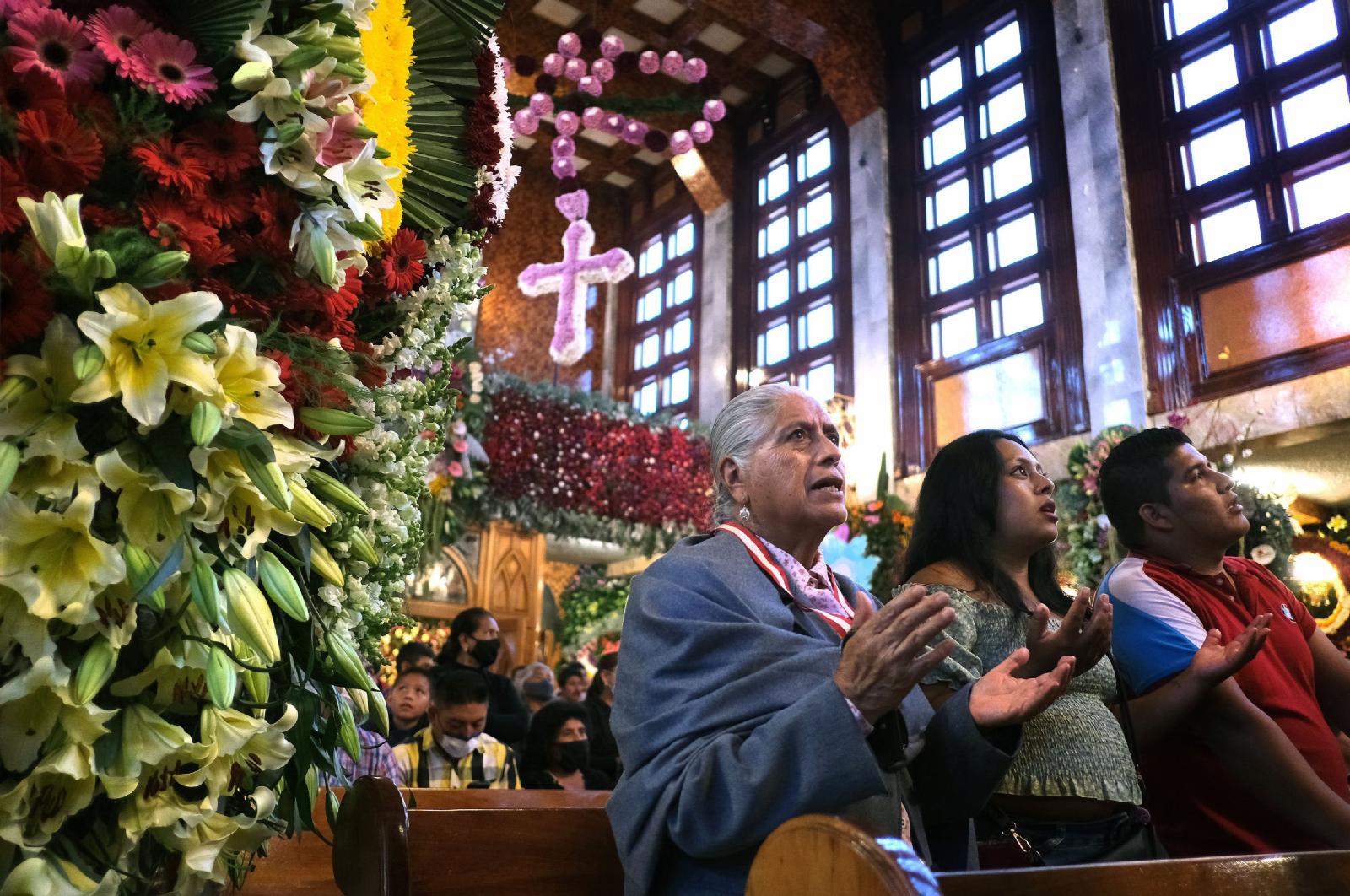
That morning — March 24, 2023 — in the cathedral was memorable for me. Hundreds of faithful, young and old, attended the Holy Eucharist: religious, lay people, supporters of St. Romero, the media and dozens of groups of pilgrims who also gathered around the saint’s crypt to pay tribute to him with songs and prayers. It was truly gratifying to hear the youth groups sharing what St. Romero means to them.
I was struck by the fact that St. Romero was not only a figure who gained international recognition, but was truly a prophet in his own land, loved by everyone there, Christian or not. Even the international airport in San Salvador bears his name, and several of its walls pay tribute to him.
During my mission trip, we had the opportunity to learn about the lives of other martyrs in El Salvador, but since my focus was on St. Romero, I want to highlight three lessons I learned from that visit to Central America.
First, the pressing need to touch the wounds of the afflicted. St. Romero is credited with the phrase, “There are many things that can only be seen through eyes that have cried.” He knew this better than anyone because he not only welcomed the tears of the direct victims of violence and social inequality but also shed tears for them and with them.
In his final years, he turned the Archdiocese of San Salvador into a place of welcome and listening for those who suffer, people from all walks of life who confided their fears to him and who offered him bonds of trust and friendship.
Second, preaching the Gospel, in all its implications, is an obligation. For, as St. Paul said in his first letter to the Corinthians, preaching it is not a cause for pride, but a duty (1 Cor 9:16). Woe to all Christians if we do not do so!
Thanks to the broadcasts of his homilies on the diocesan radio station, today we can marvel at a prophet of our times, who was not afraid to denounce the abuses of his country’s military, the abuse of authority by its leaders and the unequal distribution of wealth.
St. Romero never ceased to awaken the conscience of his compatriots, urging them to peacefully unite for just causes and claim the rights that belonged to them. His messages were always direct, without beating around the bush or using euphemisms. The day before his death, he openly begged the national guard to cease their harassment and persecution, appealing to the commandment not to kill.
Finally, give your life! It may not be to the extreme, like Jesus who gave his on the cross, or at the point of a bullet, like St. Romero, but wear it out in unconditional dedication, taking up a cause to alleviate the pain of those who are suffering.
Tertullian affirmed that the blood of martyrs is the seed of the Church. May the blood of St. Romero germinate in each of us during this Lent the desire to fearlessly assume our identity as Church, for, in the end, the consequence will never be death, but eternal life.
Ely Segura is a laywoman and creator of the Teófilo project, an initiative for the faith formation of Hispanic adults in the United States (www.proyectoteofilo.com).
The post In the footsteps of St. Oscar Romero first appeared on OSV News.