






Meet the saints of Southern Arabia’s new calendar
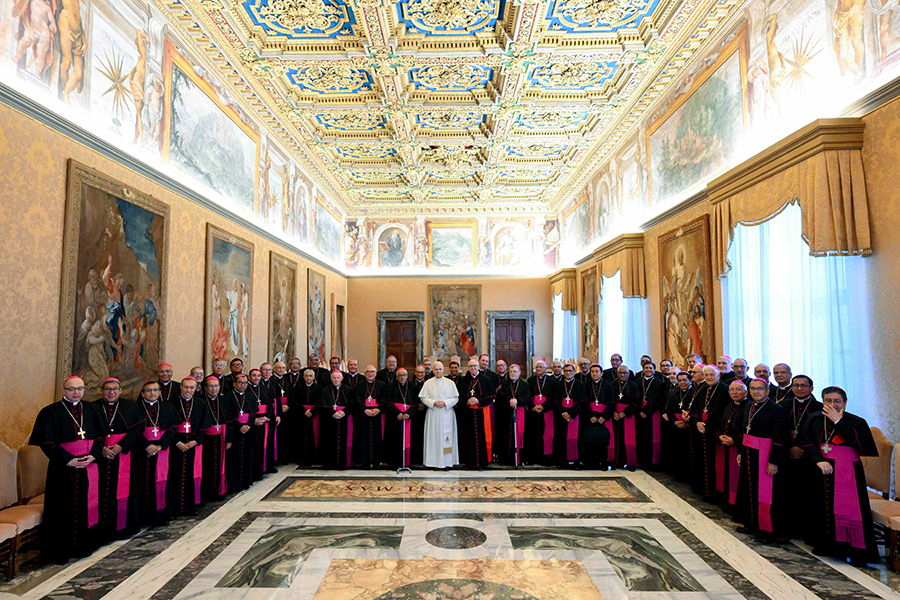
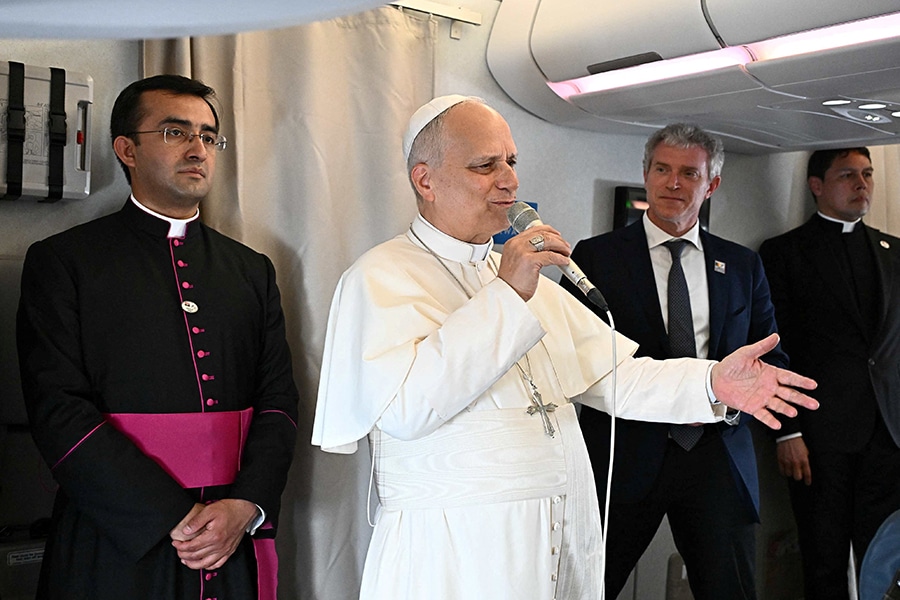
The Apostolic Vicariate of Southern Arabia announced Monday the Vatican’s formal approval of its new patron saints and liturgical calendar.
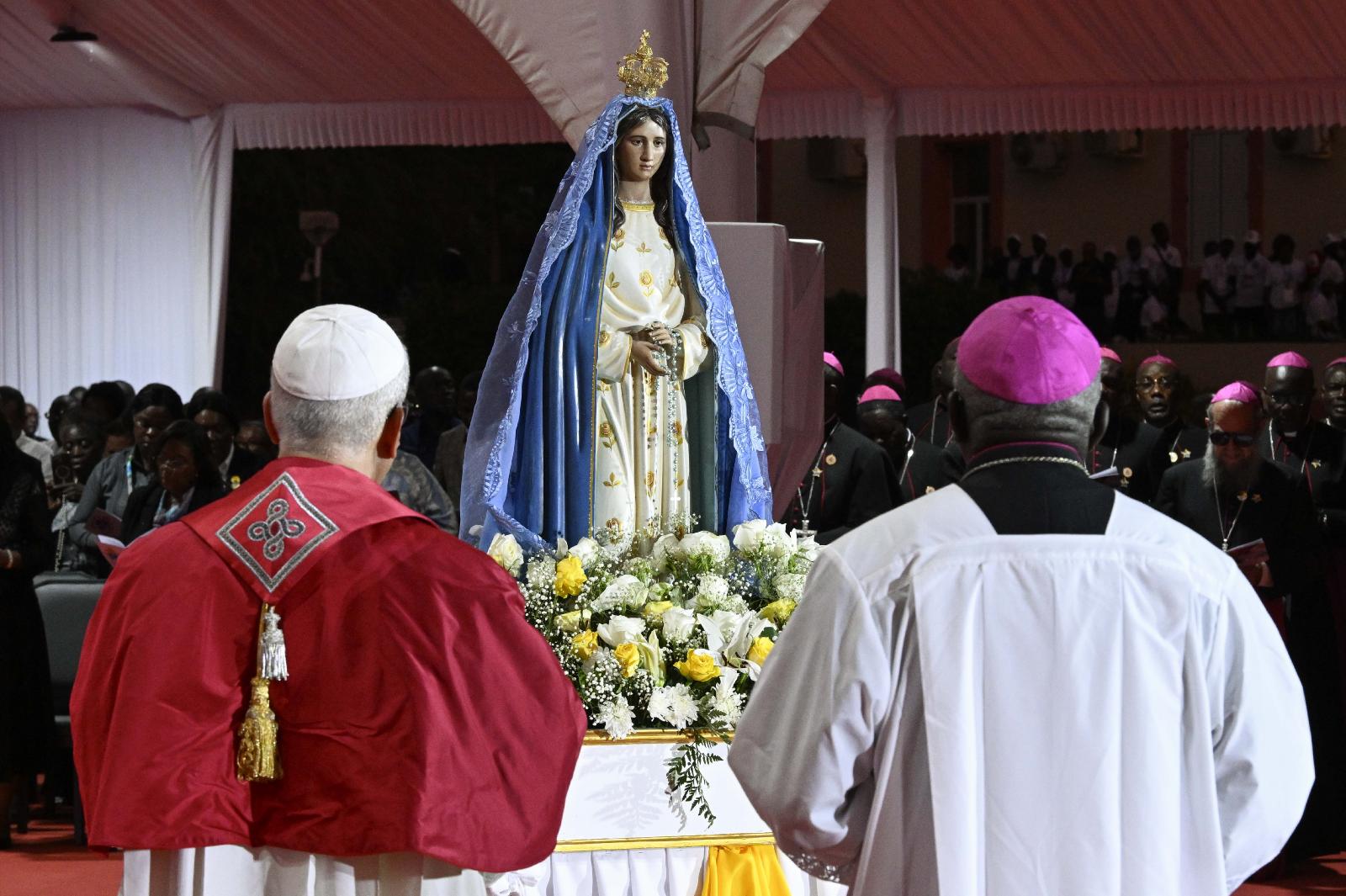
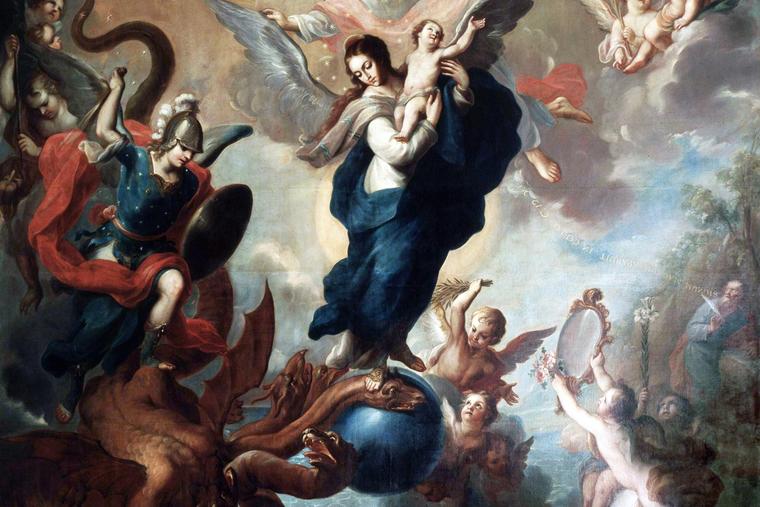
The vicariate announced Aug. 19 that the Dicastery for Divine Worship and the Discipline of the Sacraments had approved designating Saint Peter, Saint Paul, and Our Lady of Arabia as patron saints of the region.
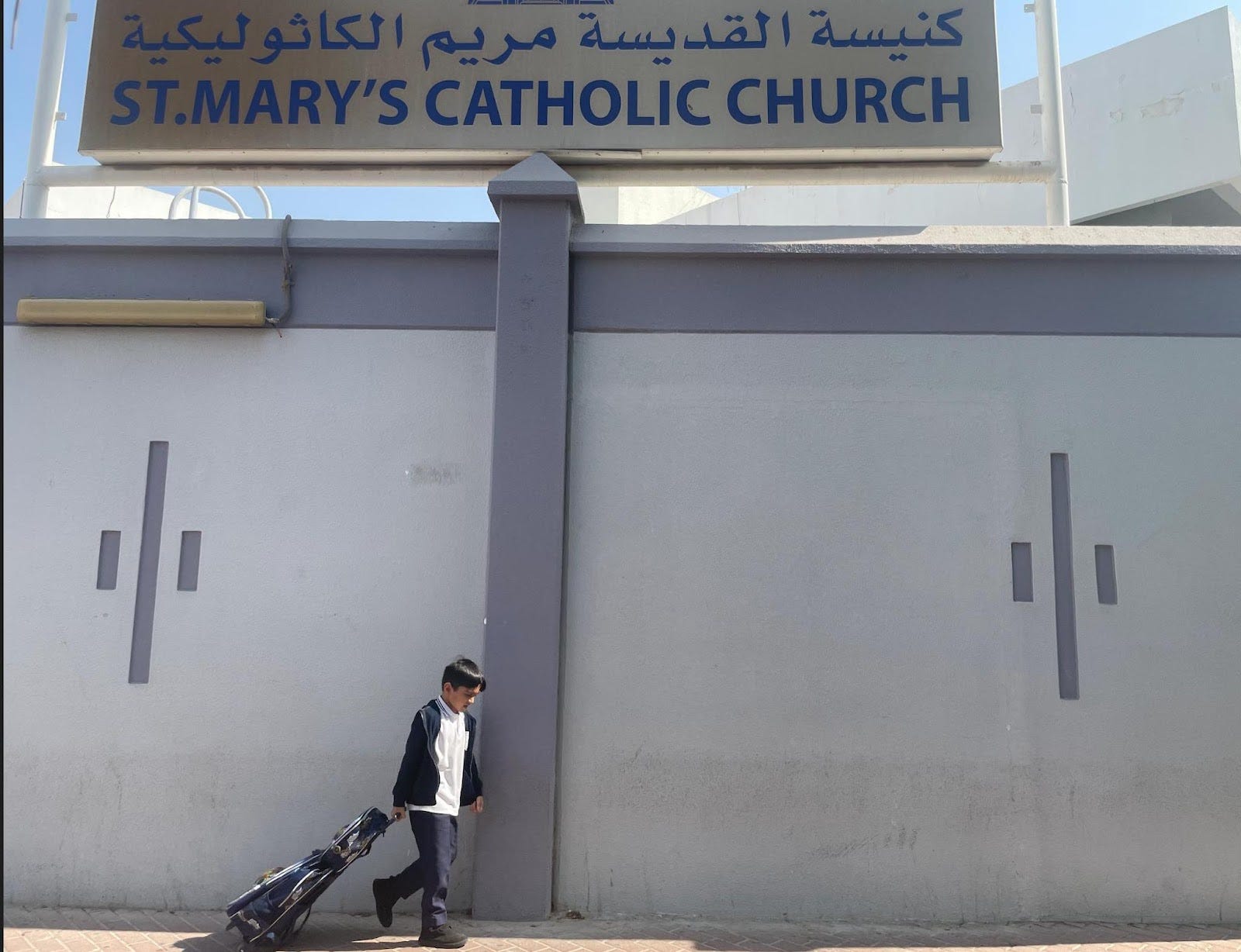
The vicariate, which is of the Latin rite, covers the United Arab Emirates, Yemen, and Oman, and has 69 priests serving more than one million Catholics in 16 parishes, many of them members of large immigrant communities from the Philippines, India, and Sri Lanka.
Our Lady of Arabia was already the patron saint of the Vicariate of Northern Arabia, and Pope Leo elevated the Church of Our Lady of Arabia in Kuwait to minor basilica in July 2025, making it the first minor basilica in the Arabian peninsula.
The new calendar also includes saints connected to the region that rarely feature in other particular liturgical calendars, including the 6th century martyrs Saint Arethas and his companions, Ethiopian King Saint Caleb, and Blessed Charles Deckers.
The story of Saint Arethas and Saint Caleb are closely related.
Saint Arethas and his companions were martyred in 523 AD as the King of Himyar, in present-day Yemen, systematically persecuted Christians in the region, burning churches, forcing people to apostatize, and killing those who refused.
Saint Arethas was the leader of the Christian community of Najran, in present day Saudi Arabia. The invaders ordered priests, deacons, nuns, and even some laymen to be burned alive, while some Catholic men, and all women and children were decapitated. Historical estimates disagree on the exact number of martyrs, ranging from 340 to more than 4,000.
According to the acts of his martyrdom, Saint Arethas said that “to die for Christ is to find life” adding that “as a vine pruned at the correct time gives a good yield of fruit, God will multiply the Christian population … the Church which has been burned down will be raised up.”
After hearing news of the persecution, King Caleb invaded the region from Ethiopia to protect the local Christians and appointed a Christian as his viceroy in Himyar.
Despite the fact that both Caleb and Arethas and his companions were miaphysites — the heresy that Christ had only one nature, both divine and human, rather than two distinct natures — both have been included in versions of the Roman Martyrology since at least the 16th century.
According to tradition, after much fighting with the Himyar Kingdom, Caleb abdicated the throne, gifted his crown to the Church of the Holy Sepulchre in Jerusalem, and lived the rest of his life in a monastery.
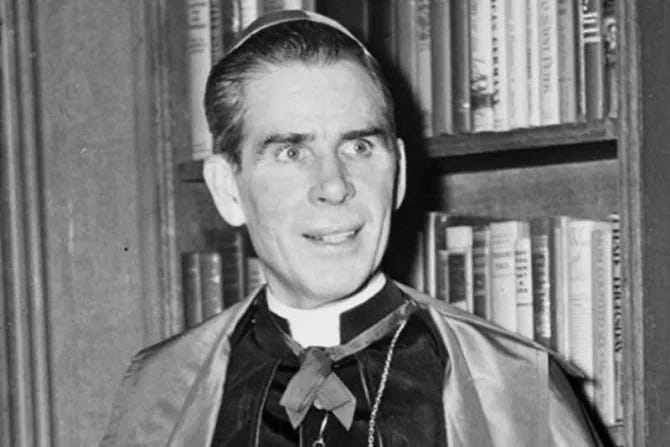
Blessed Charles Decker was born on December 26, 1924 in Antwerp, Belgium. He made his vows as a member of the Missionaries of Africa, also known as the White Fathers, in 1949.
After his ordination, he went to Tunis to study Arabic and lead a youth hostel run by the White Fathers. In 1982, Decker was sent to Yemen, where he worked in interreligious dialogue between Christians and Muslims. In 1987 he went to Algeria, where he served in parish ministry until he was killed by Islamic forces in 1994 as he prepared to celebrate Mass, one of the 19 martyrs of the Algerian civil war.
He was beatified by Pope Francis in 2018.
The calendar also includes a commemoration of all dead missionaries who served in the vicariate on November 5. It also includes the commemoration of the Dedication of the Cathedral of Saint Joseph in Abu Dhabi on February 25.
The calendar includes the feast of Saint Isaac the Syrian on January 29, who, despite his name, was born in what now is Qatar, which is covered by the Vicariate of Northern Arabia.
Saint Isaac was a 7th century bishop of the Assyrian Church of the East, which is not in full communion with the Catholic Church.
He was added by Pope Francis to the Roman Martyrology in November 2024, and the vicariate’s liturgical calendar is the first particular calendar to include his feast day.
The calendar also includes three Ember Days, observed as “Days of Prayer,” spread throughout the year in accord with the Church’s universal norms on the liturgical year.
Before the Second Vatican Council, Ember Days were universal in the Latin Church made up of four seasonal sets of Wednesday, Friday, and Saturday with fasting and prayer, which were usually connected to vocations, thanksgiving for harvests, and petitions for God’s blessing.
However, many bishops’ conferences moved to remove Ember Days from their liturgical calendars years after the Second Vatican Council, making the vicariate one of the few regions in the world to officially include such days in its liturgical calendar.
The days observed in the vicariate will be the first Friday of June, observed in thanksgiving for creation, the last Friday of November, observerd for favorable weather, and the first Friday of March, dedicated to praying for the needs of the Church in the vicariate. The March date was chosen for its proximity to the the terrorist massacre of the Missionaries of Charity in Aden in 2016.