









Pope encourages Neocatechumenal Way to continue mission ‘without closing yourselves off’

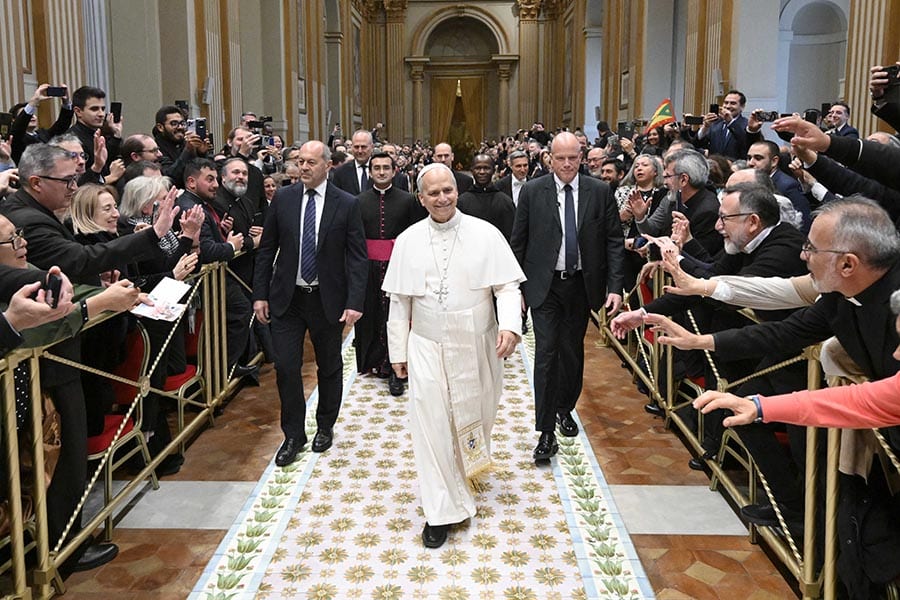
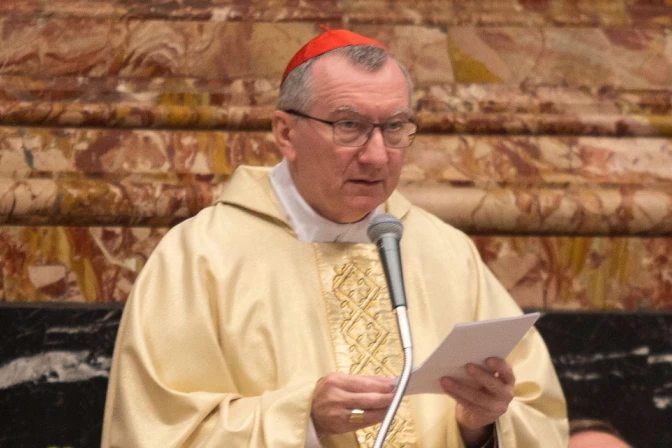
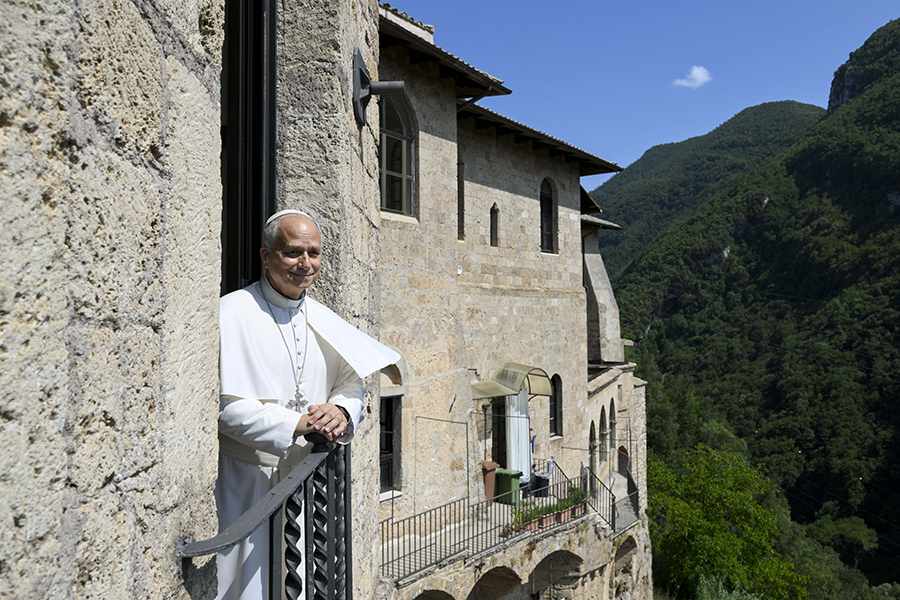
The zeal to evangelize and announce the Gospel must be tempered with charity and respect for an individual’s conscience, Pope Leo XIV told members of the Neocatechumenal Way.
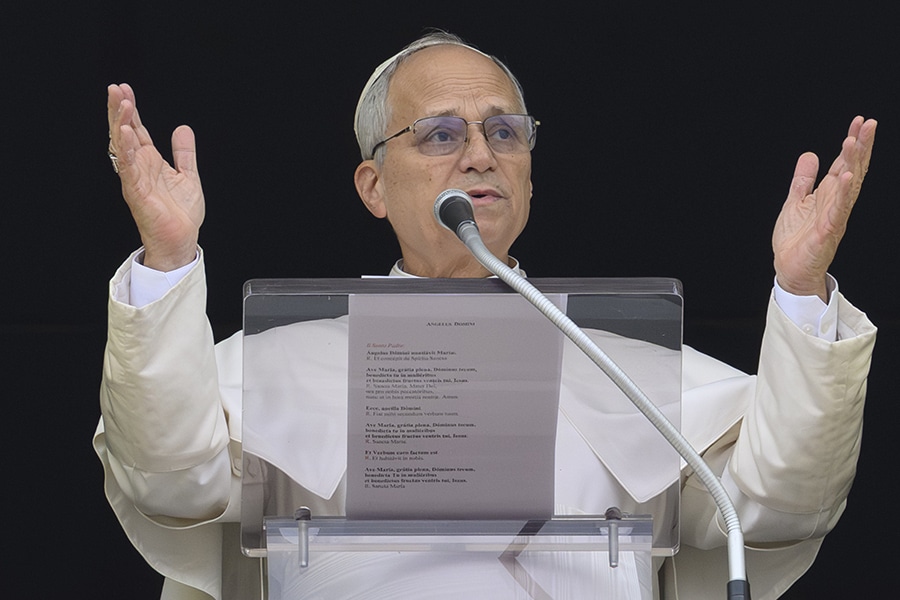
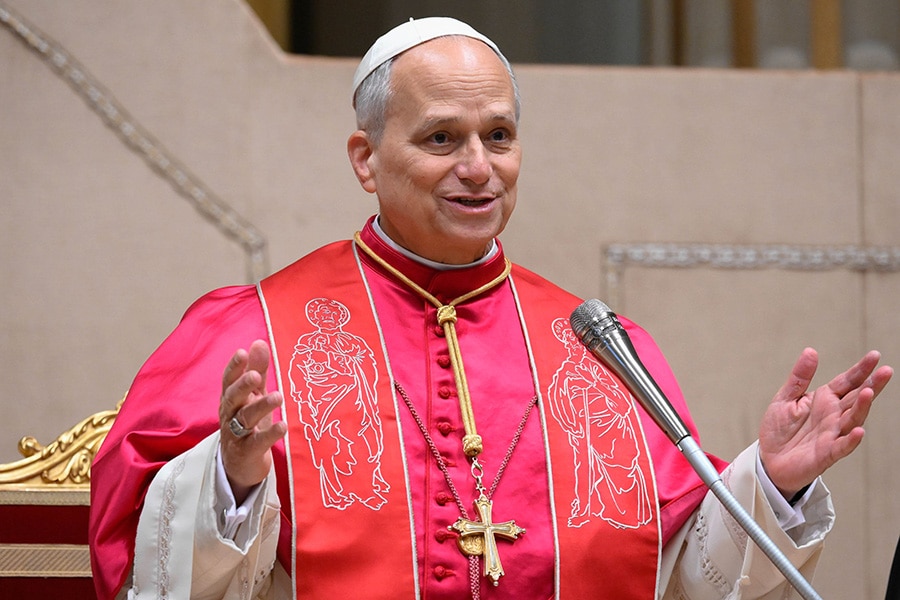
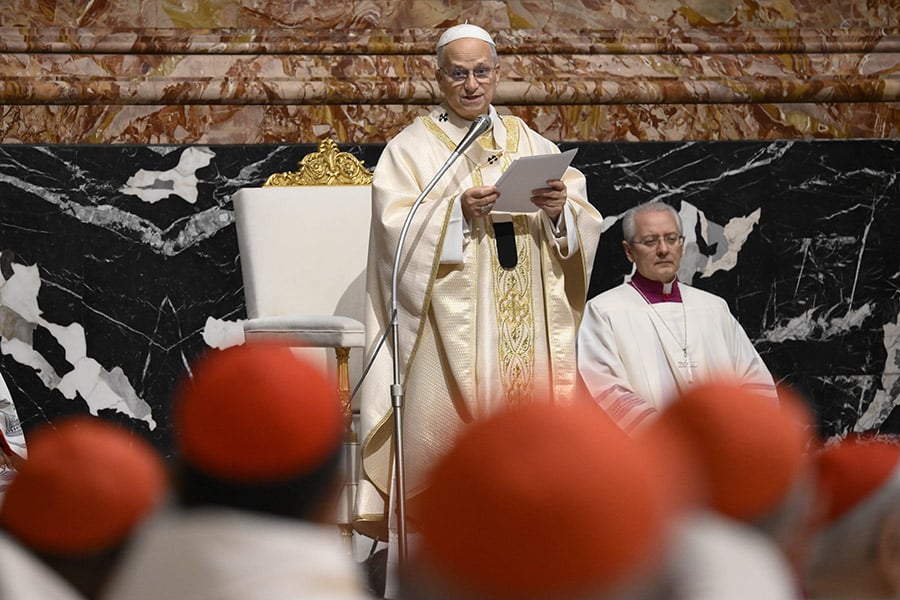
“Within the Church, no gift of God is more important than another — except for charity, which perfects and harmonizes them all — and no ministry must become a reason to feel superior to one’s brothers or to exclude those who think differently,” the pope said Jan. 19 to members of the Neocatechumenal Way gathered at the Vatican.
The pope met with 1,000 itinerant catechists at the meeting, including Kiko Argüello, founder of the ecclesial reality, along with Father Mario Pezzi, and Maria Ascensión Romero, who comprise the international team responsible for the Neocatechumenal Way worldwide.
Founded in Spain in the 1960s, the Neocatechumenal Way was defined by St. John Paul II as an “itinerary” of Catholic formation. According to its website, the movement is present in 139 countries with 20,300 communities in 6,197 parishes, as well as 936 families in mission across 68 countries.
In a statement published shortly after the audience, the Neocatechumenal Way said Argüello presented the pope with a copy of an icon of the Good Shepherd he painted in 1982.
Argüello, an artist who notably painted a series of icons in the Cathedral of Our Lady of La Almudena in Madrid in 2004, also presented a publication featuring his iconography “since the pope is planning a visit to Spain in the coming months,” the statement said.
In his address, Pope Leo recognized the fruits of the Neocatechumenal Way’s evangelization efforts, which “represent a precious contribution to the life of the Church.”
“To everyone, especially to those who have drifted away or those whose faith has grown dim, you offer the possibility of a spiritual journey through which they can rediscover the meaning of Baptism,” the pope said. “This allows them to recognize the gift of grace they have received and, consequently, the call to be disciples of the Lord and His witnesses in the world.”
The pope also expressed his gratitude to the many families in mission who left behind “the securities of ordinary life” and set out on mission, sometimes in dangerous areas, “with the sole desire of proclaiming the Gospel and witnessing to God’s love.”
However, the pope also told members of the Neocatechumenal Way that carrying out the mission to evangelize also requires “interior vigilance and wise critical capacity to discern certain risks that are always lying in wait within spiritual and ecclesial life.”
“We must always remember that we are the Church and that, if the Spirit grants a particular manifestation to each person, it is given — as the Apostle Paul reminds us — ‘for the common good’ and, therefore, for the mission of the Church itself,” he said.
He also encouraged them to be “witnesses of this unity,” while reminding them that while their “mission is distinctive,” it was “not exclusive.”
“You do a great amount of good, but its goal is to allow people to know Christ, while always respecting the life path and conscience of each individual,” he said.
Pope Leo told the members of the Neocatechumenal Way that they must live their spirituality “without ever isolating yourselves from the rest of the ecclesial body” and to “go forward in joy and humility, without closing yourselves off, as builders and witnesses of communion.”
Emphasizing the Catholic Church’s support and gratitude, the pope reminded them that “where the Spirit of the Lord is, there is freedom.”
“The proclamation of the Gospel, catechesis, and the various forms of pastoral activity must always be free from forms of coercion, rigidity, and moralism, so that they do not generate feelings of guilt and fear rather than interior liberation,” he said.
The pope’s words on personal freedom echoed similar remarks by Pope Francis, who, in 2014, warned the ecclesial reality against the dangers of pressuring its members and to respect their choice “to seek, outside the Way, other forms of Christian life that may help him or her to grow in their answer to the Lord’s response.”
Read More Vatican News