






Pope Leo Stands for Life in Latin America
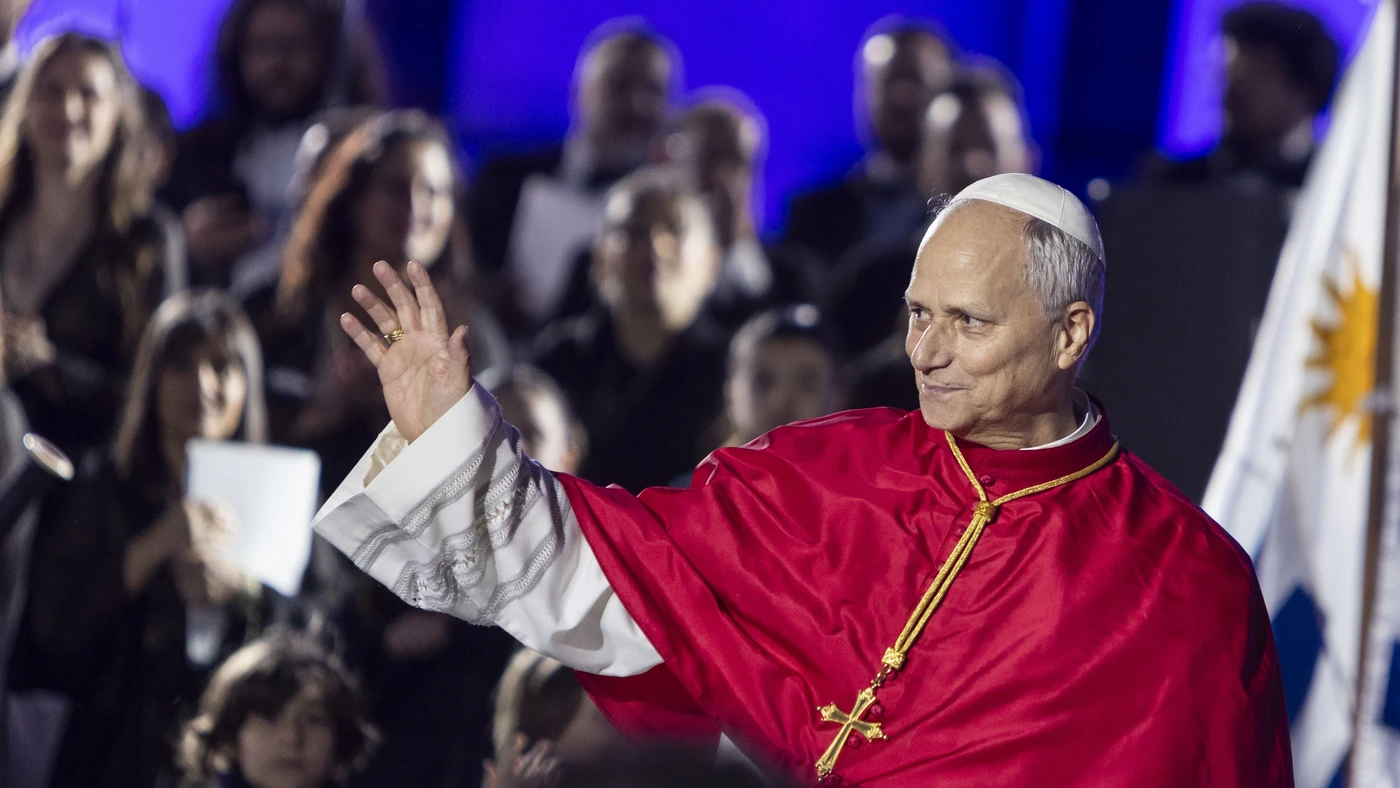
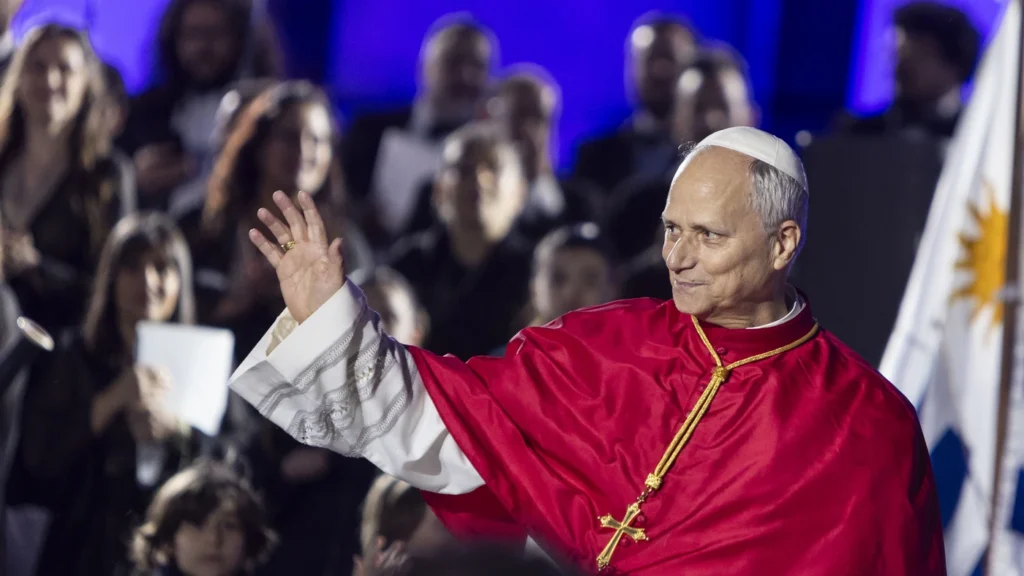
You won’t learn this from the U.S. media, but one of the recurring themes of Pope Leo XIV’s recent apostolic journey to Uruguay, Argentina, and Peru was a robust defense of the unborn. In each of his major addresses in these countries, he told the civil authorities—including their presidents—that they must do more to protect human life from its very beginning.
The pope’s first stop was Uruguay, the most secularized country in all of Latin America and arguably the most dangerous for the unborn and the elderly. Its parliament legalized abortion in 2012 and euthanasia in 2025.
This did not deter Pope Leo. When President Yamandú Orsi and the entire Uruguayan parliament—along with tens of thousands of others—gathered on the central plaza of the capital city of Montevideo on November 6th to hear him, he urged them “to reflect on life that is just beginning, as well as life still developing in the mother’s womb.”
“The unborn already belong to the human family and to the future of their people,” the pope went on. “Their absolute dependence on their mother does not diminish the dignity to which they are entitled or the protection they deserve. Welcoming a new life requires that fathers assume their responsibility alongside mothers, that the family offer its support, and that social conditions exist that allow both parents to raise and care for their children. The protection of the unborn and the support of those who welcome them are inseparable. The family remains the primary setting in which each person is welcomed and learns to live with others.”
“The future of humanity passes by way of the family,” he concluded, quoting from St. John Paul II’s famous apostolic exhortation Familiaris Consortio.
From Uruguay the pope traveled to Argentina, a historically Catholic country that only legalized abortion in 2020. The current president, Javier Milei, is strongly pro-life and is eager to once again protect Argentina’s unborn.
The pope’s remarks in Buenos Aires will certainly help make that happen. He challenged those present, who included most of the country’s elected officials, to think about those not yet born.
“What place do children not yet born occupy in our decision-making?” he asked. “Before asking ourselves what kind of world we will leave our children, we must first recognize their dignity.”
Referring to St. John Paul II’s encyclical Evangelium Vitae, he insisted, “Our responsibility toward future generations begins with welcoming life from its very first moments and safeguarding it until its natural end.
“That same dignity requires that particular concern be shown for those affected by illness, dependency and disability. Here too, we have a duty to care for others, to alleviate suffering, to accompany them, and to ensure that every person feels that his or her life always retains a value that no circumstance can diminish.”
His final stop was in Peru, which is perhaps the most pro-life of all Latin American countries. Not only does the country forbid nearly all abortions, but the country’s very constitution guarantees the rights of the unborn (concebido—“the conceived” in Spanish).
Here in the capital of Lima on November 12th, before yet another huge crowd, Pope Leo beautifully expressed what he called “the dignity of nascent life.”
“Human life does not begin in a vacuum,” he asserted. “It is born of the love between a man and a woman who, giving themselves to one another, open themselves to the gift of a new life. A child is the fruit of this communion, not a product, and from the very beginning bears within the mark of the relationship of origin. This most fragile beginning is nurtured in the mother’s womb, the first place of welcome, where the initial bond becomes closeness and protection. According to the Creator’s plan, the human person is conceived and grows within this web of relationships. Thus, the dignity of nascent life finds its proper place in the family.”
Taken together, these three statements in three Latin American countries constituted an impressive defense of life by the Holy Father. And because his speeches were carried live by the Latin American media, tens of millions more throughout the continent heard his clear teaching.
“The Pope’s addresses are extraordinarily good news for our cause,” Argentinian pro-life leader Dr. Carlos Beltramo told me. “It is particularly important that he directly condemned abortion in Argentina, where it was legalized not long ago. His very clear and positive statements about the need to protect and care for human life from its very beginning will aid our efforts and those of President Milei to overturn this unjust legislation and once again protect life.”
Speaking of the Peruvian situation, Carlos Polo, Latin American director for the Population Research Institute (PRI), believes that Pope Leo XIV’s statements mark a turning point in the regional fight for life. “The Pope strong remarks will encourage our bishops to speak out more on these issues,” he noted. “They will also help us to secure stronger support from the Church hierarchy for our legislative initiatives, such as removing the abortion pill from the market in different countries.”
Pro-lifers throughout Latin America were overjoyed that Pope Leo, who has such close ties to Latin America because of his long years of missionary work there, chose to emphasize the life issues during his apostolic journey. They will be quoting his words in support of their pro-life initiatives for years to come.
In Carlos Polo’s words, “His clarity on these issues provides us with the moral authority we need to win the battle for life.”
Photo by Martín Pérez/Presidencia de Uruguay via Wikimedia Commons, CC BY 4.0