














The Price of Our Priorities
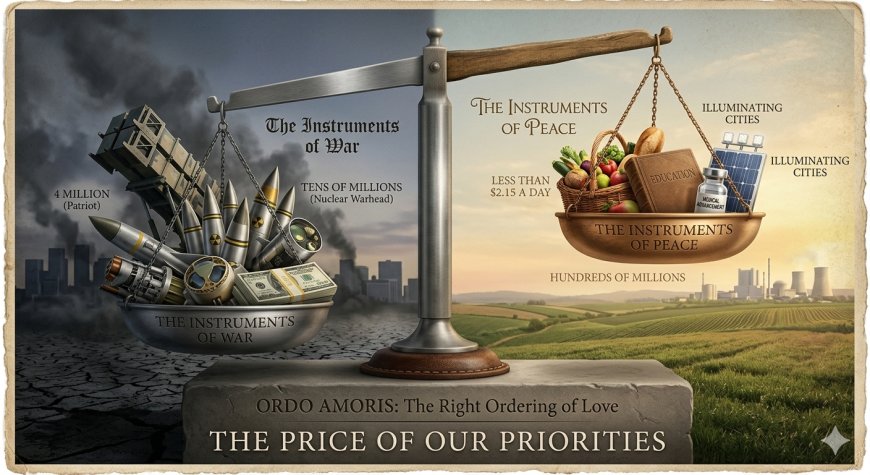
In the Cold War twilight, John F. Kennedy warned that “the instruments of war have far outpaced the instruments of peace.” History has not corrected him. It has sharpened his insight. Today, global defense systems grow more sophisticated and more expensive, while the most basic human needs remain unmet. A single Patriot interceptor missile costs roughly $4 million, and advanced systems can reach far higher. These are not abstract figures. They are moral choices expressed in numbers.
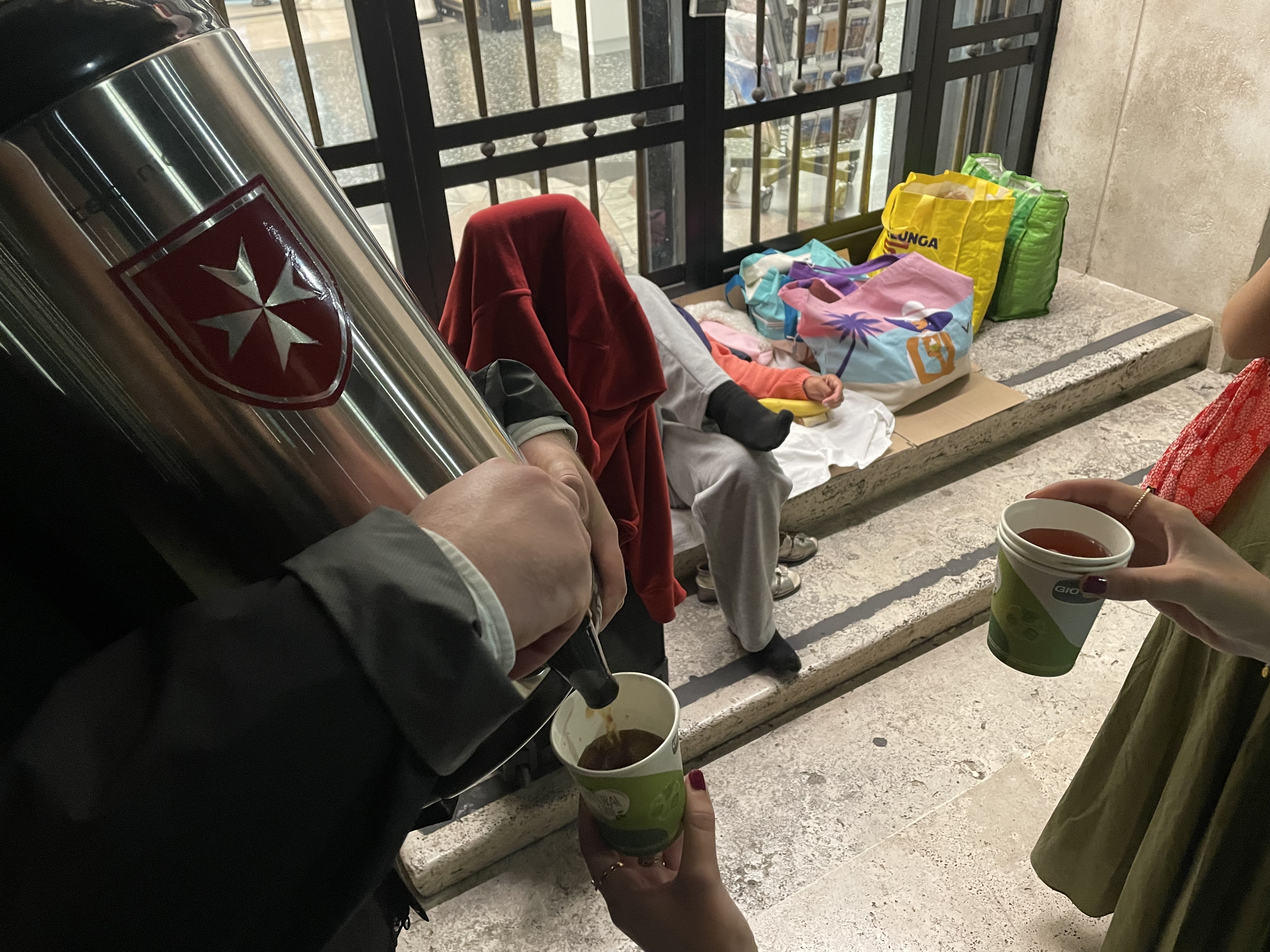
Set beside this is a quieter reality. According to the World Bank, hundreds of millions of people still live in extreme poverty, surviving on less than $2.15 a day. The contrast is stark and difficult to defend. In a single month of modern conflict, billions of dollars in munitions can be expended. The same scale of resources could sustain food systems, fund education, or strengthen fragile health infrastructures across entire regions. The imbalance is not merely economic. It reveals what we are willing to prioritize when pressed.
Nowhere is this contradiction more severe than in the realm of nuclear weapons. The modernization of nuclear arsenals is projected to cost over $1 trillion in the United States alone over the coming decades. Individual nuclear warheads, when research, development, and delivery systems are included, represent investments of tens of millions of dollars each. Yet the destructive power they hold cannot be measured in currency. It is measured in cities erased and generations undone. And here lies the deeper tragedy: the same scientific mastery that split the atom could have been directed more fully toward sustaining life—toward energy security, medical advancement, and the uplift of the poorest. Nuclear power, rightly ordered, can illuminate cities. Nuclear weapons, wrongly ordered, threaten to extinguish them.
I do not see this only as a policy failure but as a distortion of the moral imagination. The tradition speaks of ordo amoris, the right ordering of love. When societies invest more readily in instruments of destruction than in the preservation of life, something deeper than strategy is disordered. This is not a call to deny the reality of conflict or the need for defense. It is a call to examine proportion, intention, and conscience.
The danger is not only that we may destroy one another. It is that we may slowly accept this inversion as normal. A civilization that perfects its weapons while neglecting its poor risks losing its claim to moral seriousness. The path forward requires more than reform. It requires conversion—a reordering of priorities grounded not in fear, but in the dignity of the human person.
image: generated from Gemini
Bro. Jim C. Salonoy, S.Th.B.