






The Soldiers Who Came to Padre Pio
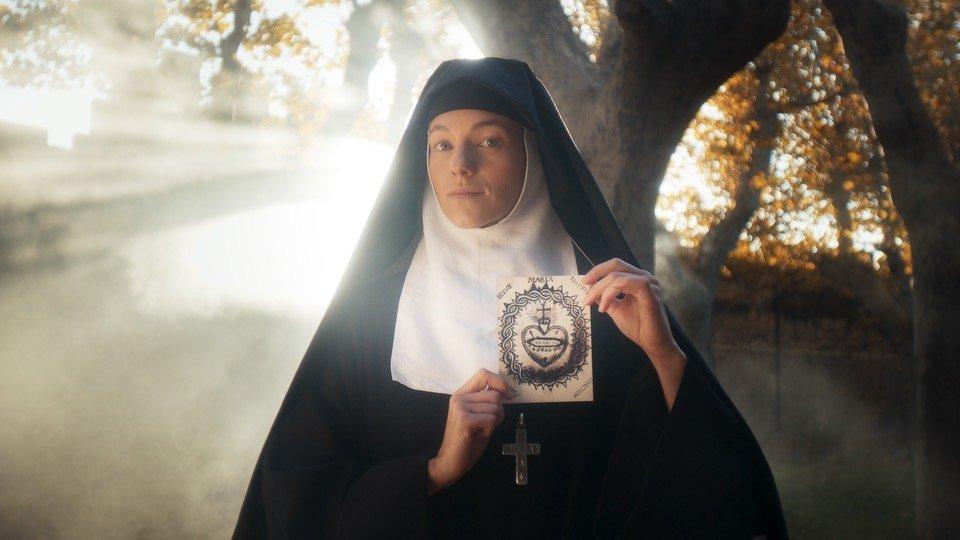
During World War II, the quiet mountain town of San Giovanni Rotondo was transformed by the arrival of American soldiers. The narrow streets that had once echoed with the footsteps of pilgrims were now filled with military vehicles, unfamiliar accents, and young men far from home. For Mary Pyle, their presence was both unexpected and providential.
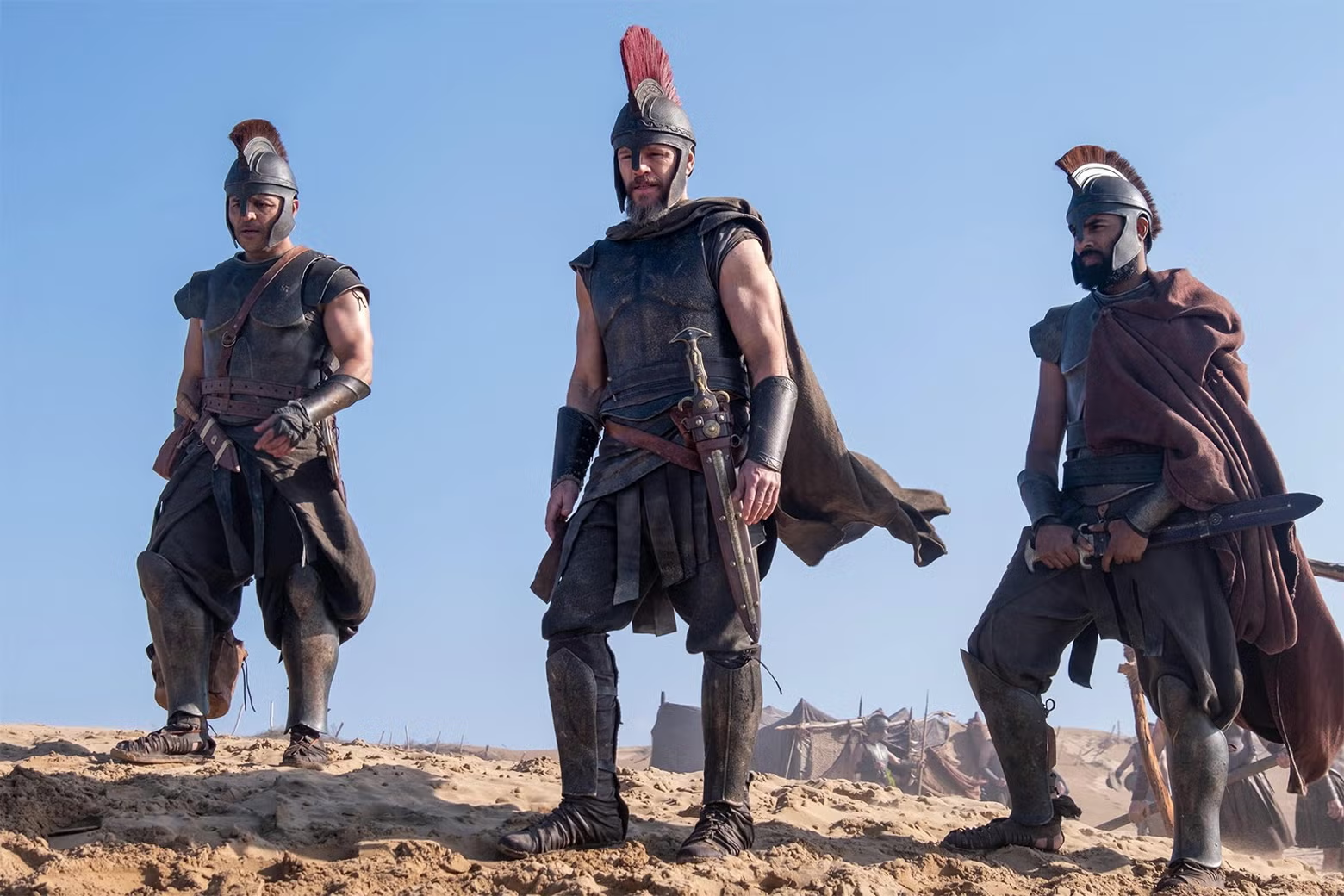
Many of the soldiers arrived carrying remarkable stories. Among the most extraordinary was the account of a bombing mission in July 1943. Several American airmen recalled being ordered to bomb San Giovanni Rotondo. As they approached the town, however, something unusual appeared before them.
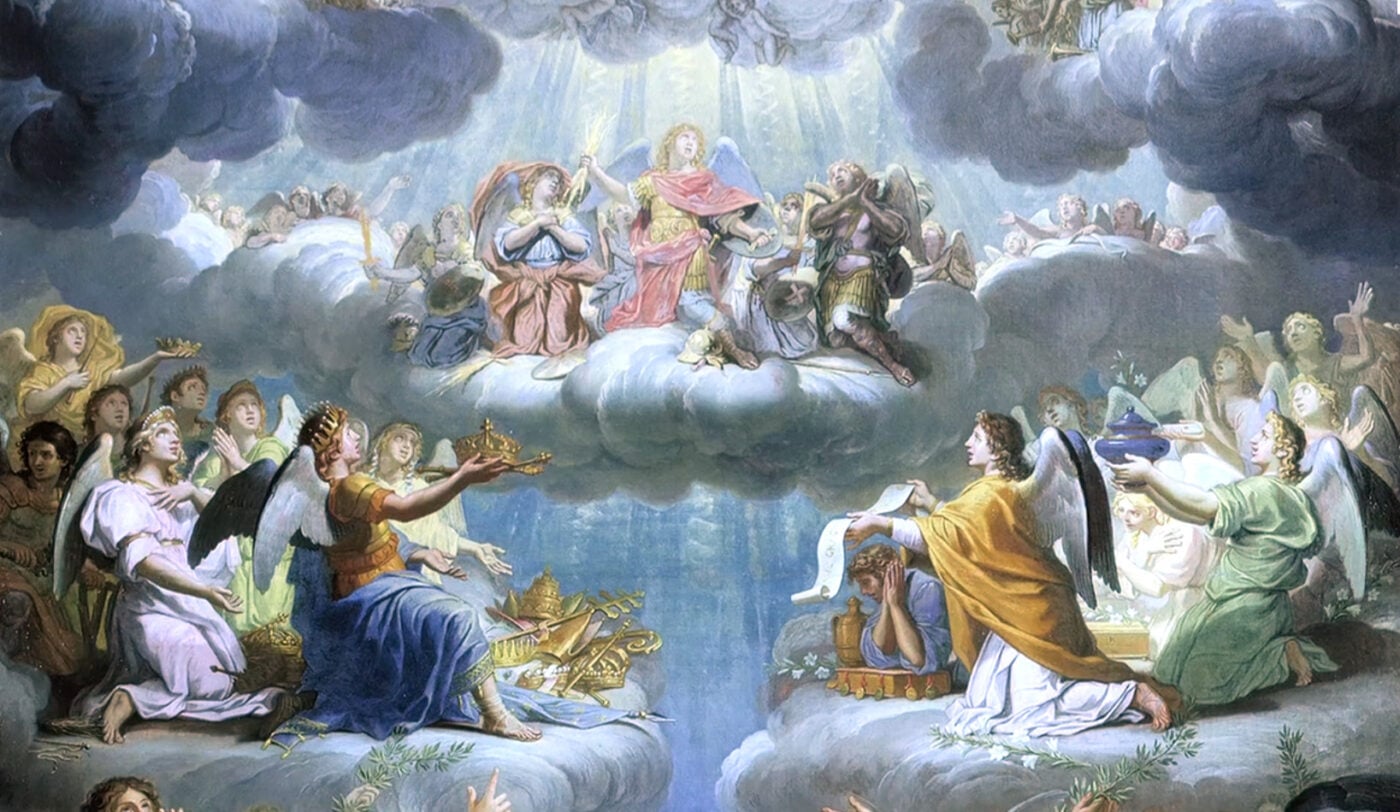
They described seeing a brilliant white cloud unlike any they had ever encountered. Within it stood three figures: a bearded monk raising his hand, a woman holding a child, and a young man carrying a sword stained with blood. The pilots attempted more than once to release their bombs, but the mechanisms refused to work. No matter what they tried, the bombs remained locked in place.
When these soldiers later arrived in San Giovanni Rotondo and shared their story with Mary, she listened carefully. She believed she knew exactly what they had seen.
Mary brought the men to the monastery of Santa Maria delle Grazie. The moment they saw Padre Pio, several stopped in their tracks.
“That’s him,” they whispered. “That’s the monk we saw in the cloud.”
Inside the church, Mary showed them an image of the Blessed Virgin Mary holding the Christ Child. Once again, the soldiers were astonished.
“That’s her,” one of them said quietly.
Later, Mary accompanied them to the shrine of St. Michael the Archangel at Monte Sant’Angelo. Standing before the image of the archangel with his raised sword, the men immediately recognized the third figure.
For these soldiers, what had begun as a mysterious wartime experience became something deeply personal. They were convinced that the heavenly protectors of San Giovanni Rotondo had intervened to spare the town.
Meeting Padre Pio only deepened their conviction.
Many had heard stories about the Capuchin friar before arriving. Some came out of curiosity; others were skeptical. Yet few left unchanged.
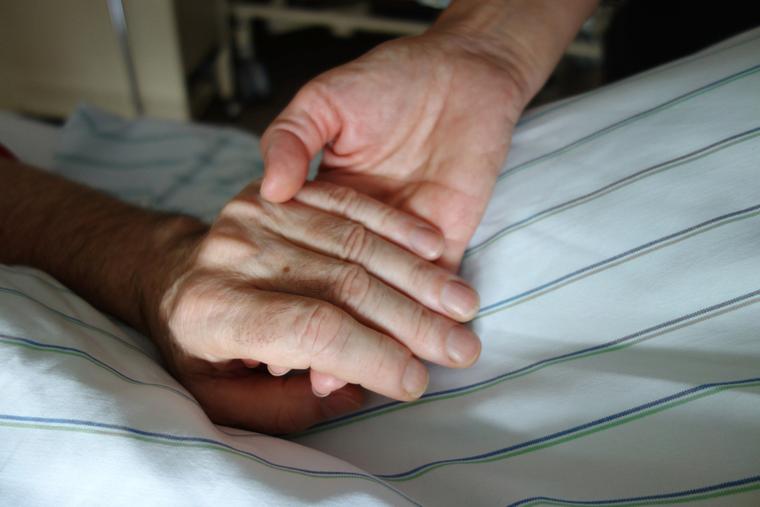
Padre Pio greeted the soldiers warmly, often taking each man’s hand and looking directly into his eyes. Many later spoke of an overwhelming sense of peace in his presence. Men who had witnessed the horrors of war suddenly found themselves feeling calm and secure.
Several were drawn to confession. Although most spoke little Italian and Padre Pio spoke no English, many later insisted that he somehow understood everything they wished to say.
One soldier, when asked how he managed to confess, smiled and replied, “That was Padre Pio’s affair. He knew exactly what I needed.”
As the soldiers spent time in San Giovanni Rotondo, Mary became their guide and teacher. Patiently she answered questions about Padre Pio and shared stories from the many years she had spent at his side.
She spoke of the mysterious fragrance that often surrounded him, a scent resembling roses, violets, or lilies that appeared without any earthly source. She recounted reports of bilocation, when people claimed to see Padre Pio in distant places while he remained physically in the monastery.
She also shared stories of healing and conversion. The blind recovered sight, the sick found relief, and countless souls experienced profound spiritual renewal through his prayers and guidance.
Mary never exaggerated. She spoke with the quiet confidence of someone who had witnessed these events firsthand.
The soldiers were especially fascinated by Padre Pio’s stigmata. Many had seen his fingerless gloves and wondered about the wounds he carried.
Mary explained that the visible stigmata appeared after Mass in September 1918. At first Padre Pio tried to conceal them, but bloodstains eventually revealed the truth. Under obedience to his superiors, he later described the mystical experience connected to their appearance.
By the time the soldiers arrived, he had borne those wounds for more than twenty-five years. They would remain until shortly before his death in 1968.
Many soldiers attended Padre Pio’s early morning Mass at Mary’s urging.
“Go to the five o’clock Mass,” she would tell them. “Watch him at the altar.”
They followed her advice.
Watching Padre Pio celebrate the Eucharist left a lasting impression. Hardened by battle and accustomed to suffering, they found themselves deeply moved by the friar’s devotion and visible participation in Christ’s Passion.
One soldier later admitted, “I saw his suffering, and I believed.”
Mary also spoke to the soldiers about Padre Pio’s dreams for the future. She described his desire to build a seminary in Pietrelcina and his vision for a hospital that would serve the suffering of southern Italy.
That dream would become the Casa Sollievo della Sofferenza—the Home for the Relief of Suffering.
Padre Pio needed both prayers and financial support to make the project possible. Inspired by what they had witnessed, many soldiers wrote home to their families. Some of those families later contributed funds that helped make the hospital a reality.
The effects of these encounters extended far beyond the war years. After returning home, many soldiers continued corresponding with Mary. Their letters described lives transformed through their meeting with Padre Pio.
Some wrote of prophecies that had come true. Others spoke of renewed faith, marriages, vocations, and unexpected blessings.
A number returned repeatedly to San Giovanni Rotondo. Some eventually entered religious life, dedicating themselves completely to God.
Among the soldiers Mary remembered most fondly was Ray Ewen of the Fifteenth Army Air Force. Ray became a lifelong friend and devoted follower of Padre Pio. He served Mass for Padre Pio on several occasions and remained faithful to him throughout his life.
He later attended both Padre Pio’s beatification and canonization. Even in old age, he returned to San Giovanni Rotondo with members of his family.
Standing before the altar on one of his final visits, Ray quietly said, “Next time we will meet in Heaven.”
At the age of ninety-seven, he went home to God.
For Mary, the American soldiers became much more than visitors. Far from home and carrying the burdens of war, they found comfort at her table and friendship in her presence. She listened to their stories, answered their questions, and welcomed them with genuine affection.
She treated them as a mother would treat her own children.
Years later, their letters remained among her treasured possessions. They reminded her that the seeds planted in San Giovanni Rotondo had borne fruit across the ocean.
Looking back, Mary saw the arrival of the soldiers as a moment of grace. They had come weary, skeptical, and scarred by war. Many left with renewed faith, peace, and hope.
In their encounters with Padre Pio, she witnessed once again the power of God working through the humble Capuchin friar. And in her own quiet way, she helped guide countless souls to the man who bore the wounds of Christ.
Author’s Note: The events described in this article are drawn from the wartime experiences of Mary Pyle and the many American soldiers who visited San Giovanni Rotondo during World War II. Their testimonies reveal not only the profound impact Padre Pio had on those who encountered him, but also the important role Mary played in welcoming visitors, answering their questions, and guiding countless souls to the humble Capuchin friar. Through her quiet service, hospitality, and unwavering faith, Mary became a bridge between two worlds; bringing weary soldiers to a deeper encounter with God during one of history’s darkest hours. Learn more here.
Photo by Marco Bicca on Unsplash