








‘We need more saints’: Center helps to advance canonization causes
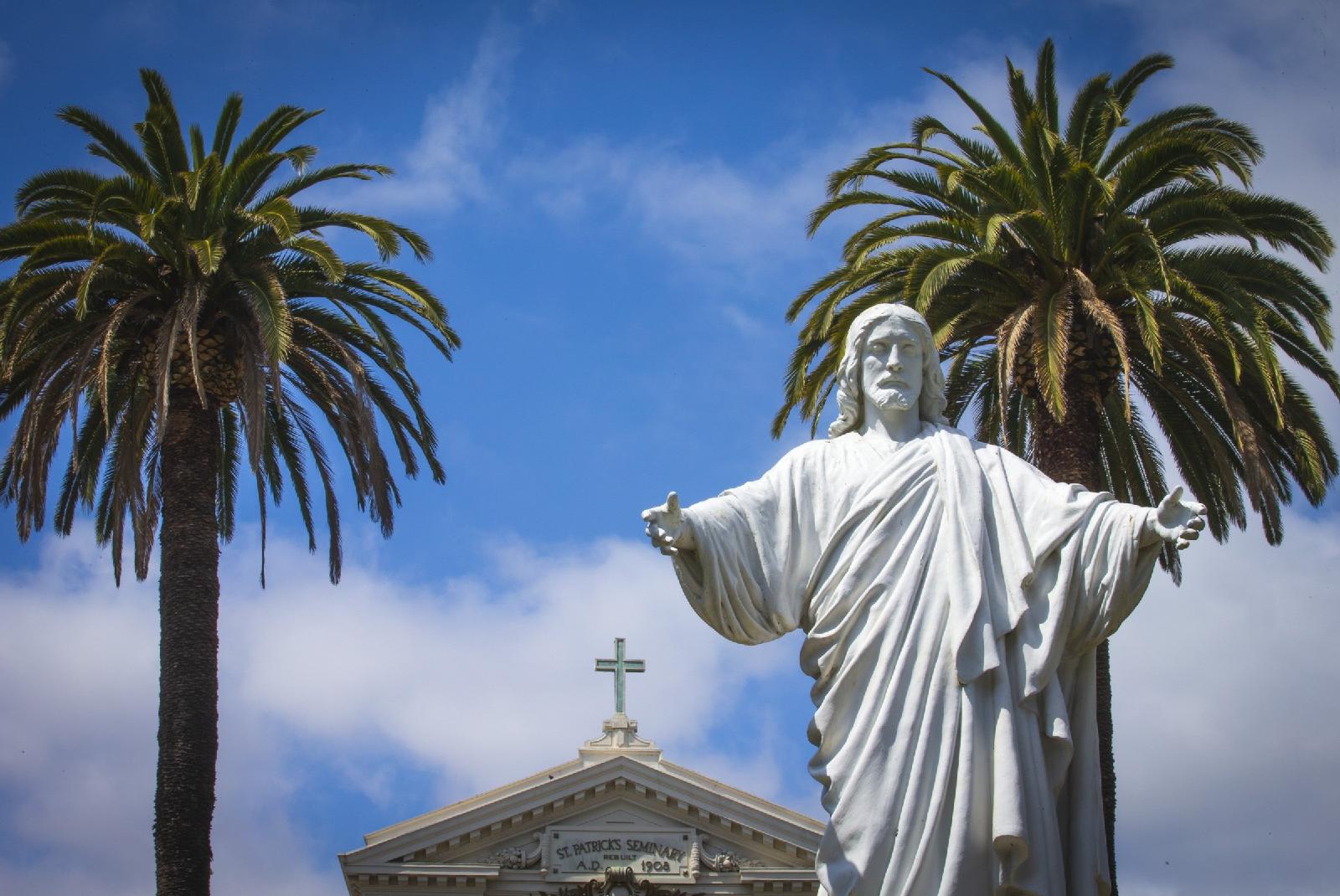
(OSV News) — As the nation marks its 250th anniversary, a California-based initiative is working to help speed along sainthood causes among Americans, and to make the canonization process more accessible overall.
“We’ve gotten hundreds of inquiries from people all around the world saying how great this thing is, and saying how it’s so comforting to have a resource like this,” Travis Degheri, executive director of the Center for Sainthood Studies, told OSV News.
Seminary houses independently operated center
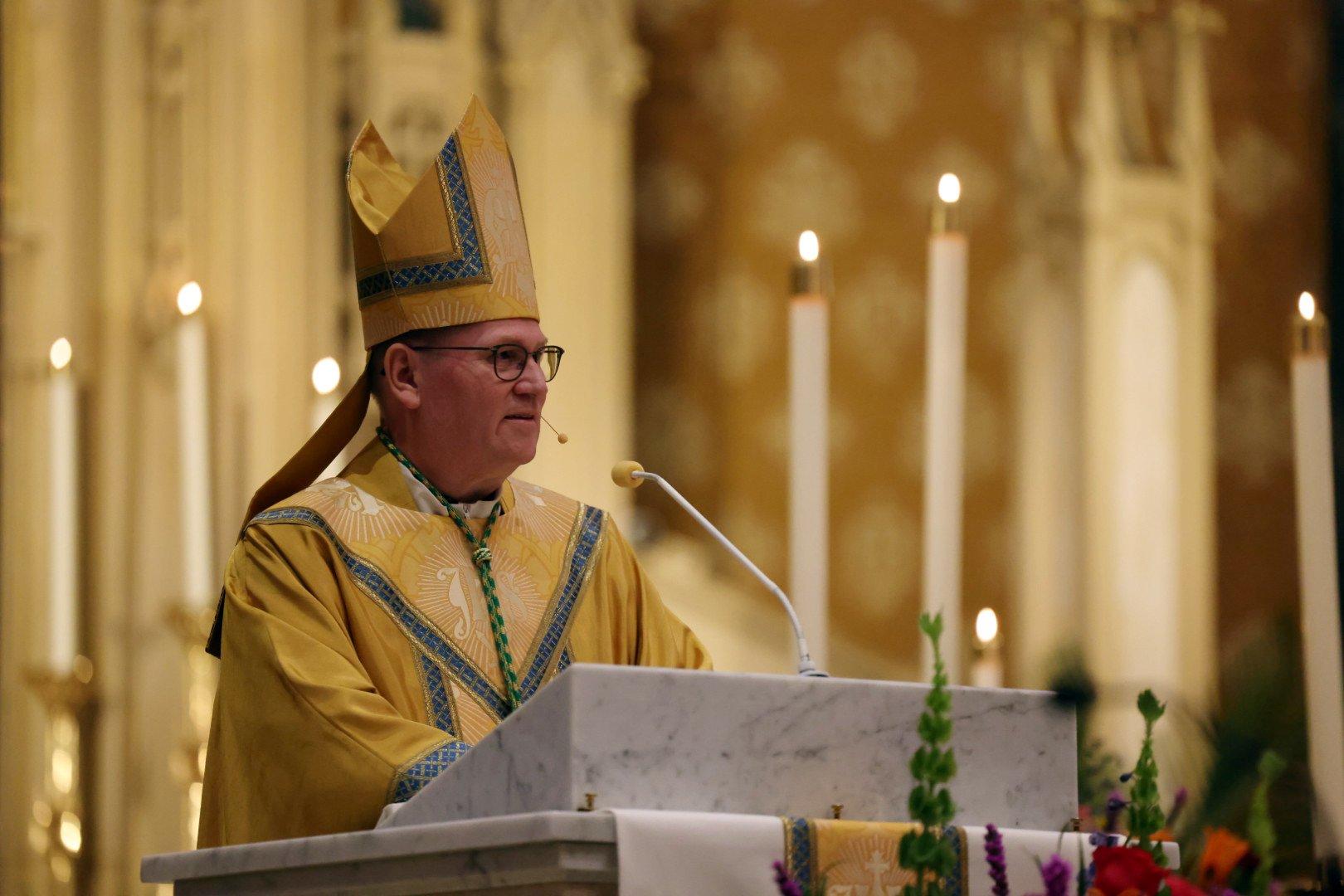
Opened in 2025 under a decree from Archbishop Salvatore J. Cordileone of San Francisco, the independently operated center is located at St. Patrick’s Seminary in Menlo Park, California.
Degheri said he and some six part-time staff, along with several volunteers, seek to be a “resource to help people” advance canonization causes.
“We could use more saints,” he said.
Among the resources offered by the center are digitization and storage of the extensive documentation required for a canonization cause, as well as assistance with grant writing to help fund sainthood efforts.
Consultation, certification program
The center also provides consultation, support in promoting causes and a certification program for clergy, laity and religious seeking to educate themselves on the ins and outs of the complex process by which the Catholic Church affirms sainthood.
And the actual workings of that process are “hard to describe” in simple terms, admitted Emanuele Spedicato, associate lecturer in canon law at the Pontifical Gregorian University.
Along with fellow canon law expert and postulator Waldery Hilgeman, Spedicato — who serves as the postulator, or overseer, of multiple canonization causes at the Vatican level — designed and taught the center’s inaugural six-day certification course in February.
Three phases in sainthood causes
Spedicato told OSV News that in terms of canon law, the Church’s legal code, the three-phase canonization sequence — which starts at the diocesan level and sees a successful candidate move from “Venerable” to “Blessed” to “Saint” — is “the most difficult” because “it’s the longest.”
That wasn’t always the case, however.
For the first five centuries in its history, the Church had no formal canonization process comparable to the current one, relying instead on public acclaim of a given individual’s holiness.
But by the sixth century, local bishops had begun to issue decrees of canonization following requests and the study of a candidate’s written biography.
Collection of eyewitness testimony
In the 10th century, the process expanded to include the collection of eyewitness testimony and the documentation of miracles associated with an individual. Bishops summarized the information for the pope, who would then canonize approved candidates.
From 1588, when the Congregation for Sacred Rites was established, until the 1917 promulgation of the universal Code of Canon Law, the canonization process essentially remained unchanged. When canon law was revised in 1983, new norms for canonization causes were introduced.
Currently, “one cause includes” a total of “three processes,” Spedicato explained — and all of them scrutinize a given candidate for evidence of sanctity, manifested in martyrdom, heroic virtue or an “offering of life,” where selfless sacrifice for God and neighbor, even in the absence of actual persecution, results in a premature death.
First stage at diocesan level
The first stage takes place at the diocesan or eparchial level, with a cause beginning five years after an individual has died, unless the pope has dispensed with the waiting period. The bishop opens the investigation and launches a series of consultations with the episcopal conference, diocesan faithful and the Vatican. After receiving a green light from the Vatican — an approval known as the “nihil obstat,” Latin for “nothing opposes” — the bishop then forms a diocesan tribunal.
The tribunal then digs into the life of the candidate, calling witnesses to attest to evidence of virtue and assembling documents — often thousands of pages — about and by the candidate.
Spedicato said that “a lot depends on what you gather in the diocesan phase” of the canonization process — and that’s where the Center for Sainthood Studies comes in.
What’s key to next steps for causes
“If you have a good inquiry, a good gathering of the witnesses’ evidence and the documentary evidence, that’s key for the next steps,” said Spedicato, referencing the second and third stages of the canonization process, which take place once the diocesan investigation is complete and the documentation has been sent to the Vatican’s Dicastery for the Causes of Saints.
Once there, postulators such as Spedicato and HiIgeman work under the direction of the dicastery to prepare the “positio,” which summarizes the documentary evidence. Nine theologians then weigh in on whether to forward the case to the dicastery’s cardinal and bishop members, who in turn deem whether the dicastery prefect should present the cause to the pope.
A candidate can be declared “Venerable” on the basis of a virtuous life, or “Blessed” if martyred. In general, one verified miracle taking place through the sainthood candidate’s intercession is required for a “Venerable” to be declared “Blessed,” and a second verified miracle — including for martyrs — is needed for canonization.
A source for experts, resources for causes
Spedicato said the center helps to “create a network of people” that connects advocates of various sainthood causes with the experts and resources they need.
“Many of the questions we’ve heard include, ‘Where can I find a good historian? Where can I find a good theologian?'” he said.
Degheri said his own experience in working on the canonization cause for Cora Evans — a U.S. convert from Mormonism — led him to pursue the center’s creation.
“Working on the cause, struggling and making and learning from our mistakes, led us to found this center to help people throughout this process,” he said. “We saw it as an opportunity, especially in the United States, where saints are very underrepresented in relation to other areas. We saw it as an opportunity to help inform people on the process, and hopefully give them the guidance, support and motivation to work on these causes.”
Gina Christian is a multimedia reporter for OSV News. Follow her on X @GinaJesseReina.
The post ‘We need more saints’: Center helps to advance canonization causes first appeared on OSV News.