





What could ‘a new direction’ in Catholic-Jewish relations look like?

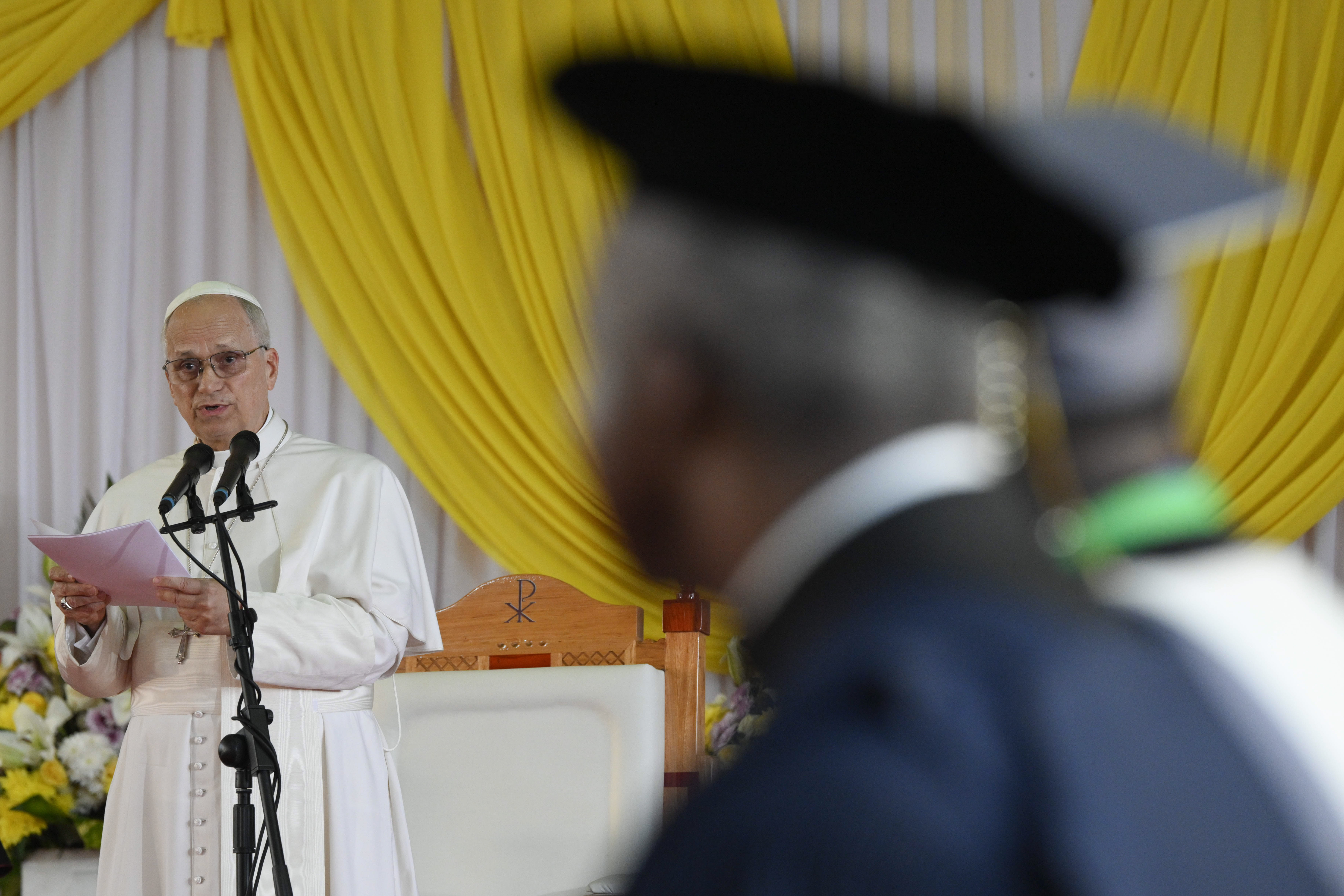
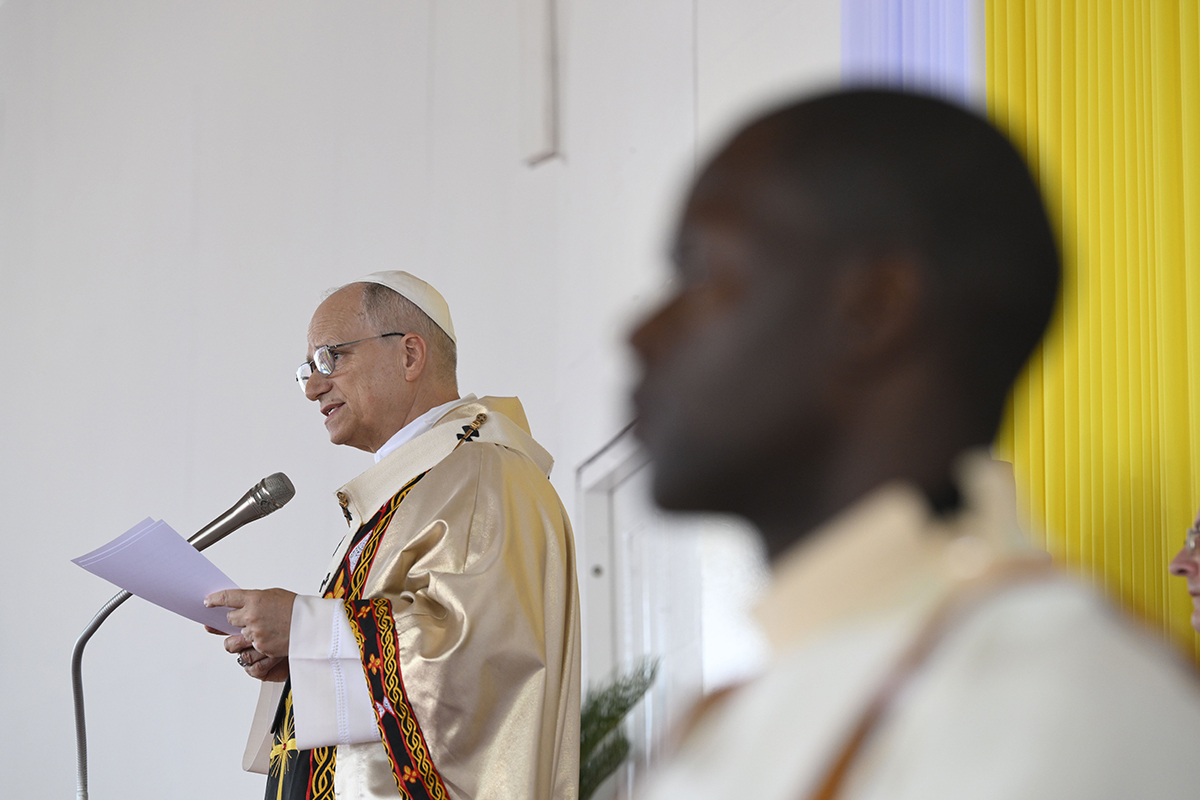
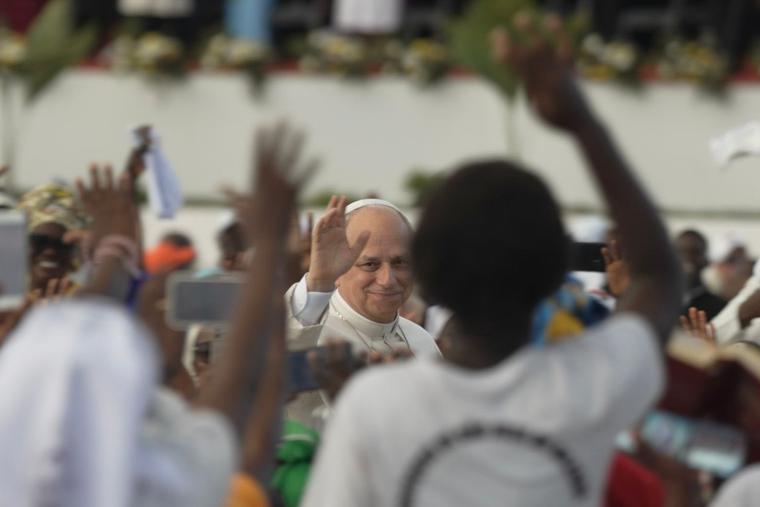
Cardinal Pierbattista Pizzaballa told the AP Monday that the Catholic Church is seeking “a new direction” in Catholic-Jewish relations.
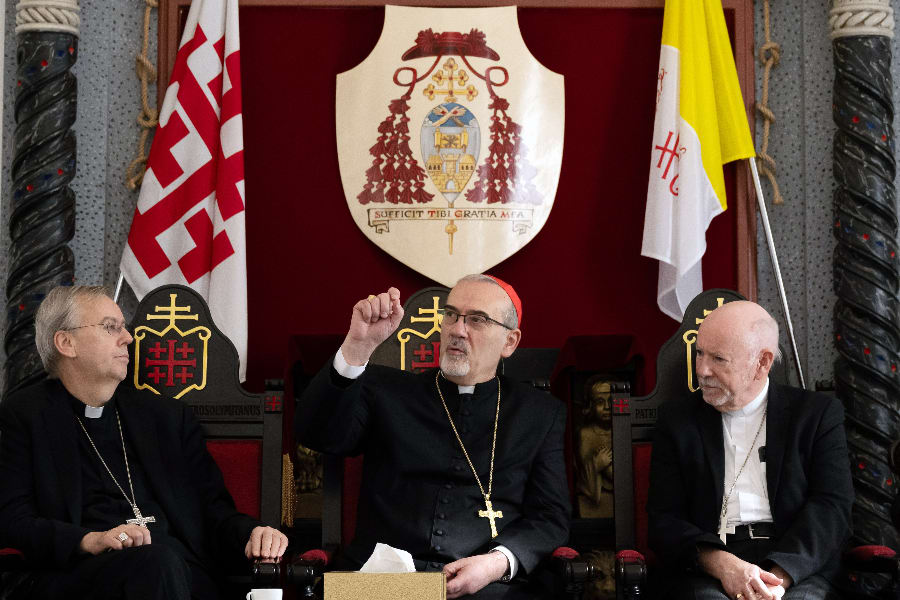
Speaking on the eve of the second anniversary of the Oct. 7 Hamas-led attack on Israel, the Latin Patriarch of Jerusalem suggested that a new impulse was needed, not only concerning the Jewish people but also the Israeli state.
“As Catholics, we need also to understand that for the Jewish people, the state of Israel is not just one state among the others. It’s an important reference point,” he said.
Why does Pizzaballa believe there is a need for change in Catholic-Jewish ties and how does he envisage it?
The problem
Cardinal Pizzaballa believes that Catholic-Jewish relations have deteriorated since the Oct. 7, 2023, assault on Israel, in which more than 1,000 civilians and members of the security forces were killed.
He is not alone in thinking this. It is, in fact, a common view on both sides of the relationship.
Following the Oct. 7 attack, Israel launched an invasion of Gaza, the strip of land between Israel and the Mediterranean Sea controlled by Hamas, which the U.S. and other Western countries have designated as a terrorist group. More than 67,000 Palestinians have been killed in the war to date, according to Gaza’s Hamas-run health ministry.
In late October 2023, Pope Francis reportedly had a “fraught” phone conversation with Israel’s President Isaac Herzog. According to the Washington Post, the pope said it was “forbidden to respond to terror with terror.” Herzog is said to have responded that the invasion of Gaza was necessary to defend the Israeli people.
On Nov. 22, 2023, Pope Francis met separately at the Vatican with relatives of Israeli hostages held by Hamas and Palestinian families affected by the Gaza war. At a general audience later that day, the pope said he had heard how both groups were suffering.
“This is not waging war; this is terrorism,” he said.
In a Dec. 17, 2023, Angelus address, Pope Francis condemned the killing of a mother and daughter in the compound of Gaza’s only Catholic church — an act attributed to Israeli snipers by the Latin Patriarchate but denied by the Israel Defense Forces.
“Some say: ‘this is terrorism and war,’” the pope said. “Yes, it is war, it is terrorism.”
In a letter to Middle Eastern Catholics marking the first anniversary of the Oct. 7 attacks, Pope Francis expressed solidarity with the people of Gaza, but was criticized for not referring to the Jewish people or Israel.
In a book published in November 2024, the pope said claims that Israel was committing genocide in Gaza should be “carefully investigated” — sparking criticism from Israeli officials.
Pope Francis kept in near-daily contact with Gaza’s Holy Family parish up to his death on April 21, 2025.
An initial condolence message posted on an Israeli state social media account was later deleted. Four days after the pope died, Israeli Prime Minister Benjamin Netanyahu’s office issued a two-sentence condolence statement. Israel’s ambassador to the Holy See was the country’s sole representative at the papal funeral.
While tensions between the Holy See and Israel might seem to be simply a diplomatic dispute, they have significantly impacted Catholic-Jewish relations, as both entities represent more than just states for their respective communities.
For some observers, the crisis in relations during the Francis pontificate had deeper roots, related to a demographic shift in the 21st-century Catholic Church from Europe to the Global South, and a corresponding move in the center of gravity of Judaism from Europe and the U.S. to Israel.
After 60 years of remarkable improvement in mutual relations following the publication of the Vatican Council II declaration Nostra aetate, which revolutionized Catholic-Jewish ties, relations are once more in the doldrums.
The proposal
On May 8, the day of his election, Pope Leo XIV reached out to the Jewish community.
In a message to Rabbi Noam Marans, director of interreligious affairs at the American Jewish Committee, he wrote: “Trusting in the assistance of the Almighty, I pledge to continue and strengthen the Church’s dialogue and cooperation with the Jewish people in the spirit of the Second Vatican Council’s declaration Nostra aetate.”
He sent a similar message to Rabbi Riccardo Di Segni, the chief rabbi of Rome.
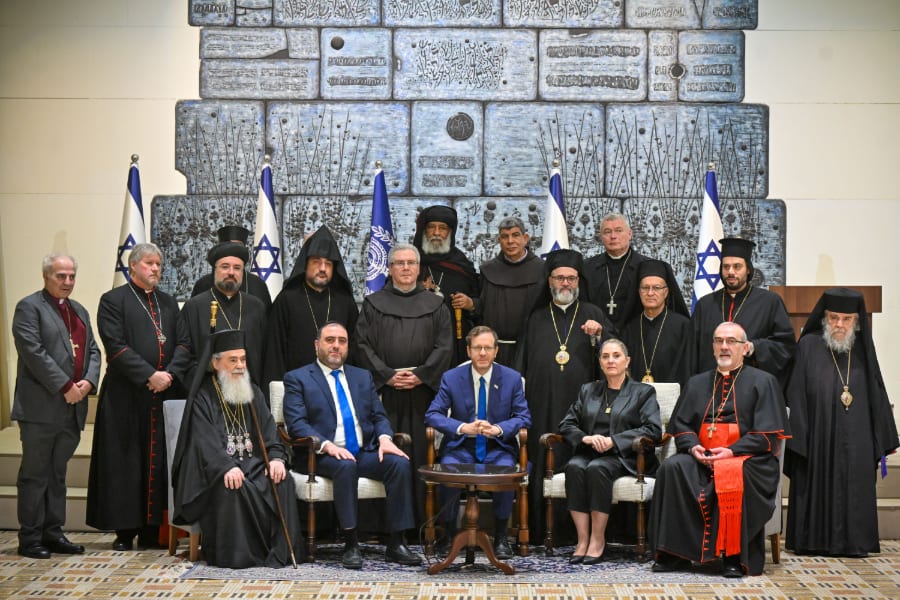
The day after his inaugural Mass, Pope Leo received religious representatives, including Jewish leaders, at the Vatican.
“The theological dialogue between Christians and Jews remains ever important and close to my heart,” he said in the May 19 speech. “Even in these difficult times, marked by conflicts and misunderstandings, it is necessary to continue the momentum of this precious dialogue of ours.”
Leo XIV has yet to elaborate on how he believes the momentum in Catholic-Jewish relations can be regained. Perhaps he will do so when the opportunity arises for him to address a uniformly Jewish group of visitors at the Vatican.
The U.S. pope received Israeli President Isaac Herzog in a private audience Sept. 4, in which they discussed the resolution of the Gaza war and the global struggle against antisemitism. But the precise substance of their conversation is unknown.
If Pope Leo is hoping to re-energize Catholic-Jewish relations, he is likely to seek the advice of Cardinal Pizzaballa, the leader of Latin Rite Catholics in both Israel and Gaza.
The Italian cardinal has spent more than three decades in the Holy Land, is a biblical scholar, is fluent in Hebrew, and serves as a conduit between the Holy See and the Israeli government. He has constantly expressed empathy for Palestinians, but largely without alienating Israelis. While Pizzaballa is far from the only voice in Catholic-Jewish relations, the pope is certain to give him a hearing.
The cardinal has previously outlined the direction that he believes Catholic-Jewish relations need to move in following the Oct. 7 attacks.
In a Feb. 6 interview with the Austrian Broadcasting Corporation, he acknowledged the present difficulties in Catholic-Jewish relations and called for change.
“Until now, the dialogue has been very focused on the past, which is very important, but other issues have been discussed less, such as the interpretation of the Holy Scriptures or the common understanding of human rights,” he said.
Pizzaballa also called for a deepening awareness among Catholics about the role of the state of Israel in Jewish life.
“While Europeans primarily view Israel as a state, for Jews it is much more than that. We need to engage in more respectful dialogue about this,” he said.
If Pope Leo wanted to take up Pizzaballa’s recommendations, he could direct the Vatican’s Commission for Religious Relations with the Jews to focus in the coming years on the topics of scriptural interpretation, human rights, and the place of the state of Israel within Judaism.
In September, the pope added new members to the commission, which is under the wing of the Dicastery for Promoting Christian Unity, which is likely to have a new leader in the coming months. So this could be a good time for a change in direction.
A new, positive agenda for Catholic-Jewish dialogue might be a way of breaking out of the current situation in which relations ebb and rise in response to events.
When Pope Francis was elected, it was widely seen as a boost for Catholic-Jewish ties. He forthrightly condemned antisemitism throughout his pontificate and made a memorable visit to Jerusalem’s Western Wall in 2014 with his Argentine friends Rabbi Abraham Skorka and Muslim leader Omar Abboud. But events in Gaza then intervened.
The challenge for Pope Leo, therefore, is not only to revive the dialogue but also to find a way to insulate it from destabilizing events, which are coming ever-faster amid a changing world order.