





Who are Britain’s Catholic royals?
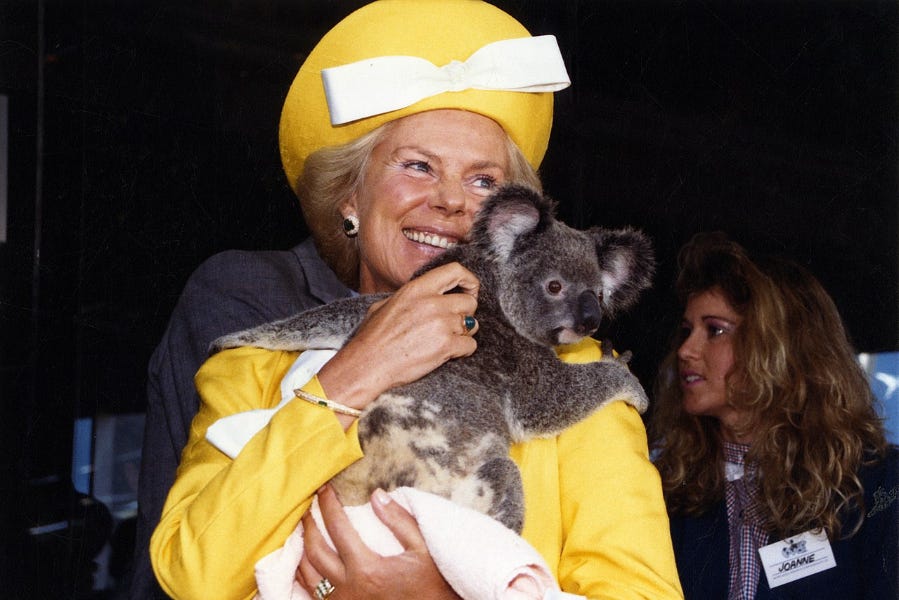
The Duchess of Kent, the first senior British royal to convert to Catholicism in more than 300 years, died Thursday, at the age of 92.
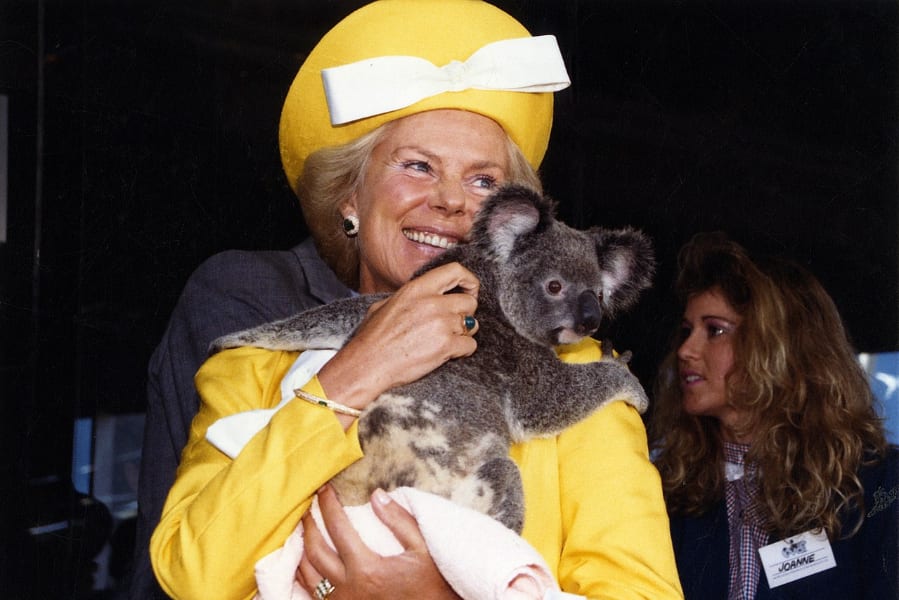
Her spiritual journey from the Anglican Church to England to the Catholic Church made headlines due to Britain’s distinctive religious history.
Following turbulent centuries in which the monarchy veered between Catholicism and Protestantism, and back again, the English Parliament passed the Act of Settlement in 1701.
Under the Act, which sought to ensure Protestant succession to the throne, anyone who became a Catholic (or married one) was disqualified from being the English monarch. For the next three centuries, the British royal family was firmly associated with Protestantism.
Who was the Duchess of Kent, and who are the other Catholic members of Britain’s royal family?
The Pillar takes a look.
Who was the Duchess of Kent?
The Duchess of Kent was born Katharine Lucy Mary Worsley in the English county of Yorkshire in 1933. She was baptized at All Saints, Hovington, an Anglican village church.
Her father was a wealthy landowner and proficient amateur cricket player. Curiously, she was a direct descendant, via her father, of Oliver Cromwell, a Calvinist who effectively replaced the English monarchy with a short-lived republican government in the 17th century.
Katharine learned to play the piano, violin, and organ, developing a lifelong interest in musical education. She had broad musical tastes that ranged from Mozart’s Ave Verum Corpus to Eminem and Ice Cube.
In 1961, she married Prince Edward, Duke of Kent, the oldest son of Prince George, Duke of Kent, who was in turn the fourth son of King George V, who reigned from 1910 to 1936.
As a result of her marriage, she gained the title Duchess of Kent and became a working member of the royal family, carrying out official duties on behalf of the monarch, such as attending state functions and charitable events.
She had four children: George (born in 1962), Helen (1964), Nicholas (1970), and Patrick (1977). Patrick was stillborn — an experience that, compounded by an earlier miscarriage, plunged her into a severe depression that she later spoke of candidly.
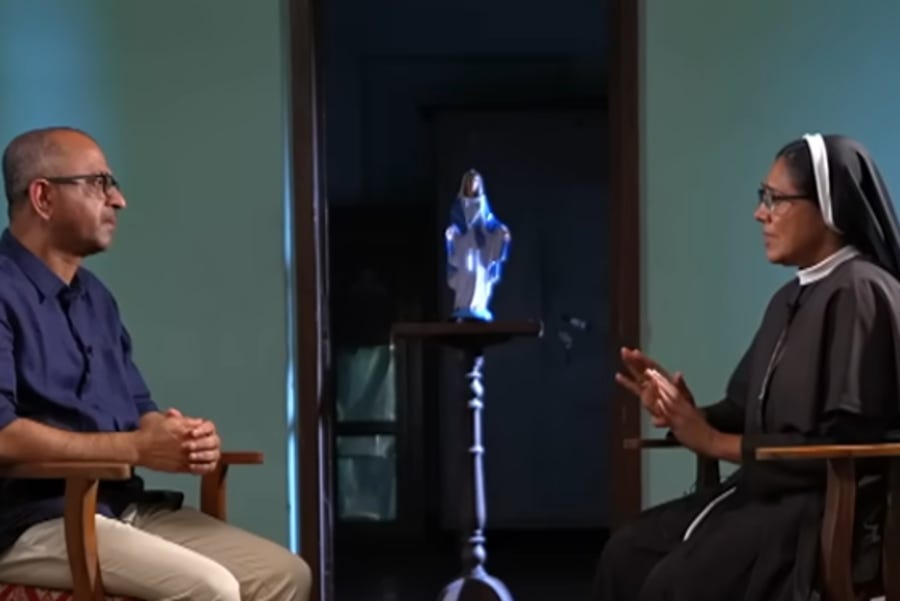
Under the guidance of Cardinal Basil Hume, the then Archbishop of Westminster, and his ecumenical adviser, Fr. Michael Seed, she decided to become a Catholic in 1994.
Her conversion is frequently described as the first of a British royal since the Act of Settlement, but that depends on how “British royal” is defined.
In 1906, Victoria Eugenie of Battenberg, the youngest granddaughter of Queen Victoria, converted to Catholicism to marry King Alfonso XIII of Spain. But Victoria Eugenie was a less senior member of the royal family and played a less prominent role in British public life due to her relocation to Spain, which may explain why her conversion is overlooked.
The Duchess of Kent’s decision to become a Catholic coincided with a wave of conversions from Anglicanism following the Church of England’s decision to ordain women priests. But her spokesman at the time said: “This is a long-pondered personal decision by the duchess and it has no connection with issues such as the ordination of women priests.”
Cardinal Hume stressed that she retained “a genuine affection” for Anglicanism and recognized “how much she owes to the Church of England.”
In an interview with the BBC after becoming a Catholic, she reportedly said: “I do love guidelines and the Catholic Church offers you guidelines. I have always wanted that in my life. I like to know what’s expected of me. I like being told: You shall go to church on Sunday and if you don’t you’re in for it!”
She served discreetly as a volunteer at The Passage, a charity for the homeless in London founded in 1980 by Cardinal Hume. She also taught music at an elementary school in the northern English city of Hull, where she was known simply as “Mrs. Kent.”
She ceased serving as a working member of the royal family in 2002. She founded the musical charity, Future Talent, in 2004, but generally kept a low public profile.
She is expected to have a Catholic funeral, possibly at London’s Westminster Cathedral, the mother church of Catholics in England and Wales. It would be the first Catholic funeral for a senior member of the British royal family for centuries.
King Charles III and his wife, Queen Camilla, will likely attend the funeral, along with other senior members of the royal family.
Who are the other Catholic royals?