









Will Nigeria’s ‘security emergency’ declaration help Christians?
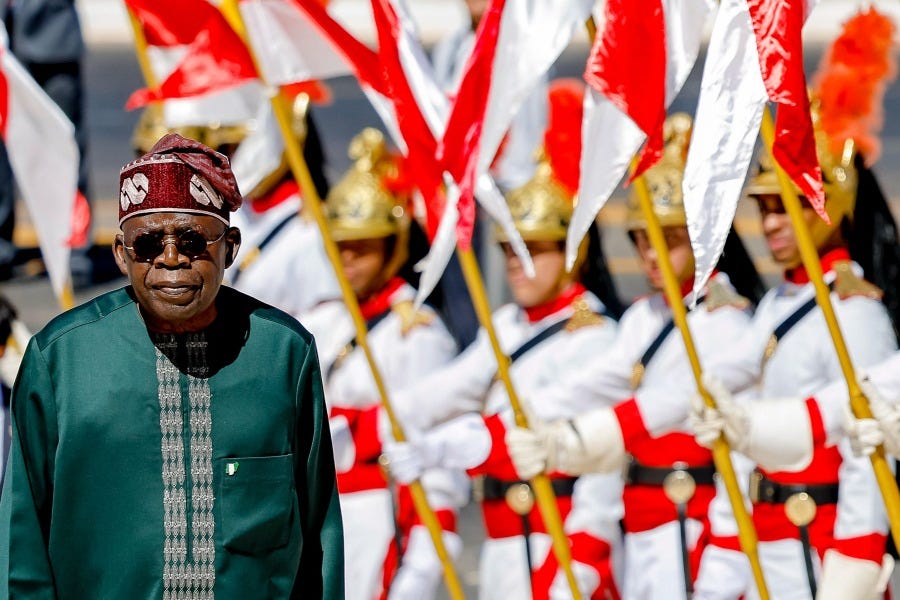
Nigeria’s President Bola Tinubu has declared a “nationwide security emergency” amid surging violence often directed at the country’s Christians.
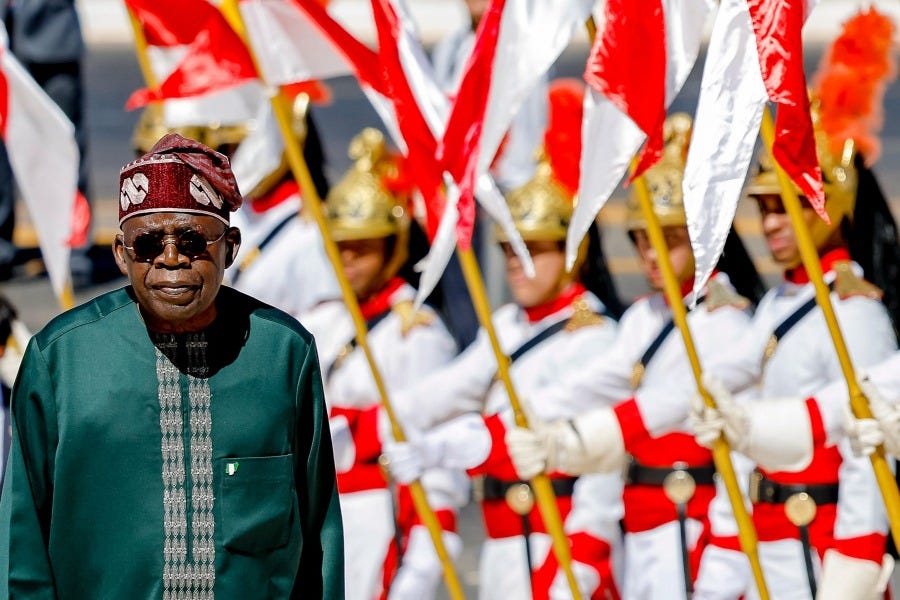
Tinubu issued the declaration Nov. 26, five days after gunmen kidnapped 315 students and teachers from St. Mary’s Catholic School in Nigeria’s Niger state.
Tinubu, who has led Africa’s most populous country since 2023, announced plans to employ 20,000 more police officers, expand recruitment to the Nigerian Armed Forces, and redeploy other security personnel.
“My fellow Nigerians, this is a national emergency, and we are responding by deploying more boots on the ground, especially in security-challenged areas,” he said.
What’s the background to the declaration? Is it good news for Nigerian Christians? And what’s likely to happen next?
What’s the context?
The global spotlight fell on Nigerian Christians a month ago, when U.S. President Donald Trump announced he was designating Nigeria as a Country of Particular Concern due to grave violations of religious freedom.
In a Nov. 1 post on Truth Social, he wrote: “If the Nigerian Government continues to allow the killing of Christians, the U.S.A. will immediately stop all aid and assistance to Nigeria, and may very well go into that now disgraced country, ‘guns-a-blazing,’ to completely wipe out the Islamic Terrorists who are committing these horrible atrocities.”
The weeks after Trump’s warning appeared to see an upsurge in militant activity in Nigeria, a country of roughly 239 million people, divided between Muslims, who mainly live in the north, and Christians, who largely live in the south. The area between the north and south, known as the Middle Belt region, is a flashpoint for conflict.
Incidents included:
The abduction of 25 girls Nov. 17 from the Government Girls Comprehensive Secondary School in Maga, Kebbi state, northwestern Nigeria. All were later rescued.
An attack during a live-streamed service Nov 19 at the Pentecostal Christ Apostolic Church in Eruku, Kwara state, in Nigeria’s Middle Belt. Gunmen killed two people, and kidnapped the pastor and other worshippers.
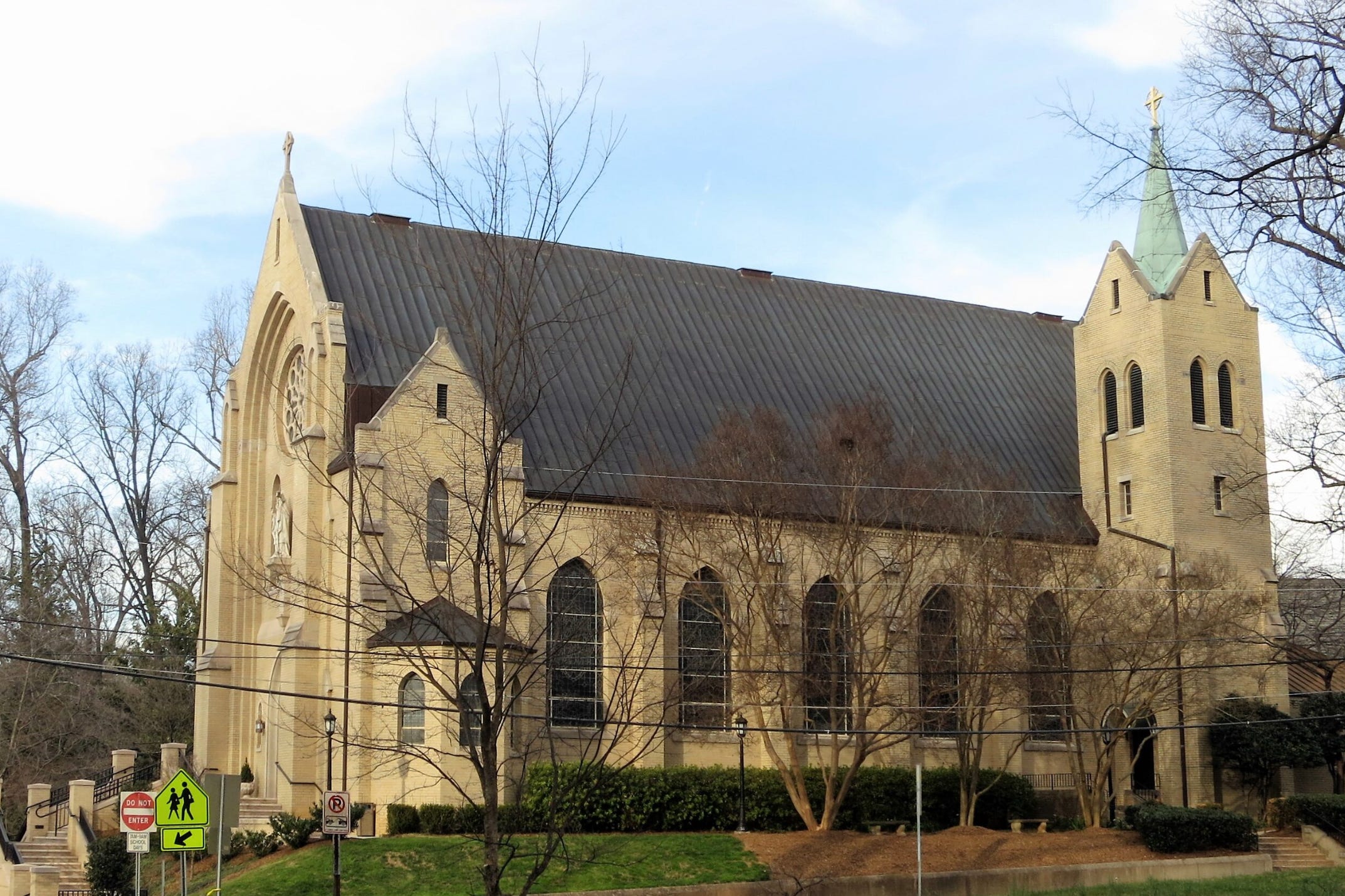
The Nov. 21 seizure of students and teachers at St. Mary’s Catholic School in Papiri, Niger state, in the Middle Belt, in one of Nigeria’s largest school kidnappings. Fifty students escaped days later. Two parents have reportedly died since their children were seized. One parent, a catechist in the Diocese of Kontagora, has four children currently held by kidnappers.
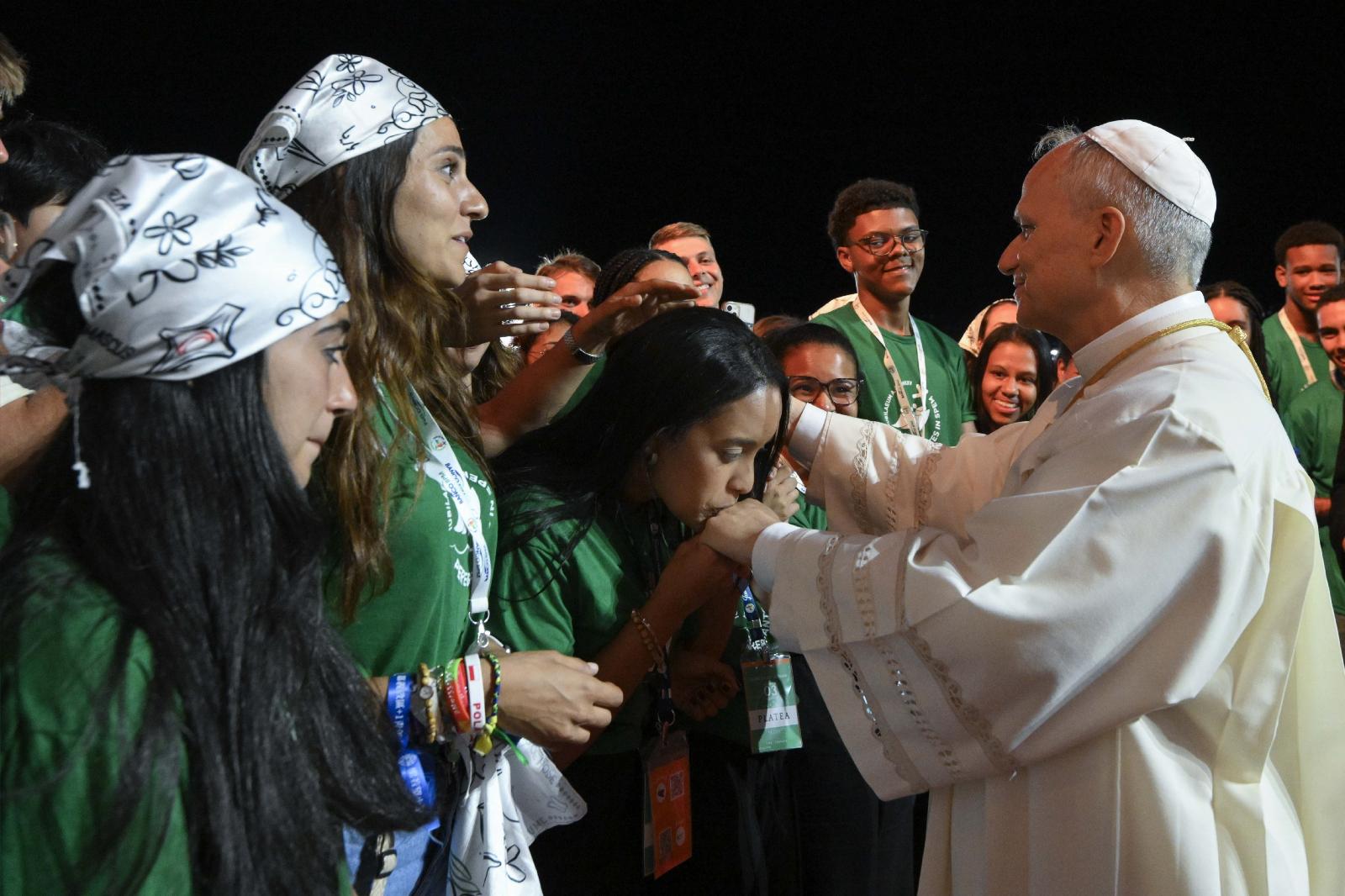
Pope Leo XIV appealed in a Nov. 23 Angelus address for the release of the remaining students and teachers of St. Mary’s Catholic School.
Drawing further worldwide attention to the plight of Nigeria’s Christians, he said: “I make a heartfelt appeal for the immediate release of the hostages and urge the competent authorities to take appropriate and timely decisions to ensure their release.”
Under considerable pressure from the U.S., one of Nigeria’s top bilateral donors, and stung by the string of security lapses, Tinubu announced the national security emergency.
Is it good news?
The reaction to the declaration within Nigeria was predictably polarized, given the deep divisions within the country. Tinubu’s supporters argued it was a bold step, while opposition lawmakers claimed it was a panicked attempt at damage control.
Western champions of persecuted Christians appeared to take a hopeful view.
Fr. Benedict Kiely, the founder of the charity Nasarean.org, which supports persecuted Christians, said he believed Tinubu’s announcement was a step forward.
“This declaration is a positive move and a response to pressure, notably from the U.S., to challenge the terrible persecution of Christians in Nigeria, which has been going on for years, almost unnoticed,” he told The Pillar via text message Dec. 1.
Offering his personal view, John Newton, the communications and research manager of Aid to the Church in Need’s U.K. branch, noted that some Nigerian Church leaders appeared to have more trust in Tinubu than some of his predecessors as president, such as the Archbishop of Kaduna and the Bishop of Sokoto, in northwestern Nigeria.
“His election received an optimistic — if cautious — reception from Archbishop Matthew Man-Oso Ndagoso, who hoped Tinubu would be more open to addressing the country’s divisions,” Newton told The Pillar via email Nov. 28.
“And in arguing against Nigeria being redesignated as a Country of Particular Concern, Bishop Matthew Kukah stressed that he felt it was possible to constructively work with Tinubu’s government. It seems that the prelates’ confidence is being rewarded by this latest development.”
“Although we should remember that these measures were announced at a time when the world was watching Nigeria closely, nevertheless, President Tinubu does seem to be trying to address the instability racking his country.”
Newton added: “If, as a result of President Tinubu’s security emergency, we see more protection for vulnerable institutions and communities, including the Christian farming settlements that are attacked in the Middle Belt, then it can only be positive.”