




















A lesson plan for holiness
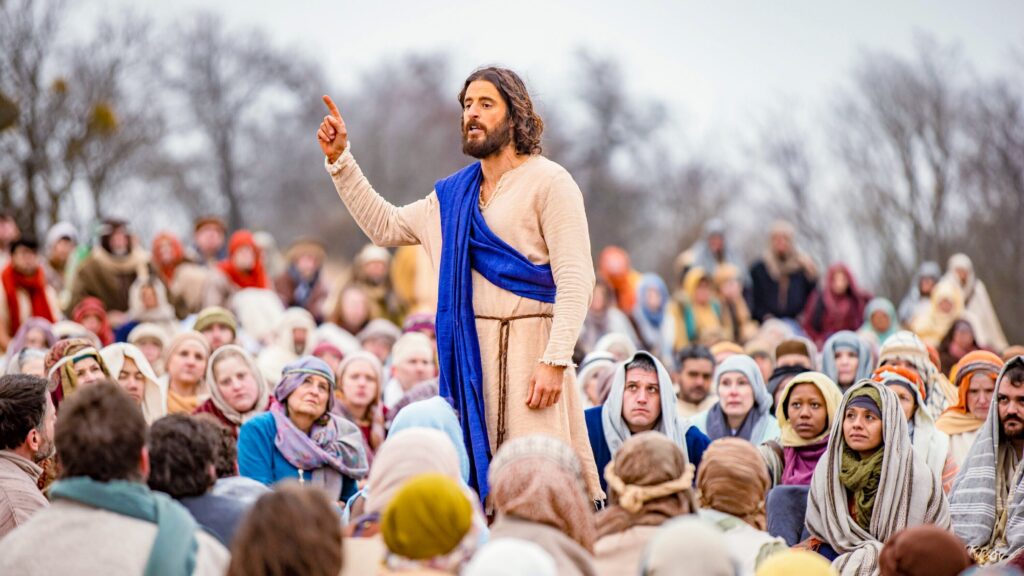
This Sunday we find ourselves hearing the most famous sermon in all history: The Sermon on the Mount.
Over the years, the Sermon on the Mount has been called many things. One scholar called it “The Magna Carta of the Church”; another labeled it “the manifesto of the king.”
But its first words, which we hear this Sunday, are much simpler. They are more of a lesson plan — instruction in how to achieve holiness and happiness by being a disciple of Christ.
Sculpting a life of beatitude
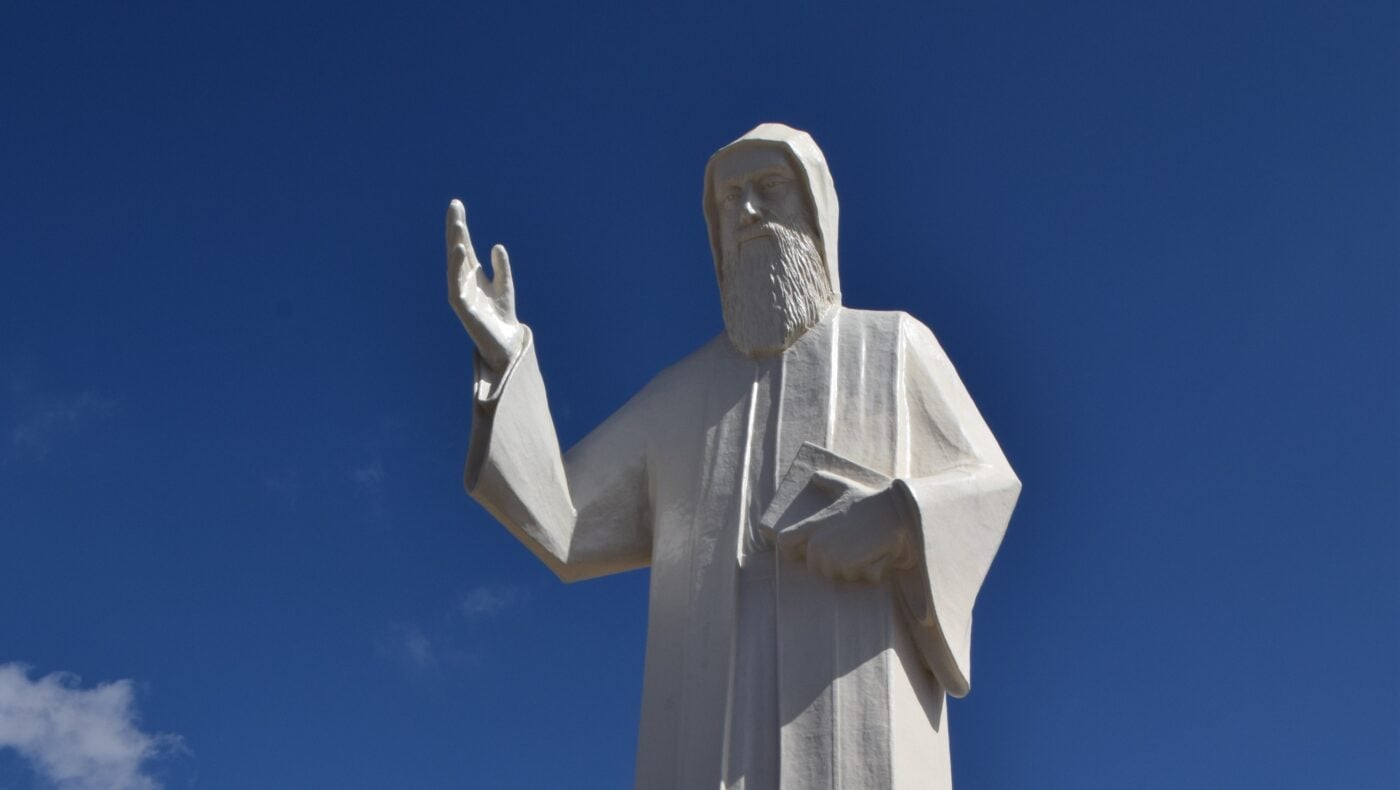
A number of years ago, the late Archbishop Pietro Sambi, at the time the apostolic nuncio to the United States, spoke to a group of Catholic teachers in Washington and talked about how everyone who comes to Rome marvels over the Pieta, carved from marble when Michelangelo was just 22 years old.
The nuncio said: “Michelangelo…is considered one of the greatest artists in the world. I don’t believe it! The greatest artists are teachers — you! — who try to sculpt the best of who you are and what you know, not in a piece of marble, but in living, breathing human beings, who are the glory of God.”
This is really what Jesus was doing with the Sermon on the Mount — beginning with this Gospel, the beatitudes. Those words describe what brings happiness and, with it, blessings. (For the curious: Webster’s defines “beatitude” as “a state of utmost bliss,” and tells us that the word comes from the Latin beatus, meaning “happy, fortunate.”)
Dig a little deeper and you find that the lessons here take us directly back to the source, Jesus himself, the teacher sharing lessons from his own life.
Beatitudes are more than just suggestions
In his book “Jesus of Nazareth,” Pope Benedict wrote that the beatitudes amount to a self-portrait of Christ. In the meek, the merciful, the clean of heart, the persecuted, Jesus is actually describing himself.
Benedict noted in one Angelus address: “The Beatitudes are the transposition of the Cross and Resurrection into discipleship. They mirror the life of the Son of God who let himself even be persecuted and despised until he was condemned to death so that salvation might be given to men and women.”
If we are to be followers of Jesus, this is the way. The fact is: The beatitudes give us more than just suggestions on how to be good people. We are given an abiding lesson in how to love as Christ. It requires sacrifice, humility, even suffering.
Out of that, we are blessed.
That is radical news that flies in the face of everything we are taught to accept in the world.
A life-changing love
Face it: selflessness is radical. Being poor in spirit is radical. Love — true Christian love — is radical. But absorbing these lessons can be life-changing.
This Gospel is sometimes read at weddings, and for good reason: these words show how love is made manifest. This is about deep, selfless, sacrificial love, that same love Christ has for the world and the same love God has for all His creation.
In teaching terms, this is our text, and our homework. What will we learn from it? How hard will we strive to be among those who are blessed? How can we live more intentionally as people who are poor in spirit, meek, merciful? How will we become better at love?
Jesus showed us with how he lived — and it took him all the way to the cross. The beatitudes are the lasting lessons of the world’s greatest teacher — and, as the papal nuncio might have put it, its greatest artist.
We are not only the Lord’s students. We are his marble. The great challenge of Christian discipleship is not just to follow Christ, but to make of our lives a true work of art.
Deacon Greg Kandra is an award-winning author and journalist, and creator of the blog “The Deacon’s Bench.”
The post A lesson plan for holiness first appeared on OSV News.