














“Look Me in the Eye:” Abortion Survivors, Super Bowl Scandal, and the Salt of True Witness


Salt in its Blessedness
You shall season all your grain offerings with salt. Do not let the salt of the covenant with your God be lacking from your grain offering.
That was God’s instruction in Leviticus (2:13). Salt was poured on the offering to prevent decay and corruption. It prevented the ancient Hebrews from giving the Lord a second-rate and therefore unacceptable sacrifice.
For several centuries, up until 1970, blessed salt was placed in an infant’s mouth by the priest at baptism. It was the infant’s first taste of blessed food, a precursor to the Holy Eucharist, and prepared the salted infant to be a living sacrifice to God.
“You are the salt of the earth,” Christ told His disciples. Their job then was to preserve from corruption the valuable truths He taught them. In Christ’s time, salt was quite valuable. In fact, soldiers sometimes got paid their wages in salt. That is where the word “salary” comes from—the Latin word salis. (Think saline solution.)
A few years back, I preached about a woman who had inhaled toxic salt for five days—in her mother’s womb. She was the victim of a saline-infusion abortion. Death by salt. However, something went wrong during the abortion, and she survived, being born 2 pounds and 14 ounces. As an adult, she founded the Abortion Survivors Network.
Super Bowl Controversy
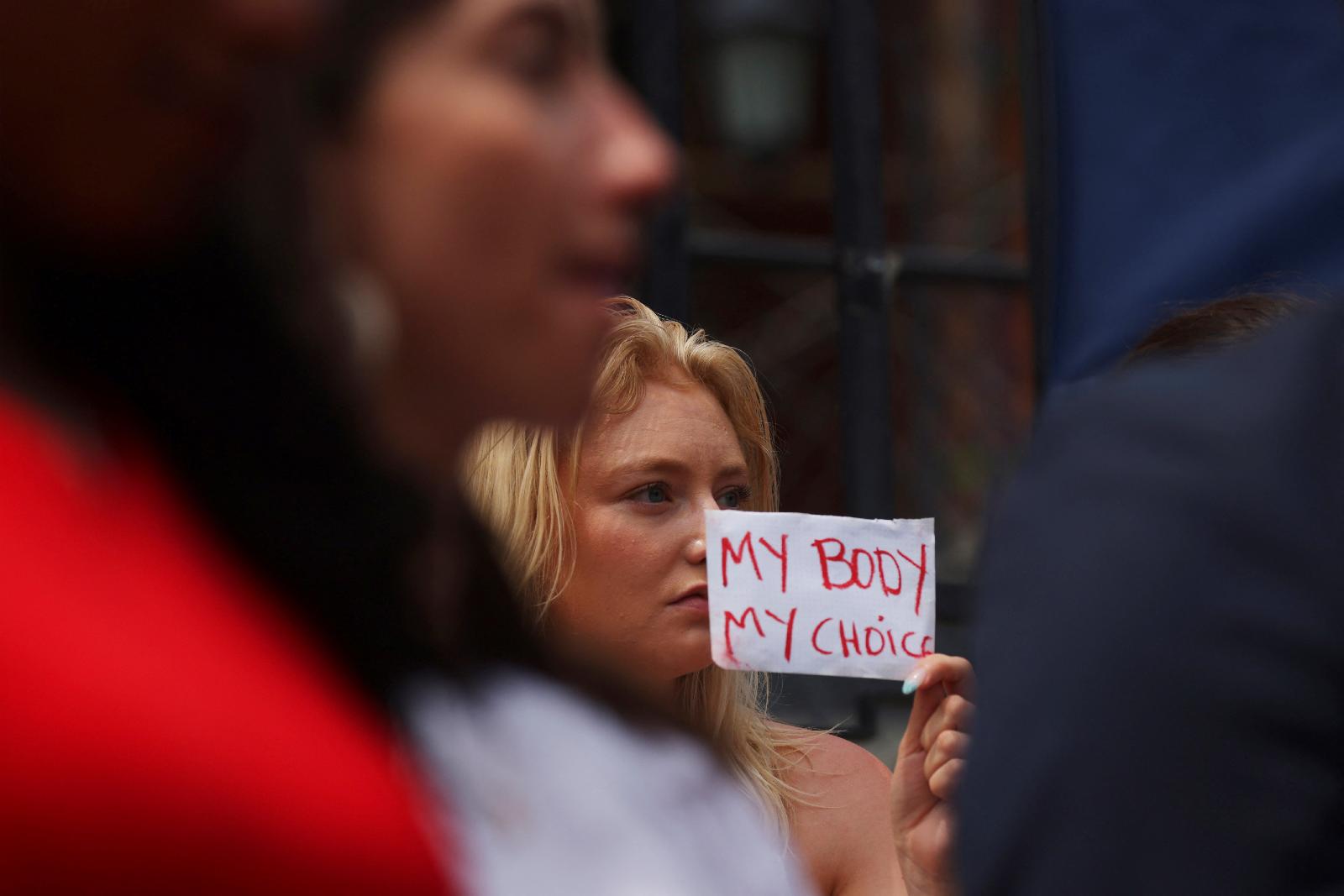
She was slated to be in a pro-life ad aired during Super Bowl LIV (54), on February 2, 2020, but the commercial was banned for being “too controversial.” The ad featured fourteen people, some missing limbs, all of whom had survived botched abortions. They stared into the camera and said, “Look me in the eye and tell me I’m just a choice and not a person.”
I believe that the Super Bowl in 2020 had a commercial featuring drag queens selling hummus. The half-time show featured a fifty-year-old actress dancing with a striptease pole—the kind used in seedy places where prostitution, drugs, and trafficking are common. At one point during the hyper-sexed halftime show, in what could arguably be described as exploitation, the actress’ 11-year-old daughter joined her on stage to dance. Isn’t it interesting what the owners, the rulers of our present darkness, decide is too controversial or not for us to watch?
Two of my sisters once performed at the Super Bowl. And poles were featured. It was Super Bowl XV in 1981. My sisters were in college and performed as part of a color guard. A color guard, by definition, is a prestigious detachment of soldiers that protects the regiment’s colors, it’s flag. My sisters were part of a female detachment, sharply dressed in skirts, black boots, and decorative helmets. They carried wooden rifles and flags on poles. Their drill instructor was a Korean War veteran who made sure they marched with military-type precision and solemnity.
I myself have not watched the Super Bowl for years. Full disclosure: I hate the Super Bowl! My hatred might have something to do with my childhood, as my team, the Minnesota Vikings, lost four of the first eleven Super Bowls and have never returned since. I am obviously still wounded. On February 2, 2020, the Kansas City Chiefs won the Super Bowl, ending a fifty-year drought. They were last in the Super Bowl in 1970, when they, of course, beat…the Minnesota Vikings.
A Priest’s Light
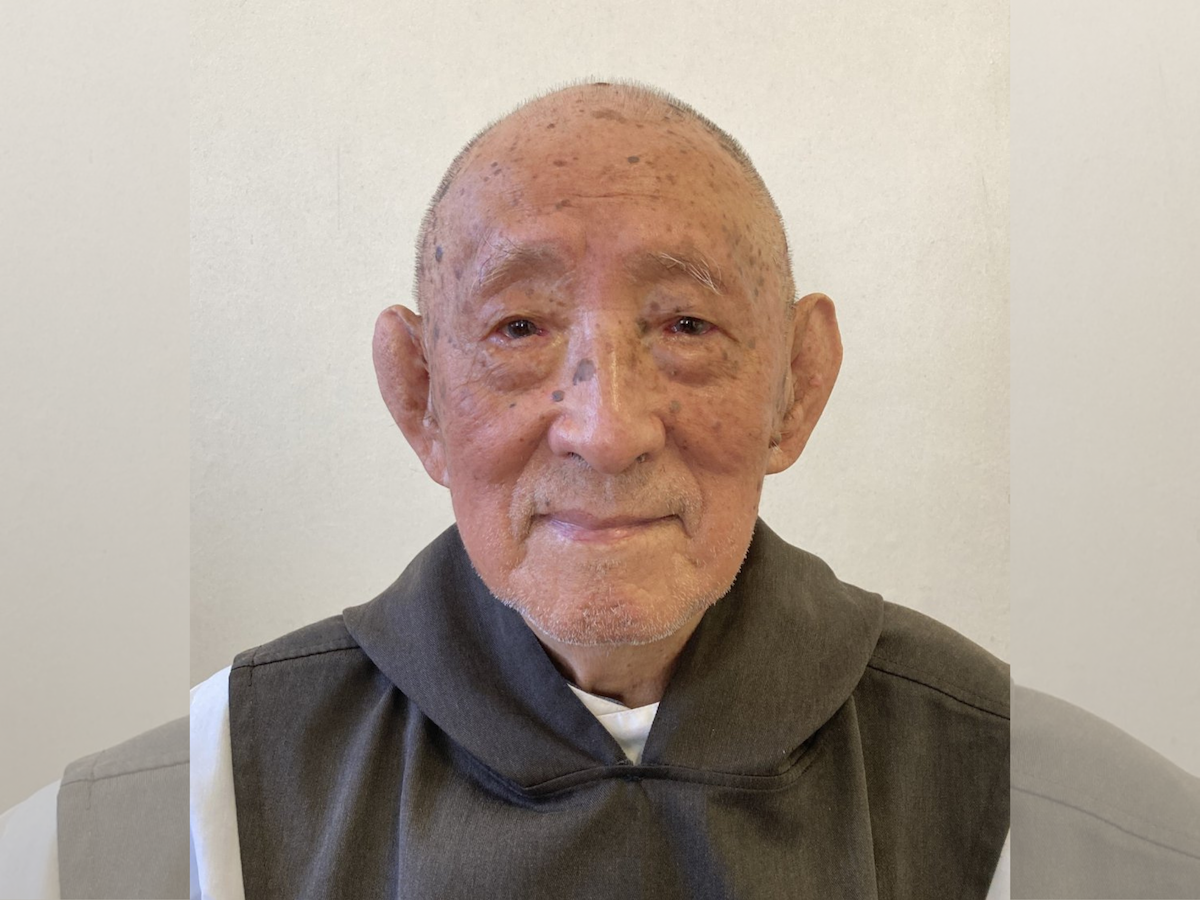
Speaking of being wounded: February 1, 2020, was the funeral of a Kansas City priest, Evan Harkins, who died tragically at the age of 34. I had known Fr. Evan since 2007, when I lived with him and a couple other seminarians on the northeast side of Kansas City over the summer. I had been in the seminary for seven months; Evan had been in the seminary for seven years. I was 41; he was 21. I was a middle-aged rookie. He was a young veteran.
Fr. Evan was very intelligent, but also very humble and kind. He was particularly kind to me. And I was always grateful for that. Where some of the other young seminarians could be dismissive of an older guy like me, Evan was always respectful and willing to help me in any manner.
That help continued into my priesthood. At my ordination Mass in 2012, I got confused a few times during the ceremony, not sure what to do or where to stand. Fr. Evan was the MC of the Mass, and I remember him gently guiding me through it. He even went off script and led me over to where my two elderly priest-uncles were standing, so I could give them the sign of peace.
Since my ordination, I had been part of a monthly prayer group that included Fr. Evan. That was no accident. I always figured I could be a better priest by participating in this prayer group, of which he was the de facto leader. The decade-long monthly prayer group fell apart shortly after Fr. Even died.
Bishop Johnston gave a heartfelt and moving funeral homily. He read a quote from Fr. Evan when he was first ordained:
I see a lot of pain and sadness in the world. You can see it in people’s eyes. Satan makes people unsure of who they are. To me being ordained a priest is to be sent out in to the world to give God to people and His gifts of joy and truth. I think that’s awesome; there is nothing beyond that I could want.
Bishop Johnston shared that quote because he said it was something Fr. Evan would have said two weeks prior to his death, or anytime during his ten years as a priest. That insight coincides with Christ’s gospel message: salt is good, but it can lose its flavor. We all have to stay properly salted.
Shortly before he died, Fr. Evan renovated his parish church and started saying Mass at his beautiful high altar, ad orientem, or ad deum, toward the Lord. The Sunday before he died, a distraught Fr. Evan stopped offering Mass that way and returned to standing behind a table altar facing the people. The bishop’s office had been getting too many complaints that Fr. Evan was not looking at looking at them. They complained that he was not looking at them while he was addressing God. That makes absolutely no sense. But what does in a world that has collectively turned its back on Christ?
I share Fr. Evan’s story because the Vocations Office at the Diocese wanted us priests to share our vocation stories. I shared his, however, because it’s a lot better than mine.
Keep Being the Salt and Light
My friends, we are called to salt and light up the world. Isaiah wrote that wounds would be quickly healed, but salt and light can sting a wounded soul in need of healing. People don’t like to be stung. They take offense. What then are we to do? Do we give up and run with a corrupted and rotting world? Should we circle up, look at each other, and affirm ourselves in our sins? Or should we be looking for something outside of ourselves, something that transcends time and space?
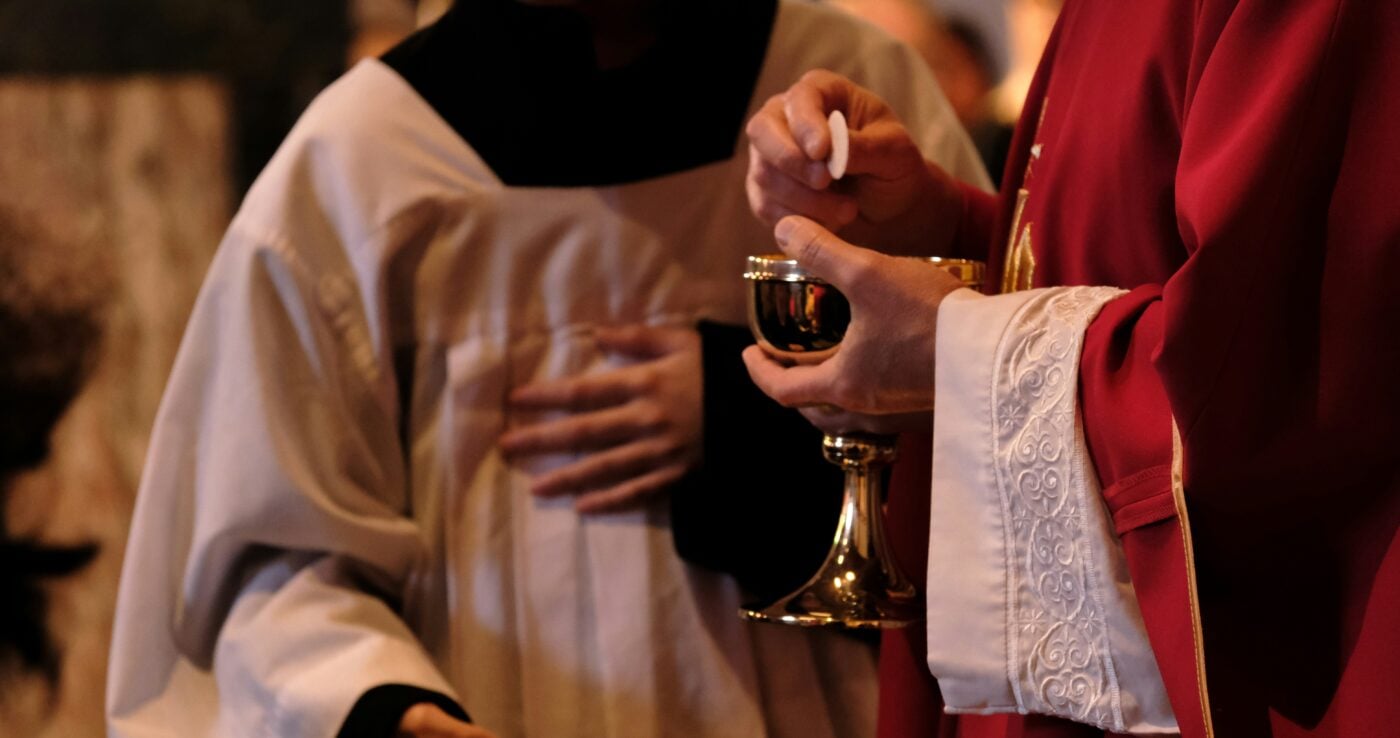
What do you see at Holy Mass? What do you hear? Listen to the one acceptable sacrifice who is Jesus Christ. Hear Him say: Look me in the eye and tell me I’m just a choice and not a person. I’m real, and I bleed real blood for you. And if your sacrifice is acceptable, I will feed you with my real Body and Blood. That requires a couple of deaths: Mine and yours. I die for you, and you die to the world.
And so, sharply dressed in formal clothing, with military-like precision and solemnity, we march as the color guard which protects the cross of Christ. At Mass we go to the funeral of a friend, the 33-year-old priest, Jesus Christ, who died a tragic death for our sins. This tragedy, however, is the cause for our hope. And this is why we keep throwing salt and light on the world…to give God to people, and His gift of joy and truth. We think that’s awesome; there should be nothing beyond that we could want.
Photo by Caleb Woods on Unsplash