





.JPG/_jcr_content/renditions/cq5dam.thumbnail.cropped.750.422.jpeg?#)







The World We Long For No Longer Exists
A couple years ago I bought a manual typewriter. I was in a slump in my writing and seeking some kind of creative, esoteric reboot, I suppose. There were things I wanted to write that I didn’t necessarily want online, or on the nebulous Cloud, or even on a hard drive, and so I thought perhaps going completely offline would offer me a modicum of freedom to explore my deepest innermost thoughts.
I found a guy on Craigslist and met him in a West Philly parking lot, handed him a hundred sixty dollars in cash, and came home with a pristine, aqua-colored 1960s Smith Corona portable typewriter. No electricity required. I had complete freedom to type in a crowded park or on top of a mountain with no restriction and nothing required but a few sheets of copy paper, my fingers, and my thoughts.
This is how writers have been writing for years before the word processor. If it was good enough for Flannery O’Connor and Jack Kerouac, maybe there was some hope for me to connect with that past.
I’d like to say I use it more than I do, but aside from some journaling, letters I would type and mail to friends, and “first-draft” brain dumps, the typewriter has mostly now become a décor piece in the house. In more ironic moments, I would snap photos of the written pages with my iPhone and text them to people who I wanted to share them with. But having written my whole life on a PC or laptop, it was a big leap to retrain my fingers and brain to type in a linear way—no cut and paste, no autocorrect…just inked typeset on a blank page. In a digital age, the typewriter is a practical dinosaur of limited usefulness, I have come to admit to myself.
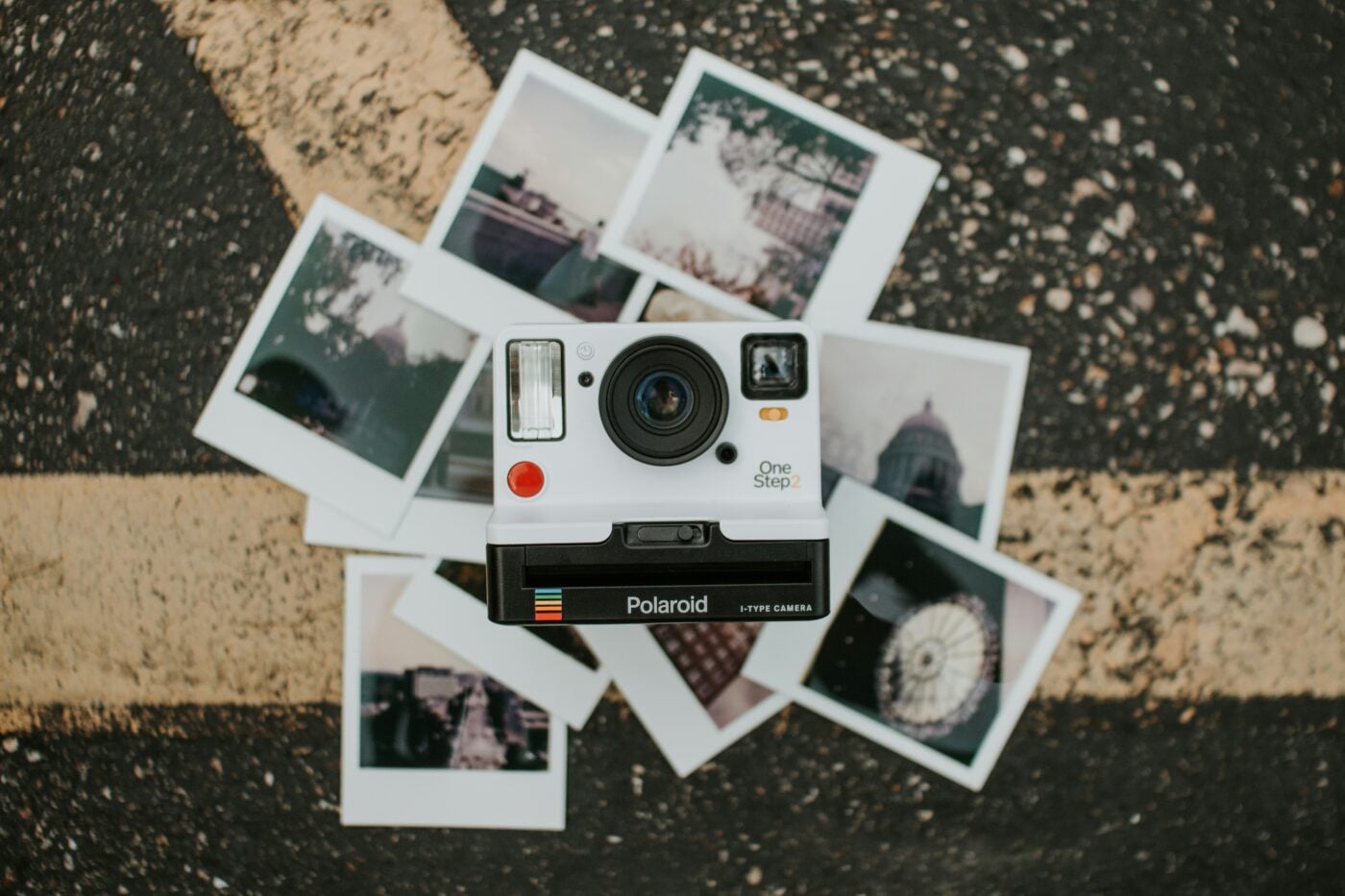
I tried the same thing with some digital cameras I purchased (including a Polaroid), to try to put more friction between myself and the phone. The reasoning was sound, but these steps into a past that has been left behind (and arguable, by most, for good reason) was more analog fetish than building up an armory for some kind of anti-tech “revolution.” The realization was deflating—the world had moved on, and trying to keep such instruments of the past alive had made me a quirky amateur curator, not a guerilla rebel in the fight against Big Tech. I keep looking over my shoulder, hoping others will join in, but I find myself painfully alone.
I recently came across a curious word the Welsh use to describe a kind of spiritual homesickness or nostalgia for a place that no longer is. Hiraeth—which has no direct English translation—derives from the root hir (“long”) and aeth (“sorrow” or “grief”). For the Welsh, this term embodies a “what could have been” for Wales prior to English colonization.
Though hiraeth is a geographic term unique to the Welsh and their land, there is an existential layer that I think can apply to people my age; Gen Xers who excitedly rode ashore on the boat of technology in their teens, but who have a muscle memory of an age before the usurpation of analog culture at the hands of a technological hegemony.
Ours was a social generation—getting wind of a party was through word of mouth typically. Lit mags and ‘zines were printed by hand. Music was experienced for the first time in the record store with a tape deck or CD and a pair of headphones. You kept your important phone numbers in your memory, or a small book you kept in your wallet. People interacted with one another, if nothing else, to fight the ever-present boredom of summers. When you traveled to a new place, you didn’t know much about it until you arrived; the sense of adventure was palatable.
Now in my mid-forties, it is painfully obvious that these longings for a pre-tech era like those I just described is an old-man-yells-at-cloud scenario. “Dad is ‘unk’” my Gen Z kids quip, playfully mocking me with a truncated slang label of “uncle”; that I’m older, aging, out of touch. And yet my children’s generation is the most anti-social on record, preferring to stay home and isolate rather than date, go out, or socialize IRL.
But the longing, the unnamed sorrow for a place that no longer is has been following me like a lapdog since COVID. It’s not about returning to a surface-level 1990s ethos, or even nostalgia for childhood—it’s trying to have a conversation with a stranger on the bus and being side-eyed like you’re the urban creep. It’s mailing a letter written on your typewriter and knowing you made someone’s day with an honest-to-goodness longform note, and knowing you’ll never get one in return because, hey, txt.
It’s AI being ram-rodded into every nano fabric of one’s existence, whether you want it there or not. It’s the sober realization that the only time anyone rings your doorbell is if they are trying to sell you solar panels, and even a phone call out of the blue for a spontaneous meet-up or a short road trip is not going to happen.
The fact that I haven’t given up yet, why I hold out hope that things like this might still occur in middle age while working and raising a family, is deluded at worst, and at best, kitsch.
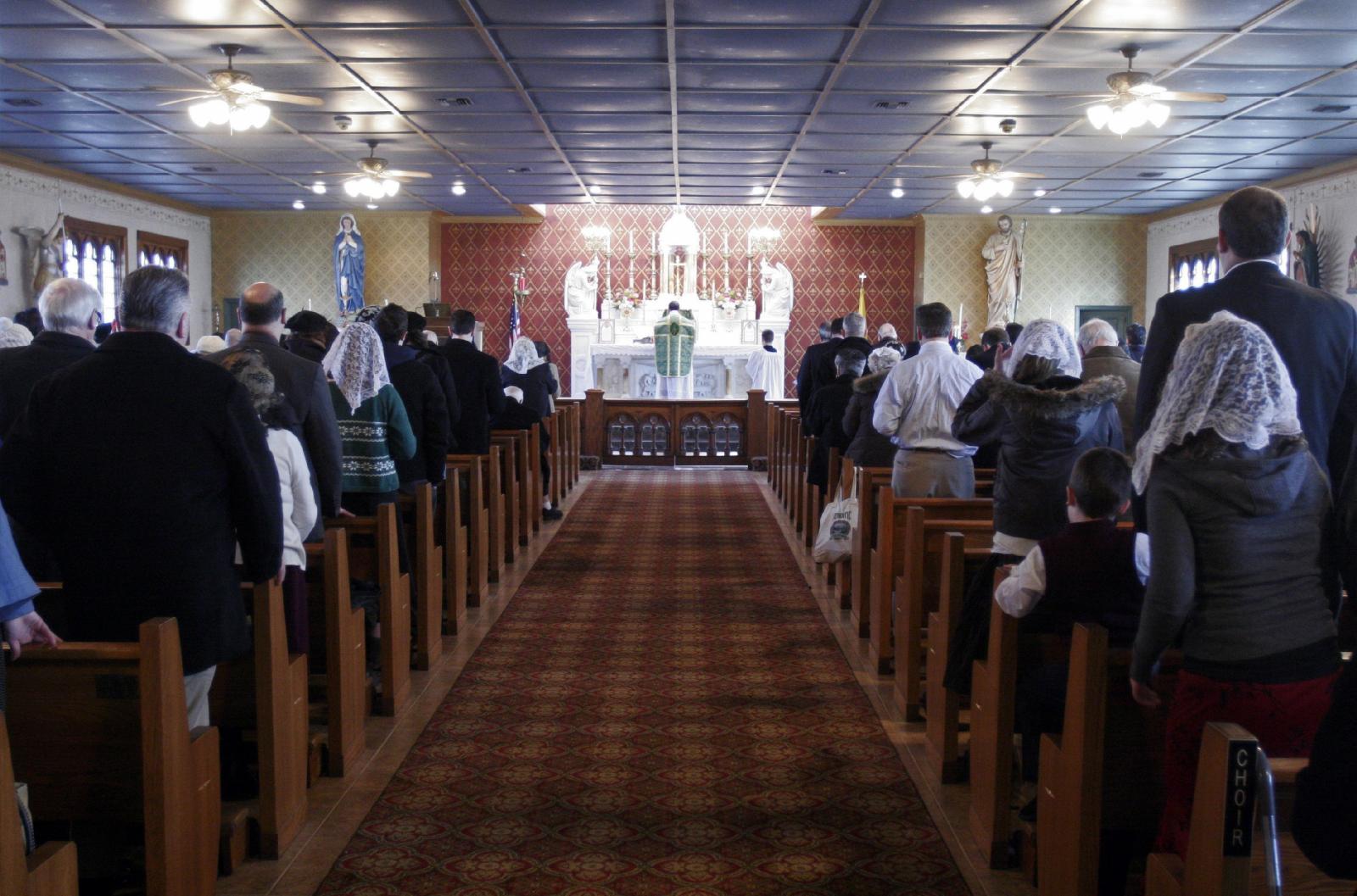
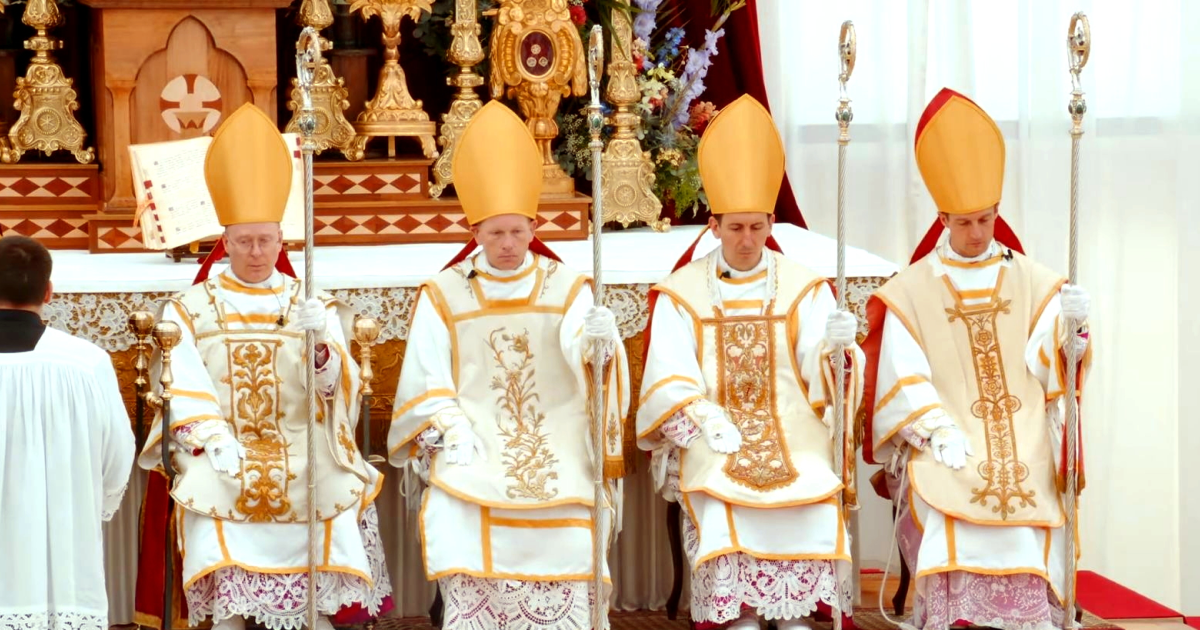
Maybe this hiraeth explains the draw of the Latin Mass (which we attend), for instance, and the allure of things like homesteading and the Catholic Land Movement—a yearning for something lost, like a home or neighborhood you miss but one you never really grew up in. Or maybe it’s simply a manifestation of a longing for Heaven, something written in our spiritual DNA—a place we can only imagine and yearn for while here on earth.
In any event, as the typewriter sits adjacent to my laptop as I type this article, I sip on a vodka tonic and find myself with a heavy yet nebulous kind of long-grief I can’t put a finger on; not at home in the world in which I now find myself having to inhabit, and unable to find my way back to the place in which I used to live.
Photo by Luke Witter on Unsplash