








A nation within the Church: Consecrated life, lived from the inside
I still remember the white Volkswagen.
In the village where I grew up, surrounded by hills and rocks, it was the only vehicle that regularly carried people to Mass. It bounced along poor roads, picked up the elderly and the sick, and sometimes became the closest thing we had to an ambulance. It belonged to the sisters.
At the time, I did not have words for what I was witnessing. I only knew that wherever those women went, the Church arrived with them.
Only later did I understand that what I had seen was not simply kindness or generosity, but a way of life the Church herself recognizes as essential: consecrated life, the Gospel lived without compromise.
The Gospel taken literally
The World Day for Consecrated Life is celebrated annually Feb. 2. Consecrated life reaches back to the very beginnings of the Church, to that moment when the first disciples heard Christ’s call to “leave everything” and follow him. From the start, some men and women felt drawn to respond with particular freedom, embracing poverty, chastity and obedience as a way of configuring their entire lives to Christ.
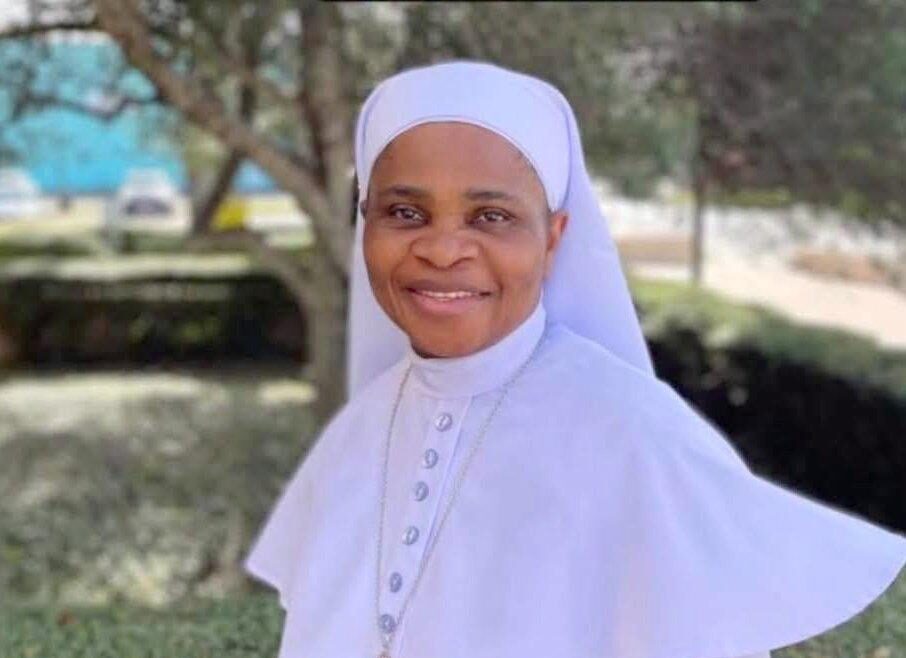
As a young person, drifting away from the practice of the faith, I did not yet know this theology. What I knew was Sister Agnes.
She never scolded me or tried to frighten me back into the Church. Instead, she listened. She invited. For nearly seven years, she repeated what seemed like a very small request: “Come with me to this funeral.”
That quiet, patient invitation slowly reopened a door I had thought was closed.
Looking back, I now recognize that her way of accompanying me was a lived expression of the evangelical counsels. Her poverty showed itself in a simple, shared life. Her chastity was visible in a love that was real and non-possessive. Her obedience appeared as availability — a readiness to go wherever she was needed, without seeking recognition.
My priestly vocation rests, in part, on that hidden fidelity.
A people without borders
As my faith deepened, I began to notice that Sister Agnes was not an exception. She belonged to something much larger — a vast, often unseen body of men and women across the world who had made the same radical choice to belong entirely to Christ.
Consecrated life is sometimes described as a sector or specialty within the Church. Lived from the inside, it feels more like a people — almost a nation within the People of God. This is not a nation defined by territory or language, but by a shared profession of the evangelical counsels and a desire to live the Gospel fully.
In many parts of the world, consecrated men and women outnumber diocesan clergy. They teach, heal, accompany, pray, bury the dead and remain when circumstances would make leaving understandable. Their presence forms a quiet network of prayer and service woven into the fabric of the Church’s daily life.
Faith sharpened by reality
Nowhere did I see this more clearly than in Africa.
In countries like Nigeria, consecrated life often flourishes amid political instability, economic hardship and social insecurity. Poverty is not an abstract idea, it is a shared reality. Obedience is not theoretical; it means fidelity amid pressure from family expectations, ethnic loyalties and political forces. Chastity becomes a prophetic sign in societies marked by exploitation and wounded relationships.
I have seen religious remain in regions affected by violence when others fled, continuing to run schools, clinics and pastoral centers. Their presence became a living catechesis on Christ the Good Shepherd, who does not abandon his flock.
When the Church named what already existed
It was only later, through study and formation, that I encountered the documents of the Second Vatican Council. What struck me was not how new they felt, but how familiar.
The council affirmed clearly that consecrated life belongs undeniably to the Church’s life and holiness. It is not an ornament or an optional extra, but a gift that helps the entire People of God live their universal call to sanctity.
Reading those words, I recognized what I had already seen in villages, convents and formation houses. Vatican II did not invent the importance of consecrated life; it named it and placed it firmly at the heart of the Church’s mission.
The desert that remains
The first monks withdrew into the desert seeking God alone. That desert, I have learned, is not only geographical.
Every consecrated person is invited into an interior desert — a space of poverty, silence, spiritual struggle and availability. Even in active ministry, the desert remains: resisting comfort, surrendering control, choosing presence over efficiency.
As a priest, and now in leadership, I continue to return to that desert. It is there that vocation is purified and mission clarified.
Why formation matters
This is why formation is inseparable from the future of consecrated life.
Without formation, there would be no Sister Agnes, no sisters at hospital bedsides, no quiet presence in forgotten villages. Formation ensures that generosity matures into fidelity, and that zeal is rooted in prayer and discernment.
Those who support the formation of priests and consecrated persons in young churches are not simply sustaining institutions. They are making possible stories like mine. They are helping ensure that the Church will continue to have men and women willing to give everything to Christ so that no one is forgotten.
As the Church celebrates the Day of Consecrated Life, I think again of that white Volkswagen, carrying hope along unpaved roads. As long as there are lonely hospital rooms, restless young people and communities the world overlooks, consecrated life will remain necessary.
The Gospel will continue to find its way — sometimes quietly, sometimes on worn tires — into the heart of the world.
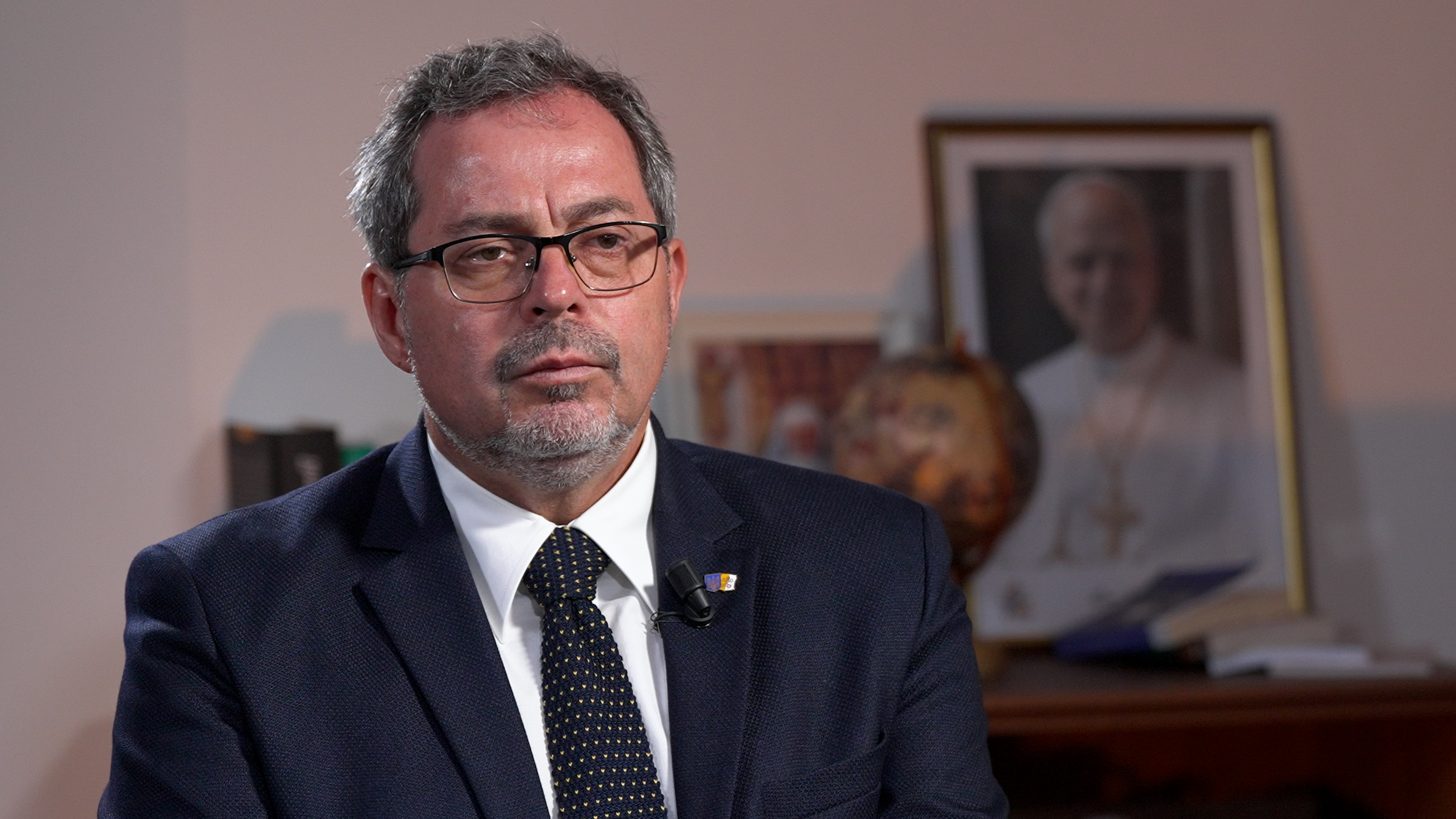
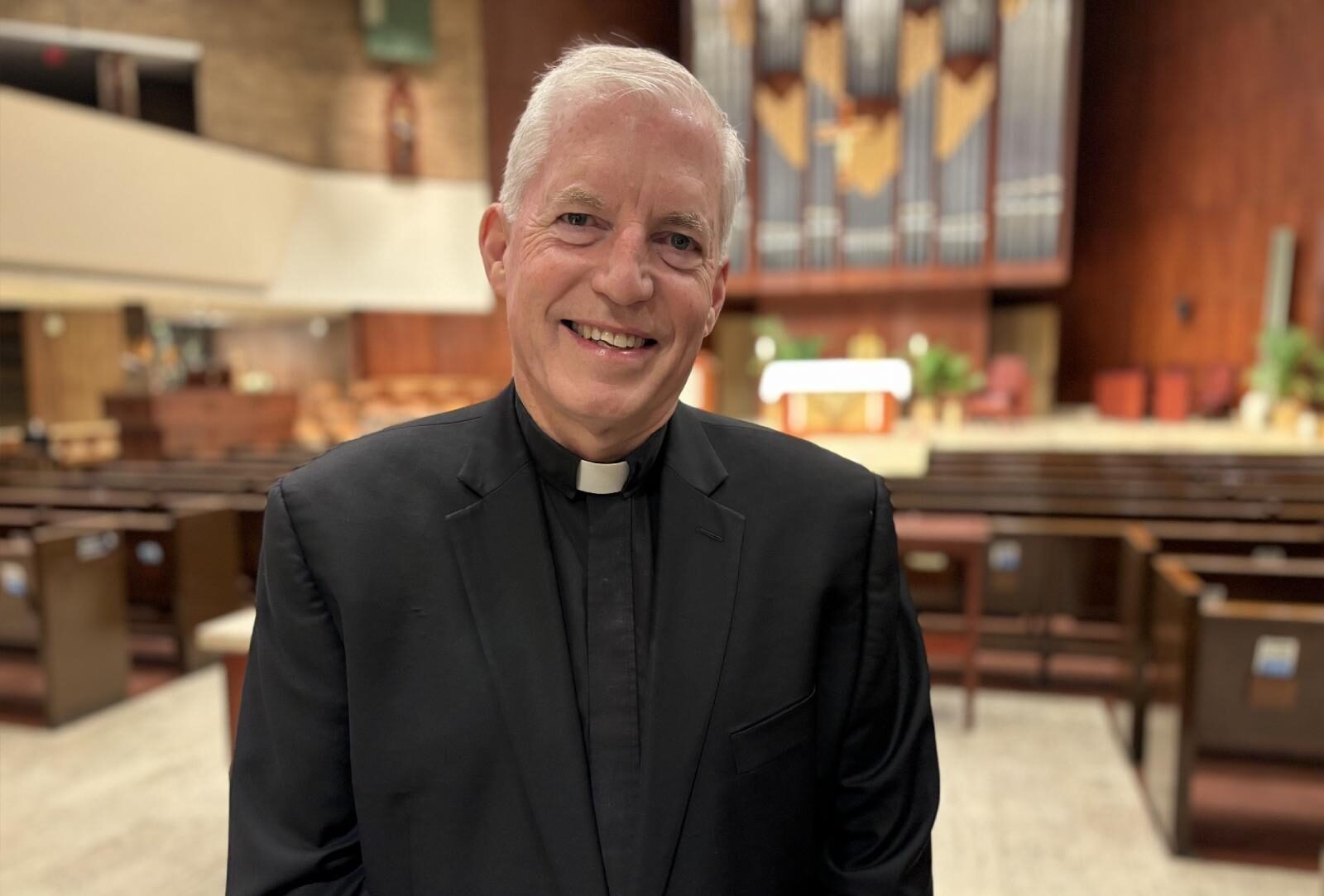
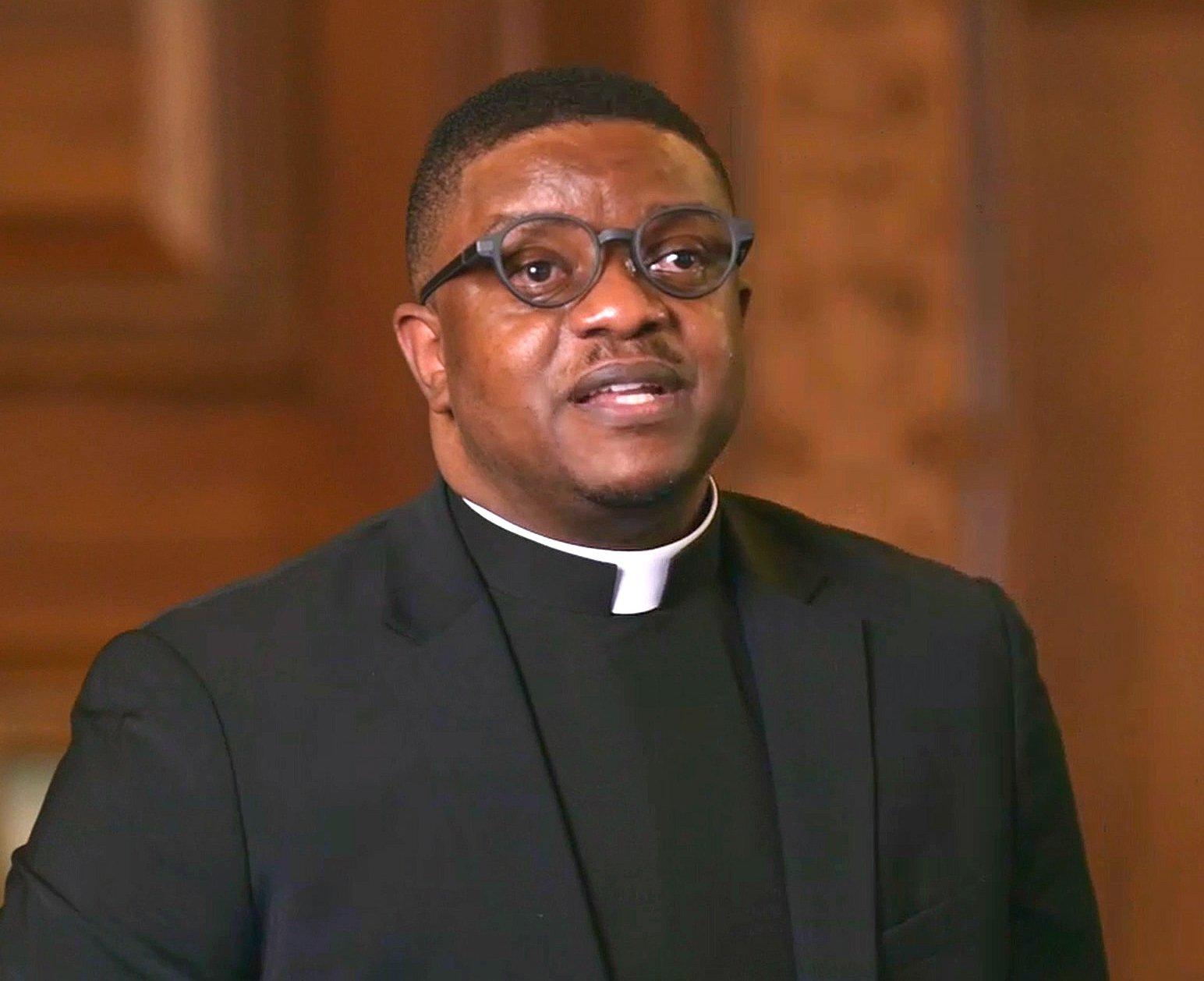
Father Augustine Dada is the Vice President of the Society of St. Peter the Apostle USA, one of the four Pontifical Mission Societies dedicated to the formation of priests and consecrated persons in mission territories.
The post A nation within the Church: Consecrated life, lived from the inside first appeared on OSV News.