



















When Boredom Is More Than Just Boredom

Why that restless feeling may be telling you something important about your mind, your life, and your soul?
Boredom is usually treated as a nuisance. We blame it on long meetings, slow days, empty weekends, or too much screen time. We scroll, snack, or stream our way out of it. Yet boredom stubbornly returns, quietly asking a question we try to avoid.
What if boredom is not a minor irritation but a meaningful signal?
Psychologists, sociologists, and even theologians now agree on one thing. Boredom is not simply the absence of things to do. It is the experience of being unable to connect with what feels meaningful.
In other words, boredom is not about having nothing. It is about nothing having you.
The bored brain
Modern psychology defines boredom as “the aversive experience of wanting, but being unable, to engage in satisfying activity” (Eastwood et al., 2012). You want to care. You want to be engaged. But your mind cannot find anything in front of it that feels worth the effort.
This is why people can be extremely busy and still bored. Their calendars are full, but their inner world is empty.
Research shows that chronic boredom is linked to depression, anxiety, rumination, and a weakened sense of meaning in life (Westgate & Wilson, 2018). People who are often bored are more likely to feel disconnected from themselves and unsure of who they are.
Boredom, then, is not emotionally neutral. It reflects a deep fracture between attention and purpose.
A social symptom
Boredom is not just a private feeling. It is also a social signal.
Sociologists have long observed that boredom rises when people lose meaningful roles, deep relationships, and a sense of belonging (Toohey, 2011). Repetitive work, shallow entertainment, and digital overload all stimulate the senses without nourishing the person.
Modern culture offers endless content but very little communion.
So boredom becomes the emotional cost of a society that keeps us busy but rarely makes us feel needed.
When boredom turns existential
Philosophers distinguish between being bored by something and being bored with life itself. The second is far more dangerous.
Existential boredom is not about having nothing to do. It is about having nothing to live for. Martin Heidegger described it as a mood in which the whole world seems drained of significance. Viktor Frankl later called it the “existential vacuum” a state in which people no longer feel that their lives have meaning.
This kind of boredom is not solved by entertainment. It is solved by purpose.
The forgotten spiritual side
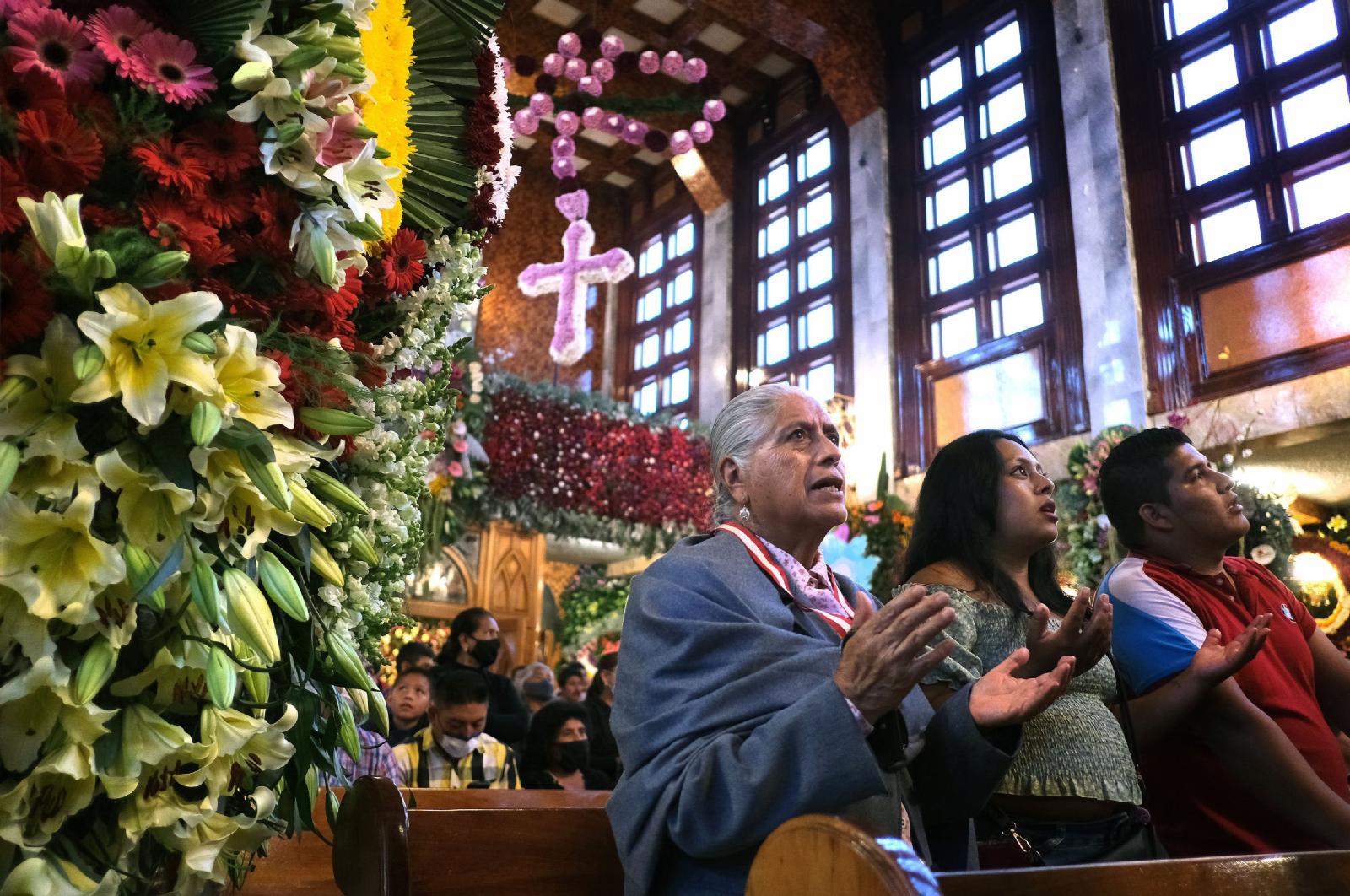
There is another form of boredom few people talk about. Spiritual boredom.
Researchers studying religion and psychology have found that people can feel bored even during prayer, worship, or meditation when those practices lose their sense of inner meaning (Goetz et al., 2025). This is not because the soul has too much silence. It is because it no longer feels addressed.
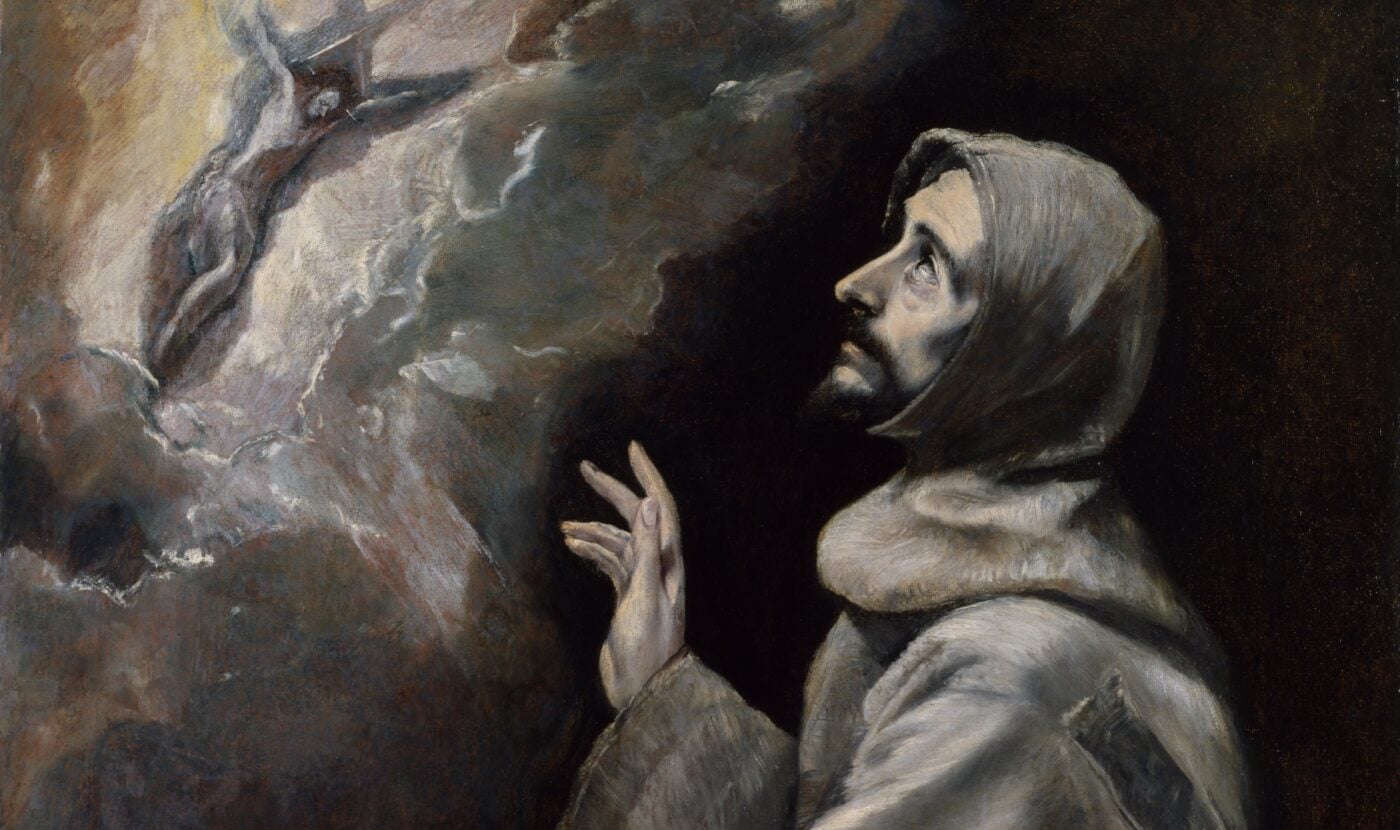
In the Christian tradition, this state was called acedia. The Desert Fathers described it as weariness of the soul. Thomas Aquinas defined it as sadness over spiritual good. It is what happens when the heart no longer delights in what once gave it life.
Acedia is not laziness. It is the sorrow of a soul that has forgotten how to love.
What boredom is really saying
St. Augustine wrote that the human heart is restless until it rests in God. Boredom is one of the most common forms of that restlessness.
When distractions stop working, boredom forces us to confront what we really want. It reveals a hunger that no amount of noise can fill.
That hunger is not for more stimulation. It is for meaning.
So the next time boredom appears, do not rush to silence it. Listen to it. It may be asking you the most important question of all. What am I really living for?
References available upon request. Based on work by Eastwood et al. (2012), Westgate & Wilson (2018), Toohey (2011), Frankl (1959), Heidegger (1929/1995), Goetz et al. (2025), Aquinas, and Augustine.