












Our History and Hope in Divine Mercy


Jesus said to Sister Faustina:
My child, life on earth is a struggle indeed; a great struggle for my kingdom. But fear not, because you are not alone. I am always supporting you, so lean on Me as you struggle, fearing nothing. Take the vessel of trust and draw from the fountain of life for yourself, but also for other souls, especially such as are distrustful of My goodness. (Diary of St. Maria Faustina Kowalska, §1488)
Mercy at the Beginning of Human History
At the dawn of human history, our first parents stood before the tree of the knowledge of good and evil, faced with a choice that would shape their destiny and ours. Succumbing to temptation, Adam and Eve fell from grace.
When the Father called out, “Adam, where are you?” they hid in fear and shame within the garden (Gen. 3:9). Justice demanded a response, yet the Father of Love called not to exact punishment but to extend mercy. His question, “Where are you?” was not a demand for retribution but an invitation to healing, the restoration of the Covenant, and the recovery of their dignity as children of God. Adam, seeking to justify himself, replied, “The woman whom You put here with me…” and Eve, in turn, said, “The serpent tricked me, so I ate it” (Gen. 3:12–13).
In a sense, each person stands before the tree of the knowledge of good and evil and chooses between fidelity to God or turning away. This pattern of choice and consequence echoes through the generations, beginning with Adam and Eve’s sons. Abel chose the good, returning to the Father of Mercy and Love; Cain offered a half-hearted gesture and turned from God. Envy consumed Cain, who “greatly resented” Abel’s favor with God and “was crestfallen” (Gen. 4:5).
Let’s not forget that, in His mercy, the Father reached out to Cain, urging him to resist sin: “Why are you so resentful and crestfallen? If you do well, you can hold up your head; but if not, sin is a demon lurking at the door: his urge is toward you, yet you can be his master” (Gen. 4:6–7).
Like his father Adam, Cain rejected God’s invitation and allowed evil to intensify. He attacked and killed his brother Abel. Yet even then, God did not abandon Cain, offering another chance for reconciliation: “Where is your brother Abel?” Cain’s response was defiant: “I do not know. Am I my brother’s keeper?” (Gen. 4:9).
The God Who Pursues His People
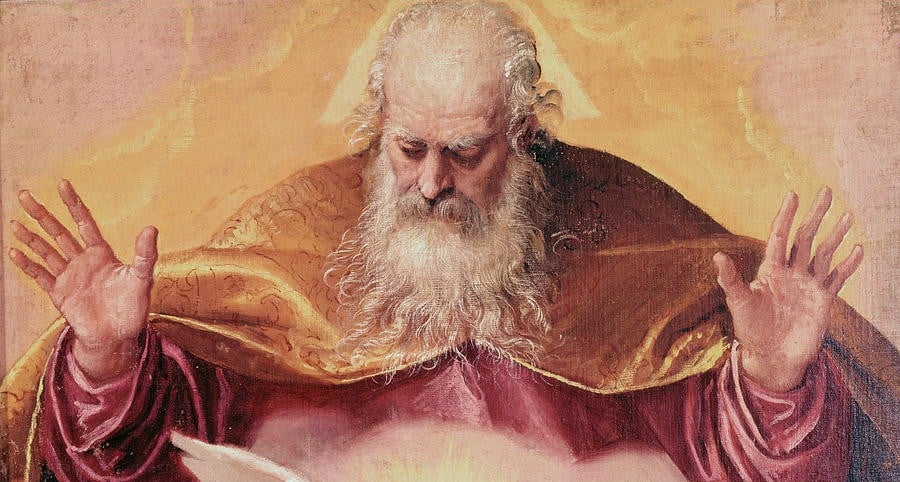
This drama unfolds repeatedly throughout salvation history. God, in His mercy, pursues His people, offering countless opportunities for reconciliation. Israel broke the covenant again and again, yet through the prophets God awakened their awareness of infidelity, calling them back to repentance. The Old Testament abounds with this divine pursuit:
Who is there like you, the God who removes guilt and pardons sin for the remnant of his inheritance; Who does not persist in anger forever, but delights rather in clemency, and will again have compassion on us, treading underfoot our guilt? You will cast into the depths of the sea all our sins…as You have sworn to our fathers from the days of old. (Mic. 7:18–20)
Come now, let us set things right, says the Lord: though your sins be like scarlet, they may become white as snow; though they be crimson red, they may become white as wool. (Is. 1:18)
The prophets link mercy with love. God loves Israel with the love of a spouse: “So I will allure her; I will lead her into the desert and speak to her heart…I will espouse you to me forever: I will espouse you in right and in justice, in love and in mercy” (Hos. 2:16, 21). Isaiah echoes this tenderness:
For He who has become your husband is your Maker; his name is the Lord of hosts…The Lord calls you back, like a wife forsaken and grieved in spirit…For a brief moment I abandoned you, but with great tenderness I will take you back. In an outburst of wrath, for a moment I hid my face from you; But with enduring love I take pity on you, says the Lord, your redeemer. (Is. 54:5–8)
Even when the Lord is exasperated by the infidelity of His people, His tenderness overcomes His anger. Mercy becomes the power of love that prevails over sin. Repentance and true conversion remain the keys to receiving the mercy poured out through Christ’s Passion on the Cross.
On the World Day of Peace in 2005, St. John Paul II affirms how this drama of salvation history takes place within our own hearts to this very day:
Sacred Scripture is the book of God and about God, it is also a great book about man…Evil always has a name and a face…the name and face of those men and women who freely choose it…Each of these choices has an intrinsic moral dimension, involving specific individual responsibilities and the fundamental relationship of each person with God, with others and with all of creation. This drama continues to challenge every generation, including our own…At its core, evil is a tragic rejection of love—a rejection of God, who is love. Moral good, conversely, is born of love, manifests as love, and is directed toward love. (Message for the World Day of Peace, 2005, §3)
This struggle unfolds in every human heart, yet we are not alone. The God of Mercy stands ready to go beyond justice. “Abba,” our Father, scans the horizon, longing to meet His lost sons and daughters.
The Final Hope
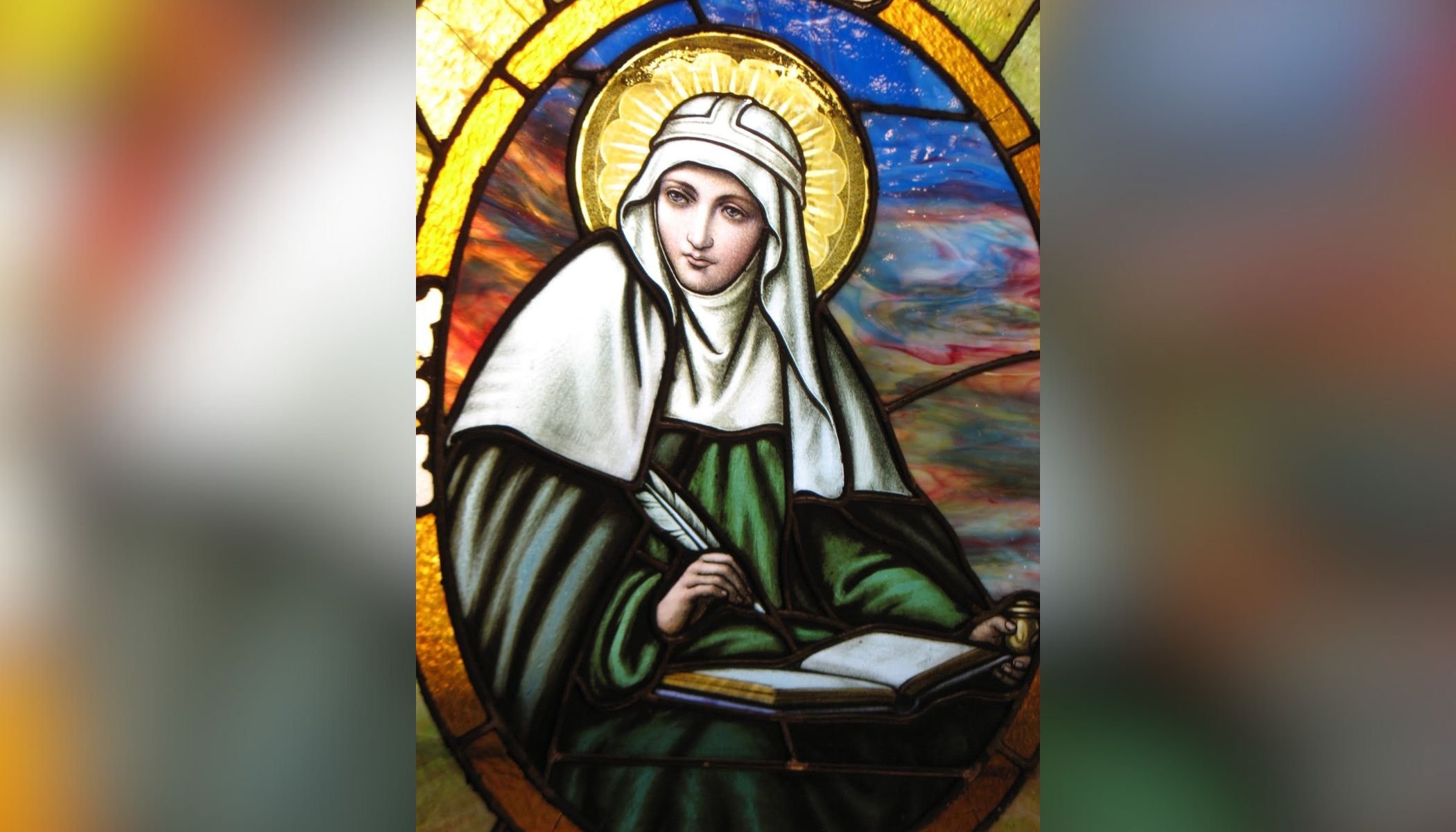
In her Diary, Sister Faustina famously records:
Jesus looked at me and said, “Souls perish in spite of my bitter passion. I am giving them the last hope of salvation; that is the Feast of my Mercy (Divine Mercy Sunday celebrated the week after Easter). If they will not adore My mercy, they will perish for all eternity. Secretary of My mercy, write, tell souls about this great mercy of mine, because the awful day, the day of My justice is near.” (§965)
This Sunday, the universal Church celebrated this great Feast of Divine Mercy. Numerous indulgences are offered, and countless pray the Divine Mercy Novena and Chaplet. God offers His mercy to us, but He will not force it on us. He offers; we must accept it. As He says, the day of justice is near, so let us do our part to prepare.
Jesus said to me and told me to tell the world, “For you I descended from heaven to earth; for you I allowed myself to be nailed to the cross; for you I let my Sacred Heart be pierced with a lance thus opening wide the source of mercy for you.” (Diary of St. Maria Faustina Kowalska, §1747)
Place a picture of the Divine Mercy image in your home. Remember this sacrifice He made for you. Beneath it are the words: “Jesus, I Trust in You.” Recite this prayer repeatedly, and let the ocean of God’s mercy wash over you. Intentionally enter into His mercy every day.
In this image, the two rays flowing from His heart have profound meaning. The white ray symbolizes Baptism, the cleansing nuptial bath that prepares us for the Wedding Feast of the Lamb. The red ray symbolizes His Blood, poured out in the Eucharist, through which Christ unites Himself to His Church.
The greatest way we can partake in the mystery of God’s mercy is through the Eucharist. The Mass, the highest form of worship, offers the perfect sacrifice of the Son to the Father, and by His mercy, we are invited to mystically partake in that same sacrifice and even be united to Divine Mercy Himself in Holy Communion. Sister Faustina wrote of this mystical union:
The most solemn moment of my life is the moment when I receive Holy Communion. I am preparing myself for Your coming as a bride does for her bridegroom. The presence of God penetrates me and sets aflame my love for Him. There are no words; there is only interior understanding. I drown completely in God, through love. (Diary of St. Maria Faustina Kowalska, §1804)
Brothers and sisters, confess your sins, receive the Eucharist often, dwell on the image of Divine Mercy, pray “Jesus, I trust in You” repeatedly, and let your life be transformed by this mystery of Love.
Authors Note: This is ACT Twenty-One from the Claymore Battle Plan, Handbook For Young Men in Spiritual Warfare.
Image from Wikimedia Commons