














Priests often serve as first responders for those struggling with mental health, experts say
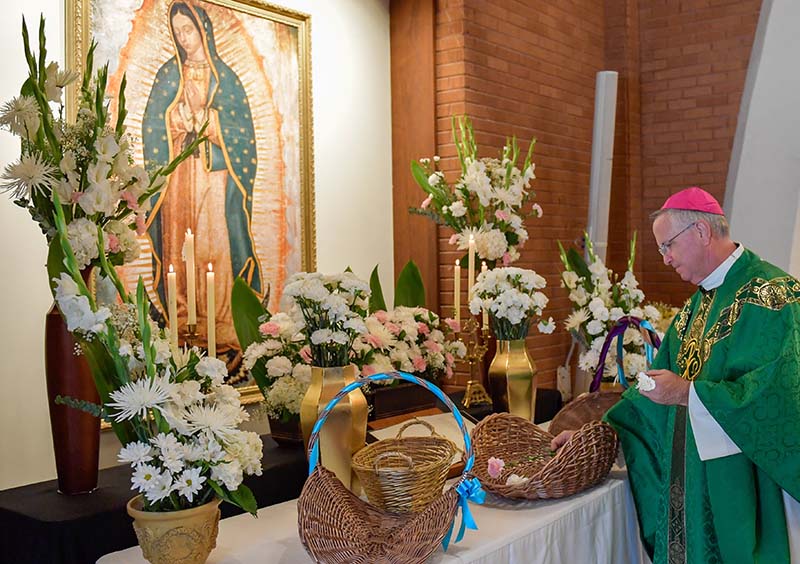
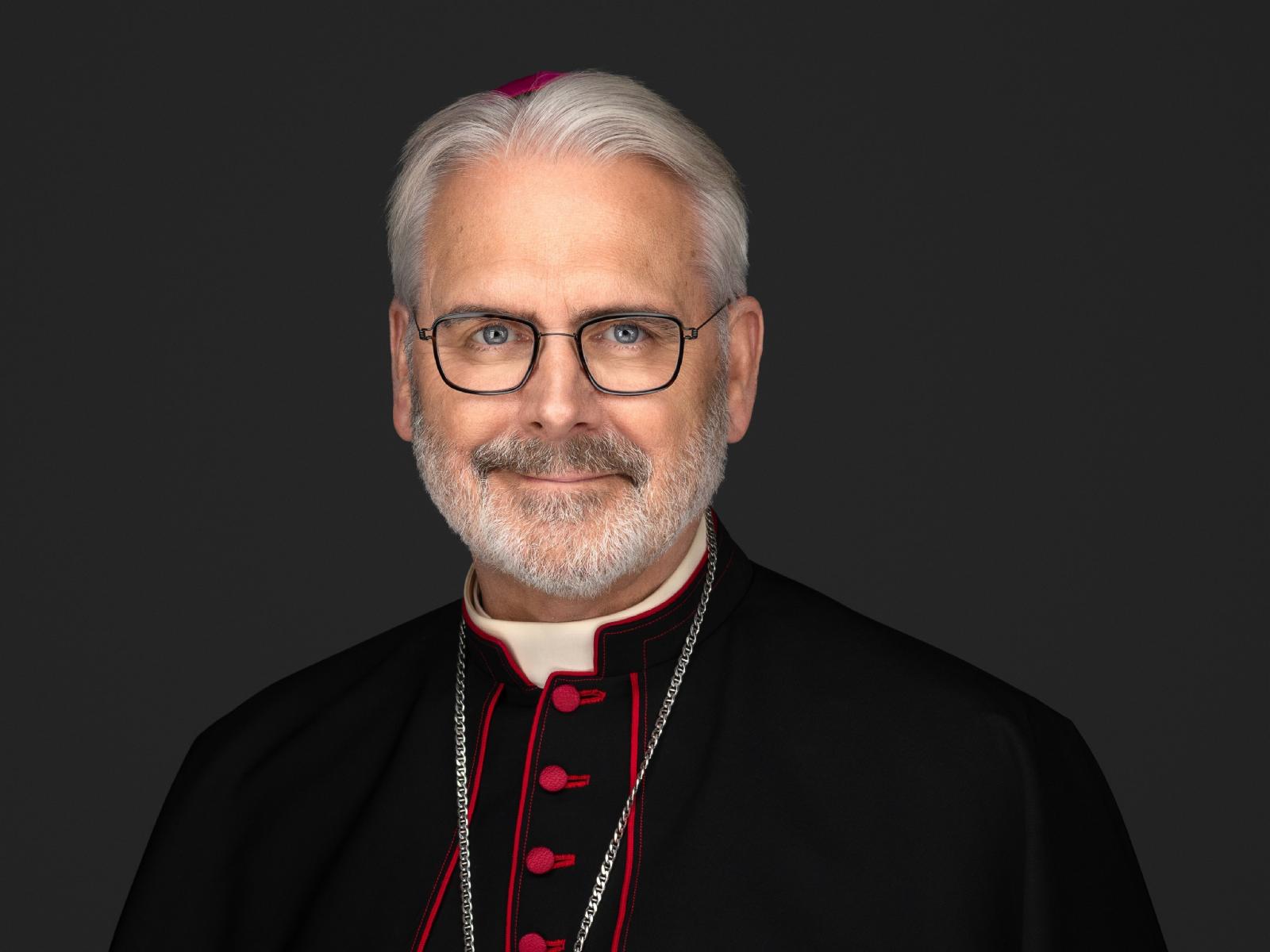
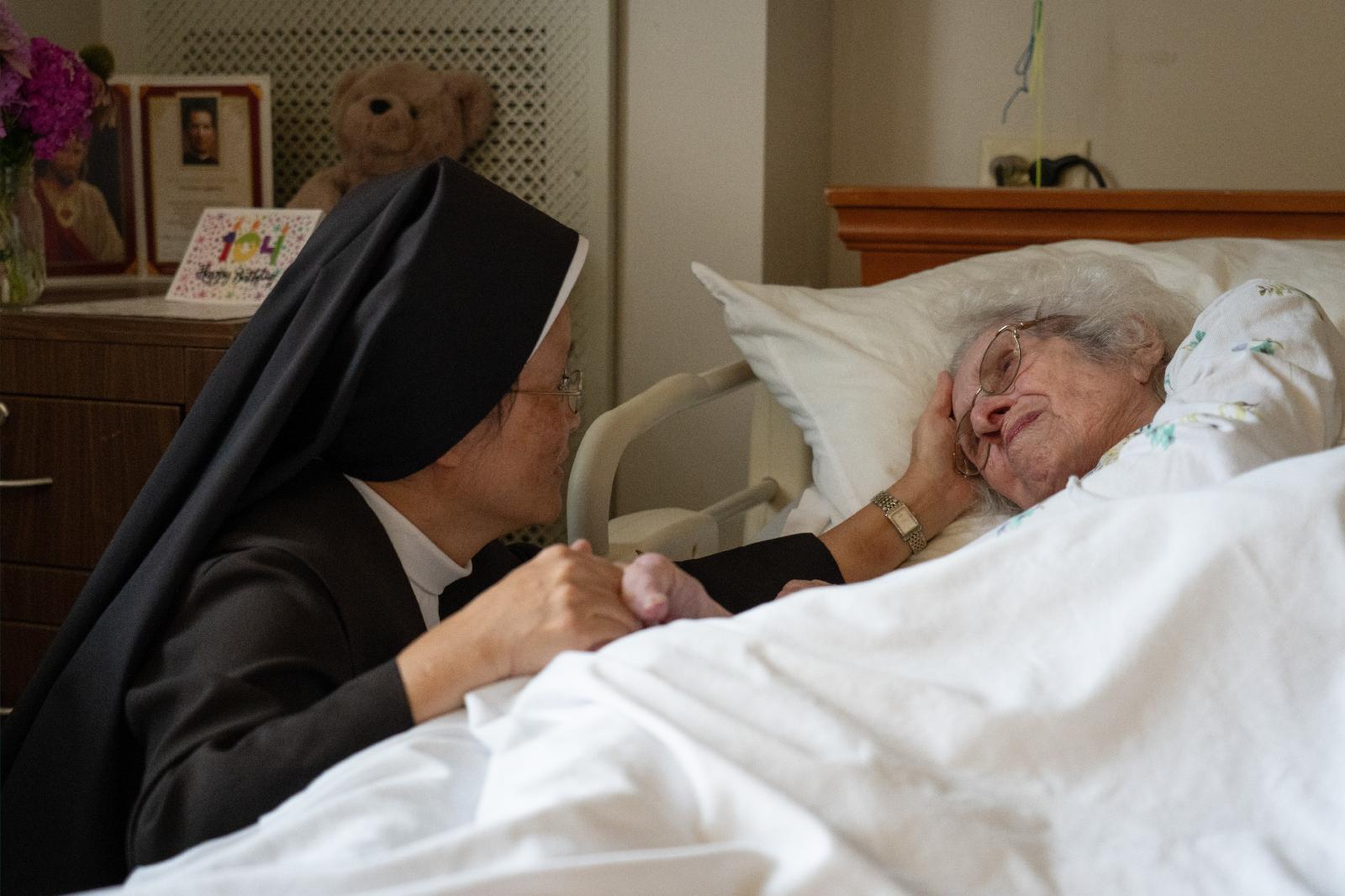
(OSV News) — Bishop John P. Dolan of Phoenix still remembers when clergy and, in particular, a religious sister walked with himafter his brother died by suicide.
“She was able to see the value in accompanying a person — especially a youngster — throughout his life in order to kind of mature with the grief,” said Bishop Dolan, who was entering eighth grade when his brother died.
After losing four family members to suicide, Bishop Dolan began his diocese’s Office of Mental Health Ministry, which encourages the church to respond to similar situations by accompanying those with mental health needs and their loved ones.
In the church, clergy can play a crucial role in supporting the mental health of those in their parishes and communities, according to Bishop Dolan. He and other Catholic mental health leaders spoke with OSV News about clergy support of mental health for May, Mental Health Awareness Month.
Pope’s October intention for mental health ministry
Their comments also came ahead of October when Pope Leo XIV’s intention will be for mental health ministry.
While clergy are generally not mental health professionals, they can provide support and guidance for those struggling with mental health, these experts said. Clergy are not alone; They can and should work with mental health professionals and faith-based support networks.
Many of these experts said priests want to help in this area — and that resources and training exist to support them. Leaders described a growing awareness in the church for mental health. Some pointed to comments from the popes, campaigns from the U.S. bishops and a growing number of dioceses listing mental health resources online. These experts envisioned a future where the church serves as a home to people struggling with mental health.
Serving on the front lines
Priests, they said, often serve as first responders for those struggling with mental health.
“We still find that many individuals, when they themselves are experiencing a mental health crisis or mental illness — or when their loved ones are — that a priest or someone in the parish … would be the first person that they would reach out to,” Beth Hlabse, program director for the Fiat Program on Faith and Mental Health at the University of Notre Dame’s McGrath Institute for Church Life, said.
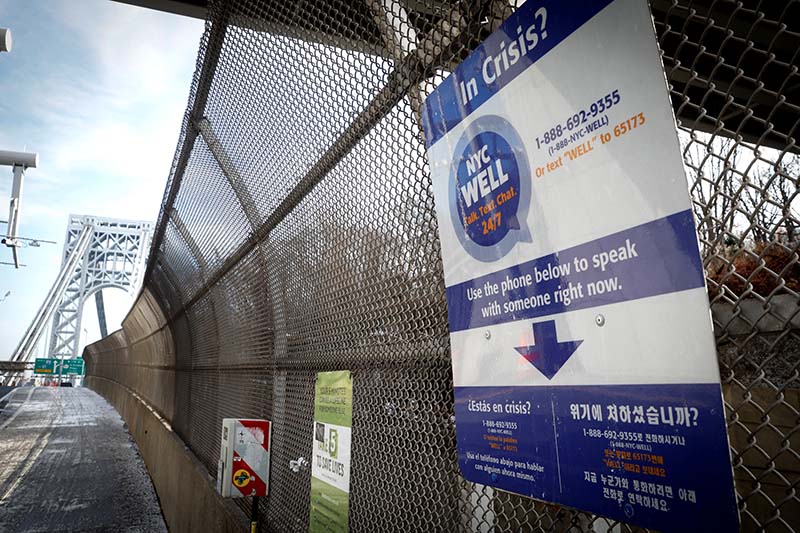
Today, more than 1 in 5 U.S. adults struggle with mental illness, according to the National Institute of Mental Health. Many of them turn to the church for help. For adults belonging to a religious community, a majority (57%) say they would likely seek help from a faith leader if they were struggling with mental health, a survey released by the American Psychiatric Association found in 2024. That same year, a study examining 2019-2020 data from U.S. religious leaders found that more than 76% of clergy members were approached by congregants for mental illness assistance at least once.
“They are on the front lines,” said Kenna Millea, a licensed marriage and family therapist who serves as clinical director and co-founder at the Martin Center for Integration in Minneapolis. “Parishioners, school parents, people in crisis look to them as authority figures for a well-ordered, peaceful, joyful, meaningful life!”
A focus on education
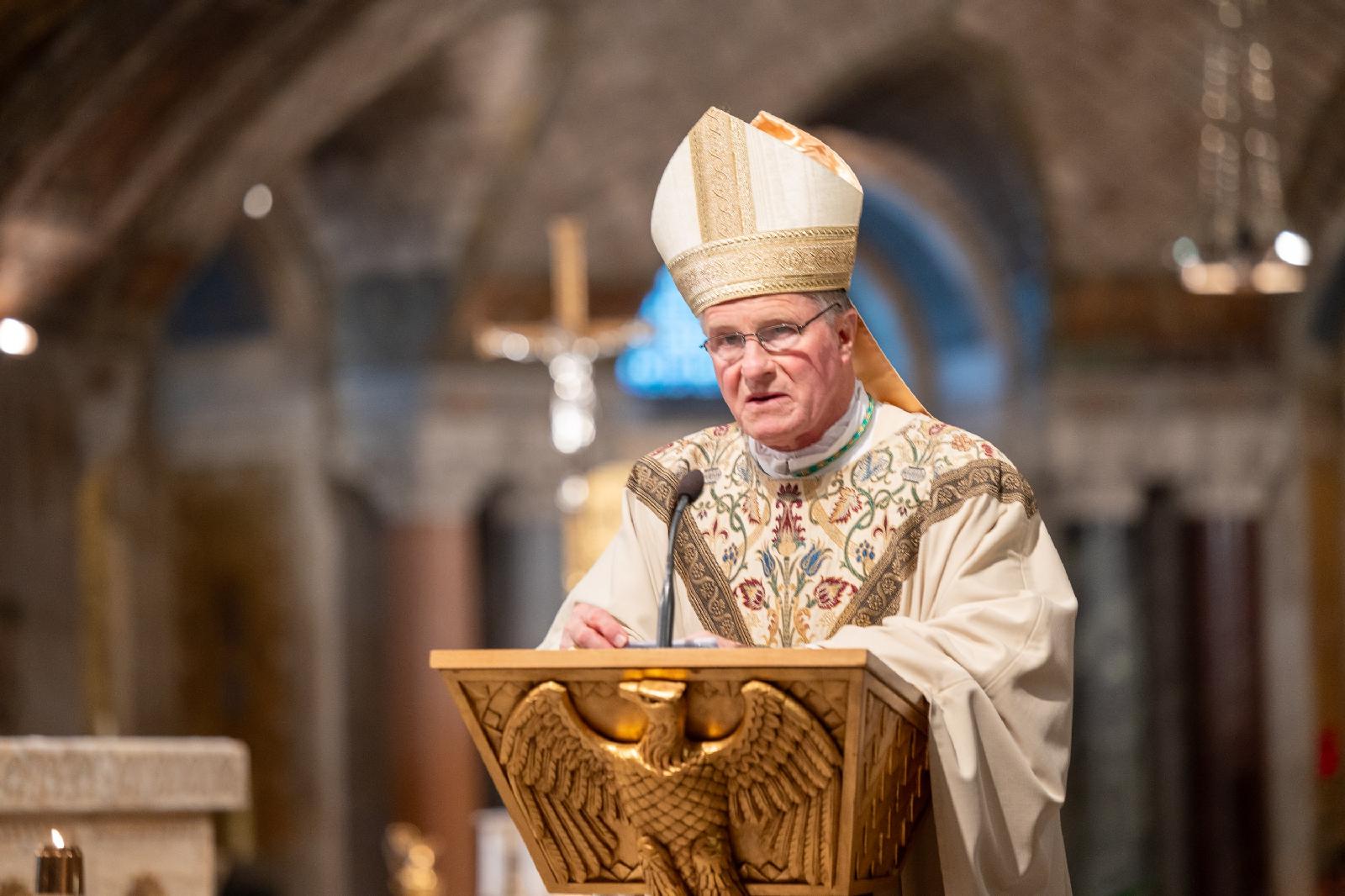
Bishop Dolan called caring for those with mental health needs “one more opportunity for us to meet Christ in people who are most vulnerable.” While priests do not diagnose, prescribe or treat, they can educate, accompany and advocate in the area of mental health, he said.
Many leaders recommended clergy start by knowing what mental health resources exist, including the mental health professionals and faith-based networks they can work with and refer people to. Some said priests who are already juggling many responsibilities should not feel like they have to know everything, but education and training exist to help them get started — and to help them discern when to provide support and when to refer.
“The clergy, as in with everything, is there to accompany and support a person — let them know they’re loved by God and never abandoned by God,” said Deacon Ed Shoener, president of the International Association of Catholic Mental Health Ministers, or CMHM.
Lay association is a resource
Many experts named the CMHM, a lay association dedicated to helping people with mental illness and their families, as a resource. Online, CMHM lists diocean and parish mental health ministries and features support for starting new ministries. It includes a variety of free resources, including a learning center. Deacon Shoener, who lost his daughter to suicide, said CMHM travels worldwide speaking with clergy, including at seminaries.
As one of the largest private social service providers in the country, Catholic Charities USA runs 169 agencies with over 90 adult counseling programs, 80 youth counseling programs and 65 school based counseling programs. Ben Wortham, vice president for behavioral health integration at CCUSA, recognized priests as “great gateways to professional help at Catholic Charities” for mental health services and basic needs, which he stressed are interconnected.
Wortham also highlighted programs like Whole Hearted, CCUSA’s parish-based resource addressing the impact of painful experiences on mental health.
Indicators of level of care needed
Practices like Millea’s center in Minneapolis provide workshops with clergy. They cover indicators of the level of care needed when someone approaches a priest, boundaries, care for one’s own mental health and more. Priests often run scenarios past Millea and ask if it requires a mental health professional. She recommended other clergy consider something similar.
“Most clergy innately know they have a role, and they earnestly want to fulfill it,” Millea said. “But sometimes they need additional help understanding where the line is and what actions they can take without causing harm.”
Hlabse’s Fiat Program also provides formation for clergy and lay leaders to cultivate mental health ministry and parish support. It offers formation to speak about mental health, practical models of ministry, support in breaking down stigma, resources for building a culture of accompaniment and partnerships with mental health professionals. Among other things, they discuss identifying if someone is exhibiting signs of mental distress.
Would outside support be a benefit?
“A clergy (member) does not need to know, is this person exhibiting signs of a particular type of mental illness?” she said. “But just, is this person exhibiting signs of mental distress such that they would benefit from outside support as well as the ongoing support of the faith community?'”
The program’s resources also include a free video series that invites priests to reflect on and discuss mental health challenges together.
At Divine Mercy University in Sterling, Virginia, a Catholic graduate school of psychology and counseling, clergy have enrolled in all programs. A total of 41 priests have graduated. Online, the university provides an alumni directory of professionals people can contact.
‘Truth about human nature and the human person’
“We’re perfectly positioned to give the best responses to this, because we understand the truth about human nature and the human person,” Father Charles Sikorsky, a Legionary priest and president of the university, said of the church. On a more practical level, with the church’s network of parishes and other institutions, “we have an incredible potential for a delivery system to reach so many people who are suffering.”
Leaders also recommended clergy ask their dioceses for lists of mental health resources and referrals. Priests may even identify mental health professionals in their own parishes. Other experts named resources including CatholicTherapists.com, a directory of Catholic therapists; the Catholic Psychotherapy Association, a group supporting Catholic values in psychotherapy; and Mental Health First Aid training, a secular program that helps people respond to mental health challenges.
A look at accompaniment
Several leaders suggested clergy invite their parishes to discern starting a mental health ministry and working mental health into existing ministries. This support could also help take some work off of the priest’s own shoulders. Many said clergy should talk about mental health and strive to break the stigma around it. Deacon Shoener recommended routinely including those struggling with mental illness in intercessory prayers and occasionally working the topic into homilies.
Hlabse added: “Sometimes we get into a thinking trap, where we think, if only I prayed more, if only I were holier, if only I had stronger willpower that I could just overcome it. … Pastors can do so much just at the level of the parish in helping folks grow in understanding that, as human beings, we’re vulnerable.”
Priests can also accompany people struggling with mental health directly. Hlabse stressed the importance of priests listening to those who approach them and connecting them with the faith community.
A dedication to advocacy
Bishop Dolan also recommended that, if a diocese has something like an office of social ministry or office of mental health ministry, it could examine how priests might support local legislative bills promoting mental health care for the general population.
“(Christ) enters our pain and our suffering and even our death,” Bishop Dolan said of the church’s involvement in mental health. “Where Christ goes, we should enter as well.”
Katie Yoder is an OSV News correspondent. She writes from Maryland.
The post Priests often serve as first responders for those struggling with mental health, experts say first appeared on OSV News.