











Death as the Culmination of Christ’s Work in Our Lives


In the Catholic tradition, life and death are companions on a shared journey toward a final encounter with Love. If we understand the human and the Divine as collaborators in our sanctification from the moment of Baptism, then death represents the moment where this collaboration reaches its peak (CCC 1026). In dying, the imperfections of our lives are gathered in Christ; the virtues we practice, even when clouded by weakness, are crowned by God’s mercy (CCC 1022). The soul that has labored in faith and surrendered in trust is received into the light of God’s presence (Wis. 3:1). In going through this journey, grace is the quiet but constant current beneath every step, forming our hearts in ways we often cannot see until the end.
The Beatific Vision
St. Thomas Aquinas writes about the beatific vision perfecting both the natural and supernatural capacities of the soul, bringing to completion what grace has begun (Summa Theologiae, I-II, q. 12, a. 4). Grace begins a work in us during life, and death brings that work to fulfillment. What we have lived in faith, hope, and love reaches its completion when the soul encounters God fully and directly (CCC 1028).
This vision does not depend on human accomplishments alone; rather, it is the moment when the life shaped by grace is shown in its true measure. Human life is full of weaknesses due to its limited human nature (Rom. 7:19). Even the virtues we practice are not without distractions. Yet, these limitations do not prevent God from bringing His work to fulfillment. After death, the faithful departed see the completion of what was begun in Baptism. Every act of love and moment of surrender is gathered into the soul’s reception by God. Grace, which once worked quietly through our prayers and desires, becomes radiant in this encounter—what was once hidden is now visible.
While the beatific vision perfects the soul, this encounter is also the beginning of a greater fulfillment that has yet to come, that is, the restoration of the whole human person in the resurrection. In this final moment, life and death are part of the same reality. Death reveals the order and meaning present throughout a life lived with God.
Fulfillment of Desire and Divine Intention
The beatific vision is central to this understanding. The soul, freed from earthly constraints, encounters God with a knowledge it did not have before (1 Cor. 13:12). The partial knowledge the soul had previously is now whole. The way it loved with human limits can now find its true object without obstruction and sin (CCC 1023). This is the fulfillment of human desire and divine intention.
Scripture reflects this pattern of fulfillment. St. Paul writes that God will “bring to completion” the good work we do (Phil. 1:6). Christ promises that He is “the resurrection and life. Whoever believes in me, even though they die, will live” (Jn. 11:25). This affirms that God’s work in us is continuous after death, and death does not break the thread of divine action in human life.
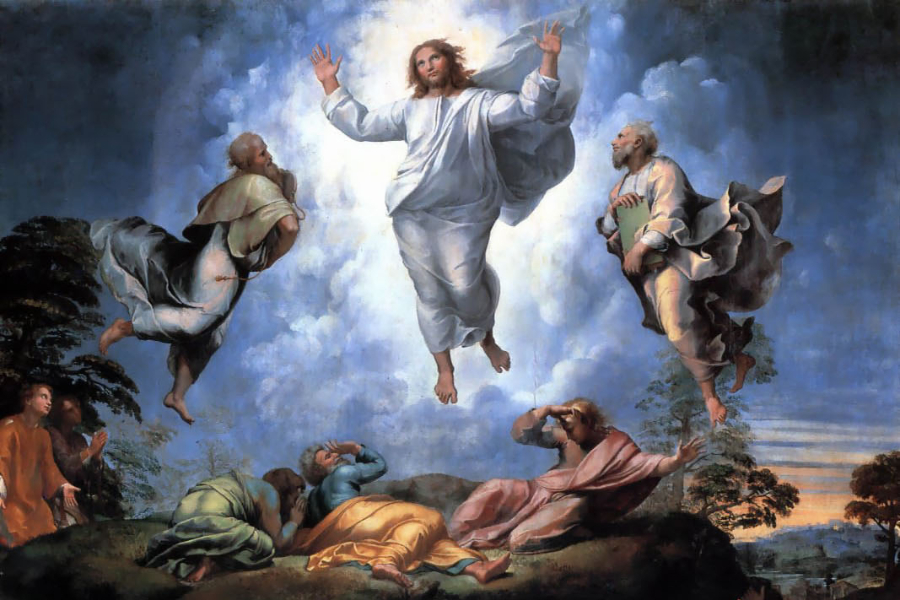
Grace extends this invitation for us to grow by our cooperation with it, and it sustain us in trials that will ultimately lead us into the fulfillment we can never reach by our own strength. And yet, even the completion of the soul is oriented toward a further promise: the renewal of all creation and the restoration of the human body, so that nothing of our humanity, our relationships, our suffering, or embodied love, is lost, but instead transfigured in Christ (Rom. 8:23; CCC 1042).
How This Shapes Our Experience
Seeing life in this sense changes the way we approach both our own mortality and the deaths of those that we know. When a loved one dies, we do not grieve the absence of their efforts alone, but recognize that their life is now holy, received by God (Preface I for the Dead: “Life is changed, not ended”). Of course, we experience grief, because of separation, but our understanding of God’s action offers hope. The daily choices of love, the patient endurance of suffering, the small acts of surrender that marked their life now exist within the full reality of God’s presence (Rev. 14:13). What seemed ordinary to us was actually grace preparing them for the moment when God could draw them fully to Himself. And when we remember that their story continues with the resurrection of the body, our grief is joined to an even deeper hope (Jn. 5:28-29). The body that once suffered, prayed, and served will one day rise in glory, completing the work God has begun in them.
Life Completed in God
Death completes the story of grace working through human effort (CCC 1006). It shows the story as it has been shaped by both human cooperation and divine mercy. The virtues we have practiced are received and fulfilled by God. The struggles we have endured are transformed. Life in Christ continues after death, and the final moment reveals the pattern of love and surrender that gave meaning to every act in every day (CCC 1025). Grace is the thread that holds this pattern together, drawing us forward, even when we cannot perceive its movement just yet.
To live with this in mind is not a matter of fear but of trust (Ps. 23:4). Each act of surrender becomes a preparation for the final encounter, forming our hearts to receive what God has desired to give us since the moment of creation. The sacraments, especially the Eucharist and Reconciliation, form us for this encounter, carrying us in mercy. When we encounter a death, like we all will one day, we do so as participants in this collaboration.
Human weakness and divine mercy meet in the soul. What we have lived is gathered and fulfilled, and the life we have left is shown as it truly was in the sight of God.
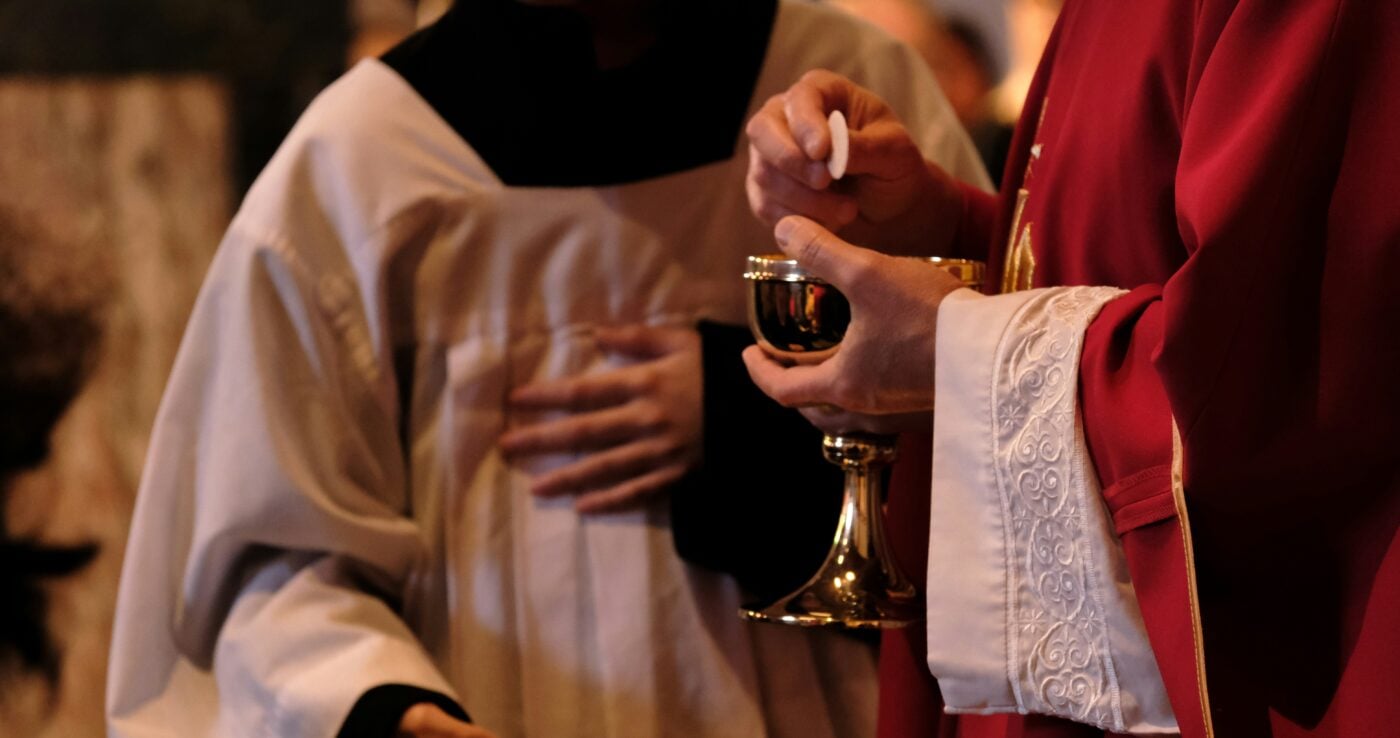
Photo by Milo Weiler on Unsplash