












Preserving human voices and faces: 3 challenges from Pope Leo for World Communications Day
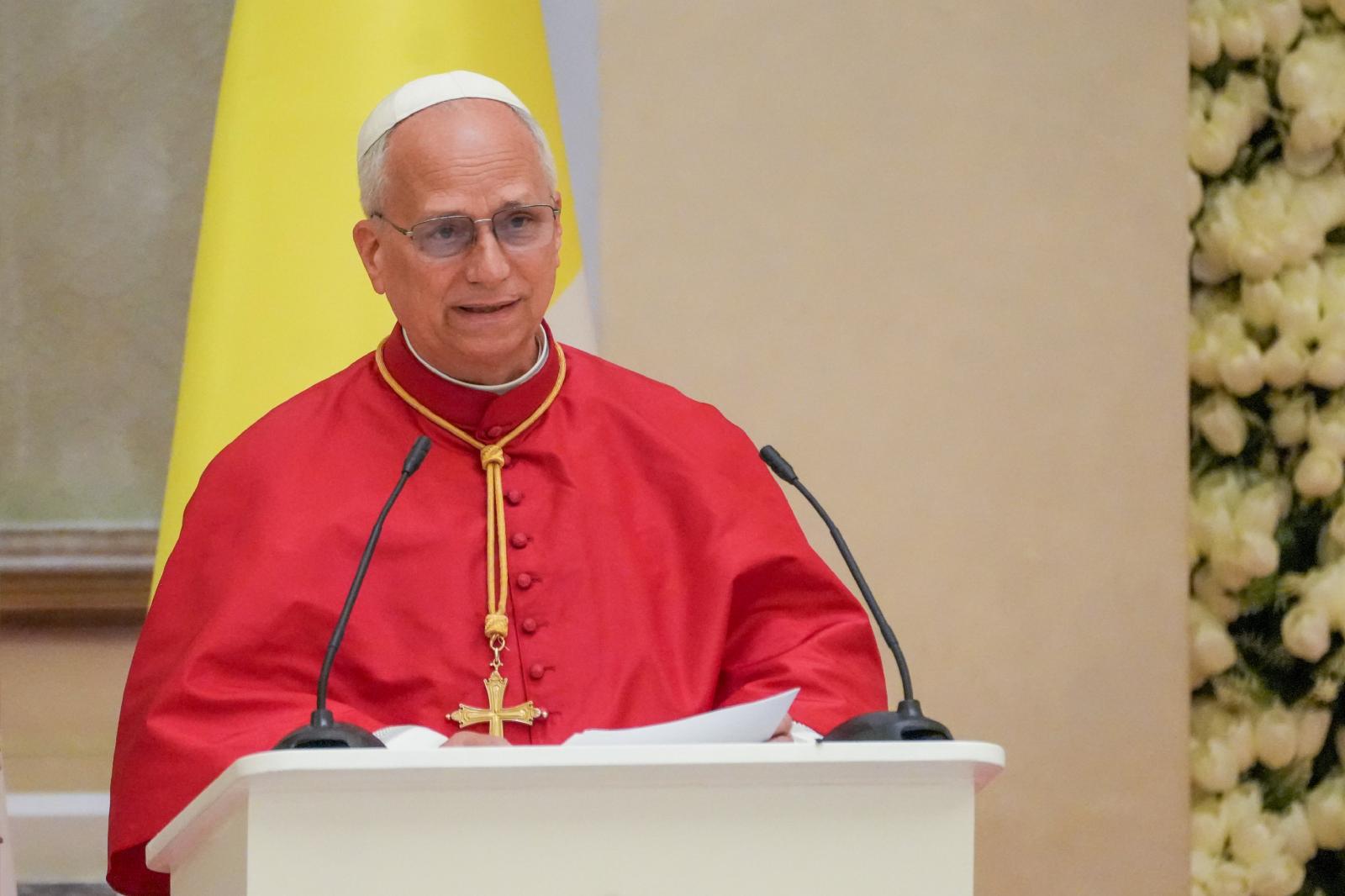
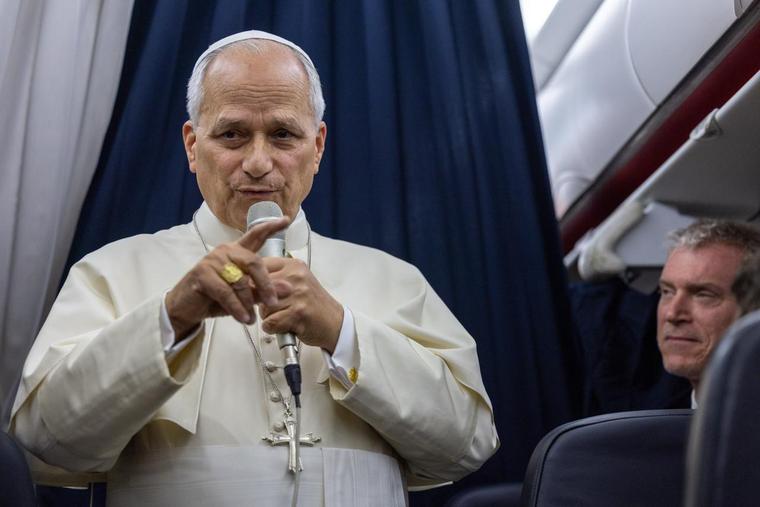
Pope Leo XIV reflects on artificial intelligence in his inaugural World Communications Day message. Falling on May 17 this year, the Holy Father invites the faithful to look at AI through the lens of “Preserving Human Voices and Faces.”
My recent journey into American Sign Language (ASL) via a mobile app highlighted a vital truth: While the app teaches vocabulary and other helpful things, it cannot replace the soul of communication, interacting with real people. Deeper understanding of the language only came when I joined a “peer signing practice.” Navigating the clumsy, nerve-wracking but rewarding reality of live interaction reminded me that communication is an embodied act.
In our AI-driven age, Pope Leo insists that we keep the human person at the heart of every digital interaction. He reminds us that our faces and voices are sacred, for through the face and voice of Jesus, God communicates his very self to us. To protect this sanctity, the pope issues three specific challenges.
1. Exercise your mind
Thinking for ourselves defines our humanity. The Holy Father encourages us not to lean on AI as an all-knowing oracle or an instant font of advice. Algorithms often tell us exactly what we want to hear, creating an echo chamber that needs our critical questioning.
We want to prevent AI from stifling our creativity. As technology advances, AI-generated content becomes almost indistinguishable from human-created art. While we naturally seek tools to increase efficiency — much like the invention of the wheel — what price are we willing to pay?
Pope Leo says that “renouncing creativity and surrendering our mental capacities and imagination to machines would mean burying the talents we have been given as individuals in relation to God and others. It would mean hiding our faces and silencing our voices.”
2. Prioritize real relationships
The proliferation of generative AI brings to the fore a disturbing trend: the substitution of chatbots for real human intimacy. Our relationships with others constitute the core of what it means to be human. Think for a moment about what makes you feel most fulfilled in your life. I would bet that it has something to do with another human person — your spouse, your children, your best friend — rather than tasks or things you do alone.
Designers program AI chatbots to affirm whatever we input, yet allowing a machine to influence our emotions carries “painful consequences … for the social, cultural and political fabric of society,” Pope Leo says.
I experienced the absurdity of this firsthand when an AI platform I used to draft a prayer service “told” me it would pray for me. My momentary “warm and fuzzy” feeling vanished into laughter at the idea of a machine communicating with the divine. When we let machines simulate relationships, they usurp our faces and voices.
3. Educate and cooperate
Pope Leo does not merely warn; he offers a positive way forward. He calls for cooperation, especially between developers and legislators, to ensure AI respects human dignity. He specifically asks that we design algorithms to seek the truth rather than simply capture every second of our attention.
Furthermore, he champions AI literacy. Understanding how these tools function, including what questions to ask when using AI, removes the element of fear. By educating ourselves, we ensure AI remains a tool rather than a master, protecting our images and voices from being used in “harmful content and behaviors.”
Meeting the challenge: Three practical steps
Here are three ideas to meet the challenges Pope Leo puts forth:
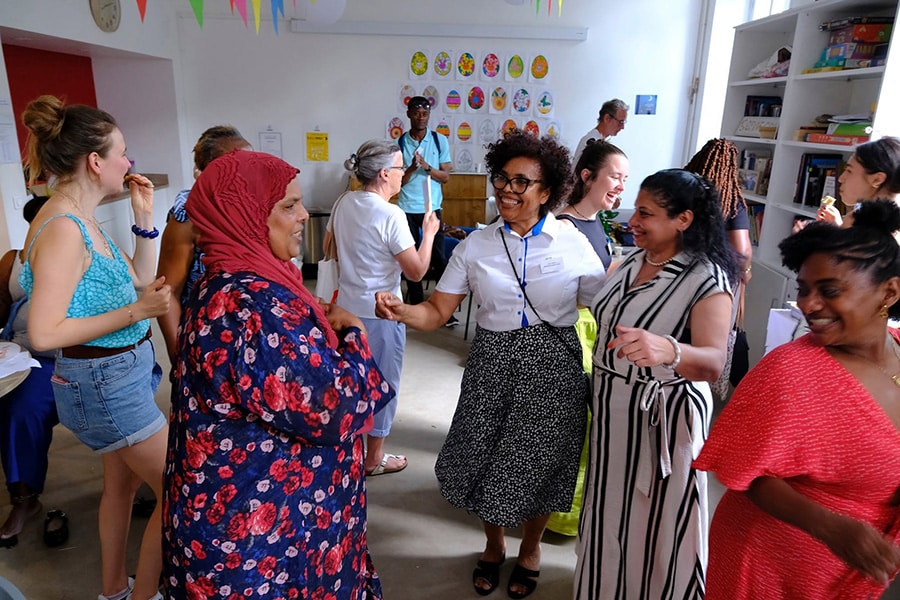
- Engage in raw creativity. Pick up a guitar, practice ASL with others or write a haiku. Use your God-given mind and imagination without technological intervention.
- Invest in presence. Re-institute date night or have that difficult, respectful conversation with a co-worker. Nurture the relationships that sustain your soul.
- Pursue AI literacy. Research how algorithms work and why bias exists. Practice distinguishing AI-generated images from real photography. Talk to others about why “deepfakes” wound human dignity.
As artificial intelligence evolves, it continues to challenge us to employ it in an ethical and respectful manner.
Let us heed Pope Leo’s call: “We need faces and voices to speak for people again. We need to cherish the gift of communication as the deepest truth of humanity, to which all technological innovation should also be oriented.”
Sister Hosea Rupprecht, a Daughter of St. Paul, is the associate director of the Pauline Center for Media Studies.
The post Preserving human voices and faces: 3 challenges from Pope Leo for World Communications Day first appeared on OSV News.