
















The Resurgence of Dominican Sisters

For several decades now, the landscape of women’s religious life in the United States and across the Western world has been marked by noticeable decline. While the number of Catholics continues to climb to historic highs in the Americas, the place of religious vocations continues to progressively shrink. Liturgically, this decline poses its own challenges, particularly as the shortage of priests has forced some local parishes and rural dioceses into administrative scrambling. However, the decline in women religious has drastically altered the state of the American Church over the past half-century and had an altogether more pervasive effect on the public face of Catholicism.
Historic orders like the Sisters of Mercy and the Sisters of St. Joseph, once common names in education, healthcare, and social outreach, have faced dwindling numbers and aging memberships. The institutions that they have owned or operated, universities and hospitals, have questioned what their fate will be once the order is entirely defunct.
Just the same, the Sisters of Charity in New York report no new postulates, and that the average age of their sisters is 80.
Female religious, long the backbone of Catholic service and parish life, have seen convents close and vocations dry up in the course of a generation. It would, therefore, be easy to assume that the decline of professed sisters is terminal, and that their disappearance from the Church is another casualty of the aggressive secularism targeting young women.
Yet, the story of women religious in America is not entirely one of decline.
Amid this shifting demographic landscape, a remarkable story of renewal is quietly unfolding in our midst: the rise of Dominican sisters—young, mission-driven, and visibly identifiable in their traditional habit—who bring joy, energy, and a clear sense of purpose to their vocation.
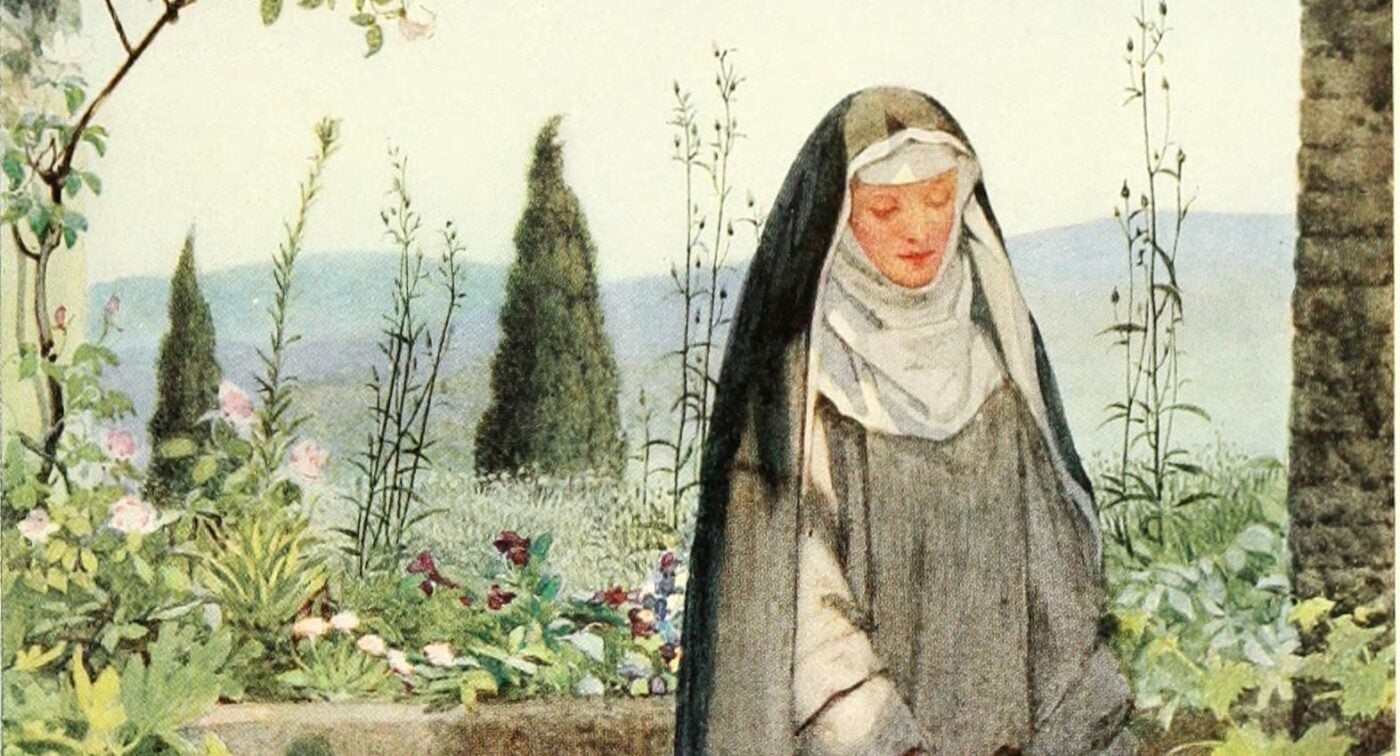
What sets the Dominican resurgence apart is more than their growing numbers. It is their identity. In a Church where secularization has blurred the visibility of religious life, these sisters embrace their vocation with clarity. Their habits, their study of theology, and their active mission work serve as outward signs of deeply held inward conviction. Contrast this with older orders that experienced decline. Many adapted to post-modernity by abandoning visible community life or reducing the outward signs of religious life. This choice, born out of the spirit of mendicantism, was intended to engage the world, but which paradoxically sometimes weakened their identity as women religious. In the Dominican resurgence, there is a clear lesson: visibility is crucial to the viability of the mission. Being recognizable, joyfully committed, and outwardly and publicly faithful in a vocation attracts new vocations, particularly among women seeking clarity of purpose and a supportive spiritual family.
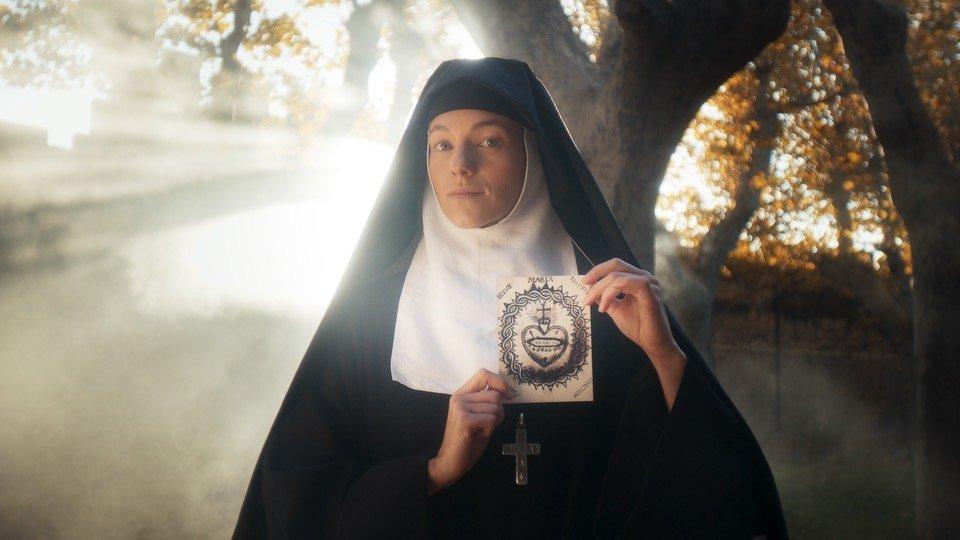
Among these Dominican groups, the Dominican Sisters of Mary, Mother of the Eucharist have experienced tremendous growth in the last quarter century. Founded by just four sisters in 1997, the community has expanded to 140 sisters as of 2026, with an average age of 32. Their vibrant apostolate emphasizes Catholic education, evangelization, and youth ministry, demonstrating that a clear charism can inspire a new generation.
Similarly, the Dominican Sisters of Peace, just over a decade old in their current form, have grown to a community of forty women, aided by collaborative formation programs and active discernment outreach. The Dominican Sisters of St. Cecilia, also known as the Nashville Dominicans, emphasize classical Catholic education, catechesis, and family formation, and have grown by 60% since 2000, while maintaining a youthful and energetic membership.
These success stories illustrate that religious life can flourish when rooted in clarity of purpose, mission, and social identity. Unlike some older communities that faded quietly, these Dominican sisters have embraced a visible, recognizable witness to the Faith, drawing others into their life of prayer, study, and service. Their growth underscores a broader lesson for the Church in this young century: in a secularized world, young Catholics are drawn not to religious life that blends invisibly into social norms, but to communities that live joyfully and distinctly for Christ.
Image from the Dominican Sisters of Mary website