



.JPG/_jcr_content/renditions/cq5dam.thumbnail.cropped.750.422.jpeg?#)




40 Reasons To Be Catholic (for Non-Catholics)


Why be Catholic? For many, the answer is deeply personal. For some, the reasons develop gradually through a lived experience. Catholicism is not simply a set of rules or beliefs; it is a way of life grounded in Scripture and tradition. It connects heaven and earth, past and present, body and soul.
As we now dive into the 40 days of Lent, consider these 40 reasons—spiritual, historical, cultural, and human—to be Catholic; listed in no particular order:
1. Lent
For forty days, Catholics prepare for Easter through fasting, prayer, and self-denial. The number forty echoes throughout Scripture as a time of purification and renewal. Lent teaches discipline, detachment, and deeper reliance on God.
2. Ashes
Every year on Ash Wednesday, Catholics receive ashes on their foreheads as a sign of humility and repentance. “Remember that you are dust, and to dust you shall return.” This simple ritual reminds us of our mortality and our need for God’s mercy. It begins Lent with honesty: we are weak, but God is strong.
3. Education
The Catholic Church gave birth to the modern university system. For centuries, monks, priests, and religious preserved learning and educated the poor. Today, Catholic schools continue to form minds and hearts, combining academic excellence with moral formation. Today, U.S. Catholic schools save taxpayers $24 billion dollars per year (NCEA.org).
4. Wine
From Scripture to sacrament, wine holds a special place in Catholic life. It symbolizes joy, covenant, celebration, and ultimately becomes Christ’s Blood in the Eucharist. Catholicism affirms that faith is not opposed to life’s pleasures when rightly ordered.
5. Science
Contrary to popular myths, the Church has long supported scientific inquiry. Many founders of major scientific fields were Catholics. The Church teaches that faith and reason work together, revealing different aspects of the same truth. The Vatican has its own space observatory in Castel Gandolfo, Italy!
6. The Mass
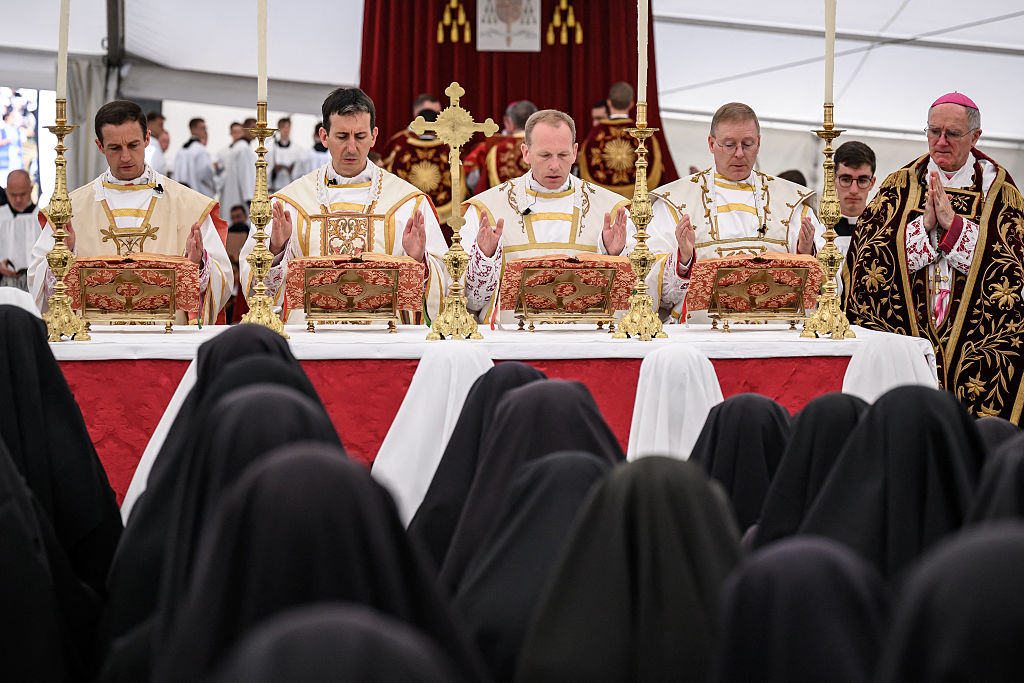
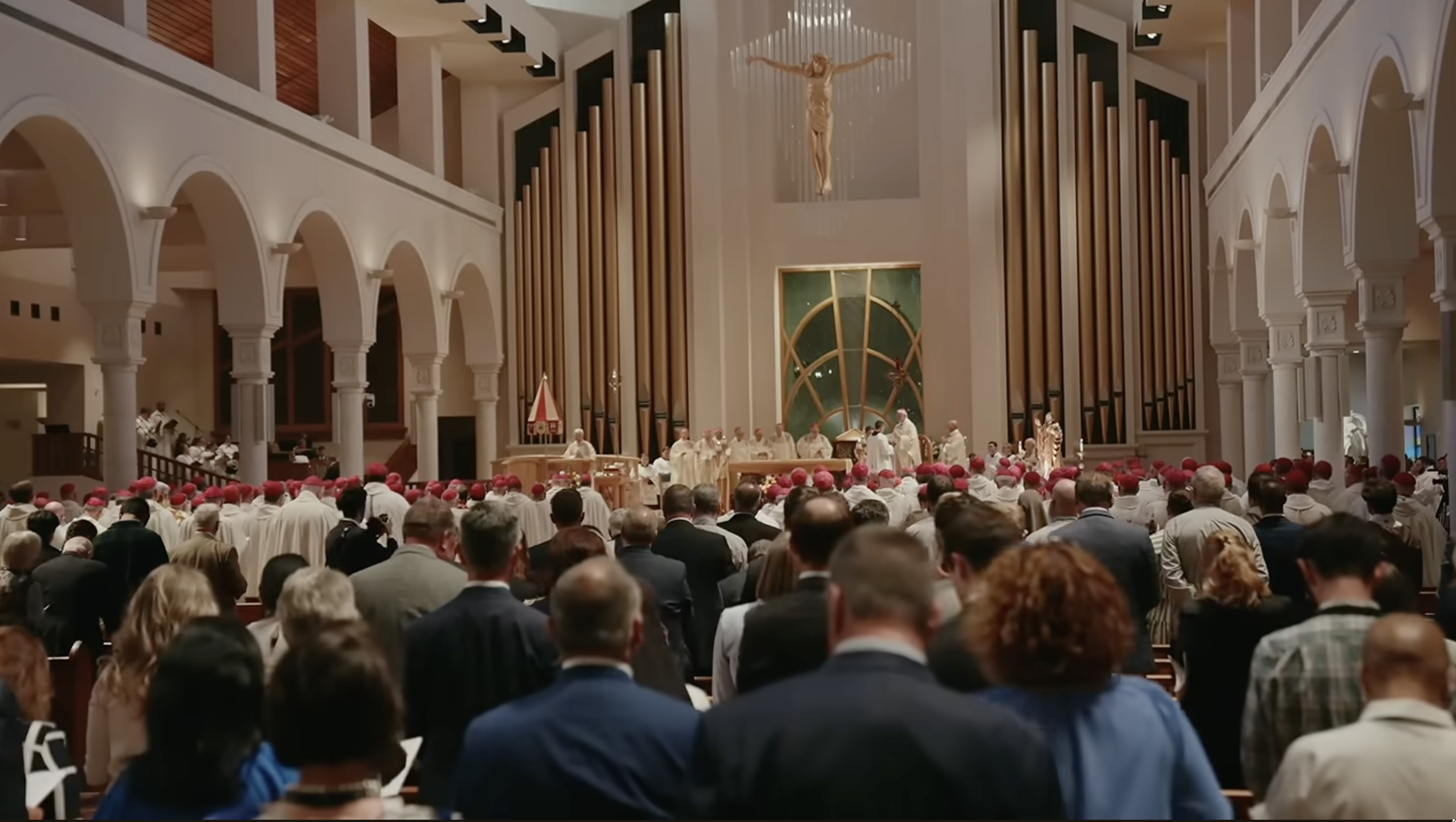
The Mass is the heart of Catholic life. It is not entertainment, but worship. Scripture is proclaimed, Christ becomes present in the Eucharist, and heaven touches earth. For one hour, the faithful step outside of the ordinary and into sacred time.
7. The Sign of the Cross
This simple gesture is a prayer, a profession of faith, and a reminder of baptism. With it, Catholics invoke the Trinity and mark themselves as followers of Christ.
8. Universality
“Catholic” means “universal.” Across cultures, languages, and continents, Catholics share the same faith, sacraments, and structure. Wherever you go in the world, you can find the same Church.
9. The Bible
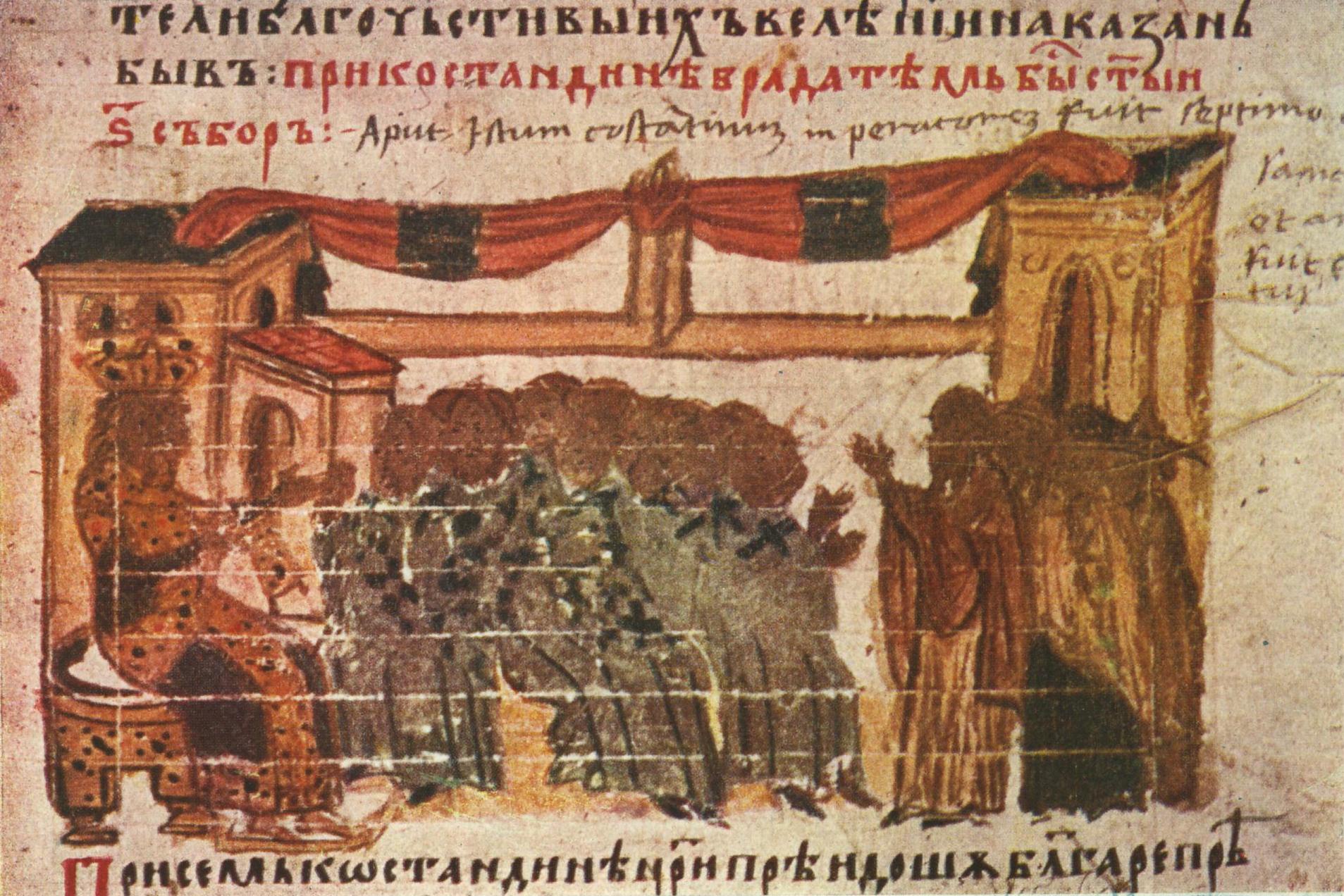
The Catholic Church preserved, compiled, and transmitted the Bible. Guided by the Holy Spirit, she established the canon and protected Scripture through centuries of copying and teaching. Every Mass is filled with biblical prayer.
10. The Eucharist
Catholics believe that Jesus is truly present—Body, Blood, Soul, and Divinity—in the Eucharist. This belief goes back to Christ’s own words and the earliest Christians. The Eucharist is spiritual food for the journey to heaven.
11. Mary
Mary is the first disciple and the model Christian. Catholics honor her because Jesus honored her. She always points to her Son. As the Ark of the New Covenant, she carried Christ into the world.
12. Medicine
From medieval monasteries to modern hospitals, Catholics have cared for the sick for centuries. Today, the Church remains the world’s largest non-government provider of healthcare, especially for the poor. It has around 18,000 clinics, 16,000 homes for the elderly and those with special needs, and 5,500 hospitals, with 65% of them located in underdeveloped countries (US Inquirer).
13. The Rosary
The Rosary is a meditative prayer centered on the life of Christ. Through simple repetition and reflection, Catholics enter deeply into the mysteries of salvation. It is accessible, peaceful, and powerful.
14. Saints
The saints are not distant legends; they are living members of Christ’s Body in heaven. They inspire, intercede, and remind us that holiness is possible in every age and circumstance.
15. Purgatory
Purgatory reflects God’s mercy. It teaches that nothing imperfect enters heaven and that God lovingly purifies souls after death. It offers hope, not fear. Read more about the purging flames of purgatory in 1 Corinthians 3:11-15.
16. Adoration
In Eucharistic Adoration, Catholics spend a holy hour with Christ present in the Host. In silence or song, believers simply remain with Him. It is prayer stripped of distraction. Jesus Himself asks the apostles to spend an hour with Him in prayer within the Garden of Gethsemane (Mt. 26:40).
17. The Priesthood
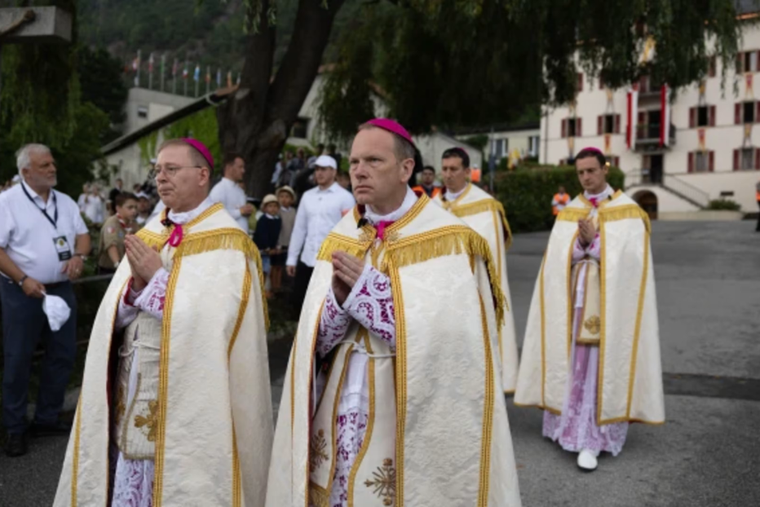
Catholic priests dedicate their entire lives to God and His people. Through them, Christ continues His work of teaching, forgiving, and sanctifying. Their celibacy is a sign of total self-gift.
18. Social Outreach
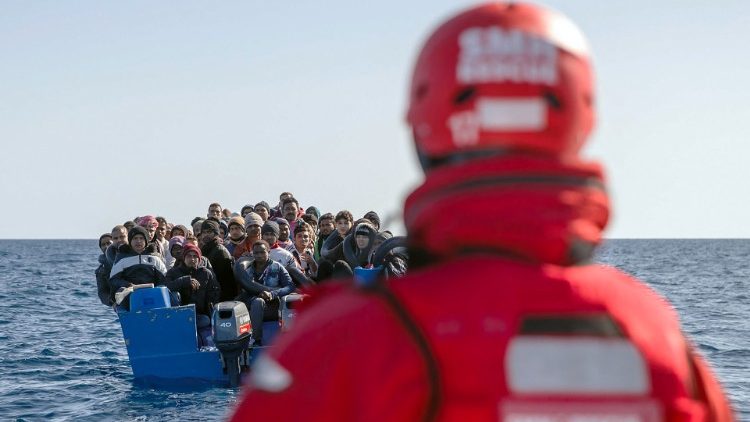
The Church serves the poor, homeless, refugees, and marginalized on a massive scale. Inspired by Christ’s words in Matthew 25:35, Catholics see service as essential to faith. Catholic charities account for 17-34% of all nonprofit social outreach (Politifact).
19. Music
From Gregorian chant to sacred polyphony and hymnody, Catholicism has shaped Western music. The Church understands music as prayer, beauty, and proclamation.
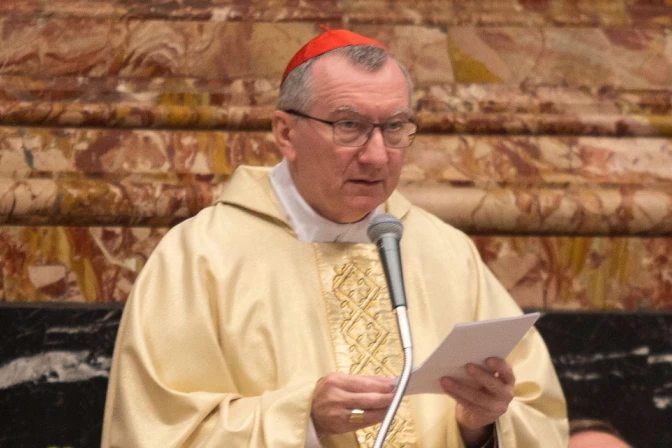
20. Popes
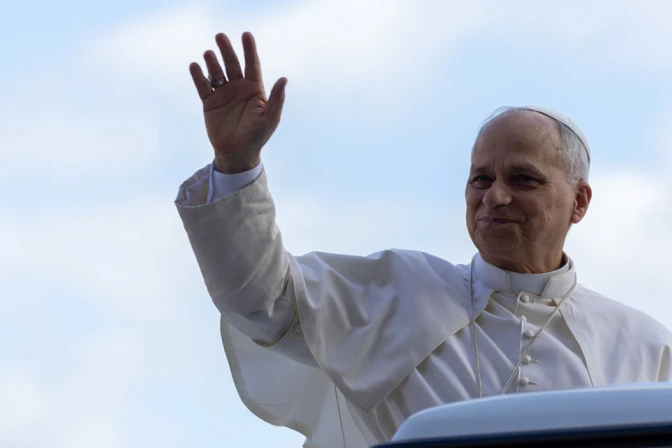
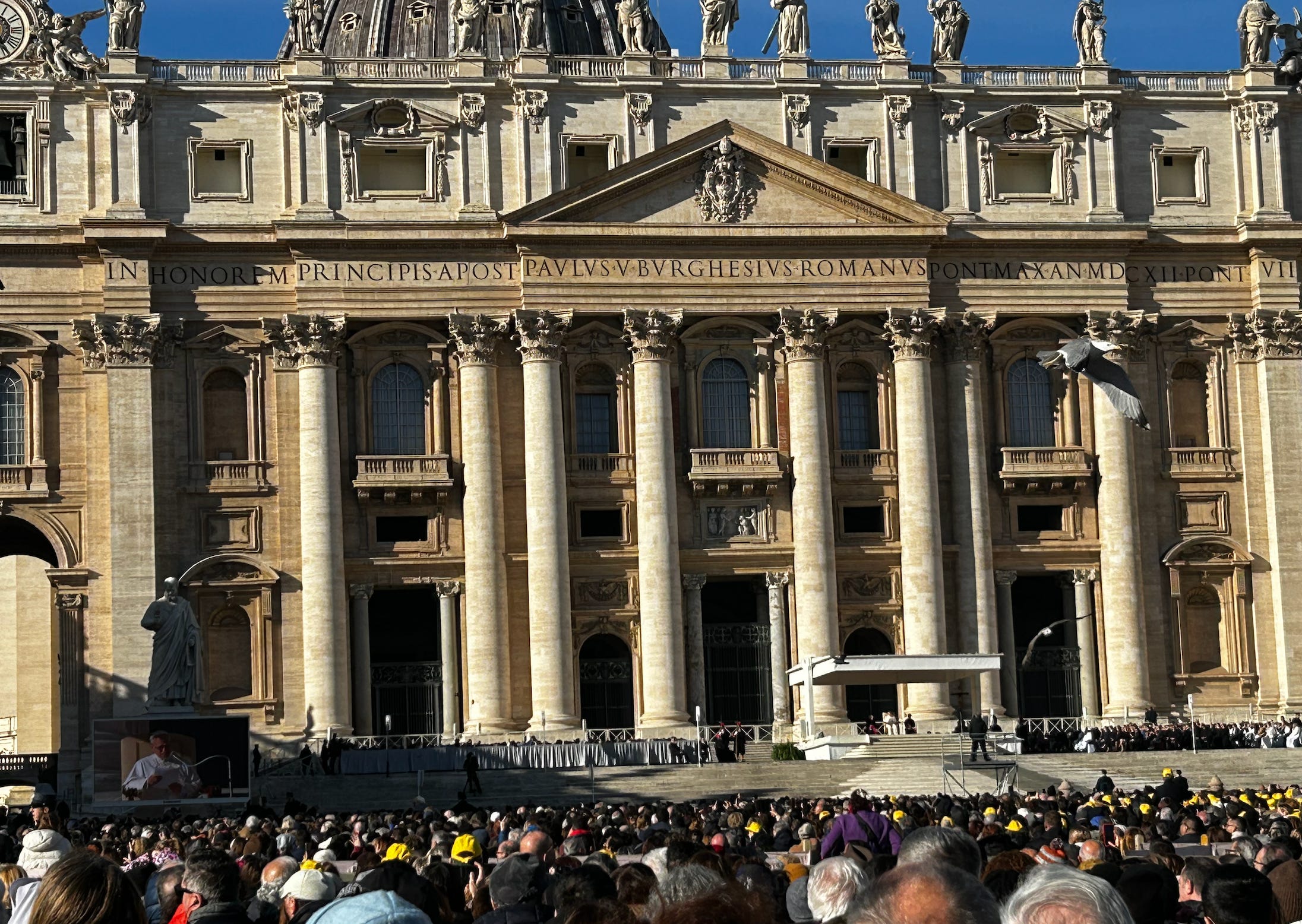
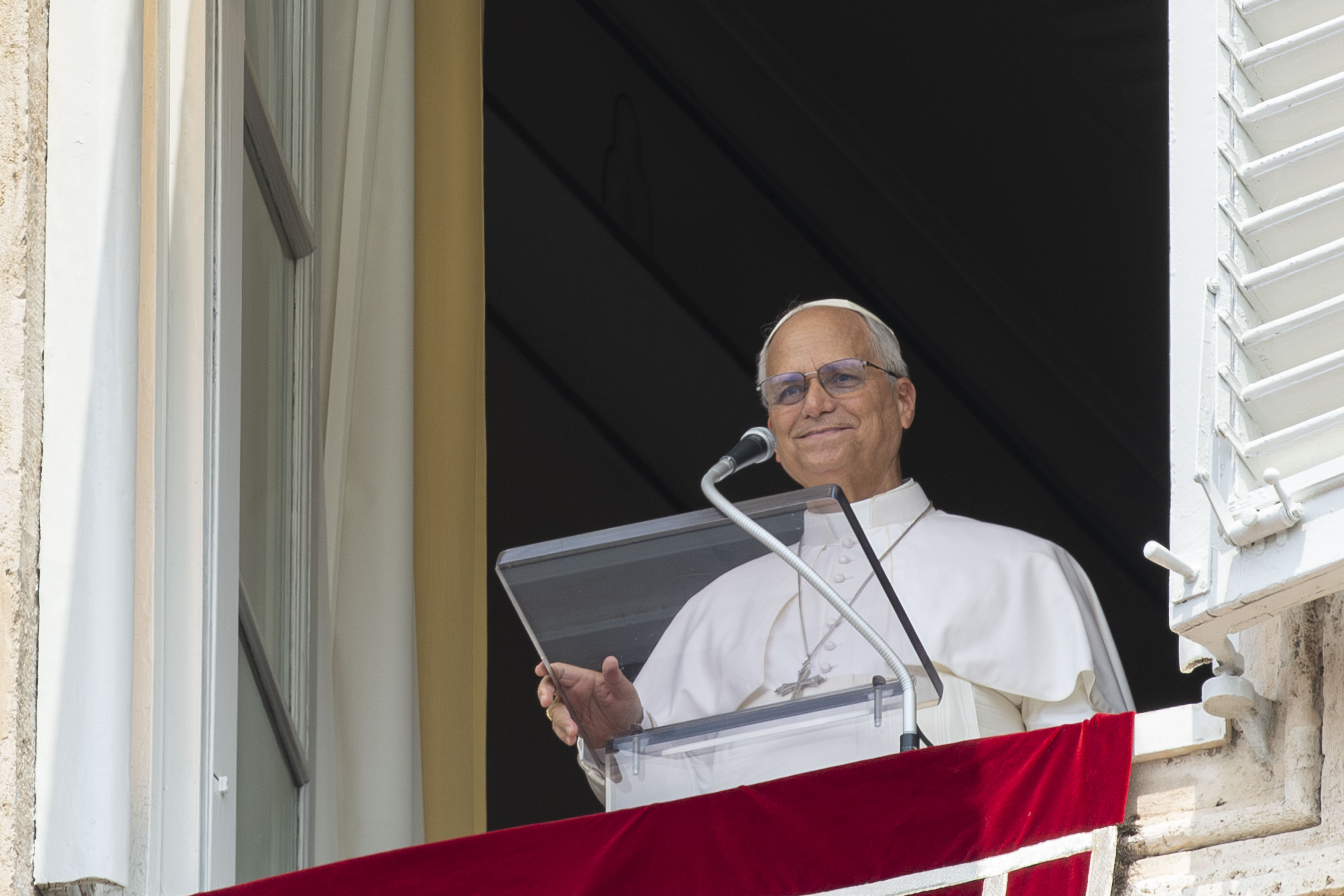
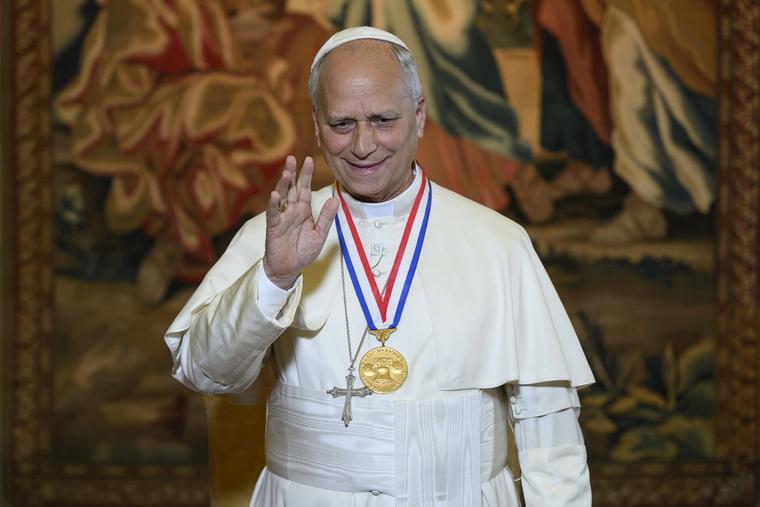
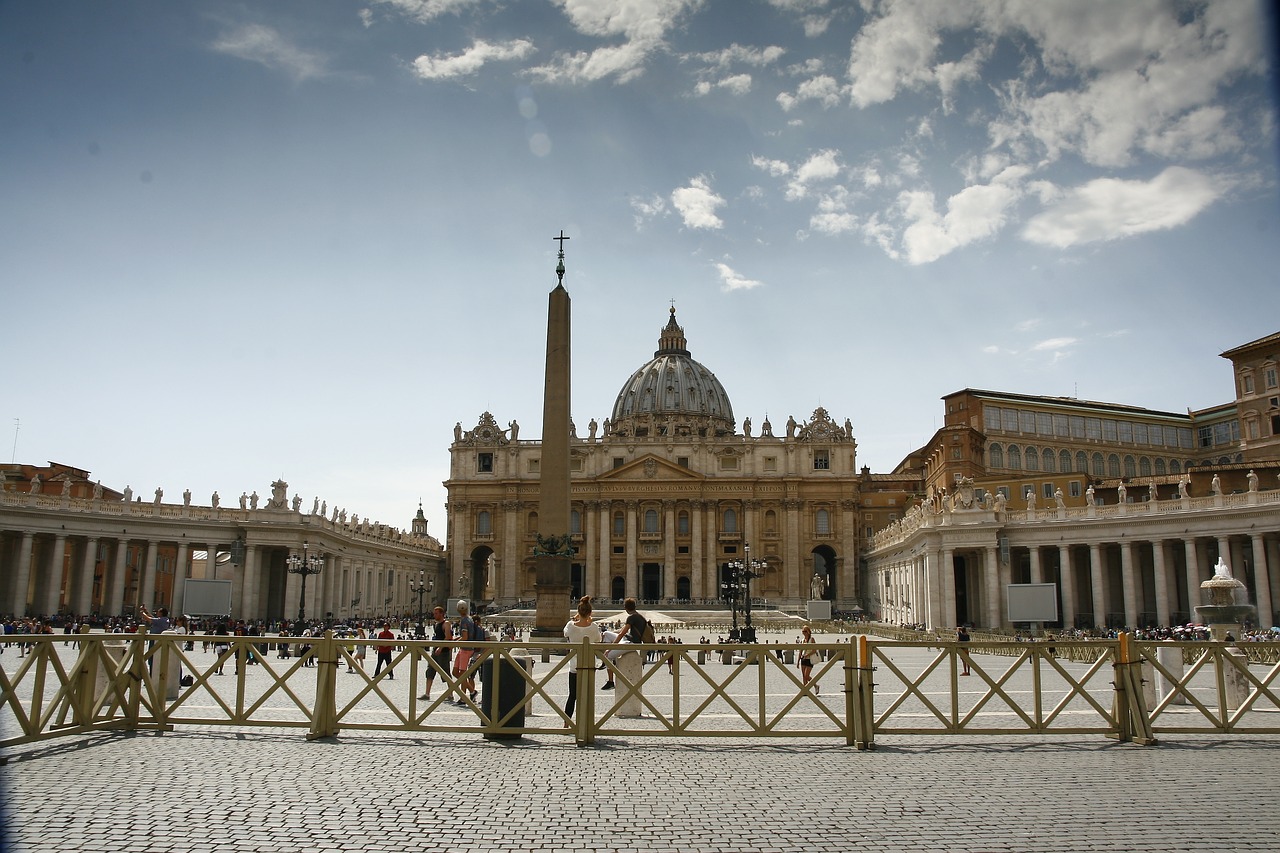
The papacy provides unity and continuity. From St. Peter to Pope Leo XIV (today), popes serve as visible signs of Christ’s promise to guide His Church. They are servants, not celebrities.
21. Prophecy
The prophecies from the Old Testament concerning the coming of Christ are chilling in detail: Genesis 3:15 and Isaiah 7:14 say He will be born of a virgin. 2 Samuel 7:14-16 says that He will be of David’s line. Daniel 7 and 9 say when He would be born. Micah 5:1-2 say where He will be born. Psalm 22, Isaiah 53:3-12, Wisdom 2:18-20 say how He would live and die. Everything comes true.
22. Beer
Before the invention of water purification systems, fermented beverages were often the preferred sanitary drink. During this time in history, monasteries would often make beer for those in need. Even today, Carmelite, Benedictine, and Trappist monks make some of the most celebrated beers in the world.
23. Lord of the Rings
J.R.R. Tolkien’s Catholic faith shaped one of the greatest stories ever written. His work reflects sacrifice, redemption, grace, and hope—without preaching. Tolkien himself claims it to be a “fundamentally religious and Catholic work.”
24. Babies
The Church affirms the dignity of every human life. In a world facing demographic decline, Catholic teaching encourages openness to life and trust in God’s plan for families.
25. Crucifixes
A crucifix keeps Christ’s sacrifice before our eyes. It reminds us that salvation came through love, suffering, and self-giving—not comfort and power.
26. Latin
Latin remains the Church’s official universal language. It unites Catholics across cultures and preserves doctrinal clarity. The Church never abolished it but affirmed its value.
27. Early Christians
The earliest Christian writings show a Church that looked unmistakably Catholic: sacraments, bishops, authority, confession, and Eucharist. Catholicism did not develop later—it was there from the beginning. “Where the bishop appears, there let the people be, just as where Jesus Christ is, there is the Catholic Church” (Ignatius of Antioch, 107 AD).
28. Papal Elections
The election of a pope reflects both human responsibility and divine guidance. Through prayer and discernment, the Church entrusts leadership to the Holy Spirit. A similar election process takes place in the Book of Acts 1:23-26.
29. Cathedrals
“Cathedral” comes from the word cathedra or “chair.” It is the chief church of a diocese, in which the bishop takes his teaching chair, signifying authority. “Teach them everything I have commanded you” (Mt. 28:20). They are some of the most beautiful buildings in the world.
30. Incense
Incense engages the senses and symbolizes prayer rising to heaven. It helps worshipers enter mystery and reverence. Incense symbolizes prayers rising to heaven (see Ps. 141:2 and Rev. 8:4).
31. Bishops
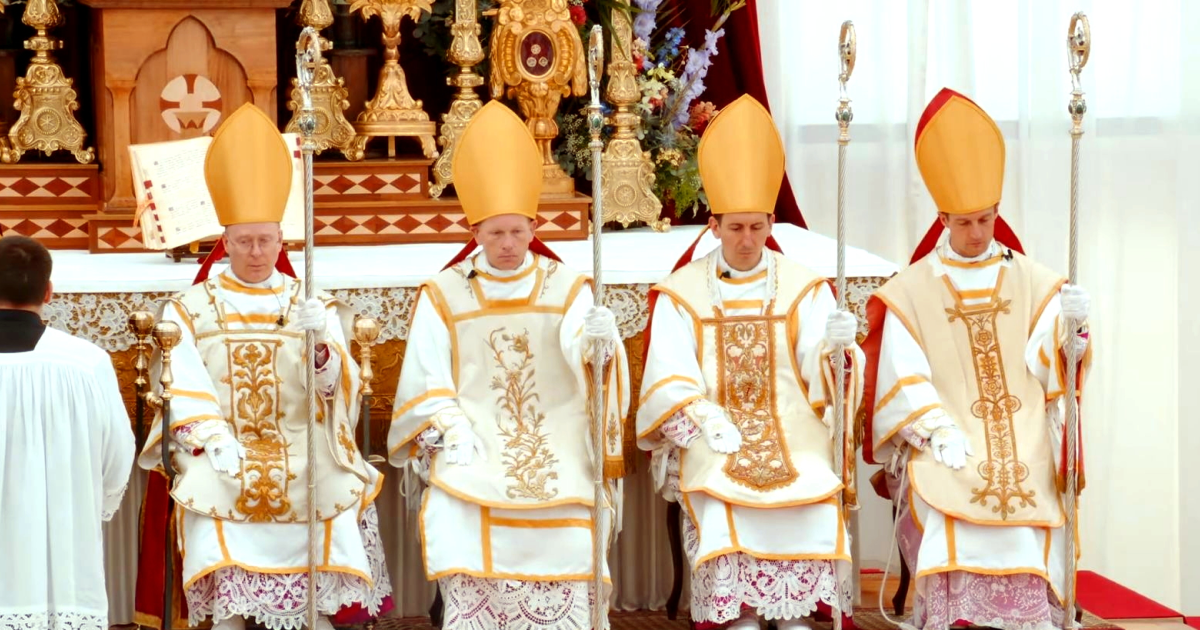
Bishops are successors of the apostles. Through them, the Church maintains continuity with Christ’s original mission. Apostolic succession connects every Catholic parish to the first century.
32. Confession
In Confession, Catholics experience forgiveness in a personal and concrete way. Christ works through priests to heal souls and restore peace. “Confess your sins to one another” (Jas. 5:16).
33. Advent
Advent is a season of waiting and hope just before Christmas. In a rushed world, it reminds believers that God works through patience and preparation.
34. St. Nicholas
Behind Santa Claus stands a generous bishop who loved the poor. Catholic tradition preserves real saints behind modern myths. Children often place their shoes on the fire hearth in anticipation for goodies on the Feast of St. Nicholas every December 6th.
35. Nativity Sets
Nativity scenes keep Christ at the center of Christmas. They turn homes into places of prayer and remembrance.
36. Stations of the Cross
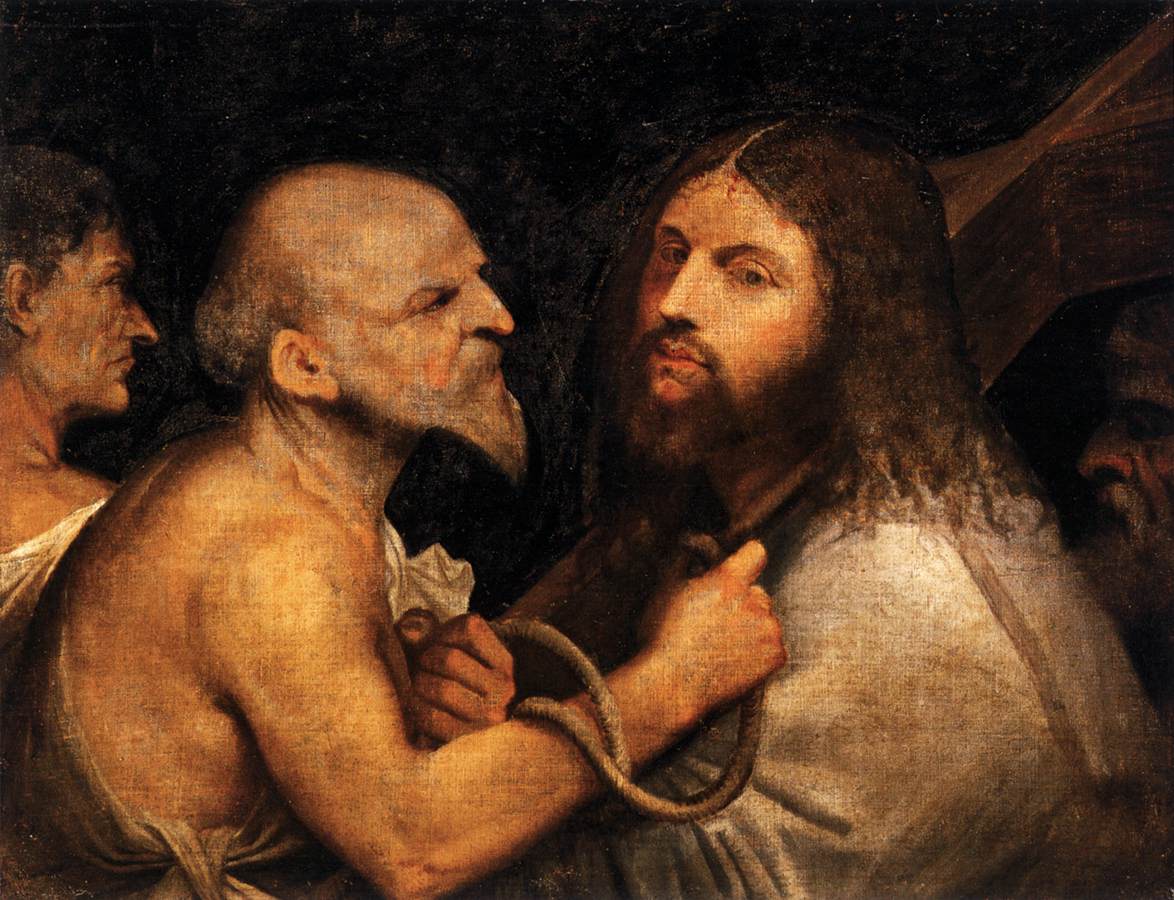
Tradition has it that the Blessed Mother would walk the footsteps of her Son’s Passion after He ascended to heaven. Today, walking with Christ through His Passion deepens gratitude and compassion. The Stations connect believers to Jerusalem and to the Cross.
37. Good Friday
Good Friday is the Friday before Easter Sunday. The Church falls silent. No Masses are celebrated anywhere in the world. The emptiness reflects Christ’s tomb. It prepares hearts for resurrection.
38. The Easter Vigil
The Easter Vigil is the most significant liturgy of the year. Fire, light, Scripture, baptism, and Eucharist unite to proclaim victory over death.
39. The Resurrection
Christianity stands or falls on the Resurrection. The witnesses of apostles, martyrs, and even non-Christian historians point to a real, historical event that changed the world.
40. Jesus Christ
Above all, Catholics follow Jesus Christ—true God and true man. He claimed divine authority, lived what He taught, died for humanity, and rose again. He is not merely a teacher. He is Lord.
Photo by Herry Sutanto on Unsplash