





.JPG/_jcr_content/renditions/cq5dam.thumbnail.cropped.750.422.jpeg?#)








Remember Your Death So That You Live Well


One year during Lent, I decided to follow a daily devotional entitled, Memento Mori, a book of meditations on the subject of death. I must say, not too many years ago I would have been shocked to know that my future self would ever entertain the notion of picking up such a book; death was perhaps the subject on which I was least inclined to meditate. Death is frightening! The idea that one day, we will simply cease to be? Who wants to contemplate this?
There is even a lovely skull decorating the cover of this devotional, as is the Catholic way. But the book is not intended to be “spooky.” Its intent is to free the reader from his fear of coming face to face with his own death, to bring solace to his soul, and most importantly, to inspire him to change.
It is in this latter category that I was most interested. The thought of my own death doesn’t scare me so much as it used to; perhaps as I grow older, I am learning to trust in the mercy of my Savior. But what does indeed scare me is imagining the death of someone I love. The thought that I might be made to live the rest of my own earthly years without their physical presence is more than I can bear.
The thing is, memento mori is translated from Latin: “remember your death.” It is not a call to contemplate—let alone get depressed and anxious about—the thought of someone else’s death. Nor does it ask us to worry about the grief and suffering which we may or may not be made to endure in the future. For this, we must entrust ourselves to the God who will give us the grace we need when we need it—and we certainly don’t need the grace to endure something we are not presently enduring!
But even though we are not to worry about the death of those we love, wouldn’t it make sense for us to have a greater awareness of the inevitable death of those for whom we have no affection? The fact that “we know not the day or the hour” in which they could die should compel us to change our habitual negative attitudes and behaviors towards them, should it not?
Rend your hearts, not your garments, and return to the LORD, your God. (Joel 2:13)
The truth is, remembering their death is often not enough to “rend our hearts”—at least not in the way that the Lord is calling us to. So how does remembering our own death, and not the death of others, prompt us to do such “rendering”? It is true, we could be in a difficult relationship with someone and think to ourselves, “They could die tomorrow for all I know. I should just let bygones be bygones.” Perhaps we will make concessions here or there, but when tomorrow comes, and the next day, and the day after that, and here they remain, alive and well, making concession after concession all in the name of “rendering” isn’t so easy anymore. We soon forget the possibility that they could die at any given moment in time, and instead we get caught up in this moment in time in which they have perhaps offended or aggravated us. Then the cycle of our habitual negative responses begins all over again. Remembering “their” death is unsustainable, and in the end, it is not enough to inspire us to rend our hearts.
So how is remembering our own death any more effective? Well, there is something that occurs to us when we realize that we truly know not the day or the hour. That this year could be our last. That this week could be our last. That this very day could be our last. When we meditate on this possibility—which has been the reality for countless souls whose death was sudden and unexpected—we ask ourselves, “How do I want to spend my last day on earth?”
I, for one, don’t want to spend it complaining. I don’t want to spend it bickering over inconsequential matters with people I love. And I don’t want to spend it unreconciled and bitter with those for whom I have little affection.
My last day on earth? I want to be remembered for the warm smile on my face. The selfless love I poured out upon my family. The spirit of peace and compromise which I brought to those with whom I presently have discord. And yet, all of this will remain but a sentiment when the daily trials of life test my patience and strength—unless I remember that I am “dust, and to dust [I] shall return.” It is this remembrance that has the power to rend my heart.
This Ash Wednesday, let us be determined to remember our death, for today just might be our last. Let us steadfastly remember it every day for the rest of our lives. In this way, we will be sure to rend our hearts open to receiving the Lord’s merciful love and healing grace.
Author’s Note: Adapted from: The Safe Haven: Scriptural Reflections for the Heart and Home (Ordinary Time Weeks 29-34). To purchase, visit Amazon or The Catholic Company, where all other volumes currently in print are also available.
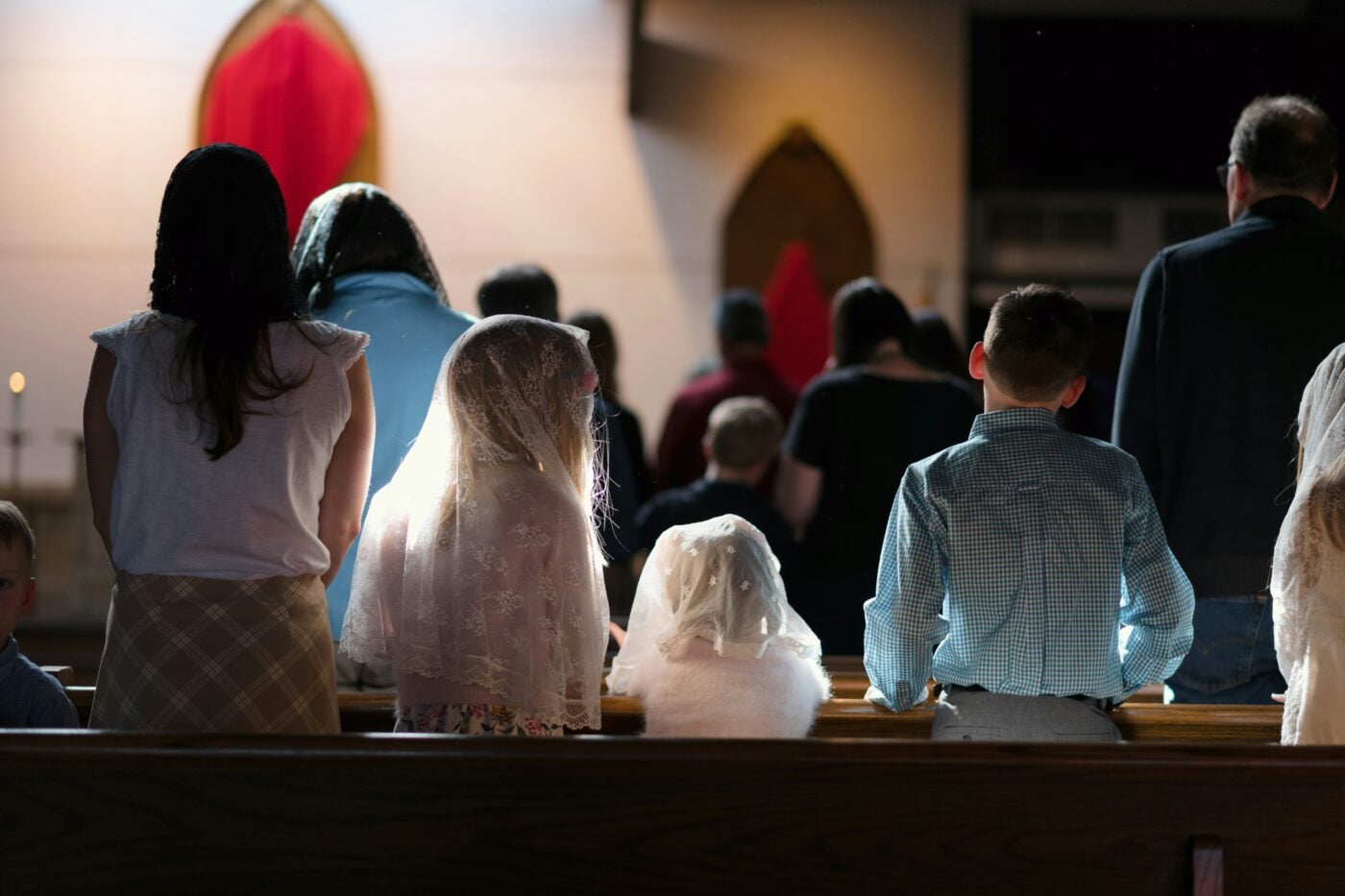
Photo by Ahna Ziegler on Unsplash