







.JPG/_jcr_content/renditions/cq5dam.thumbnail.cropped.750.422.jpeg?#)












Seeking the Holy Face During Lent


I have been playing “Peek-a-boo” with my young grandchildren lately. They delight in playing it, routinely squealing with laughter each time a loving face is revealed. However, a child’s joyful response depends upon two important requirements. First, the duration of time in which either the child’s face or the adult’s face is hidden must be brief. Second, for a child’s enjoyment to continue, the face of the adult needs to express love, attentiveness, warmth, and joy. If the facial expression is frightening, angry, impatient, displeased, or distracted, the child’s joy will quickly turn to distress.
As adults, we may unknowingly continue this game of “Peek-a-boo” with God. At times, it might appear that God is hiding His face from us, while at other times, we try to hide from God. Yet the requirements for joy during the childhood Peek-a-boo game, namely, hiding one’s face for only a short while and looking upon the child with tenderness, also appear to be requirements among the people who yearn to see God’s face.
Hide-and-Seek in Scripture
In Scripture, when God’s face—which is representative of His presence, glory, truth, and love—is revealed, it corresponds to life, renewal, and joy. Both the Old and the New Testaments discuss the longing in our hearts to see the face of God. In fact, it is considered the highest of blessings to have “the Lord make his face shine upon you, and be gracious to you …” (Num. 6:25). Ultimately, we hope to worship God in the heavenly banquet and to see His face (Rev. 22: 3-4).
However, when God’s face is hidden from His people, dismay and death ensue. Therefore, when the storms of life both emerge and perdure, the faithful grow anxious. Not liking the delay, they cry out, “O Lord, How long will you look on? …Awake! …Rise up! Do not reject us forever! Why do you hide your face; why forget our pain and misery? …Let your face shine upon us” (Ps. 35:17; 44:24-25; 119:28, 135).
In addition to a timely response, like children in the game of Peek-a-boo, adults also yearn to see the loving and compassionate face of God. Sin, however, can cause us to hide our faces from Him. Like Adam and Eve after the Fall, who feared God’s wrath and judgment, we often hide from God while living in sin.
The Holy Face of Jesus During Lent
Today, Shrove Tuesday, is the Feast of the Holy Face of Jesus. Traditionally, Shrove Tuesday was observed not only with feasts, but also with the Sacrament of Reconciliation and purposeful plans for Lent. Therefore, it is fitting that the Psalm for today reminds us of the importance of following God’s law, remaining strong in the face of temptation, and trusting in God’s mercy.
Notably, this Psalm is immediately followed, on Ash Wednesday, with David’s penitential Psalm 51 in which he contritely pleads for God’s mercy, begging God to hide His face from his sin, but not to hide from himself. We, too, are called to approach God with a contrite heart as we seek His mercy and continued presence in our life.
In addition to the confession of sins, making a plan for Lent is also important. And while giving up chocolate or coffee might be part of one’s offering, a commitment to the Holy Face of Jesus, as is beautifully outlined in Fr. Lawrence Daniel Carney’s new book, Preparation for Total Consecration to the Holy Face of Jesus, might also be a fruitful practice for this year.
Why It Matters Today
As I read Carney’s book, I marveled at its relevance for today. I live in the Minneapolis area, and the past seven months have been challenging (to say the least). Living within this heartbreak, trauma, fear, and tension takes increasing courage, emotional strength, and support. Additionally, reading the headlines about ongoing division, violence against the most innocent among us, ongoing war, and relentless vitriol can lead one to despair.
Interestingly, in his guide to C.S. Lewis’s masterpiece Till We Have Faces, Peter Kreeft says that the face is the natural and sacramental symbol of the soul. He notes that in the old epics, one’s face often reflected one’s soul. Thus, the hideous face of the protagonist in Lewis’ book is reflective of the ugliness of her soul. Moreover, her decision to veil her face suggests her attempt to hide the ugliness within her. Few would argue that the face of our culture today is ugly, reflecting a darkness of the culture’s soul.
Lent, however, is our opportunity to remove the veil, to contritely recognize and admit our own sins, and to offer sacrifices that lead us toward union with God and reparation for the sins of others. Carney’s Consecration to the Holy Face of Jesus serves as a guide for doing so. Through spiritual insights, practical recommendations, daily readings, and beautiful prayers, Carney’s book is a helpful guide for all Christians.
What is the First Step?
Fr. Carney acknowledges that to advance from beginner to proficient in the spiritual life requires mortification. This mortification, he says, should be in the form of a willing sacrifice intended to “kill all inordinate emotions, passions, or movements” such as anger, hatred, pride, and more. One mortification we can practice is a consecration to the Holy Face of God.
Fr. Carney’s book has caused me to reflect more deeply upon what my Lenten practices will be this year. His reflections have prompted me to contemplate anew the tortuous sufferings inflicted upon Christ, and what it must have been like to look upon His Holy Face during the Passion.
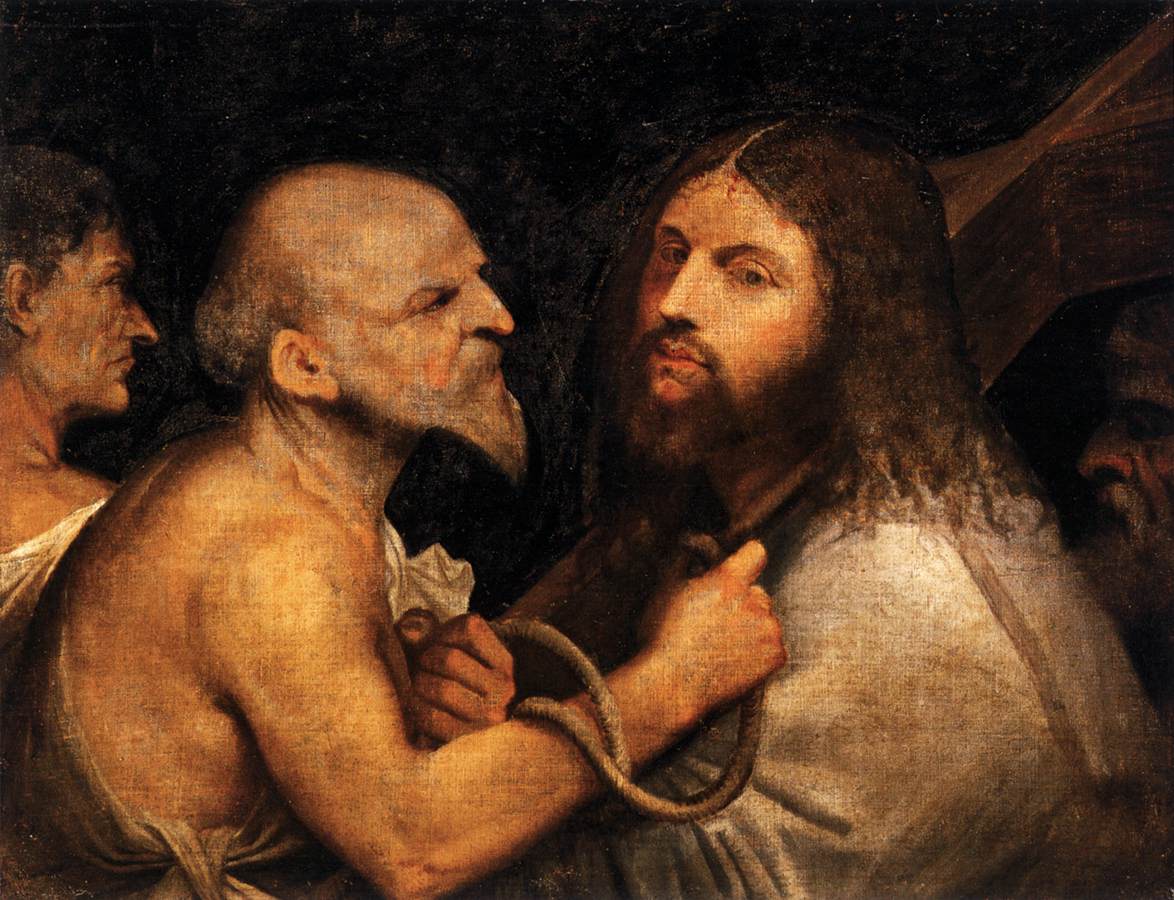
The Scriptures retell in graphic detail the abuses that people inflicted upon Our Lord, including upon His Holy Face. Yet Our Lord did not shield His face from their buffets and spitting, rather, He set His face like flint (Is. 50:4-7), not hiding His face from them (Ps. 22: 23-24), and gazed down upon them (and upon us), even from the cross, in love.
In addition, because of Carney’s book, I have also reflected upon what it means to gaze upon the Face of Our Lord hidden in the veil of the Most Holy Eucharist, and I have wondered about the parishioner of St. John Vianney. When the great saint asked him what he did during his time in adoration, the humble man responded, “I look at Him, and He looks at me.”
What, I wonder, did that man see as he trustingly gazed upon Christ? Did Jesus draw back the veil, even a hair’s breadth, to share a “Peek-a-boo” moment of love and mercy?
Whatever plans one makes for Lent this year, Fr. Carney’s book is worth a read. Through it we are invited to make reparation for the sins of the whole world, a world whose ugliness reflects a cultural soul in desperate need of healing. Most importantly, Fr. Carney’s book guides us in uniting ourselves more closely with the Face of Jesus—the Face of presence, life, and love.
Author’s Note: I encourage you to prayerfully consider making an act of consecration to the Holy Face of Jesus this Lent. For guidance on how to do so, check out Fr. Lawrence Daniel Carney’s new book Preparation for Total Consecration to the Holy Face of Jesus, available from TAN Books.
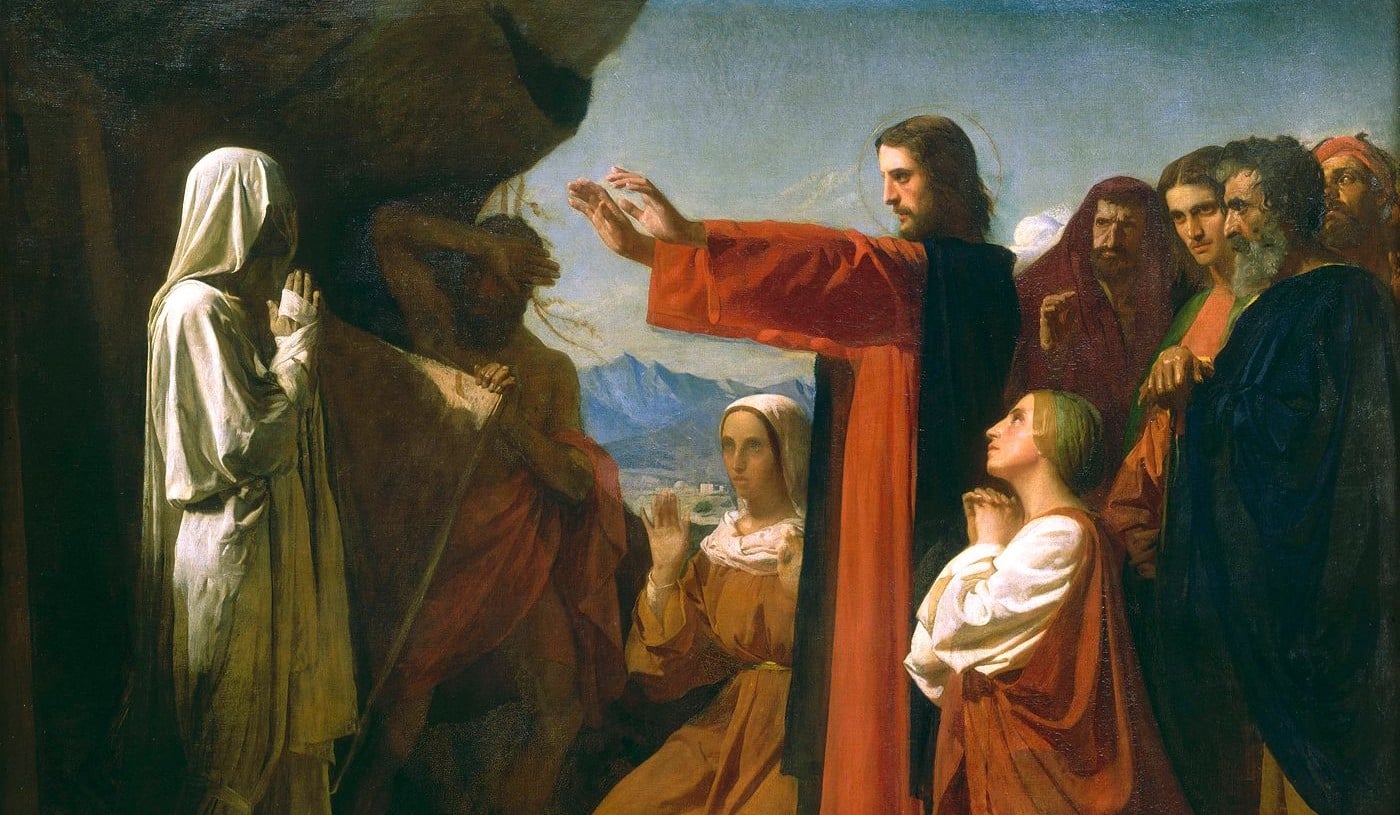
Image from Wikimedia Commons