







Awaiting Pentecost and the Docudrama “That They May Be One”


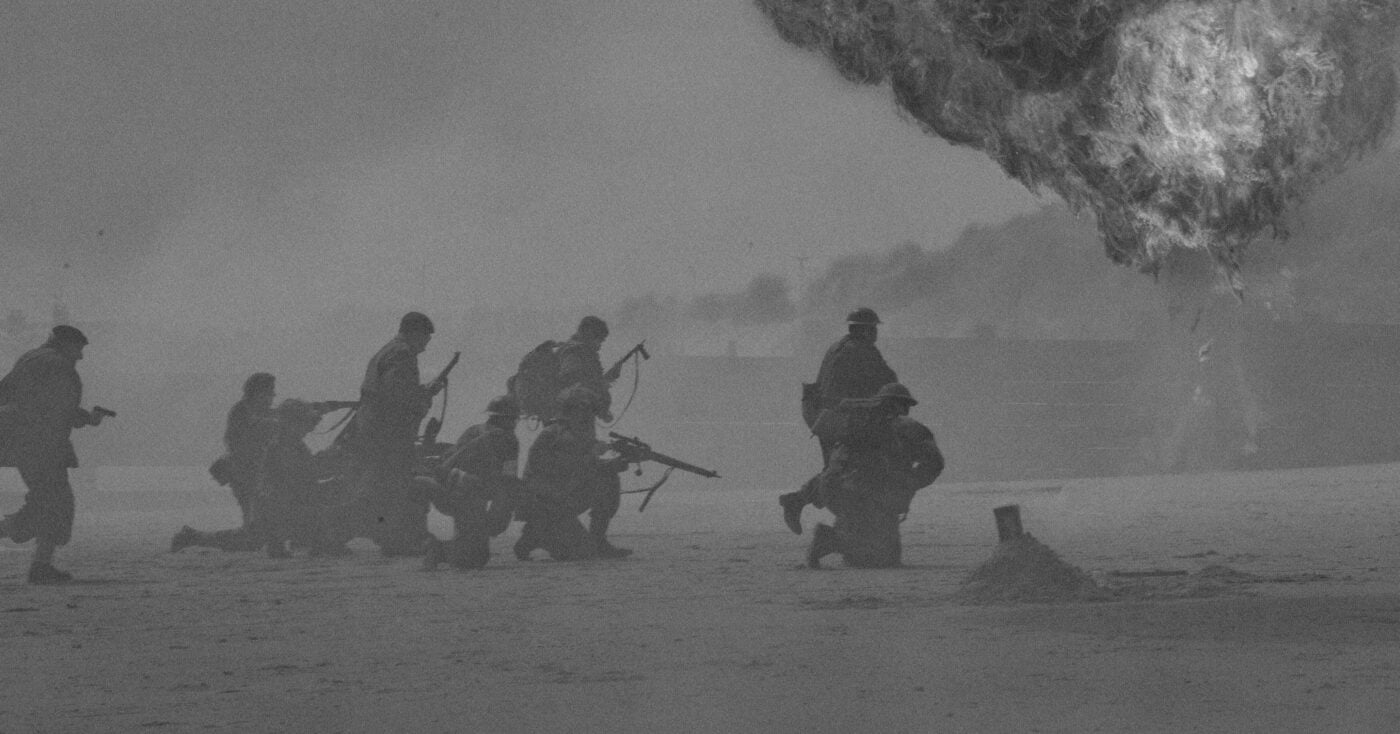
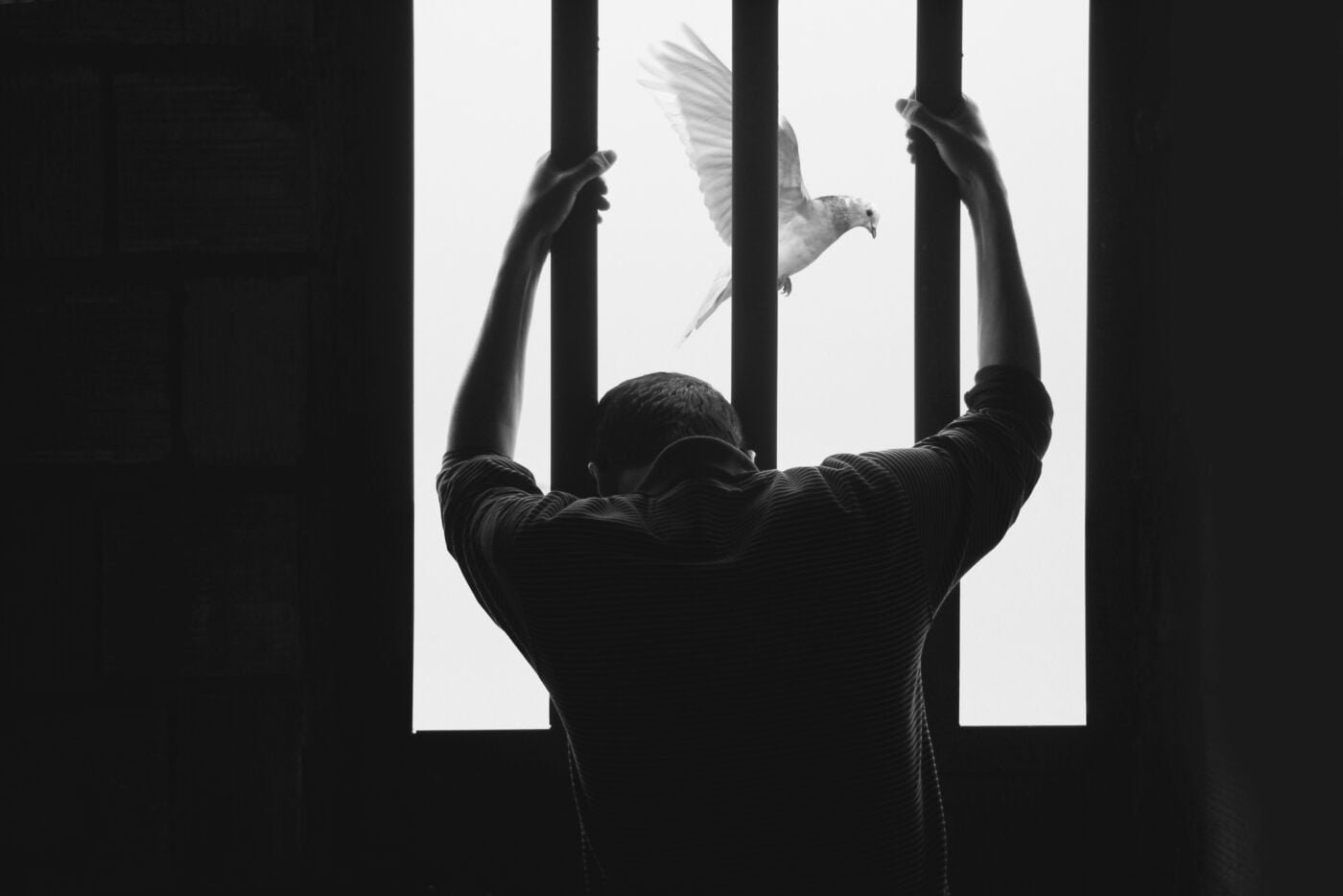
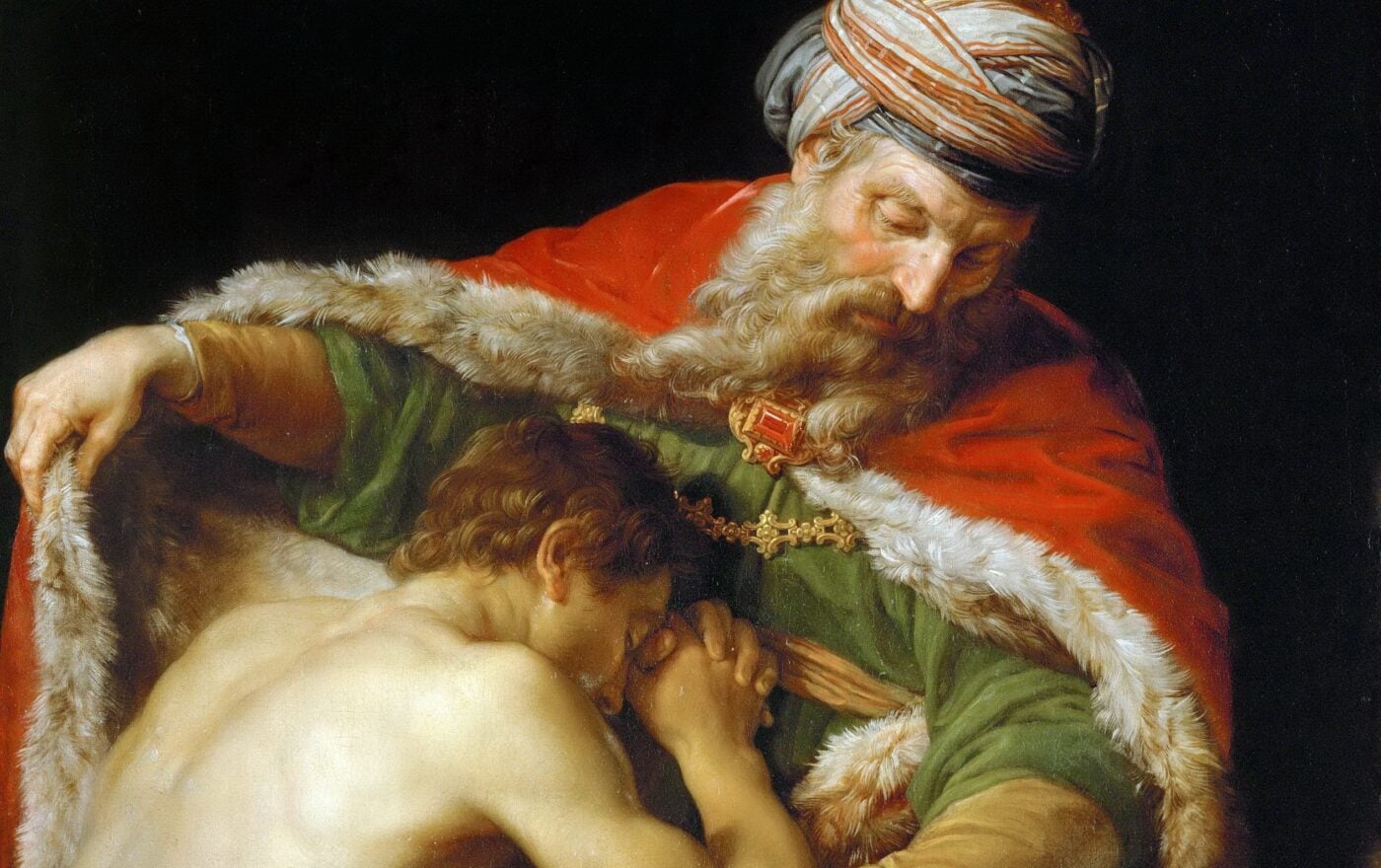
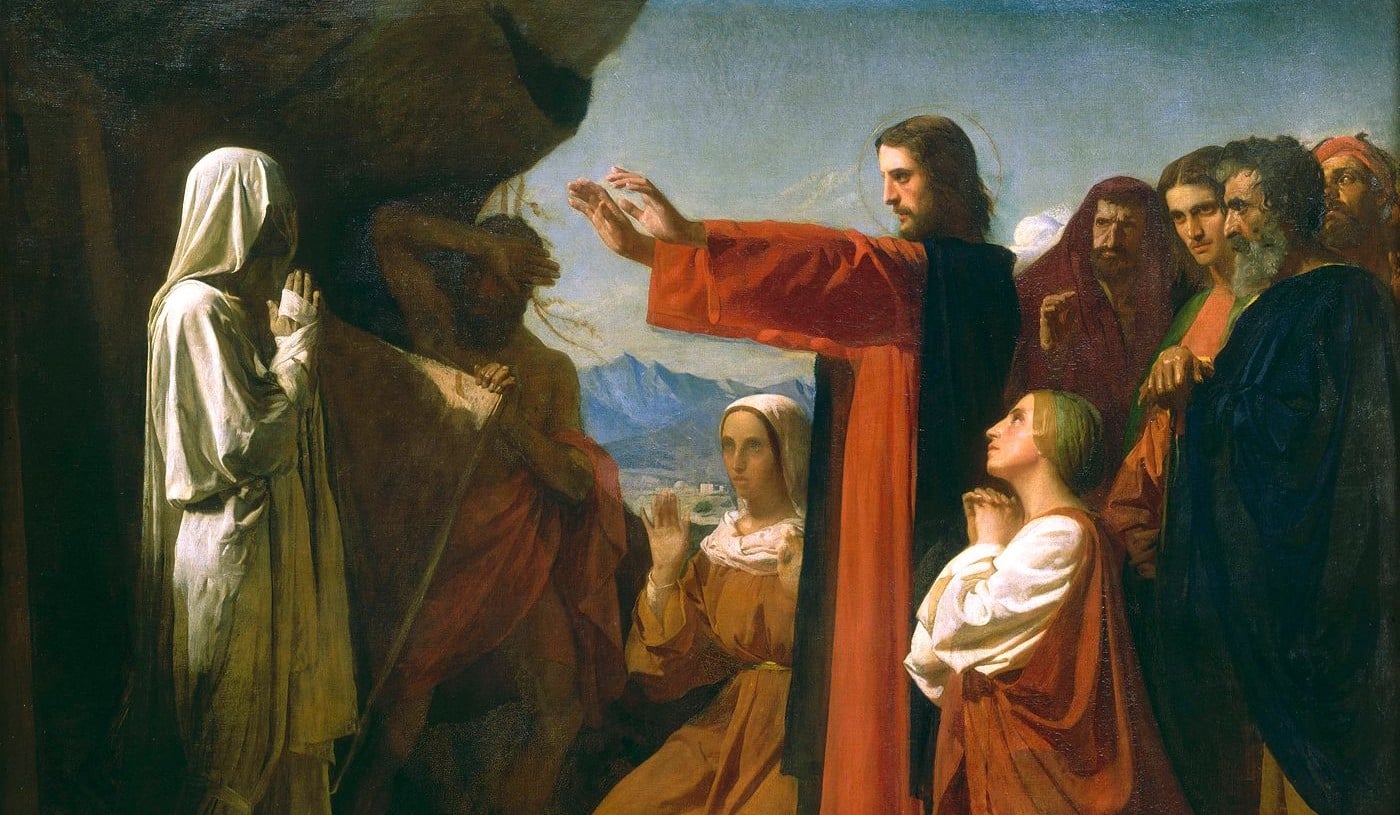
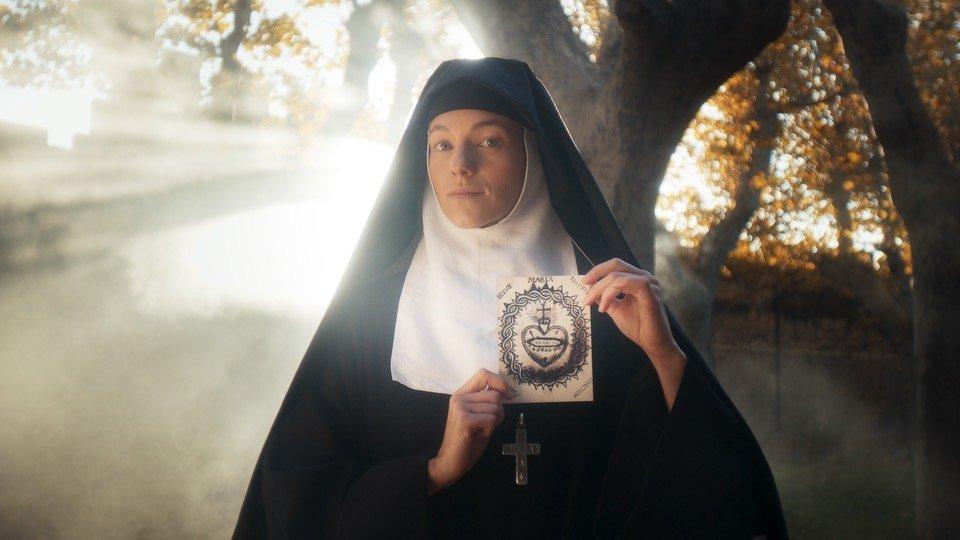
The Church has entered into that liturgical time between Ascension and Pentecost, the time of the original novena. As we journey through this time of focused prayer to the Holy Spirit, a new film will be hitting theaters nationwide May 19-20. That They May Be One is a docudrama combining commentaries and visually stunning reenactments. According to its website, it is inspired by Jesus’ prayer for unity in John 17 and “explores the theme of Christian unity across history and in the present day.”
Before getting into the film’s specifics, and in preparation for Pentecost Sunday, let us begin with some initial thoughts from the Church’s teaching on the Holy Spirit as found in the Catechism of the Catholic Church.
THE HOLY SPIRIT
The universal Catechism states that the “Church…is the place where we know the Holy Spirit” and lists eight ways we encounter the Holy Spirit within the Church: in the Scriptures He inspired, in Tradition, in the Magisterium He assists, “in the sacramental liturgy…in which the Holy Spirit puts us into communion with Christ,” in prayer, in the charisms and ministries of the Church, in the Church’s missionary work, and in the witness of the saints (CCC 688).
The Holy Spirit is a Person. “The Holy Spirit, whom Christ the head pours out on his members, builds, animates, and sanctifies the Church. She [the Church] is the sacrament of the Holy Trinity’s communion with men” (CCC 747). This connection between the Holy Spirit and the Church is not only evident in the catechism’s section on the Holy Spirit and the section on the Church, but it is also found in the catechism and the creed’s theo-logic in which the confession of the Holy Spirit comes before the Church.
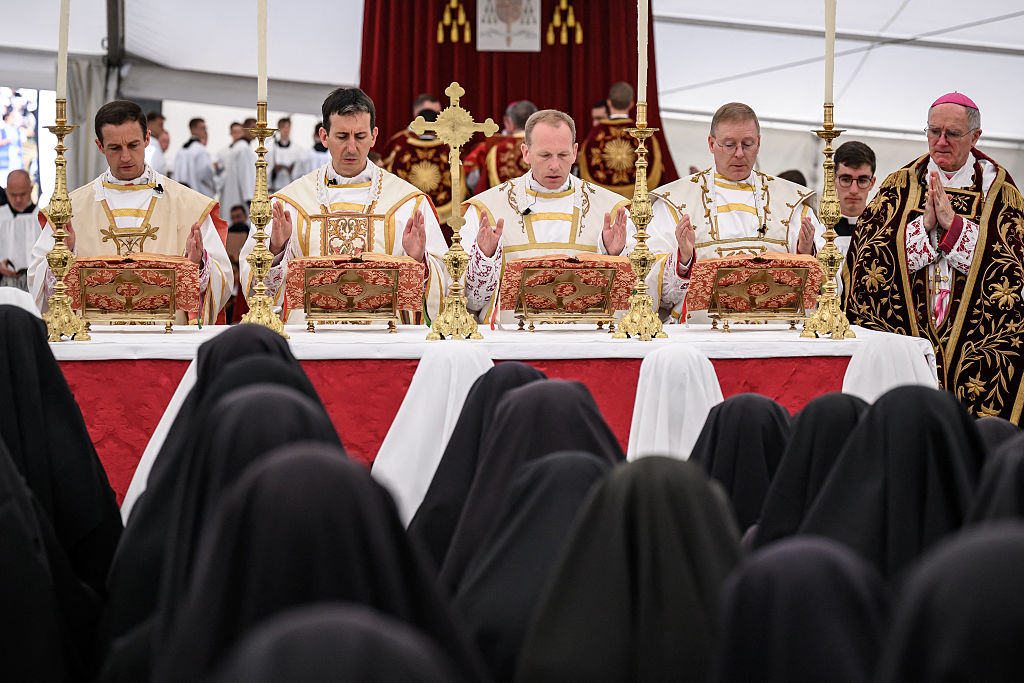
Let us unpack the above concerning sacramental liturgies. “The most intimate cooperation of the Holy Spirit and the Church is achieved in the liturgy” (CCC 1108). The gift of the Holy Spirit in the Church’s sacraments brings “us into communion with Christ and so to form His Body” (CCC 1108). Every sacrament has an epiclesis, a calling down of the Holy Spirit. While there are sacramental graces conferred by the Holy Spirit in the sacraments and sanctifying grace received in Baptism, when one becomes a Temple of the Holy Spirit, there are also charisms—special gifts for the good of the Church (CCC 2003).
As essential as the Holy Spirit is in our everyday life as Catholics, some struggle to understand the Holy Spirit or to cooperate in His mission to bring about the communion of the Church, a share in the communion with the Triune God. Perhaps That They May Be One might help individuals and communities to consider more deeply the Holy Spirit, the necessity of unity, and the scandal of division.
DOCUDRAMA—THAT THEY MAY BE ONE
This 76-minute film explores the importance of the Holy Spirit, the unity of the Church, prayer, the Church’s mission, and ecumenism. It features several Catholic figures, including Dr. Ralph Martin, Dr. Mary Healy, and Fr. Mathias Thelen. It also includes Protestant figures such as Francis Chan and James Ward. Its title is taken from John 17:21, Jesus’ prayer for Christian unity: “that they may be one just as we [Father and Son] are one.” Jesus then makes it clear that this unity is essential for the Church’s mission (Jn. 17:21-23).
The film’s website mentions an exploration of Christian unity across history; it also mentions paths toward greater unity that remind me of some mentioned by St. John Paul II in his document Ut Unum Sint. What surprised me most about the film is that its topics are explored not in any way I had imagined but within the context of the charismatic renewal movement, although the word “charismatic” is not mentioned on the website.
This charismatic context also overlaps with an ecumenical focus in the film’s approach. While the diversity of perspectives can be fruitful, Catholics might notice differences in vocabulary, doctrinal distinctions, and an occasional need for Catholic specifics. This does not mean that the film is lacking in things familiar for Catholics and things Catholics may benefit from learning: the horror and scandal of division, the importance of the Holy Spirit, the connection between Blessed Elena Guerra and Pope Leo XIII, the impact of biblical events for the film’s topic, learning to listen and see other Christians in a more relational way, and recognizing the “sacramental bond” of all Christians through Baptism (Unitatis Redintegratio, 22).
Even without the specifically Catholic perspective, it can assist catechized Catholics as an opportunity for self-reflection. Those not fully aware of the Church’s teaching on the Holy Spirit, the Church’s Unity, and authentic ecumenism may not always know where the Catholic perspective differs—an irony in a review of a film calling for unity—but the film indicates the importance of such honesty in differences.
If you struggle with understanding some of the film’s themes, I invite you to discover them from the perspective of the mind and heart of the Catholic Church: her teachings on the Holy Spirit and His role in the life of the Church, in the liturgy, in charisms, and in prayer, specifically by praying more to the Holy Spirit! Consider praying the Veni Creator Spiritus. Notice the moment when the priest extends his hands to call down the Holy Spirit in a sacrament (epiclesis). At Mass, he does so prior to the consecration. At this moment, pray Come, Holy Spirit! Reflect on the unity of the Church at Pentecost and begin praying for unity within the Church today. In so doing, we are praying for nothing more than what Christ wills: That we may all be one.
Editor’s Note: For more information or to purchase tickets, visit here. That They May Be One is exclusively in theaters May 19th and 20th.
Image from ThatTheyMayBeOneFilm.com