






Charlotte seminary changes prompt objections, ‘Martin fatigue’
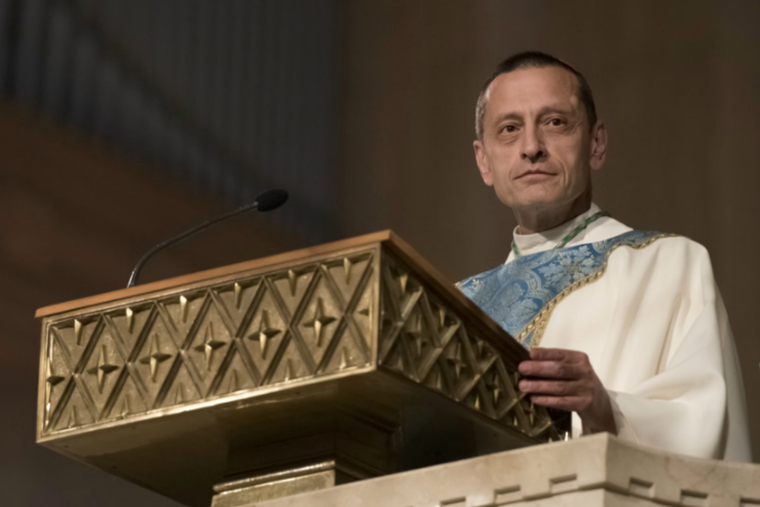
A change to priestly formation programs in the Diocese of Charlotte will see seminarians spend a year as high school or middle school teachers. Charlotte’s Bishop Michael Martin says the move will give seminarians a chance to experience the “ordinary demands” of Catholic lay life, and to better understand how to teach the Catholic faith.
But the plan has prompted some pushback among diocesan clerics, with sources saying both that the idea is a disruption to priestly formation, and that Catholics in the diocese are experiencing a kind of “Martin fatigue” — a sense that the area’s new bishop has made major changes without sufficient consultation of local Catholics and clergy.
Some priests in Charlotte say they are overwhelmed by recent liturgical and administrative changes in their diocese — and that those changes have impacted clerical morale.
The Diocese of Charlotte announced a change to its seminary formation program in a Dec. 15 email to the priests and deacons of the diocese.
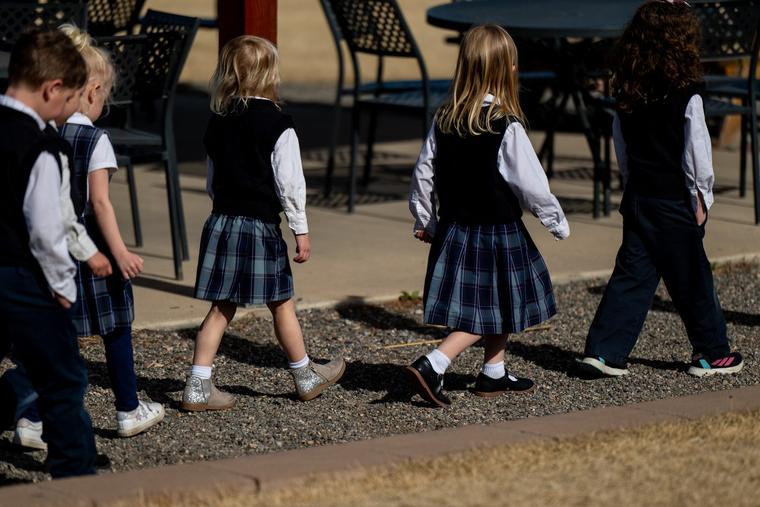
Starting with the upcoming academic year, diocesan seminarians will spend a pastoral year teaching at a local high school or middle school, the email explained.
Seminarians will each have a lay mentor, and will receive pay and benefits. Each seminarian will live at a local rectory, paying room and board at a rate established by the diocese.
This pastoral year will take place before the men begin their theological studies.
The memo said the goal of the new pastoral year program is to provide “sustained and substantial time in pastoral ministry in a way that the assignments given by our seminaries simply cannot provide.”
Diocesan officials say they hope the year will provide a chance for seminarians to gain experience with teaching the faith and insight into the work of education and evangelization, the memo said.
The teaching year will be an opportunity “for our men who have little working experience to take on the demands of a full-time job, paying bills, and learning how to manage the elements of daily life that the people in our parishes have to balance all the time,” the memo explained.
The diocesan communications office did not respond to questions from The Pillar about the new pastoral year program.
But some sources in the diocese voiced serious reservations about the idea.
One priest in the diocese called the new pastoral year program “bizarre.”
“It’s adding another year to the [seminary] formation for something that doesn’t seem to be directly applicable to priestly life and ministry,” the priest told The Pillar.
While some dioceses make use of pastoral years during priestly formation, especially for particular seminarians who are thought to have need of them, they often include more direct experiences of ministry in parishes, nursing homes, and hospitals, rather than focus on the work of teaching, especially without specific training for classroom teaching.
Another Charlotte priest told The Pillar that teaching is a difficult job that can take several years to adjust to, and that a year-long insertion could leave seminarians more discouraged than hopeful.
Priests often end up “very disillusioned and a bit broken down” after working at high schools, the source said, wondering if such a brief tenure in schools would have a negative impact on priestly vocations.
Several sources told The Pillar they see potential benefits in having seminarians teach in local Catholic schools. But they have reservations about the specifics of the new program.
One Charlotte priest said the initiative will ask seminarians to function in a sort of in-between state, “kind of a lay person, kind of a seminarian” — and that situation could cause confusion.
Others lamented that seminarians will reportedly not be permitted to wear clerical garb during the “teaching year,” which could undermine, priests said, the effort to form a clear clerical identity during priestly formation.
“I definitely see benefits to [it]… I just wonder if there’s a better way to implement that,” one priest said.
Priests in the diocese said their biggest concern is that a major change to priestly formation in the diocese comes without a widespread consultation before making the shift.
And in that light, priests expressed frustration with Martin, and a sense among the clergy, they said, that their bishop has not developed a synodal leadership style.
One priest of the diocese called the bishop an “autocrat,” while another said he is “a bully” who has a reputation for berating his priests, going once on a lengthy tirade toward diocesan seminarians that left clergy frustrated.
Criticisms of that nature seem to reflect a growing morale problem among Charlotte clergy, which several priests said is causing them concern.
Bishop Martin has led the Diocese of Charlotte since May 2024, and his brief tenure has been marked by a series of controversial decisions.
Earlier this week, Martin released a pastoral letter announcing that altar rails, kneelers, and prie-dieus will not be permitted for reception of the Eucharist in the diocese, beginning next month. Temporary or movable fixtures used for kneeling to receive communion must be removed by Jan. 16.
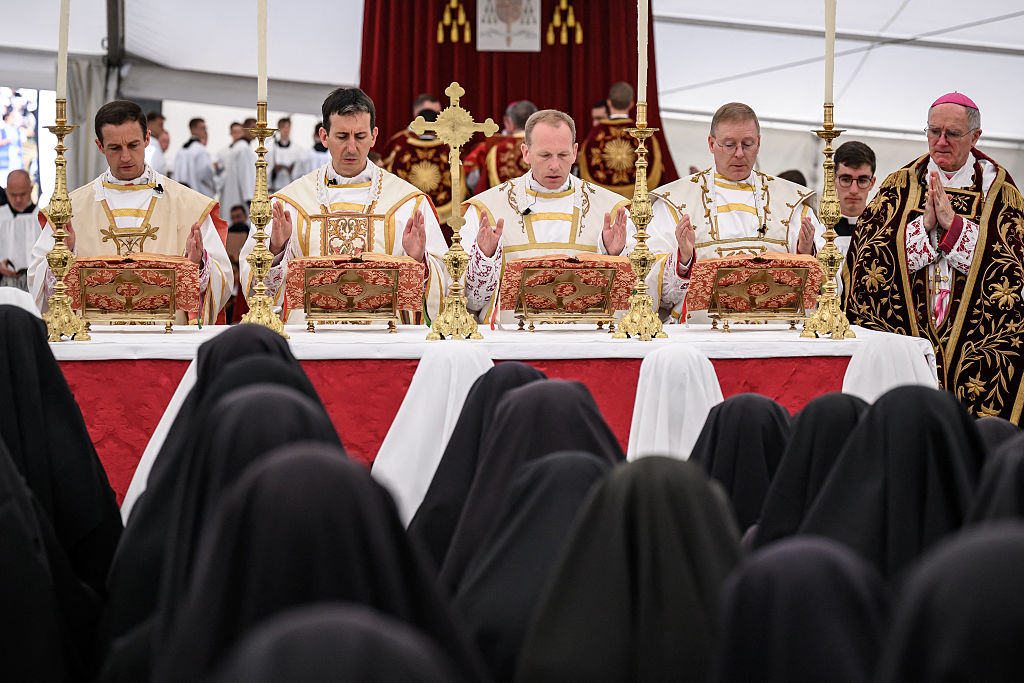
There have been rumors that the bishop plans to introduce additional piecemeal regulations on the liturgy, based on a leaked draft text that would prohibit Roman style vestments, altar crucifixes and candles (in favor of those used in the processional and placed next to the altar), the use of the Latin language, and the recitation of vesting prayers, customarily recited by priests as they don the vestments used for Mass.
In May, Martin announced a new policy restricting the celebration of the Traditional Latin Mass to one designated chapel in the diocese, despite permission from the Vatican for parish churches in Charlotte to continue offering the Traditional Latin Mass.
That decision was met with widespread criticism in the Charlotte diocese, where several extraordinary form communities were integrated into local parishes, creating, according to some sources, a sense of solidarity between those who attend the older liturgies, and Catholics attending other Masses.
In January 2025, an anonymous open letter circulated in the diocese, charging Martin with an “autocratic approach” and criticizing what it described as “arbitrary micromanagement,” “the speed of change and lack of pastoral sensitivity,” “failure to consider the effects of decisions”, and insufficient “synodality” in the diocese. Sources told The Pillar that much of the diocesan presbyterate supported the letter.
The letter urged Martin to “please consider freezing any major changes for at least two years, allowing time to establish relationships across the diocese, listen, in fulfillment of your word, and provide yourself time to understand the unique needs of this diocese. This pause would demonstrate a true willingness to understand your flock prior to navigating the ship in a new course.”
However, multiple sources told The Pillar this week that the bishop has not slowed down, but has continued moving forward, bulldozing over the input of others in order to implement his own plans.
Priests in the diocese said Martin will sometimes hold meetings, or send out proposals for feedback. But ultimately, they charged, clerics in the diocese feel increasingly unheard — a situation that some say is becoming untenable for their ministry.
“He’s receiving pushback, but he just moves forward anyways,” one priest said. “It doesn’t matter how much experience, expertise, planning or work has been put into something. He just has his own ideas, and he barks them and expects obedience.”
“He says that he consults, he says that it’s a consultative process, a central process or whatever, but he never changes anything,” another said. That approach, the priest said, “cripples any kind of creativity or ownership of anything.”
And priests say the last two years have taken a toll. Clerical sources say they have become reflexively suspicious of new ideas because of their frustrations — and that lay people experience that in the diocese as well.
“My parishioners have expressed frustration and disappointment that the bishop would make and mandate so many changes without appearing to listen to the advice of the people around him,” a local priest told The Pillar. “I think it is pretty widespread that people are just frustrated.”
He said the new program adds to a general feeling of instability and uncertainty with the priesthood, and frustration at feeling unheard.
“Everybody is upset. It doesn’t matter -- liberal, conservative, traditional, not so traditional, whatever. It’s a style of leadership issue,” another individual commented.
And while many of the recent headlines surrounding the diocese have focused on liturgical changes, the real issue is much bigger, sources said.
“It’s not just about the liturgy,” one person emphasized.
“The liturgy gets in there, and it is the flashpoint that people respond to, but this is a much deeper problem of a kind of leadership style that is antithetical to the Catholic way of life.”