










Church channels international aid to Cubans, but assistance falls short
(OSV News) — Since Hurricane Melissa devastated eastern Cuba in October 2025 and President Donald Trump cut off the country’s oil supply earlier this year, the Caribbean nation has been facing its worst economic crisis in decades.
The bishops of Cuba have postponed their planned “ad limina” visit to Rome after government authorities announced that airlines could no longer refuel due to U.S. tariff threats against countries supplying oil to the island nation.
After all, only one Cuban prelate, Bishop Silvano Pedroso Montalvo of Guantánamo-Baracoa, did make it to Rome for his “ad limina” visit and met Pope Leo XIV Feb. 20.
Church’s central role in relief efforts
The Catholic Church has been playing a central role in providing relief to the neediest members of society, acting as a bridge between donor countries — including the United States — and the communist-run island. But nothing seems to be enough.
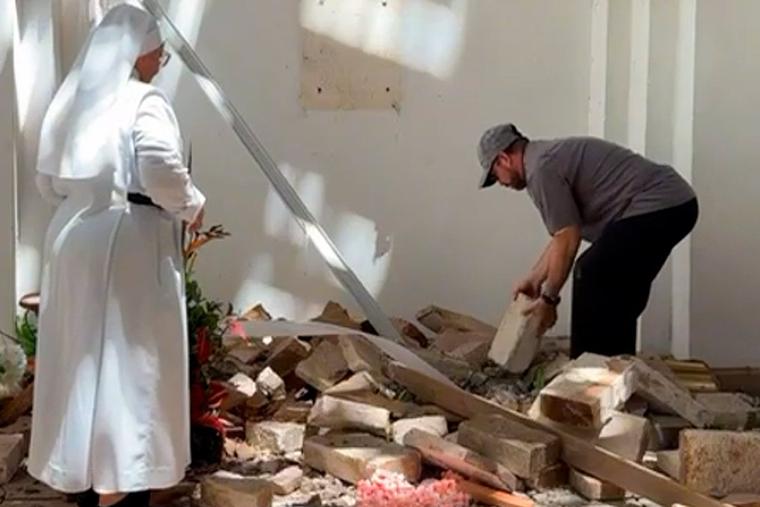
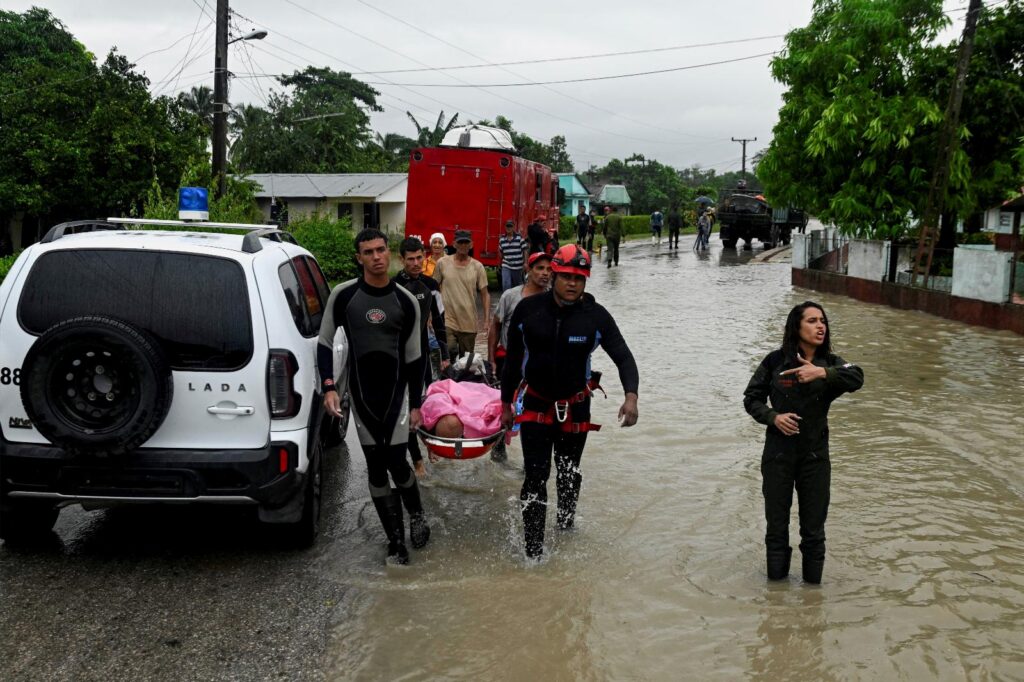
Longstanding financial challenges were suddenly intensified by Hurricane Melissa, which struck Cuba as a Category 3 storm on Oct. 29. The eastern provinces of Camagüey, Las Tunas, Granma, Holguín, Santiago de Cuba and Guantánamo were the hardest hit.
The hurricane affected at least 2 million people — a fifth of Cuba’s population — and caused incalculable damage to infrastructure, public services and housing.
Oil shortage adds to burden
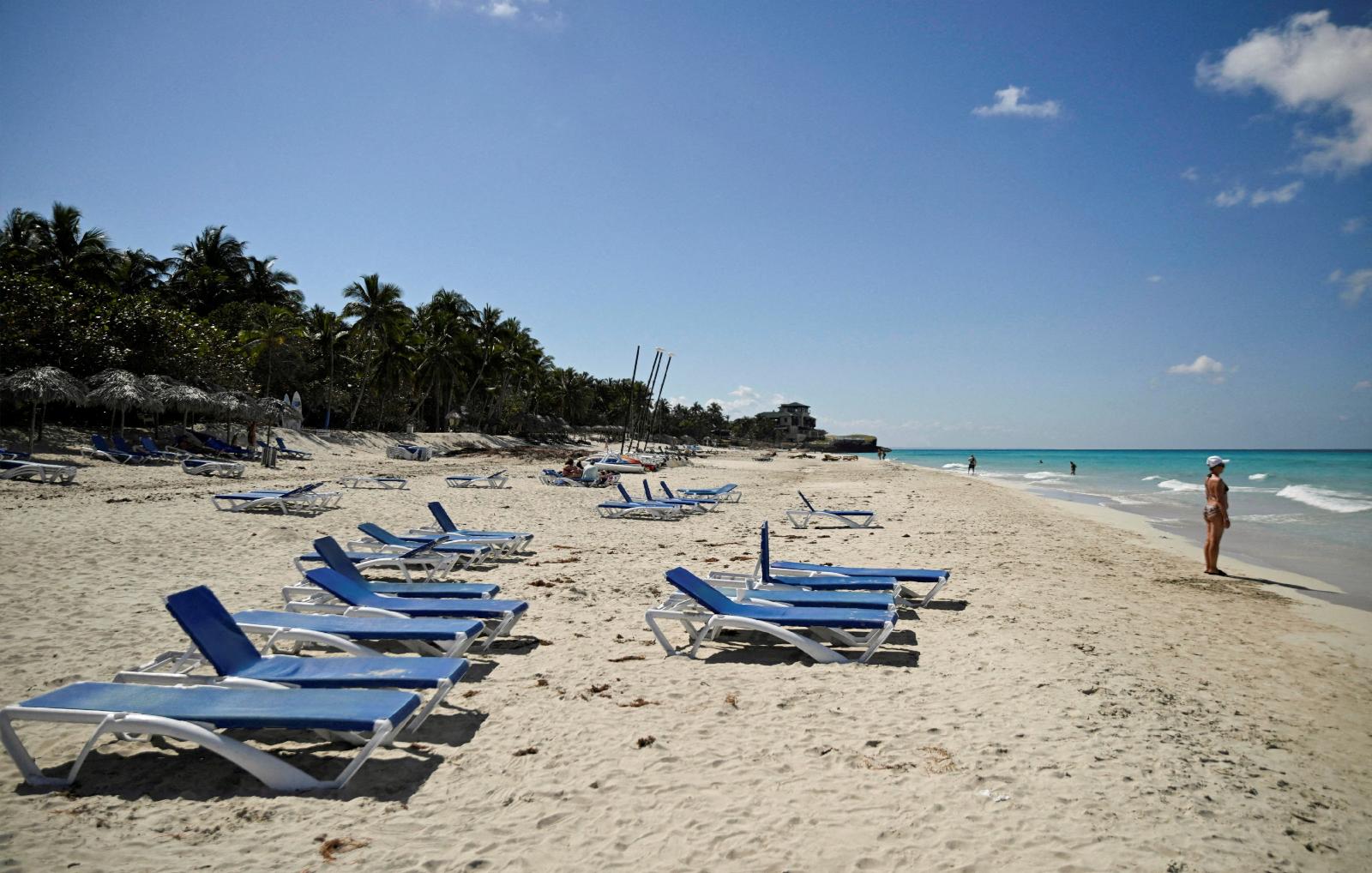
The oil shortage added to Cubans’ burden. According to CNN, many schools have suspended classes and companies have given employees time off because of blackouts. Flights to Cuba have been canceled because of uncertainty about whether airplanes could be refueled, putting the country’s tourism in a dramatic situation.
In that scenario, church institutions have been trying to distribute aid. The nation’s Caritas is one of the Catholic organizations still able to provide assistance on the island thanks to international donors.
Notably, a significant portion of the most recent contributions received by Caritas came from the United States. On Jan. 14, the first flight carrying food and hygiene kits arrived at the airport in Holguín, followed by others.
Donations totaling $3 million
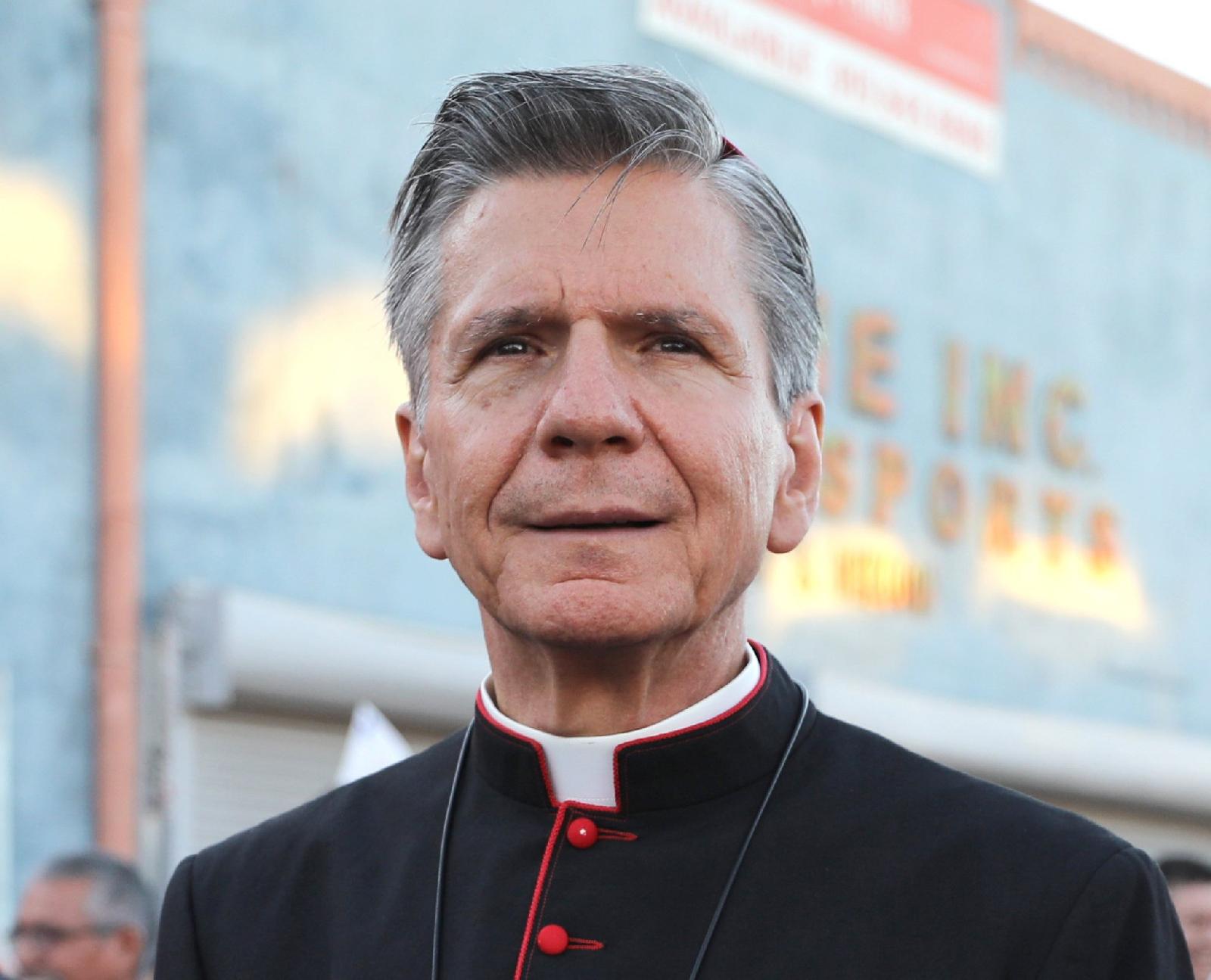
“They told us the total amount of donations corresponded to $3 million. Now we have been promised that amount will be doubled,” Archbishop Dionisio García Ibáñez of Santiago de Cuba, president of Caritas Cuba, told OSV News.
Archbishop García explained that Hurricane Melissa and the U.S. embargo affecting oil sales to Cuba have been catalysts of the current crisis, though living conditions on the island have been difficult for years.
“A high inflation rate has prevented people from buying as much food as they used to,” he said.
Power outages have been common for years, Archbishop García added, so even when people had food, cooking it was not easy.
Helping ‘according to our means’
“We continue helping the population according to our means. But the reality is that we do not have enough resources. Everything comes from abroad,” he said.
The flights were jointly organized by U.S. Catholic Relief Services and also received support from German Caritas.
Dominican Father Eleandro Pérez Acuña, said the Dominican friars have been relying on the support of Selvas Amazónicas, the order’s nongovernmental organization based in Spain.
“Both in Havana and in Trinidad we have projects to provide breakfast to vulnerable people and to ensure that children can have milk before going to school. We also distribute food kits in several parishes,” Father Pérez told OSV News.
Humanitarian crisis not new
According to the friar, the current humanitarian crisis is not new.
“When Melissa arrived, it found a population already in ruins,” he said.
Blackouts were as frequent as they are today — or even more so — before Trump’s fuel measures, he argued.
Father Pérez listed several elements of the crisis: “lack of hope, opportunities and basic rights; failed economic policies designed solely to bring in dollars for the government and those in power; lack of investment in health care, education, transportation, housing and so on.”
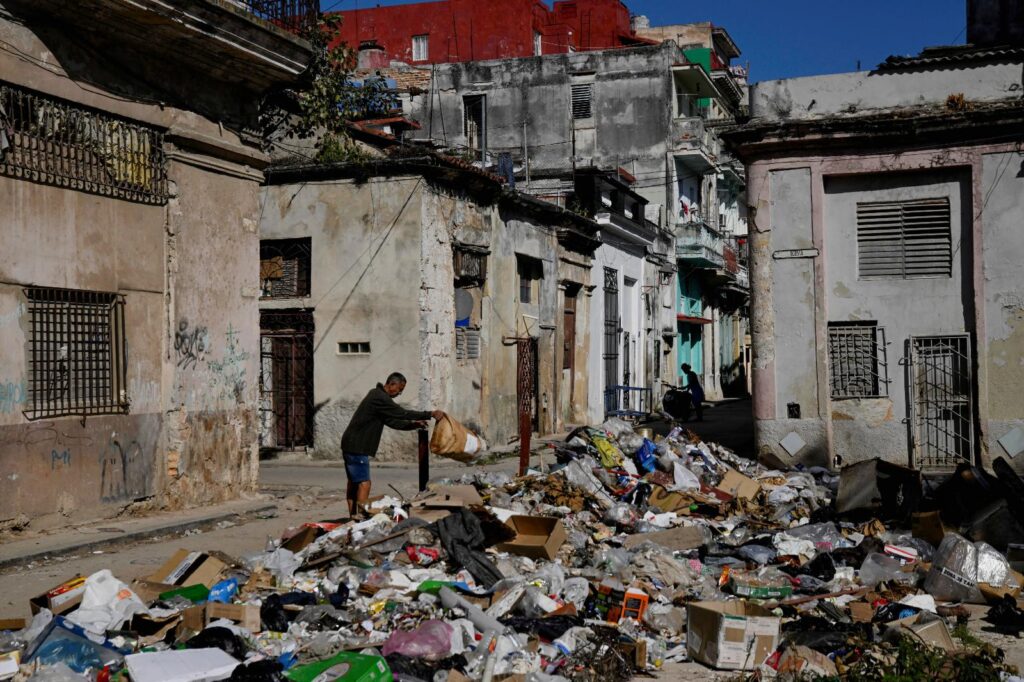
“All of this has kept our people in a humanitarian crisis for a long time,” he said.
Hard for religious groups
Father Pérez added that such an adverse scenario has made it difficult even for religious groups to continue operating in Cuba.
“That is why the first thing we Dominicans do is remain here. We have chosen to stay and walk side by side with the people,” he said.
All the help provided by the church is still not enough.
Yadilka Díaz Moreno, 36, from Antilla, a town in Holguín province, has been sharing a government shelter with four other families since being evacuated when Melissa struck. She has two children.
Tenement house near collapse
“We used to live in a cuartería (a tenement house) that had been at risk of collapse for 20 years,” Díaz told OSV News.
She worked as a waitress at a paladar, a small privately owned restaurant. With the crisis, she was laid off — “and those who don’t work don’t get paid.”
Díaz said the government is no longer providing food, so they buy whatever they can find from street vendors. Prices have skyrocketed, she said. No help from the Church has reached her so far.
“The city government hasn’t done anything for us. Nobody helped us,” she said.
Eduardo Campos Lima writes for OSV News from Sao Paulo.
The post Church channels international aid to Cubans, but assistance falls short first appeared on OSV News.