



















German Church tightens belt, despite church tax boost

The Catholic Church in Germany announced austerity measures Monday, despite reporting an increase in annual church tax revenue days earlier.
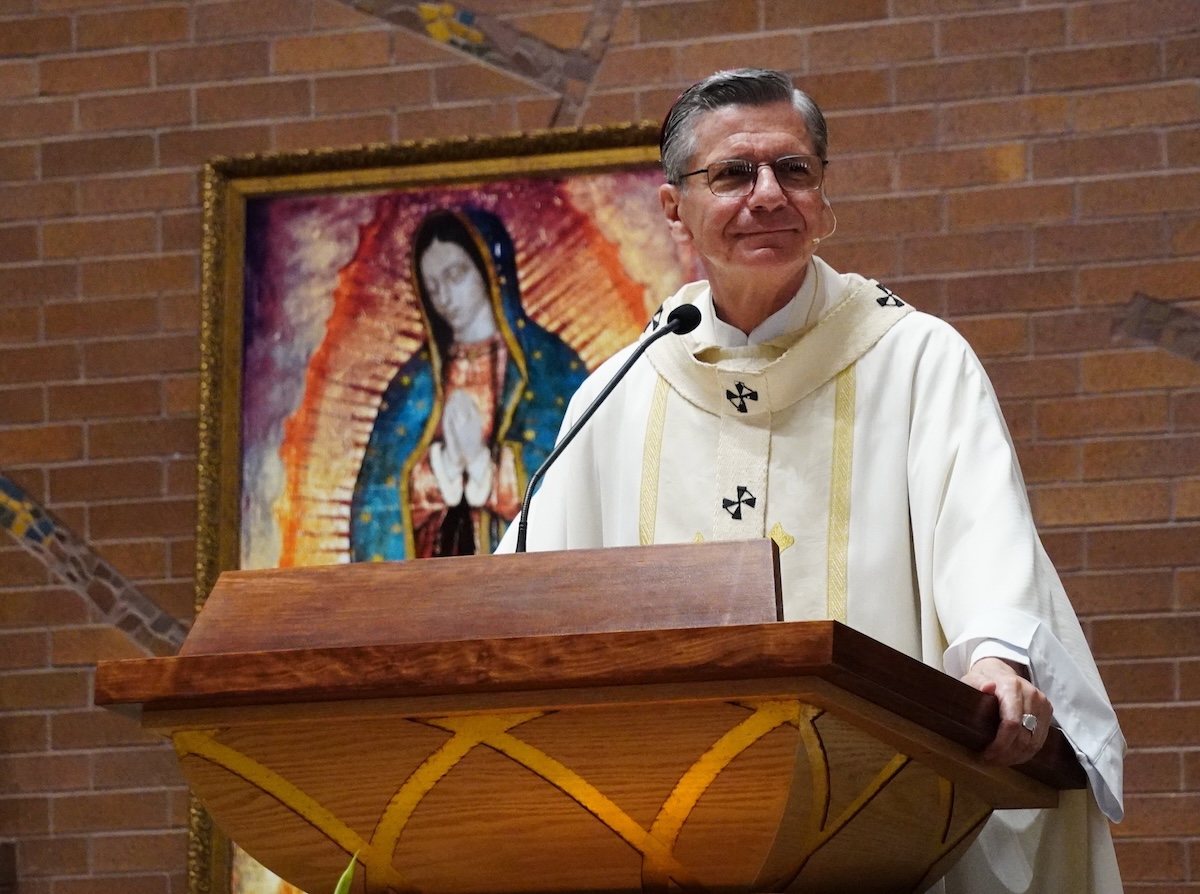
Beate Gilles, general secretary of the German bishops’ conference, said July 7 that Church officials needed to make “hard cuts” to expenditure from a common fund known as the Association of the Dioceses of Germany, citing a declining number of Catholics and an anticipated fall in church tax income.
“Given falling membership figures and an expected decline in church tax revenue, ambitious cost-cutting measures are necessary for the Church in Germany. This also affects the German bishops’ conference,” she said.
“As a result of these developments, it is essential that changes are made to numerous recipients of grants who receive a subsidy nationwide via the budget of the Association of the Dioceses of Germany.”
The Association of the Dioceses of Germany, known by its German acronym VDD, is the legal entity of the German bishops’ conference, bringing together the country’s 27 economically independent dioceses to fund shared projects.
It finances the bishops’ conference’s extensive bureaucratic apparatus, including its 14 episcopal commissions dedicated to topics such as doctrine, the liturgy, ecumenism, and migration. It also supports organizations such as the powerful lay Central Committee of German Catholics and covered the costs of the controversial 2019-2023 “synodal way.”
The VDD is largely funded by the 27 dioceses, using money raised through the church tax, which everyone registered as a Catholic in Germany is required to pay at the risk of losing access to the sacraments.
Church authorities announced July 4 that the 27 dioceses received a total of 6.62 billion euros (around $7.8 billion) via the church tax in 2024, up from 6.51 billion euros (around $7.6 billion) in 2023.
In 2024, a further 321,611 Catholics formally left the Church in Germany, meaning they will no longer contribute to church tax.
The paradox in which church tax revenue increases while the number of Catholics decreases annually by hundreds of thousands could be explained by positive economic trends such as rising wages or be due to the highest-earning Catholics remaining in the Church, while smaller contributors leave.
But Catholic officials believe the phenomenon of rising revenue and declining membership will end soon, with a sharp reduction in Church income.
Gilles said: “In future, we will have to withdraw from supporting areas of activity that are important and also required by the Gospel, but which we simply do not have the resources to support.”
“This is … less a statement about the importance of the respective field of activity and more a statement about the dwindling strength of the Church as a whole.”
Gilles said the VDD’s general assembly, led by bishops’ conference chairman Bishop Georg Bätzing, confirmed at a June 24 meeting its intention to present a balanced budget for the 2027 fiscal year.
Around eight million euros ($9.4 million) will be saved from the roughly 129 million euros ($151 million) budgeted for 2027.
“The cost-saving process, which is already running in parallel in many dioceses, is inescapable,” said Gilles. “There will be hard cuts, which are unavoidable.”
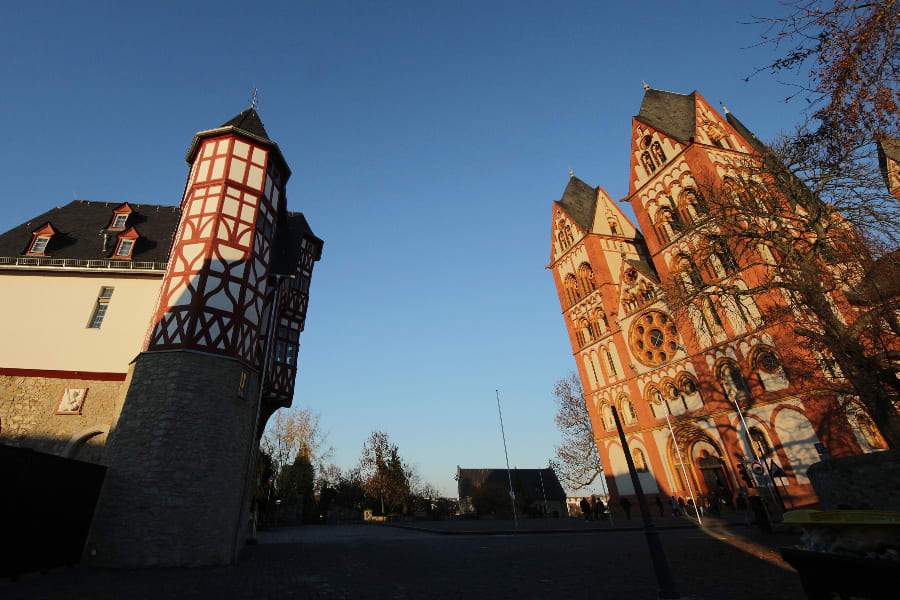
On the same day that Gilles announced the austerity measures, the Diocese of Limburg, led by Bishop Bätzing, said it had recorded its first annual deficit.
The diocese in western Germany said the reasons for its 810,000 euro ($950,000) shortfall in the 2024 financial year included “rising personnel and pension costs, a continuing decline in church tax revenues, and the financial consequences of social megatrends such as demographic change, dwindling church loyalty, and increasing secularization.”
The diocese predicted a deficit of more than 100 million euros ($117 million) for 2035, but insisted it had the resources to cope with future challenges.
More than 10,000 people formally left the Church in the Limburg diocese in 2024, reducing the total Catholic population to 501,450.
Meanwhile, the Diocese of Augsburg, in German Catholicism’s traditional heartland of Bavaria, recorded a deficit of 11.4 million euros ($13.4 million) in 2024, up from 3.7 million euros ($4.3 million) in 2023.
The diocese said it had expected to receive 390.1 million euros in church tax in 2024, but the actual revenue was 369.7 million euros. Church tax accounts for around 83.5% of the diocese’s total income.
The diocese noted that its biggest challenges were rising personnel costs combined with declining church tax income.
More than 17,000 Catholics formally left the Augsburg diocese in 2024, bringing the total number of Catholics to just over 1.1 million.
What's Your Reaction?
 Like
0
Like
0
 Dislike
0
Dislike
0
 Love
0
Love
0
 Funny
0
Funny
0
 Angry
0
Angry
0
 Sad
0
Sad
0
 Wow
0
Wow
0