




























The Danger of Constant Noise: Helping Teens Rediscover Silence in the Digital Age


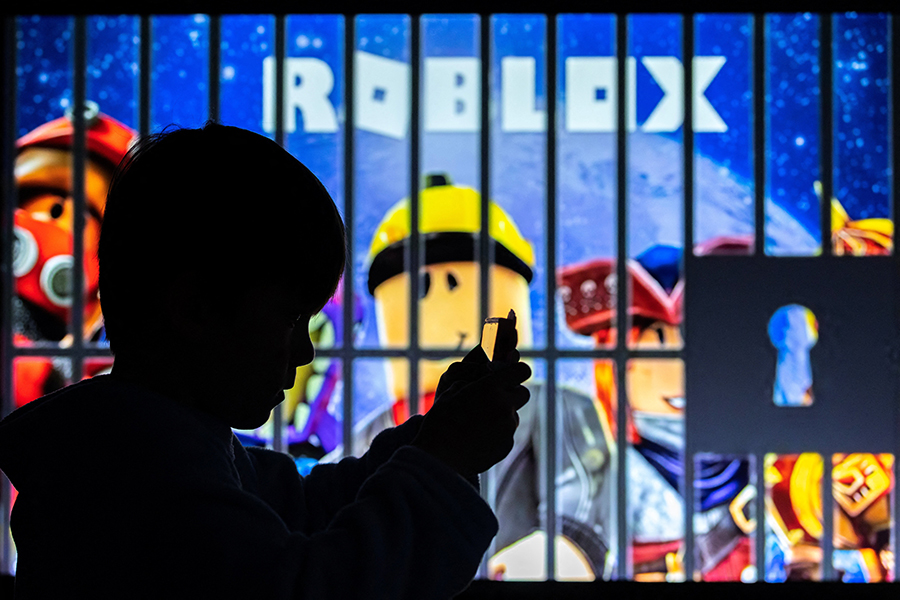
As a high school teacher, I am in a constant battle for my students’ attention. My main nemesis: the smartphone. I am not one to vilify all tech or the use of tech as damaging. However, the trends that I have noticed over the course of my career cannot be ignored. What used to be a minor nuisance in the classroom has now become a paramount disciplinary issue.
While there are school policies and class rules that forbid the use of smartphones during class, they are largely ignored. Other rules and guidelines are, for the most part, followed relatively closely and respected by the student body. So, what is it about the smartphone rule that makes it the outlier?
While several reasons can be pointed out up to and including dopamine addiction, the most blatant, troubling, and often overlooked is internal restlessness.
Smartphones are not inherently evil. How we use them can, unfortunately, become disordered relatively quickly. This is especially true when put into the hands of hormonal, angsty teenagers who may not have a solid background in faith or a strong witness to Christ at home in their families.
While we tend to think that teenagers turn to their smartphones as much as they do to block out the external noise that constantly surrounds them, we cannot discount the excessive amount of internal noise they are attempting to drown out. Anxiety, fear, confusion, depression, and any number of other concerns that teens face daily are often internalized. Perhaps the phone isn’t a way to quiet the voices and noise that surround them; it is the currently preferred method for quieting the noise that exists within them.
In the realm of spiritual warfare, this noise is the perfect cover for nefarious influences to become nearly as natural and accessible in individuals as muscle memory. How can anyone, let alone a teen, be expected to truly understand the metaphysical realities of the Eucharist if they do not have the time to think about it intensely? How can teens be expected to enter into prayer in a more engaging and heartfelt way if their minds will not allow their hearts to have a moment’s peace? Where is the quiet, reassuring voice of Christ, calling out to them, if they are not able to hear it?
These questions, while daunting, need to be addressed and answered by the Church by first challenging the domestic church to engage in the noble endeavor of encouraging young people to experience the transcendence of simply being quiet. The reclamation of silence begins at home.
Smartphone usage should be discussed by families openly. Parents and guardians should explain their concerns for its over-usage by pointing out anecdotes, studies, and patterns which further illustrate the reason for their concern. However, teens are bombarded daily by lectures and instruction, so while the ultimate decision-making authority in the conversation needs to be the parents, teens should feel that they are part of the conversation, rather than students enduring yet another lecture.
Parents should also acknowledge some of the benefits of modern tech and smartphones. Simply castigating tech as disordered and dangerous can sometimes do nothing more than spark an unhealthy curiosity, furthering excessive usage. The goal of these conversations needs to be to set boundaries and usage limits for the teens in our care. Where and when a teen may be on their phone is a discussion and decision that should be made by each family.
Teenagers are not stupid by any stretch. They are acutely aware of their surroundings and are also hyper-vigilant when it comes to what would be seen as hypocrisy in the authority figures in their lives. For that reason, it is essential for the parent, guardian, or teacher to not only enforce the rules but also follow them. Modeling the behavior that we want to see in our teens is an essential step in reintroducing the concept of silence as a spiritual necessity for grace and support.
In moments where phones would normally be holding sway over the attentions of the family, parents should utilize that important time to encourage prayer, contemplation, and good old-fashioned conversation either with parents or with Our Lord. Reminding teens that God speaks to them in still, small voices is a strategy that I have seen bear fruit in terms of naturally encouraging them to quiet the noises around them, and in them, from time to time.
Acknowledging the pressures that teens feel by being open in our questioning and discerning in our answers is the next step to reintroducing silence as a means of communication with the divine and the reception of grace. By getting to the root causes of the noise in their lives, we can better support our teens by better informing our instruction.
Once essential information is ascertained, we can discern how to approach the issues by relying on the Holy Spirit through our detailed, focused prayers to guide us. We can suggest saints to ask for intercession and to read about to foster hope and courage. We can suggest prayers and devotions to help them experience the free-flow of grace from Heaven. We can begin to introduce the transformative power of the Sacrament of Confession, and we can begin laying the groundwork for an interior life focused on and centered in the Eucharist.
While the work may seem overwhelming, there is nothing more powerful and dynamic than the grace of God. We meet that grace in the silences we either intentionally or unintentionally experience throughout the course of our days, weeks, years, and lifetimes. Teaching teens to embrace silence as important and healthy, and to face it as an exercise in building up the soul, is a powerful weapon against tech usage as a manifestation of escapism.
Healing peace can only be experienced by the grace of Our Lord and in the love of those who care about us the most, who are agents of that grace at different times in our lives. No number of viral videos, trends, memes, or challenges will ever replace that.
Once teens are trained to be quiet enough to think and pray about that fact, there is no going back. Lives change. Christ is still calling our young people. We should, at the very least, help them learn to be quiet enough to hear His voice.
Photo by ROBIN WORRALL on Unsplash