








Don’t Let the Flock Minimize the Shepherd: The Difference Between the 2 Priesthoods


…he walks ahead of them, and the sheep follow him, because they recognize his voice.
In Christ’s time, brave shepherds in Israel would come together in the evening, put their flocks into a community holding pen, and take turns guarding the gate. In the morning, they’d open the gate, and the sheep would listen for their own shepherd’s voice. Recognizing it, they would follow him.
Now, why him and not any other shepherd? Sheep are not that smart, but they are smart enough to be leery of strangers. They trust their own shepherd, who is, after all, the key to their survival. Psalm 23 states that with his soothing voice, he calmly leads them to pastures and water and protects them from predators with his rod and staff.
Now, can you picture Christ giving this Good Shepherd parable out in a pasture somewhere in the beautiful Galilean countryside, perhaps with the Sea of Galilee in the background? Well, don’t do that, because He wasn’t there. He was on the mean streets of Jerusalem, staring down the powers-that-be who wanted to kill Him. Christ stoked their murderous rage by stating that He was the gate, not them; by telling them that they were thieves and robbers who came only to steal, slaughter, and destroy.
Almighty ever-living God, lead us to a share in the joys of heaven, so that the humble flock may reach where the brave Shepherd has gone before.
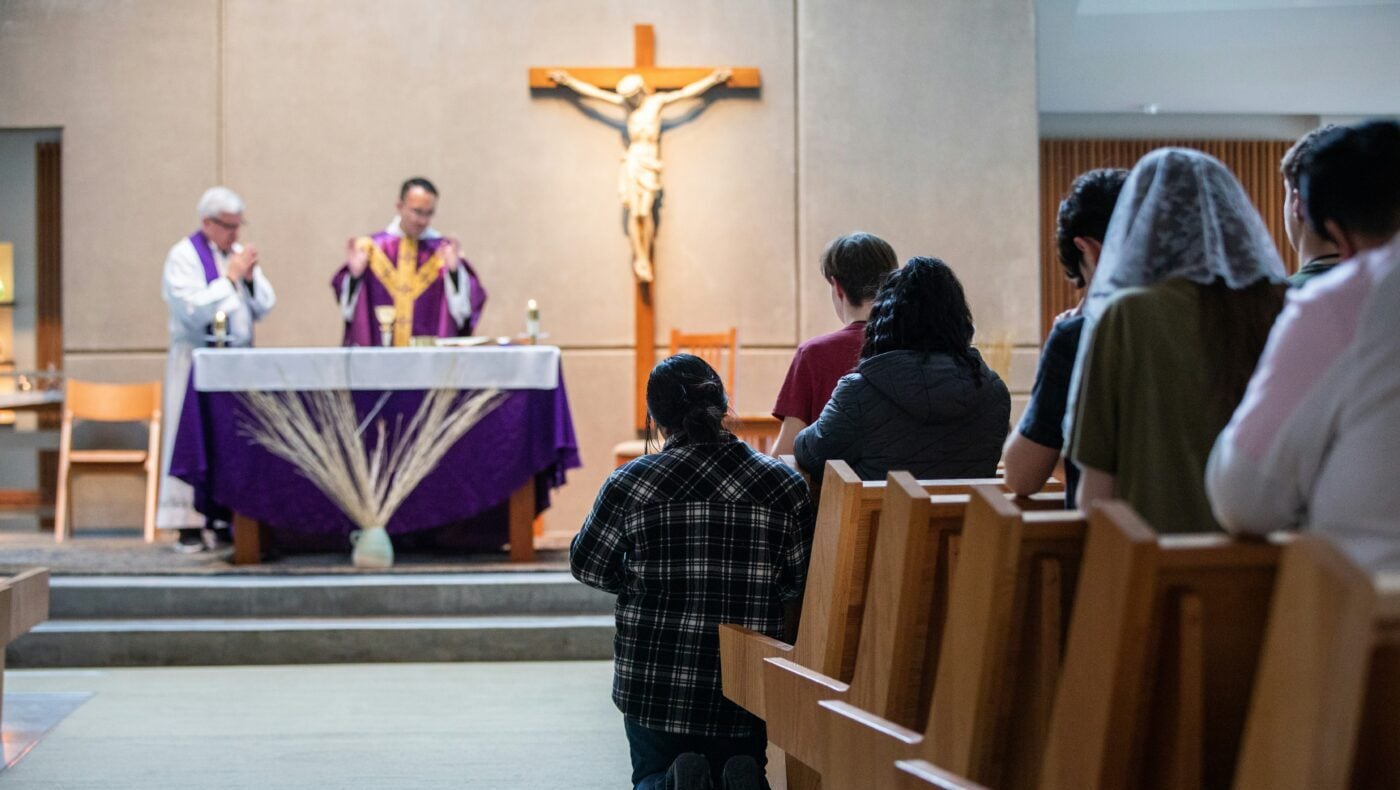
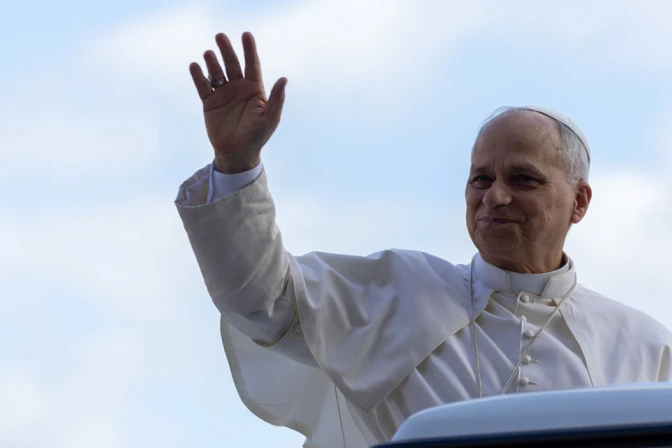
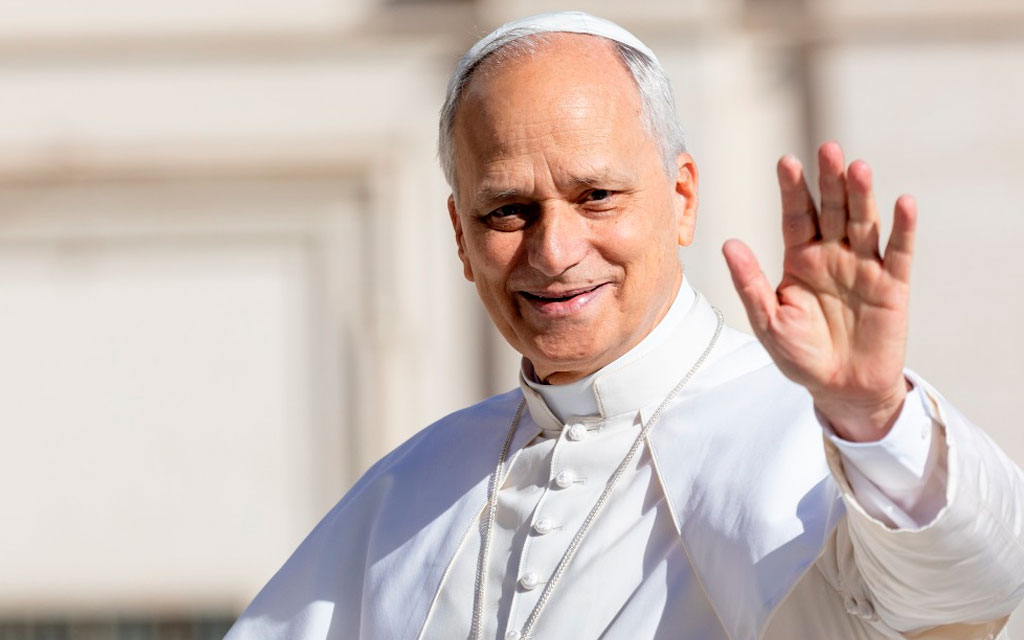
That was the Opening Prayer for last Sunday’s Mass, the 4th Sunday of Easter, which in our modern day is known as Good Shepherd Sunday, or Vocation Sunday. The Opening Prayer is traditionally known as the Collect. It is called the Collect because the priest, acting in the person of Christ, raises his arms as he addresses the Father and collects all the prayers of the faithful, uniting them as one.
Something to note is that the rubrics (the rules) for Mass state that the priest, and no one else, is to raise his arms at Mass. Why do you think that is? And why do you think it’s common in many parishes today to see people in the pews raise their arms during various parts of Mass? Why were and are the good people who attend Mass encouraged to raise their arms when the rules clearly state that only the priest is to do so?
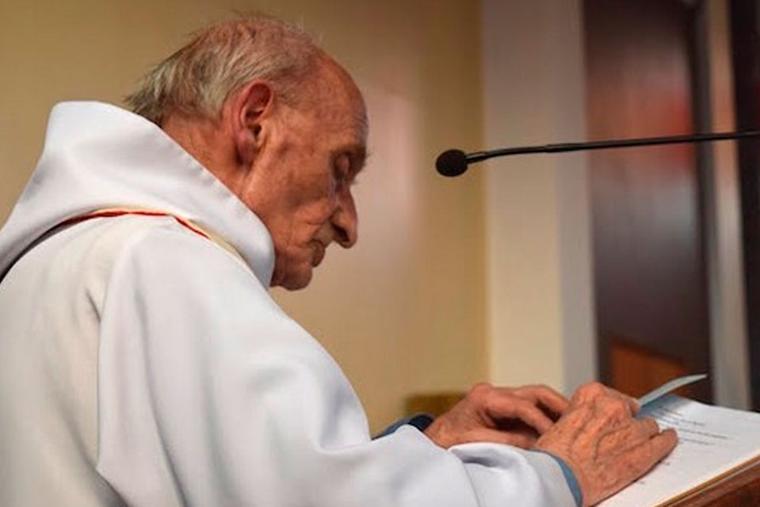
Someone raising his or her arms at Mass may seem harmless enough. But is it? Most Catholics today no longer understand that there are two types of priesthood: the ministerial priesthood and the priesthood of the faithful. Since we are all called to participate in the One Eternal Sacrifice by offering ourselves, we are all priests, a “royal priesthood,” wrote St. Peter. But we are priests with different roles and essences. A ministerial priest (and no one else) stands in persona Christi, “in the person of Christ” at Mass. He is set apart to re-present and give voice to the sacred action that saves us.
In his last encyclical letter, Pope St. John Paul II, who died in April of 2005, wrote that the bond that gives unity to a priest’s life and work “flows mainly from the Eucharistic Sacrifice, which is the center and root of the whole priestly life.” That bond has been greatly damaged in our modern day. Pope John Paul wrote:
Abuses have occurred leading to confusion with…this wonderful sacrament. Stripped of its sacrificial meaning, it is celebrated as if it were simply a fraternal banquet. Furthermore, the necessity of the ministerial priesthood, grounded in apostolic succession, is at times obscured and the sacramental nature of the Eucharist is reduced…How can we not express profound grief at all this? The Eucharist is too great a gift to tolerate ambiguity and depreciation. (10)
The late Pope John Paul seemed quite upset, did he not? And why not? In his day, belief in the great gift of the Eucharist, the “hard saying” from John 6, had been decimated. Mass had been stripped of its sacrificial nature, and the necessity of the priesthood, put in place by Christ, had been obscured.
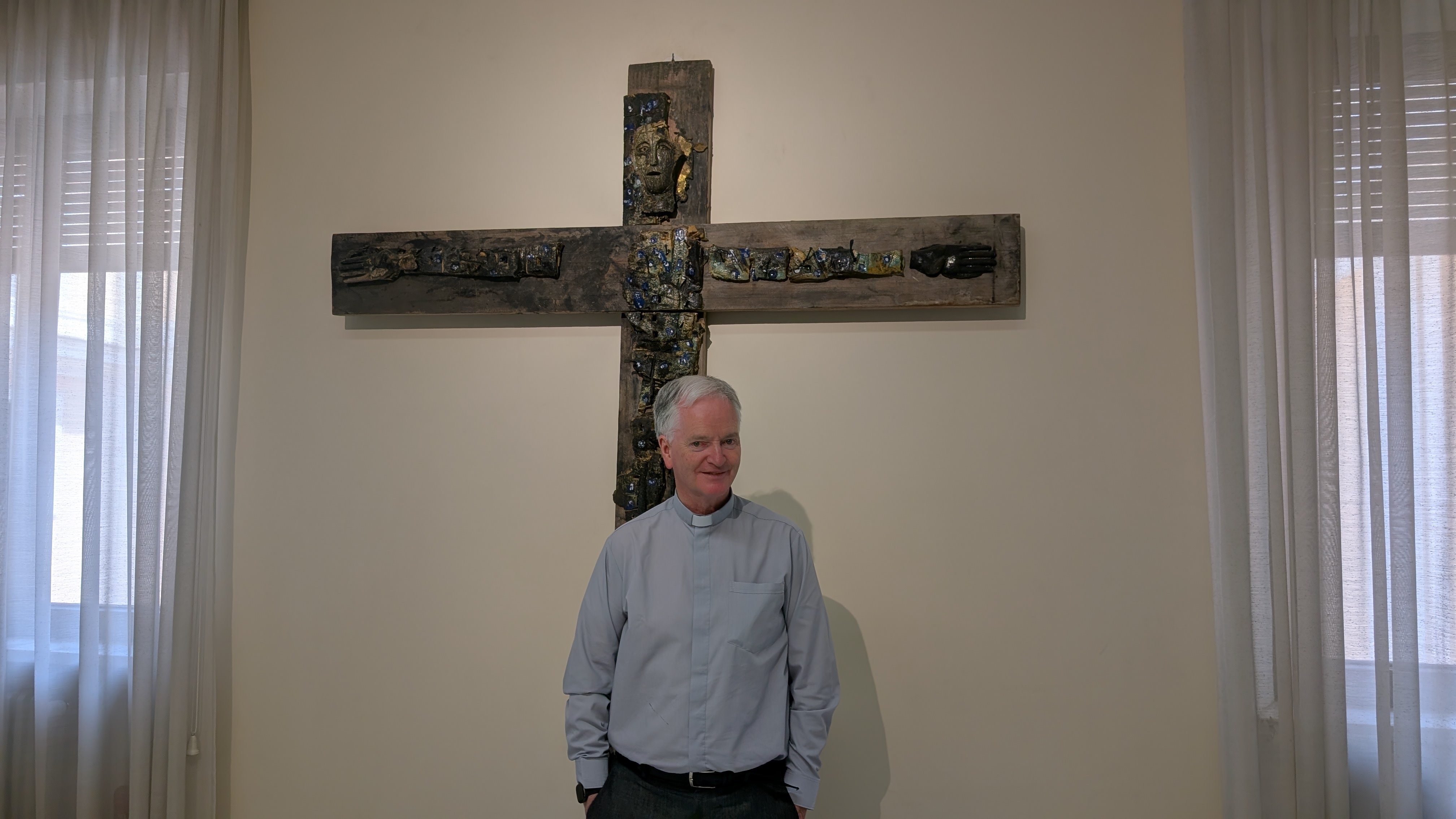
In 2009, while still a seminarian, I was assigned to travel on Sunday mornings to a parish in the west suburbs of St. Louis. I helped with RCIA classes and served Mass. One Sunday after Mass, the permanent deacon and I were tidying up in the sacristy when a young woman entered. She had just joined the parish, and the bulletin stated she was to see the deacon for volunteering opportunities. She asked to volunteer to be a Eucharistic minister at Mass. The deacon told her he’d get her signed up. No problem. That was pretty much it.
She did have one concern. She was worried what would happen if a communicant stuck out his or her tongue instead of hands. She found the thought of that distasteful. The deacon told her not to worry about that because very few, if any, received that way. Then, remembering I was silently standing there in my black cassock, the deacon told the woman, “Now, Kevin here is studying for the priesthood. He is not an instituted acolyte yet, so he is not allowed to give out communion.”
Driving back to the seminary, I said to myself, “Hmmm, I went through an extensive background check and have people watching me under a microscope for six years in seminary. I’ve also given up a wife, marital intimacy, possible children, home, and money. I’ve turned my back on all those things so I, as St. Paul preached, can have an undivided heart, giving myself over fully to my Bride, the Church. And yet, anyone with a hankering for being a ‘minister’ could just walk in off the street and take over what traditionally was my purview, my function—feeding the sheep. What is wrong with that picture?”
How do you think all that made me feel? What would you say was the effect on my latent priestly identity? Do you think it harmed me? Do you think I ended up asking myself if I were even necessary? Well, I’ll share this: It made me feel bad, and it had a negative effect on my priestly identity. It did make me question if I were necessary, and therefore I would conclude it was not harmless.
Now, don’t feel sorry for me. I’ve a hundred more stories just like this one! Feel sorry instead for the disheartened young men who’ve washed out of seminary. Feel sorry for the lonely priests who’ve lost their identity, dropped their vows, and abandoned their flock. Feel sorry for the men whose vocations have been crushed by the powers-that-be inside the Church. The thieves and robbers who came only to steal and slaughter and destroy, while normalizing and blessing sin that cries to heaven for vengeance.
Don’t feel sorry for me. I have the awesome privilege and responsibility of standing in for Christ as He makes present His one mystical act that saves us. And, my friends, understand this: The one, mystical act is not the hosting of a fraternal banquet; it is the enduring of a sacrificial death.
“I am dying for all men,” says the Lord. “I am dying to give them life through myself and to redeem the whole human race through my humanity. In my death, death itself will die, and man’s fallen nature will rise again with me.” (St. Cyril of Alexandria)
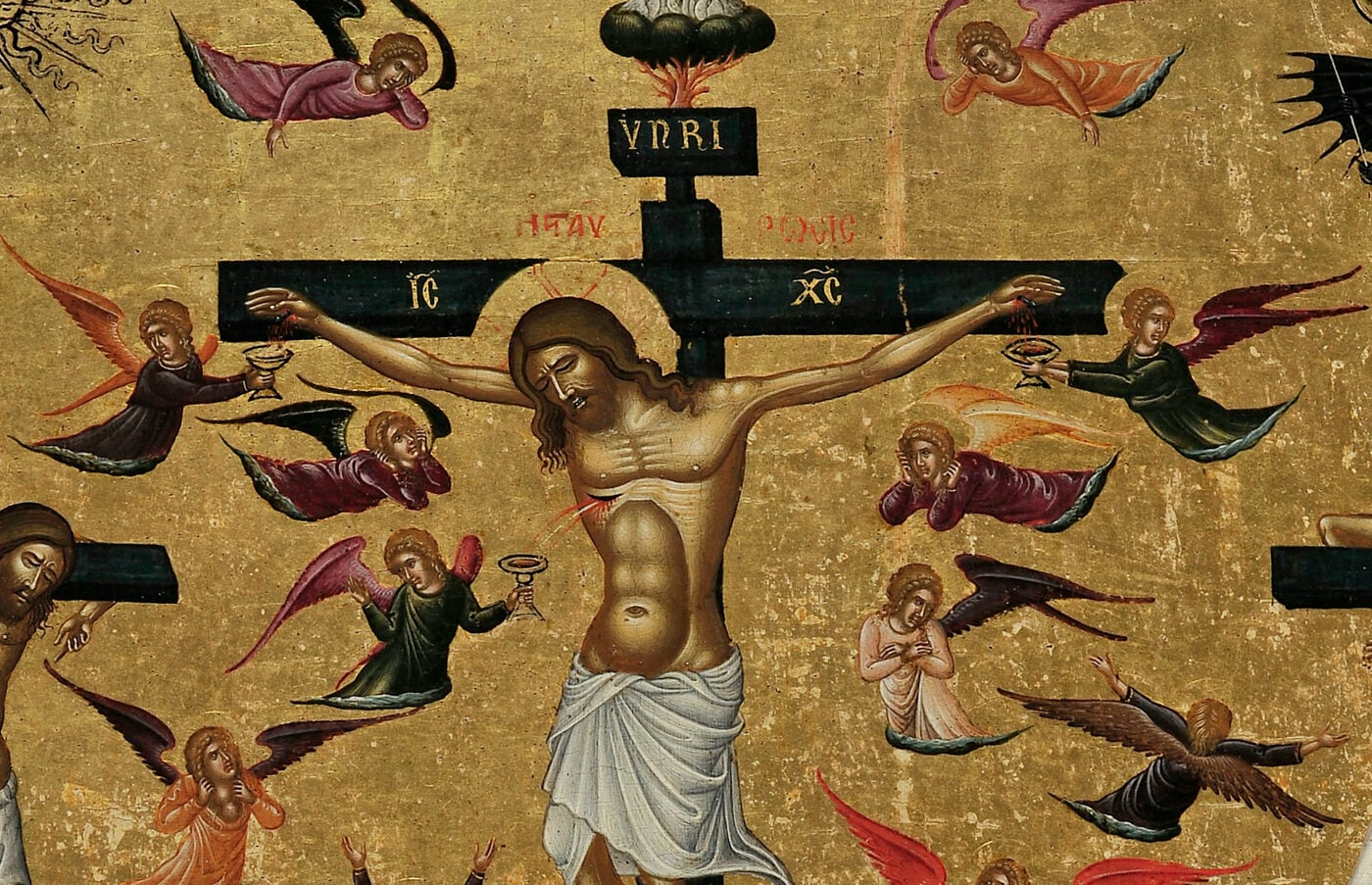
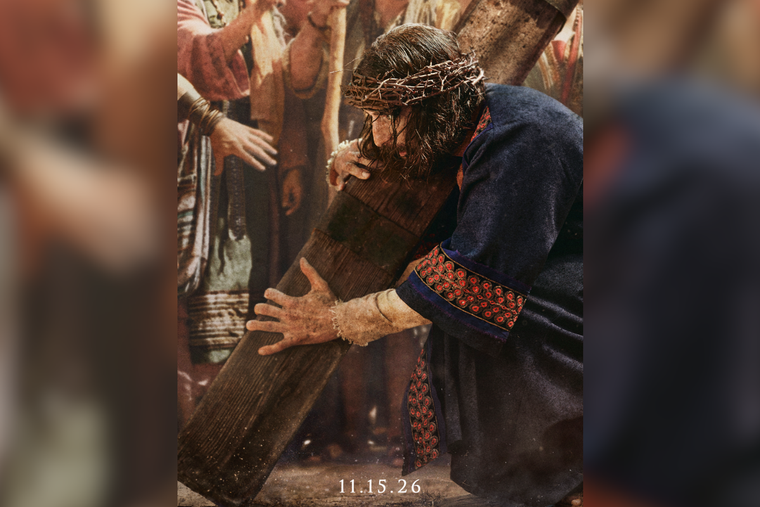
And so, how do we make it out of this crazy community holding pen called planet Earth with our souls intact? We do so by following the soothing voice of our Shepherd, who, walking ahead of us up a hill, stops. He takes His rod and staff and joins them together to form a cross. Then He raises His nailed arms on it—and collects all our prayers, uniting them as one. He offers Himself to His Father for us, so the humble flock may reach where the brave Shepherd has gone before.
Photo by Nareeta Martin on Unsplash