











The Students of the Apostles: What They Teach Us About Early Christianity


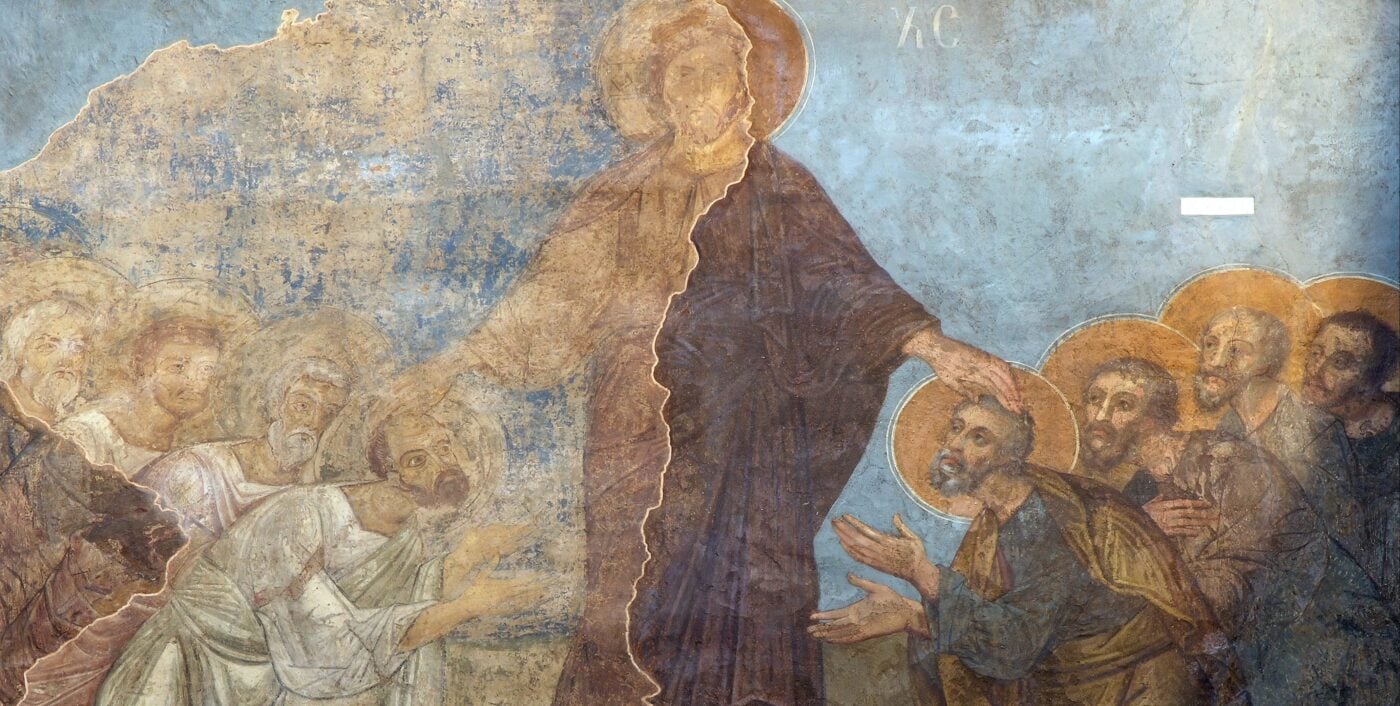
Did you know that the apostles had students? The New Testament was not the only thing being written in those early years. We have writings from Christians that either existed during the time of the New Testament or immediately following. Those that wrote some of these texts personally knew apostles. They heard them preach, they followed them as students, some may have been baptized by them, and some became the next generation of leaders.
In an age that lacks Christian unity—and when young people are seeking a religion that is stable, ancient, and true—getting to know the students of the apostles helps shed light on the faith surrounding the New Testament.
These students, not including those like St. Mark who wrote a portion of the New Testament, are referred to as the Apostolic Fathers.
While the list of these texts differs, most will agree that it includes: the Didache, St. Clement of Rome, St. Ignatius of Antioch, St. Polycarp, St. Hermas, and St. Papias. The Didache is believed to be the kind of guidance the apostles would leave with churches. St. Clement of Rome was an early pope; Tertullian explains that St. Clement was ordained by St. Peter, and Eusebius holds that he knew St. Paul (cf. Phil. 4:3).
St. Ignatius of Antioch wrote several letters on the way to his execution in Rome. He was a student of St. John the Apostle and because of St. Peter’s being the first Bishop of Antioch (cf. Gal. 2:11), he played a part in St. Ignatius becoming Bishop of Antioch. St. Polycarp of Smyrna was a bishop known to be associated with multiple apostles; in particular, he was a student of St. John, a colleague of St. Ignatius, and the teacher of St. Irenaeus of Lyons from the generation of Christians after the Apostolic Fathers.
While so much more could be said about each of these individuals, let’s review some initial insights that may inspire you to one day read the Apostolic Fathers and their spiritual descendants.
The Church was Apostolic
The existence of the Apostolic Fathers shows how important the apostolicity of the Faith was for early Christians. Yes, the apostles chose St. Matthias to replace Judas (Acts 1:12-26), but they also trained and chose other men to be their successors. This apostolic succession is mentioned by St. Clement (no. 42). They also held to the content of faith as something coming to them from Jesus Christ and the apostles (Ignatius to the Magnesians, 13; Polycarp to the Philippians, 6).
The Early Church had a Leadership Structure
What we find in the Apostolic Fathers is a period of clear development. The New Testament mentions, with varying translations, bishops, presbyters, and deacons. While other ministries may be mentioned in the New Testament and in the Apostolic Fathers, these three ordained ministries come into clear focus as central ministries of leadership for the growing Church.
In varying degrees, this is mentioned in nearly all of the Apostolic Fathers. For example, St. Ignatius writes, “we should look upon the bishop even as we would upon the Lord Himself” (Letter to the Ephesians, 6), and “See that you all follow the bishop, even as Jesus Christ does the Father, and the presbytery as you would the apostles; and reverence the deacons, as being the institution of God” (Letter to the Smyrnaeans, 8). A view of a ministerial hierarchy instituted by God was not unknown to them.
The Early Church was Sacramental
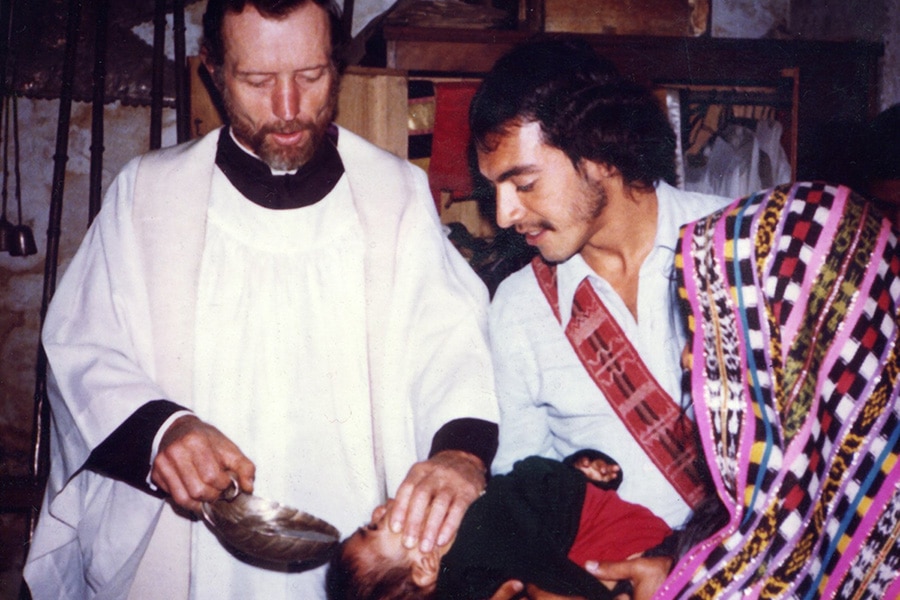
From the Didache to the other documents, we find an early Church that loved Jesus Christ and also had rituals, liturgies, which were seen as unique and necessary. They didn’t simply gather for spontaneous prayer, music, and preaching. They had set prayers, ritual standards, and emphasized the necessity of Baptism and the Eucharist for salvation and the Christian life; most of the other sacraments are indicated in some fashion as well.
The Didache gives the words to be used in Baptisms, the different ways the water may be used, and even teaches that Baptism is necessary for the Eucharist (Didache, 7, 9). Hermas explains that Baptism forgives sins (The Shepherd, 2:4:3). The Didache describes the Eucharist as a sacrifice/offering (Didache, 14), and St. Ignatius describes some that fail to confess “the Eucharist to be the flesh of our Savior Jesus Christ, which suffered for our sins, and which the Father, of His goodness, raised up again” (Letters to the Smyrnaeans, 7).
The Faith was of Greatest Importance
One thing they uniformly witnessed to was how the Faith was not just one value or idea among many, but of the greatest importance. They witness to this by dying as martyrs.
There were Correct Beliefs and Wrong Beliefs
Like we find in St. Paul’s letters within the New Testament, the Apostolic Fathers didn’t think that it was sufficient to just believe in Jesus as savior and God, but one had to also believe correctly in other matters as well. There were correct beliefs, and there were incorrect beliefs.
After St. Polycarp explains the importance of believing correctly in Jesus Christ, he then lists other things that need to be believed and observed (Letter to the Philippians, 7). St. Ignatius even speaks against incorrect views of Jesus and the need to have a proper understanding of Jesus (Smyrnaeans, 2), and to another says:
For as many as are of God and of Jesus Christ are also with the bishop. And as many as shall, in the exercise of repentance, return into the unity of the Church, these, too, shall belong to God, that they may live according to Jesus Christ. (Philadelphians, 3)
The Early Church was Pro-Life
When the Catechism of the Catholic Church explains that the Church has condemned abortion as a “moral evil” since the “first century” (CCC, 2271), one of the references is from the Didache. After promoting the Way of Life, it then gives a list of sins. One of them: “you shall not murder a child by abortion nor kill that which is begotten” (Didache, 2).
The Early Church gifted us the name “Catholic Church”
Just as the followers of Jesus were first called Christians in Antioch (Acts 11:26), it would also be from Antioch that we have the first record of the phrase “Catholic Church.” St. Ignatius wrote, “Let that be deemed a proper Eucharist, which is either by the bishop, or by one to whom he has entrusted it. Wherever the bishop shall appear, there let the multitude also be; even as, wherever Jesus Christ is, there is the Catholic Church” (Smyrnaeans, 8).
While the Apostolic Fathers, and their descendants, do occasionally demonstrate differences in vocabulary, ideas, emphasis, or degrees of development, taken as a whole they make evidently clear that the early Church was Catholic. The evidence is even more striking when we examine their students, and their students’ students. Like the early Church, let us confess with boldness and resolve of will that Jesus Christ is King and that He is uniquely found in the Catholic Church.
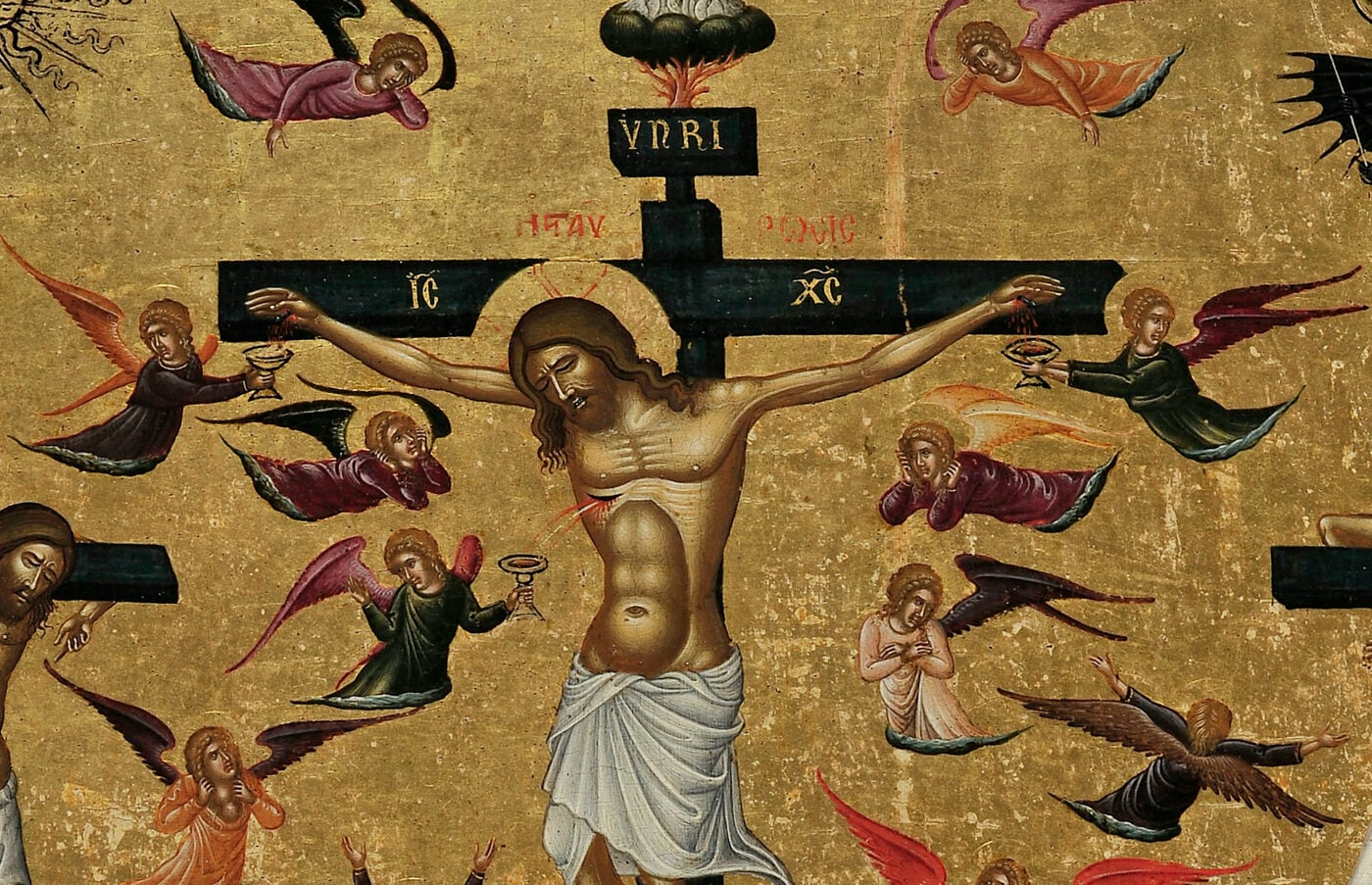
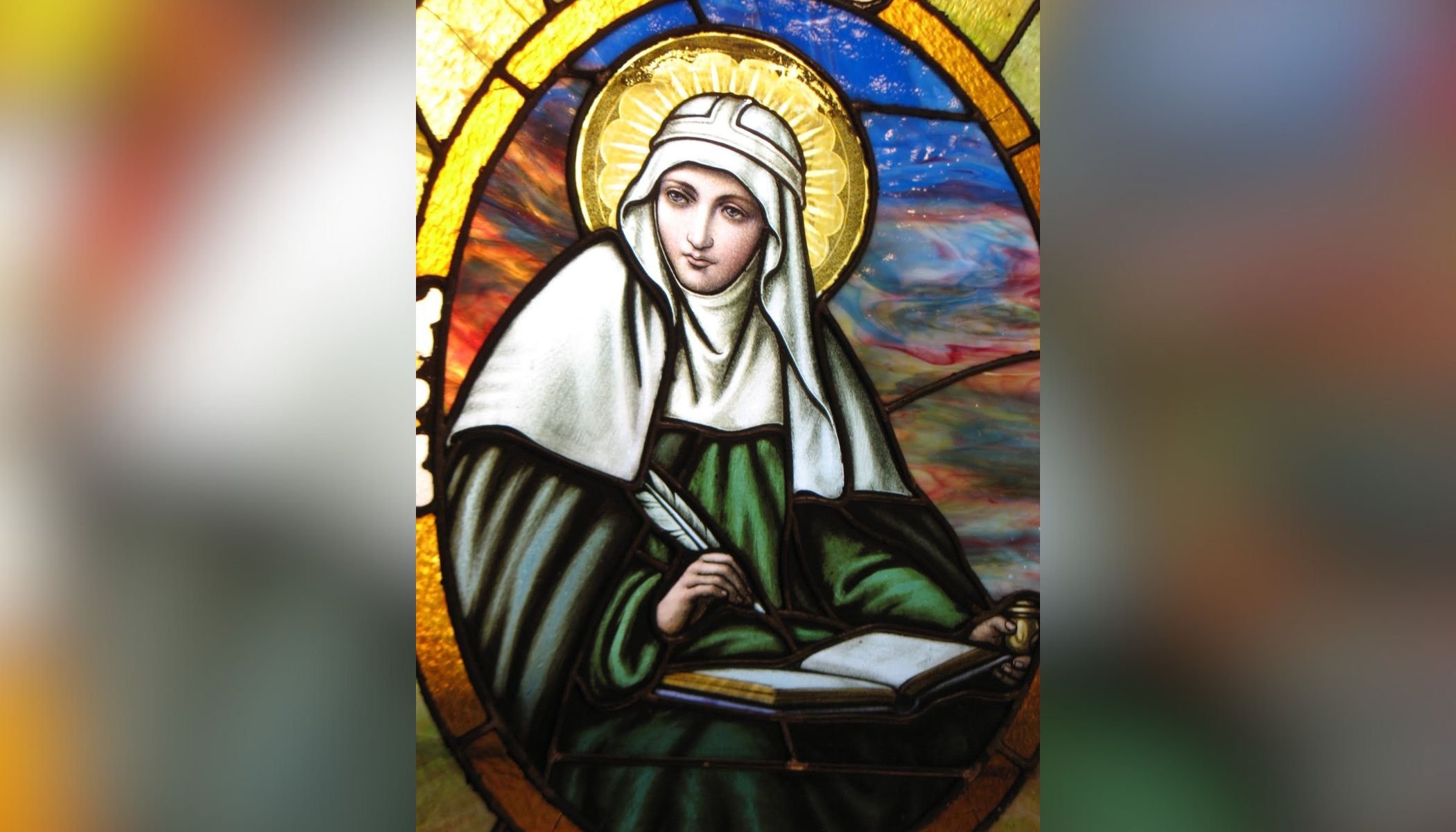
Image from Wikimedia Commons