







The Unbounding Merits of Spiritual Slowness


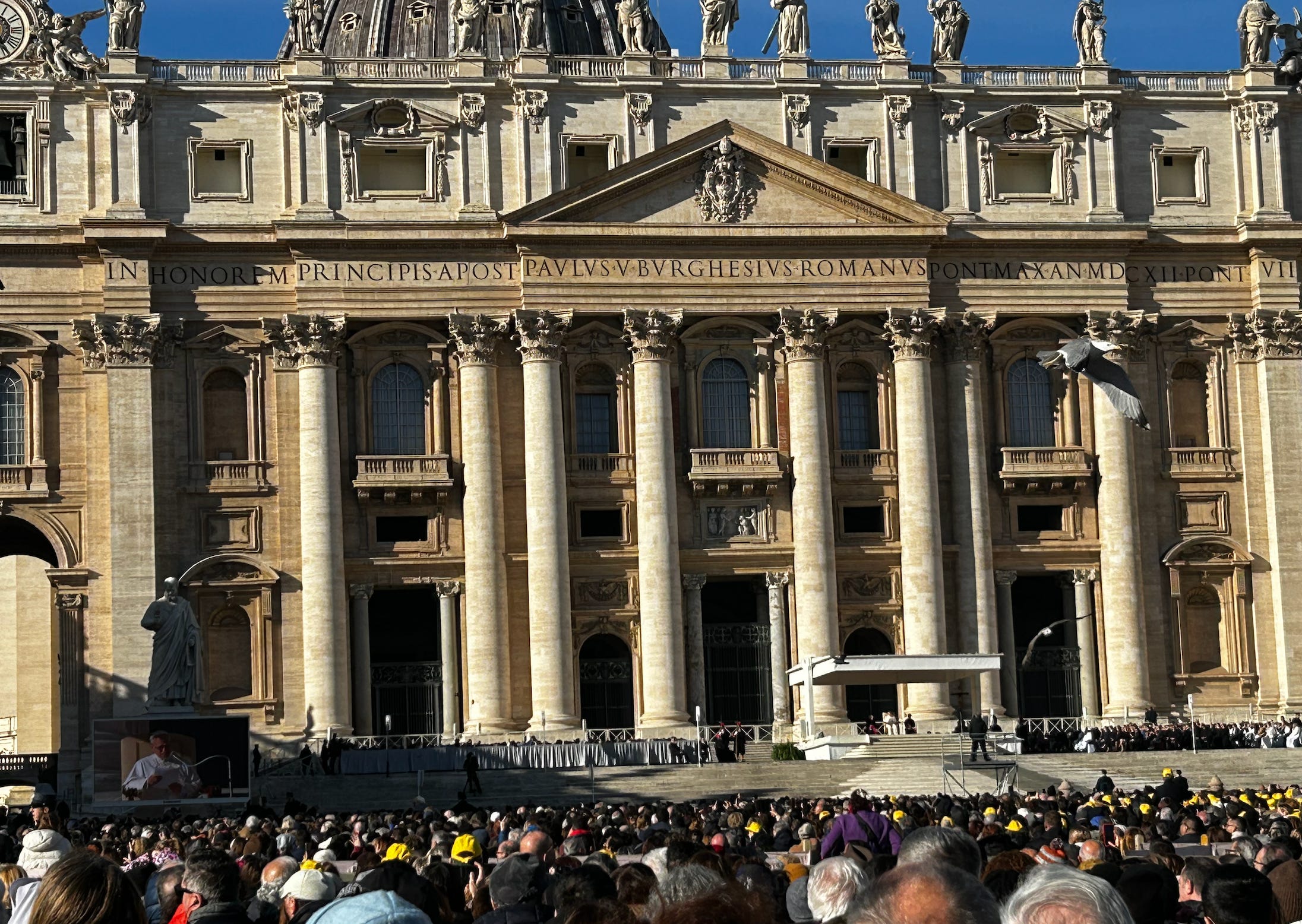
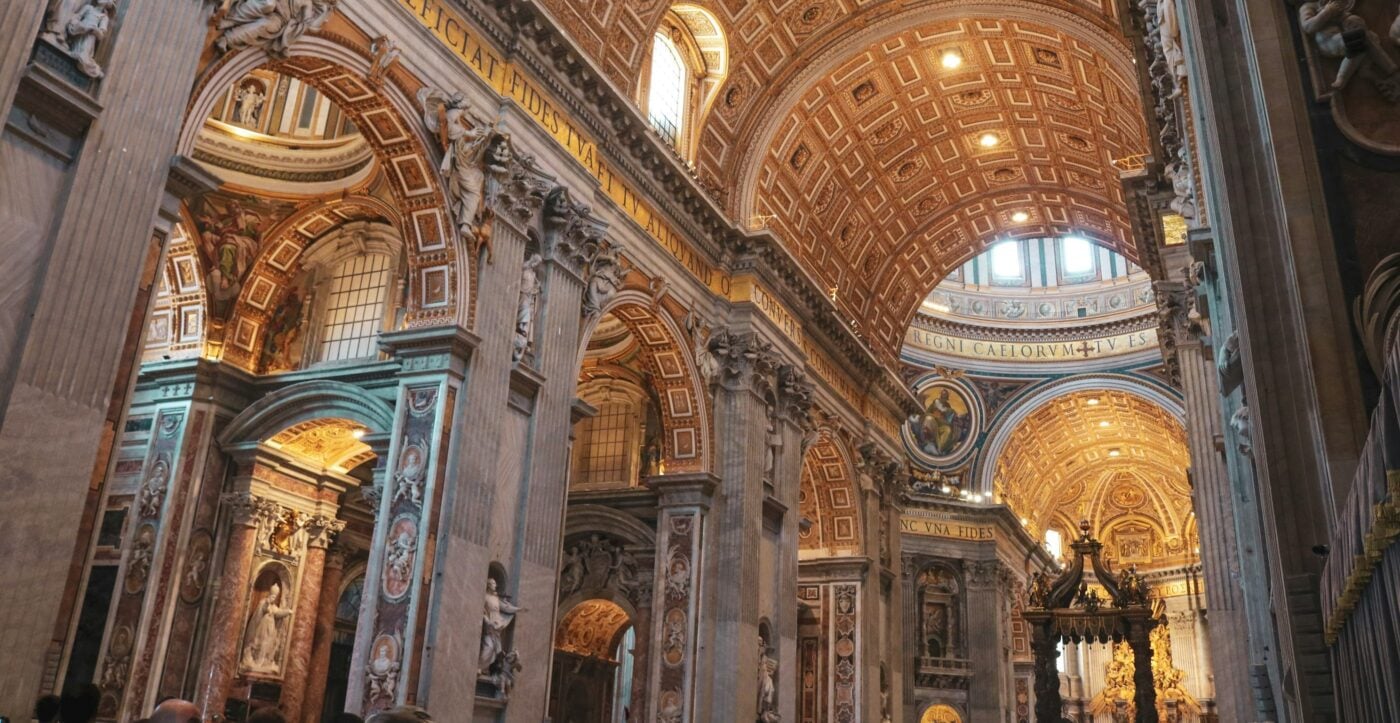
The Italian idiom Per fare San Pietro c’è voluto tempo (“It took time to build St. Peters”) is the folk memory of the one-hundred-and-twenty years it took to construct the new basilica on the foundations of the ancient Constantinian church on Vatican Hill. Evidently, Italians continue to recall the generational challenge that such an undertaking required and the slow progress that is sometimes inherent to building a large cathedral church. In our familiar 21st century English parlance, this might culturally translate to “Rome wasn’t built in a day,” or similar platitudes “haste makes waste” and “slow and steady wins the race.”
These phraseologies reflect our general frustration with the pace of time, and our desire to control its speed. We tend to think of patience as the grim endurance of waiting, waiting for something to happen, for something to be complete, for something to finally come to fruition. In our usual way of imagining it, patience is the uncomfortable space between “not yet” and “finally.” It exists as a kind of spiritual purgatory where we clench our teeth, sit, and endure. But the depth of our perennial wisdom reveals something quite different.
Patience is not about bearing the burden of unfinished time; it is the ability to experience the present moment fully and without resistance. When we choose slowness, perhaps in the form of a long scenic route, or through doing something in an older analog way, we begin to notice something almost embarrassing in its simplicity. Much of our common suffering does not come from the passing of time itself, but from our refusal to be in the time that is passing.
Consciously or unconsciously, we are rarely truly in the present. We lean forward, toward outcomes, toward clarity, toward completion, and ultimately towards anxiety and the future. Or, we lean backward, toward memory, regret, a sense of unfinished business within our own pasts. However, in both directions, we are pulled away from the current moment, away from the sacramentality of now, the place where God actually speaks to us. Thomas Merton spoke on this, stating that “the present moment is the doorway to all that is eternal.”
Psychical resistance to reality is the quiet root of so much spiritual fatigue. That is to say, our resistance to the present moment wears the disguise of ambition, or focus, or urgency, but underneath it is simply fear that if we stop pushing, if we aren’t strained by strenuous effort, life will stop unfolding. Yet, it is fairly obvious that life is quite capable of unfolding without our strain. The sun rises, the rivers flow, the seasons turn, all without hurry or the force of our own volition.
In choosing slowness, we experiment with dropping our natural resistance to delay. We allow the moment to be what it is, and we soften the need to control the tempo of our own becoming. What is remarkable is that, when our resistance to this dissolves, so does much of our suffering. The moment we finally consent to the pace of time, we discover God’s peace hiding in plain sight.
With this knowledge, slowness becomes the truest spiritual solvent. It dissolves the psychical frictions that make small things feel urgent and ordinary things feel meaningless. It reveals the deep truth that God is always present with us, but we are often absent in our conscientiousness. In doing so we recognize that we have been blind to the obvious, that “the place where you are is holy ground” (Ex. 3:5).
Photo by Christian Harb on Unsplash