









Washington Roundup: Trump drops National Guard deployment, Roberts says Constitution remains ‘firm’
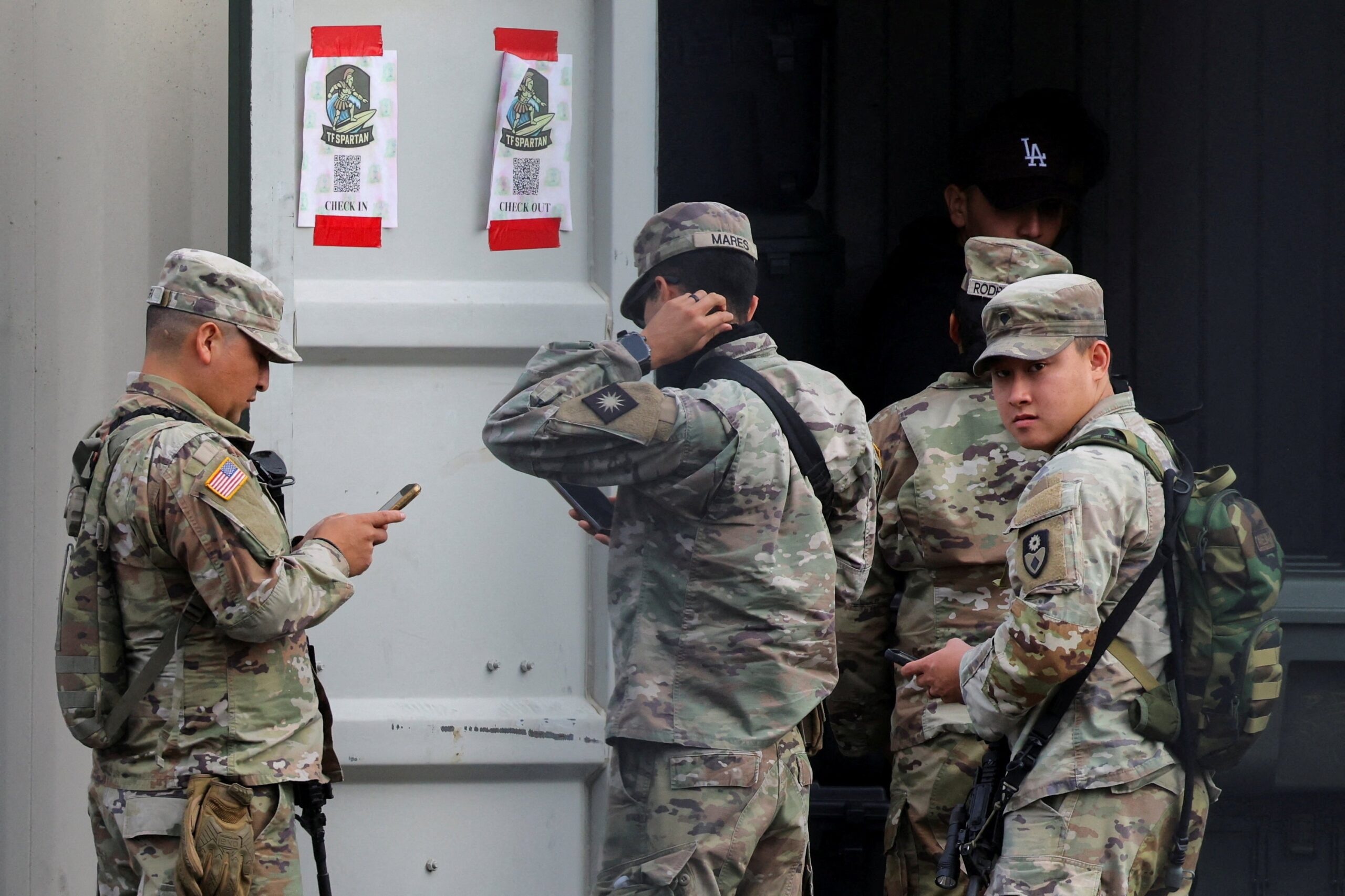
WASHINGTON (OSV News) — President Donald Trump said Dec. 31 he would drop, for now, his administration’s efforts to deploy National Guard troops to Chicago, Los Angeles and Portland, Oregon. His announcement came after a series of legal defeats for that attempt.
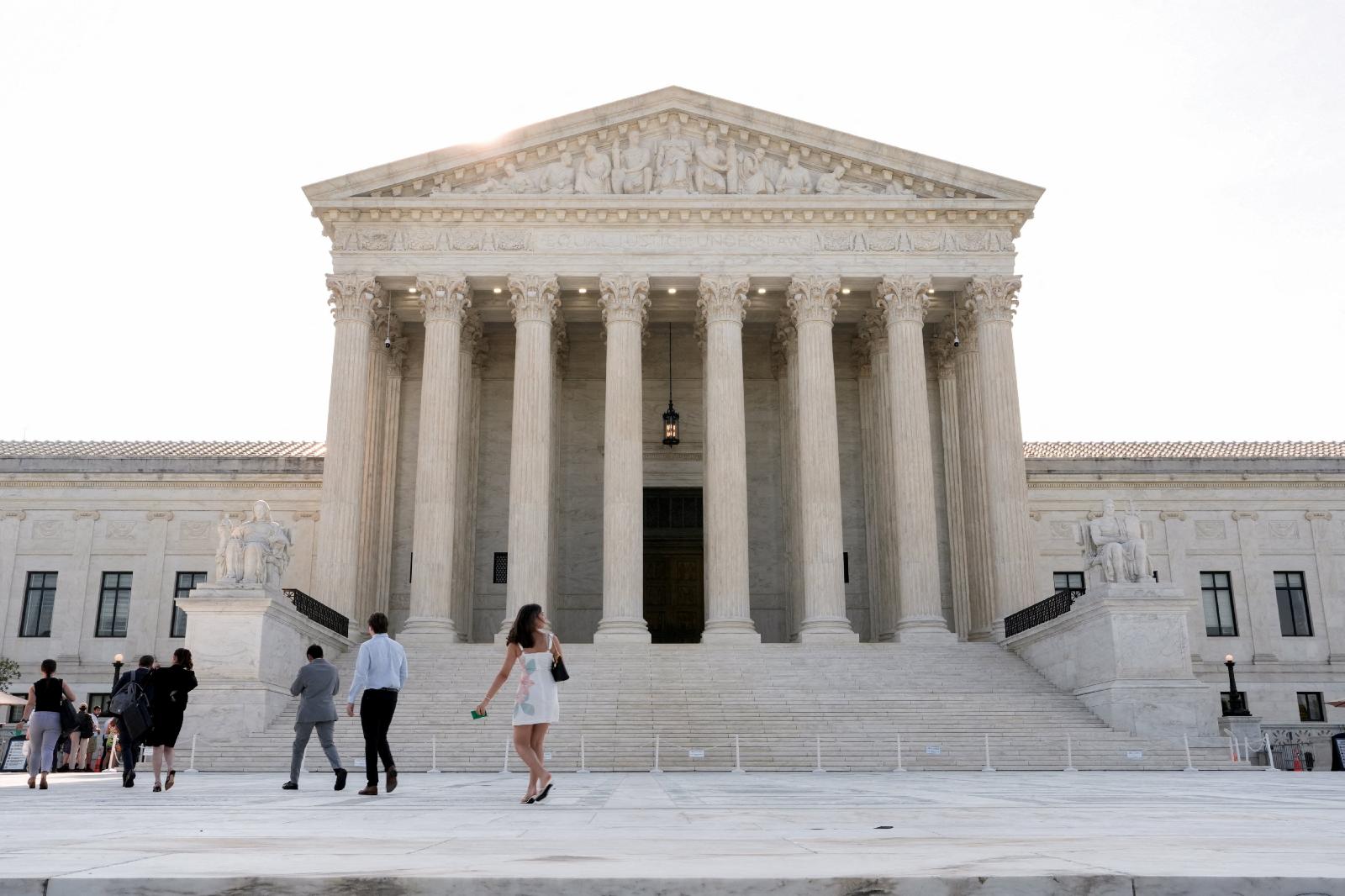
The same week, Trump issued the first vetoes of his second term in office and Chief Justice John Roberts used his latest year-end report on the judiciary to reflect on the nation’s founding documents.
Trump drops National Guard deployment effort in 3 cities
In a social media post, Trump wrote, “We are removing the National Guard from Chicago, Los Angeles, and Portland, despite the fact that CRIME has been greatly reduced by having these great Patriots in those cities, and ONLY by that fact.”
The White House was met with legal challenges to its efforts to deploy National Guard troops to domestic jurisdictions where state governors objected. Trump previously deployed approximately 4,000 California National Guard members and 700 Marines to Los Angeles, but legal challenges prevented similar National Guard deployments in Chicago and Portland, Oregon.
Catholic leaders, including Archbishop Alexander K. Sample of Portland, Oregon, have expressed concern about related immigration enforcement activity in those jurisdictions.
“My heart is heavy because of the continued fear and anxiety that runs through the community of our Hispanic brothers and sisters in this archdiocese,” Archbishop Sample said in a Nov. 8 statement. “This is due to the increased ICE activity within our communities, even now in the vicinity of some of our parishes.”
Trump issues his second term’s first vetoes
Trump on Dec. 29 issued the first vetoes of his second term in office, rejecting two infrastructure bills that passed Congress with bipartisan support.
Trump vetoed a Colorado pipeline measure and legislation that would have given greater control over some tribal lands to the Miccosukee Tribe in Florida and instructed the Department of Interior to work with the tribe to mitigate flooding in the area.
In his veto message on the Florida bill, Trump suggested the tribe’s participation in a lawsuit seeking to block the immigration detention facility in the Everglades dubbed “Alligator Alcatraz,” played a role in his decision to veto the legislation.
“But despite seeking funding and special treatment from the Federal Government, the Miccosukee Tribe has actively sought to obstruct reasonable immigration policies that the American people decisively voted for when I was elected,” Trump wrote.
In his veto of the Colorado bill, which sought to facilitate the completion of a pipeline project to bring clean water to the southeastern part of the state, Trump said, “My Administration is committed to preventing American taxpayers from funding expensive and unreliable policies. Ending the massive cost of taxpayer handouts and restoring fiscal sanity is vital to economic growth and the fiscal health of the Nation.”
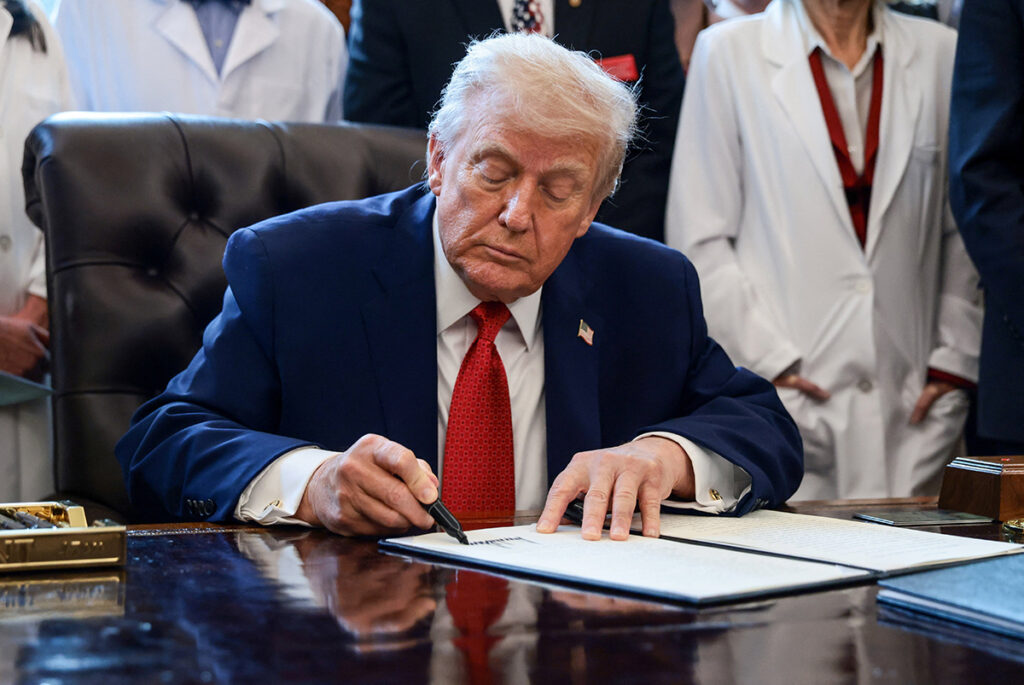
Both bills were sponsored by Trump’s fellow Republicans and passed with bipartisan support.
In response to Trump’s veto of her Colorado bill, Rep. Lauren Boebert, R-Colo., said on social media, “This isn’t over.”
In a withering statement, Boebert criticized the decision, noting Trump’s veto derailed a critical infrastructure project and harmed the president’s own supporters in rural America.
“Because nothing says ‘America First’ like denying clean drinking water to 50,000 people in Southeast Colorado, many of whom enthusiastically voted for him in all three elections,” she said.
She added, “I sincerely hope this veto has nothing to do with political retaliation for calling out corruption and demanding accountability. Americans deserve leadership that puts people over politics.”
Boebert was among the lawmakers who recently pushed the Trump administration to release more files in the Jeffrey Epstein sex-trafficking investigation, a multimillionaire who was found dead in prison of an apparent hanging in 2019.
Roberts: Constitution remains “firm and unshaken”
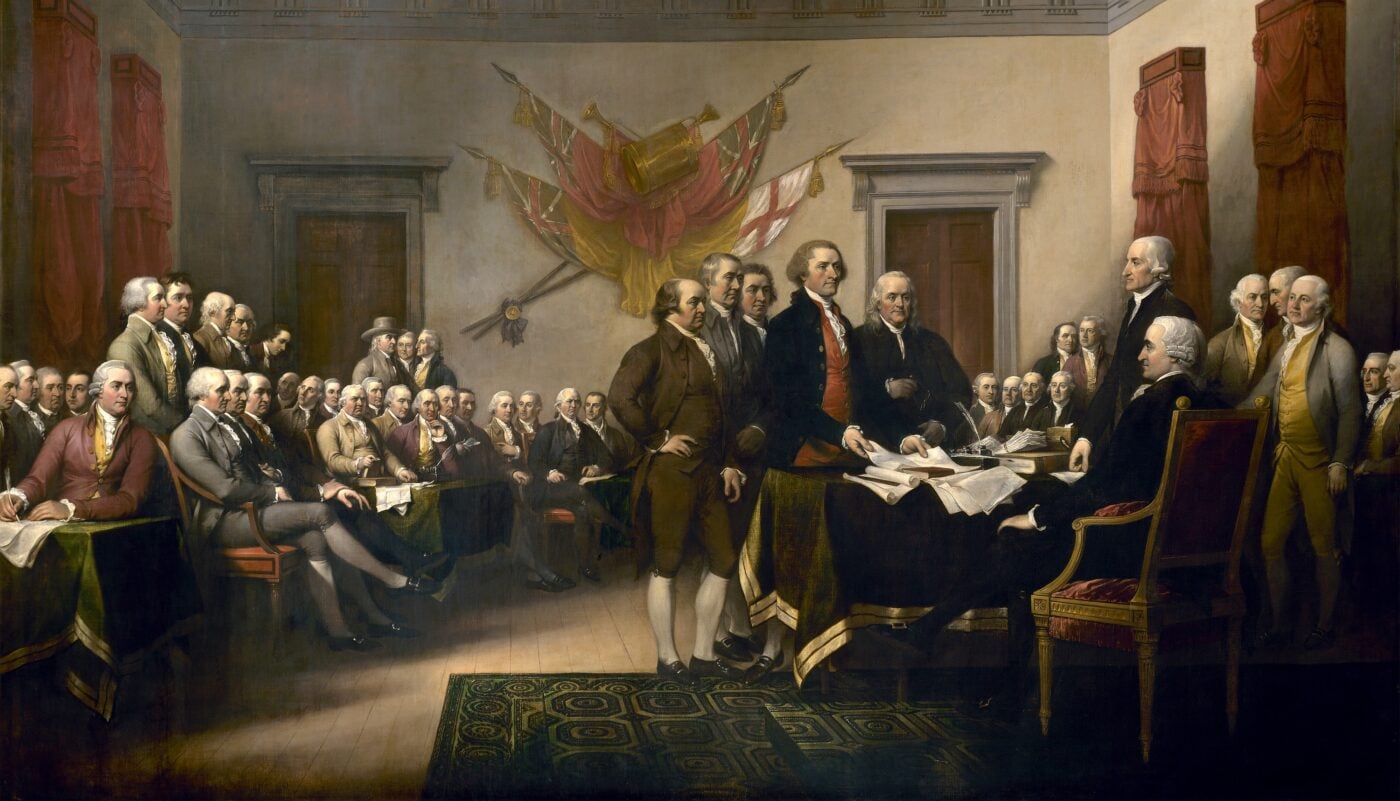
In his Dec. 31 report, Roberts reflected on the founding documents and subsequent effort to bring about what the Constitution called “a more perfect Union.”
The Declaration of Independence, he said, “stands as one of the most widely read and emulated political documents in history” and its preamble “articulates the theory of American government in a single passage that has been hailed as ‘the greatest sentence ever crafted by human hand.'”
That sentence — “We hold these truths to be self-evident, that all men are created equal, that they are endowed by their Creator with certain unalienable Rights, that among these are Life, Liberty and the pursuit of Happiness” — Roberts said, “enunciated the American creed, a national mission statement, even though it quite obviously captured an ideal rather than a reality, given that the vast majority of the 56 signers of the Declaration (even Franklin) enslaved other humans at some point in their lives.”
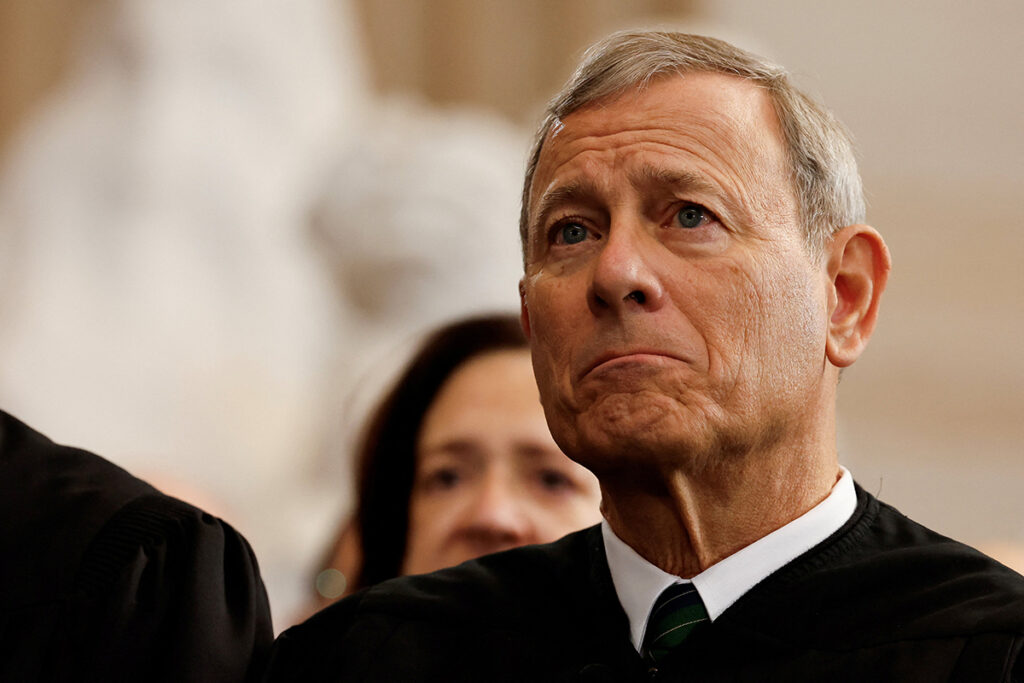
The Constitution, he wrote, followed that document and left incomplete that goal as the text did not directly address slavery, but “reflected several compromises that accommodated its perpetuation until the Civil War.” Nevertheless, he recounted how Lincoln’s Gettysburg Address, the Constitution’s 13th, 14th and 15th amendments, and the Civil Rights Act of 1964, “among other landmark developments, carried forward the Nation’s ongoing project to make the ideals set out in the Declaration real for all Americans, in the never-ending quest to fulfill the Constitution’s promise of a ‘more perfect Union.'”
Roberts said that as the nation embarks on its semiquincentennial, “it is worth recalling the words of President Calvin Coolidge spoken a century ago on the occasion of America’s sesquicentennial: ‘Amid all the clash of conflicting interests, amid all the welter of partisan politics, every American can turn for solace and consolation to the Declaration of Independence and the Constitution of the United States with the assurance and confidence that those two great charters of freedom and justice remain firm and unshaken.'”
“True then; true now,” he wrote.
Previous topics Roberts addressed in his annual year-end reports include artificial intelligence and security threats to the judiciary.
Kate Scanlon is a national reporter for OSV News covering Washington. Follow her on X @kgscanlon.
The post Washington Roundup: Trump drops National Guard deployment, Roberts says Constitution remains ‘firm’ first appeared on OSV News.