













The Church as Our Consoling Mother


Amid a world ripe with uncertainty, fear, and sorrow, the Catholic Church stands as a loving and consoling mother, guiding her children toward the eternal embrace of Jesus Christ in heaven. The Catholic Church describes herself as a she. She is not merely an institution or an assembly of believers—she is a living, breathing organism: the Bride of Christ. She is our spiritual Mother, nurturing us along our journey toward heaven.
This depiction of the Church as our mother has been professed by saints throughout the ages. St. Cyprian of Carthage wrote in the third century, “He cannot have God for his Father who has not the Church for his Mother.” The Church, as the Mystical Body of Christ, is also the womb that births us into supernatural life through Baptism, heals us through Reconciliation, and feeds us through the Holy Eucharist. She offers not only truth and grace but also a home.
A Child’s Longing for Comfort
When I was a kid—no older than four—I vividly remember the apprehension I felt whenever my parents left me with a babysitter. The loss of routine, the stranger in the house, and the absence of my parents created a discomfort that is probably common for most kids. Despite the anxiety, I devised a way to soothe myself:
After the babysitter had tucked me in, I would tiptoe into my parents’ room, open the closet, and pull out my mother’s bathrobe. I would climb onto their bed, snuggle into the robe, and inhale its familiar smells of mom. It smelled like her, it felt like her—it was her presence made tangible, and it brought an instant consolation.
This is the Catholic Church.
Human beings yearn for comfort, familiarity, and love. And just as my mother’s robe became a symbol of her loving presence in her absence, the Catholic Church becomes for us a real, sacramental presence of our spiritual Mother—a place where we encounter Christ and the communion of saints even while still awaiting the fullness of heaven.
Sacred Spaces, Sacred Comfort
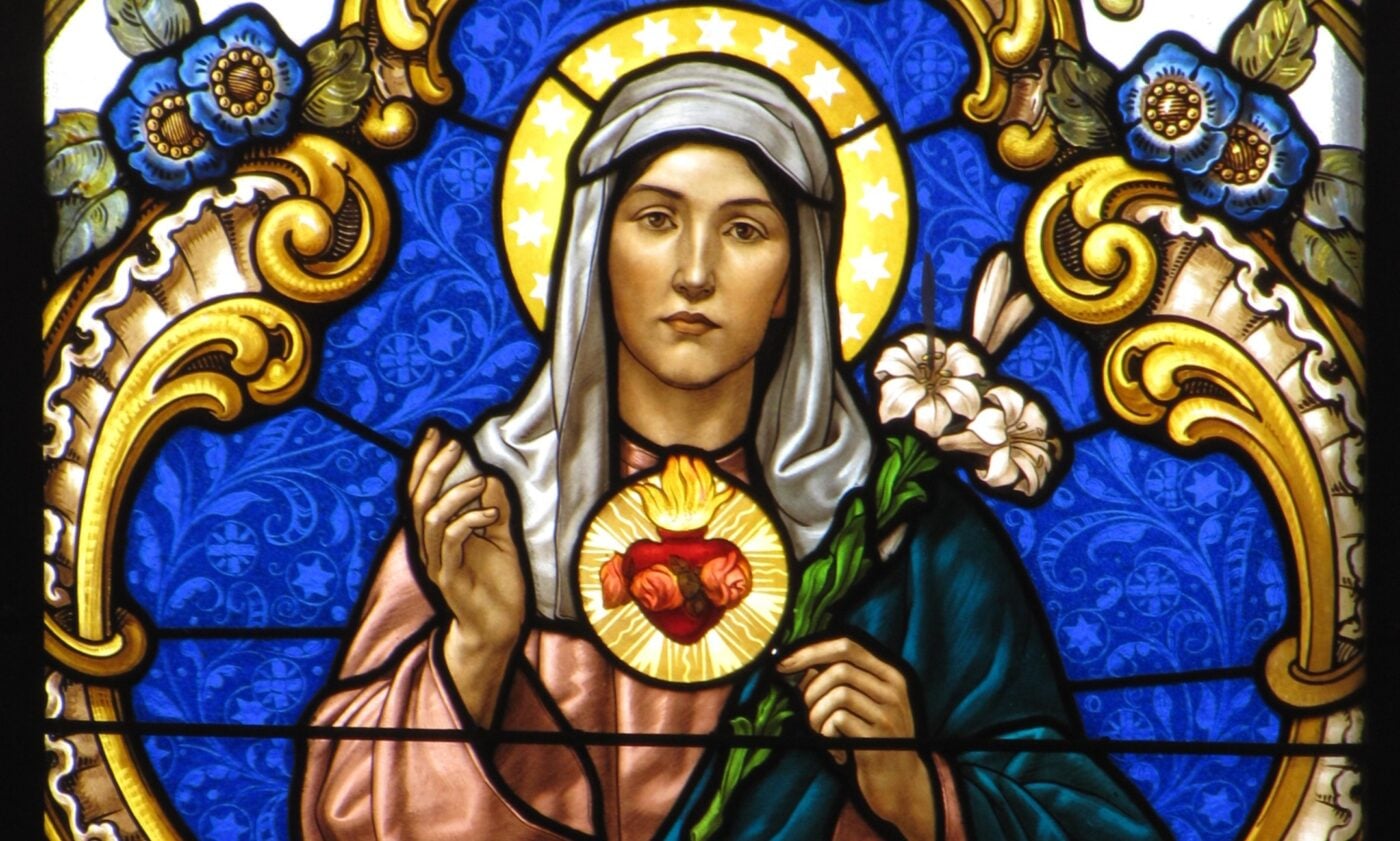
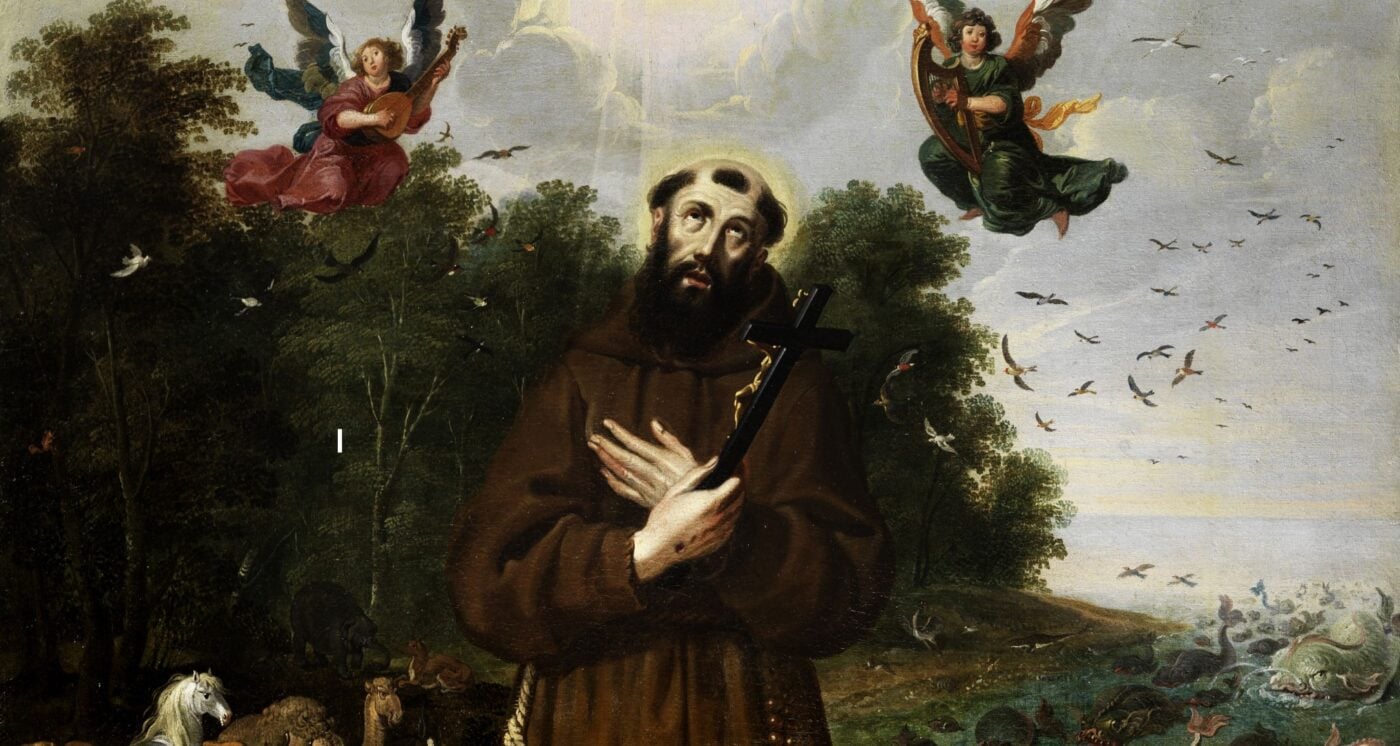
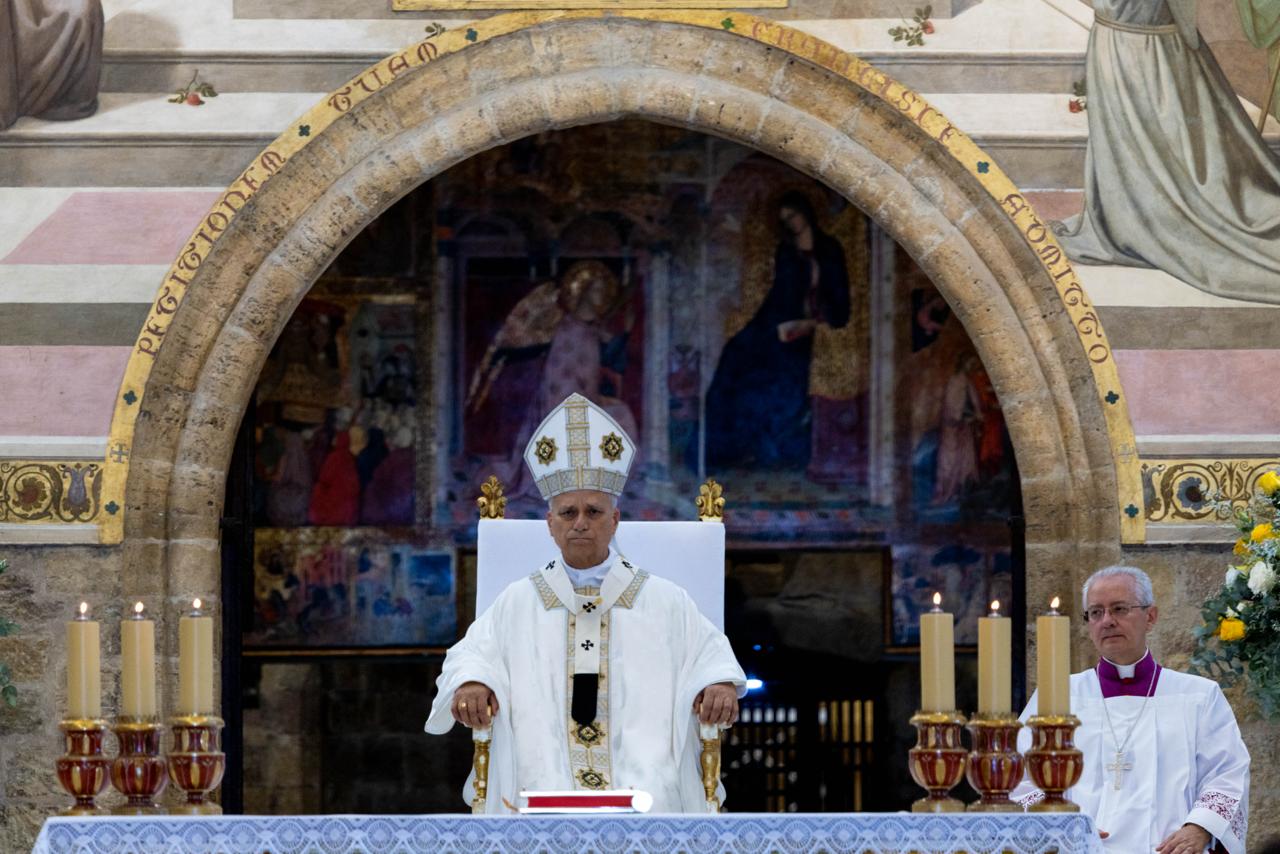
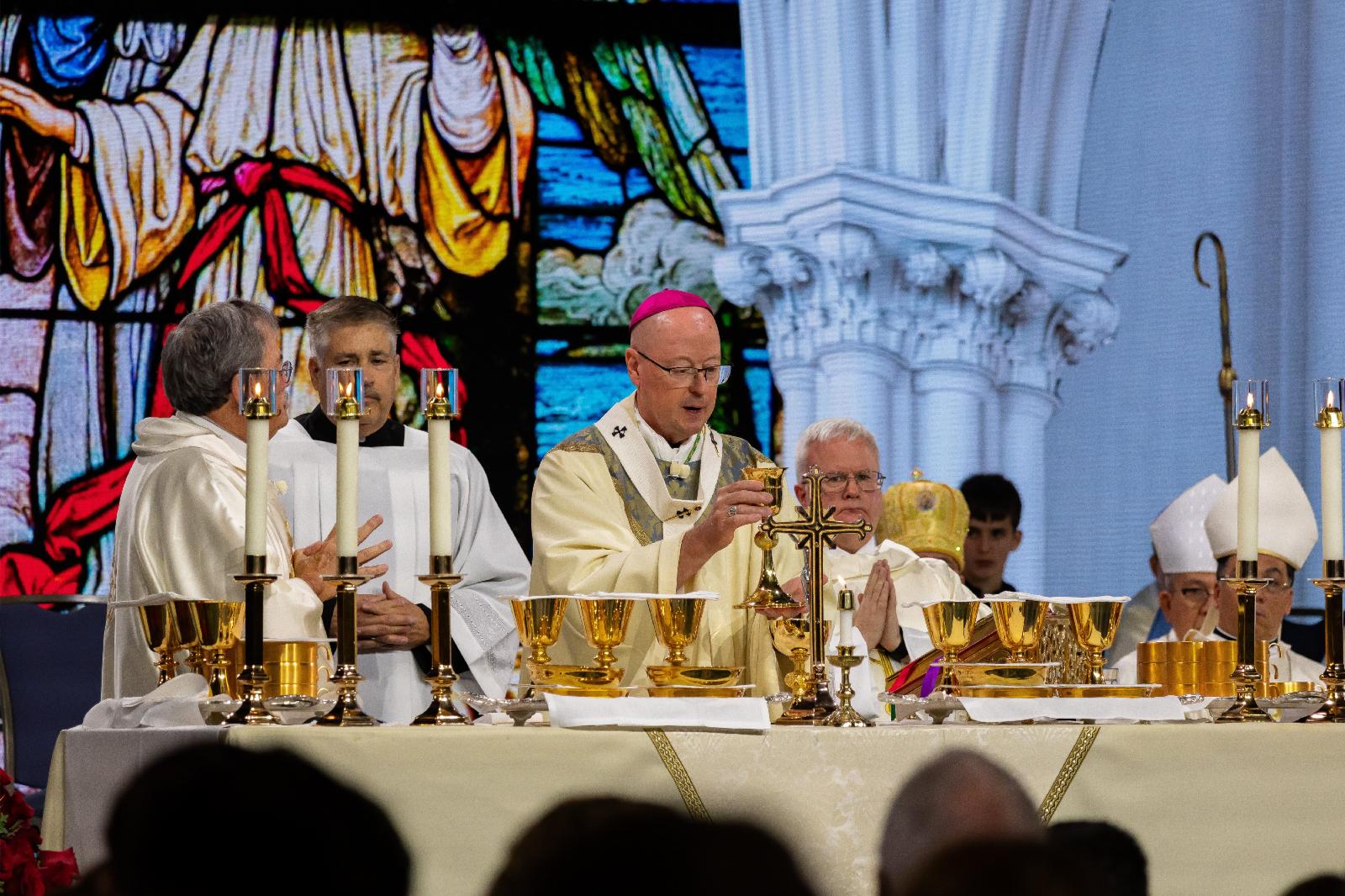
The Catholic Church offers more than theology and moral instruction—she offers a home that speaks to the human heart. When we step into a Catholic church, it’s not just the physical architecture that moves us; it is the transcendent beauty designed to lift our minds toward heaven. The smell of incense reminds us that our prayers rise to the heavens. The stained-glass windows illuminate the sanctuary in colorful light, depicting the story of our salvation. Statues of saints line the walls, standing like watchful family members cheering us on in our earthly race (Heb. 12:1-3).
All of these elements—incense, icons, windows, vestments, and music—are not mere decoration, they are motherly comforts. They “smell like home,” because they speak to the soul’s deepest desire to be with God and in communion with His family. They are a robe we can snuggle into when we feel lost or fearful in this disoriented world.
Pope Benedict XVI speaks to this homely Church:
The Church is not an idea or a plan. She is not something we have made, but a living reality. She lives through the course of time, becoming ever anew, yet always the same: the People of God, the Body of Christ, the communal home of faith.
The Church Militant: Children on a Journey
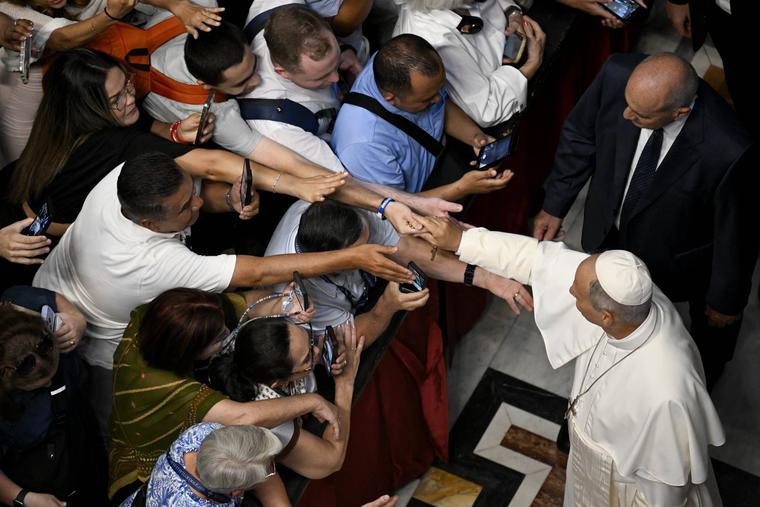
We, the faithful on earth, are the Church Militant. We are not yet home, and the journey is difficult. But we do not walk it alone. As children of the Church, we are led, guarded, and comforted by our Mother, who shelters us under the cover of her care. Through the sacraments, through the rhythms of the liturgical year, and through her sacred traditions, the Church offers constant reassurances of God’s presence and grace.
Just as a child clings to his mother in times of distress, so we cling to the Church. And just as a loving mother gently leads her child by the hand, so too the Church leads us toward her Bridegroom: Jesus Christ, our Redeemer.
St. Thérèse of Lisieux, the Little Flower and Doctor of the Church, expressed this childlike trust: “The Church is my Mother, and I shall always remain her child.” In her simplicity, St. Thérèse captured the essence of spiritual maturity—not independence, but utter dependence on the Church as a place of divine nurture.
Sacred Music: Harmony of Heaven and Earth
One of the most consoling aspects of the Church’s maternal presence is found in her sacred music. The chants, hymns, and harmonies of the liturgy are more than background ambiance—they are the very voice of our Mother calling us to lift our hearts. Music in the Church is meant to be “otherworldly,” to draw us beyond ourselves into the worship of God with all the angels and saints.
When we hear the intonations of the “Sanctus” or the ethereal strains of a polyphonic motet, we are wrapped in a sonic robe—a harmony that transcends time and place. The music of the Church is a participation in the song of heaven.
Our Mother and Her Bridegroom
Ultimately, the sacraments, graces, saints, architecture, and music are not ends in themselves. They are means by which our Mother draws us ever closer to her Bridegroom. The Church exists not to point to herself, but to Jesus. The Church speaks like the Blessed Virgin Mary at Cana: “Do whatever He tells you.”
As the Bride of Christ, the Church models for us perfect fidelity, perfect obedience, and perfect love. And she teaches her children to follow this model. Through her, we are prepared for the great wedding feast of the Lamb, when the Church Triumphant will rejoice for eternity with her Savior.
Until that day comes, we continue to walk as pilgrims. We may stumble. We may grow tired. We may feel homesick. But we are not alone. We have the Church—our Mother—to comfort us, guide us, feed us, and remind us who we are: beloved children on our way home.
May we forever listen closely to her. May we enter her sacred spaces, breathe in the incense, lift our eyes to the saints, and listen to the sacred music. May we rest in her love and comfort ourselves in the robe of her beauty, knowing that we are truly on the way to heaven.
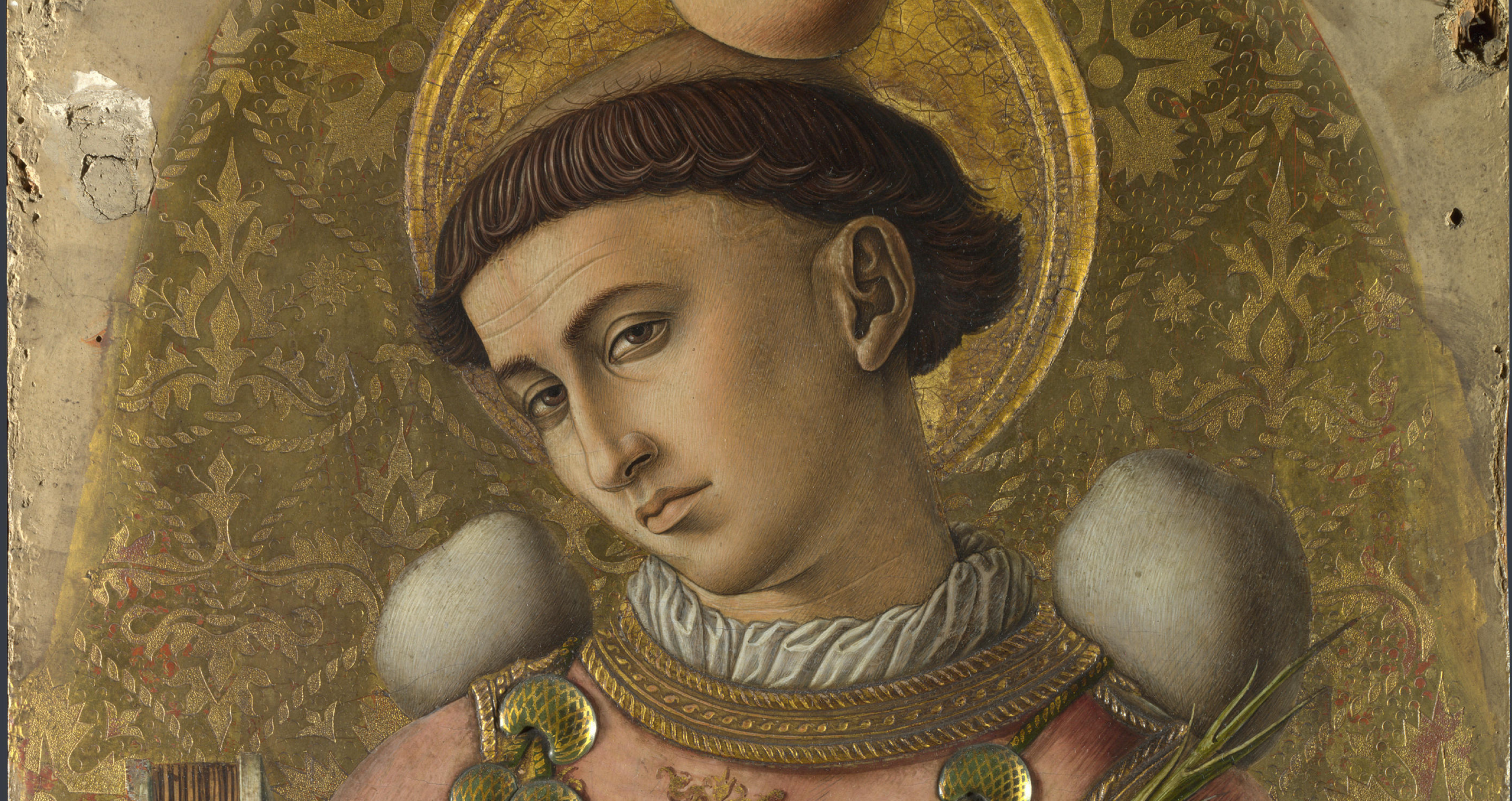
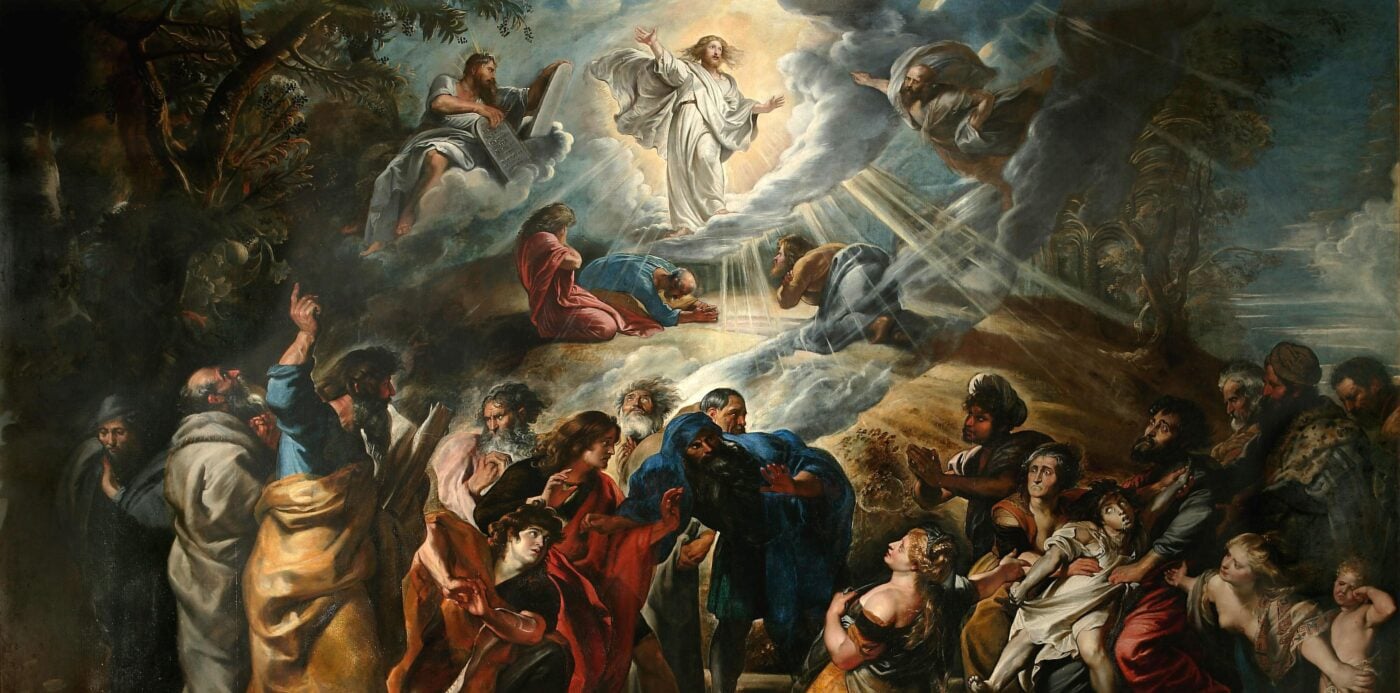
Image from Wikimedia Commons